
Pet Suffocation Risk: Understanding Snack Bag Dangers
Learn how common household items pose life-threatening risks to your pets.
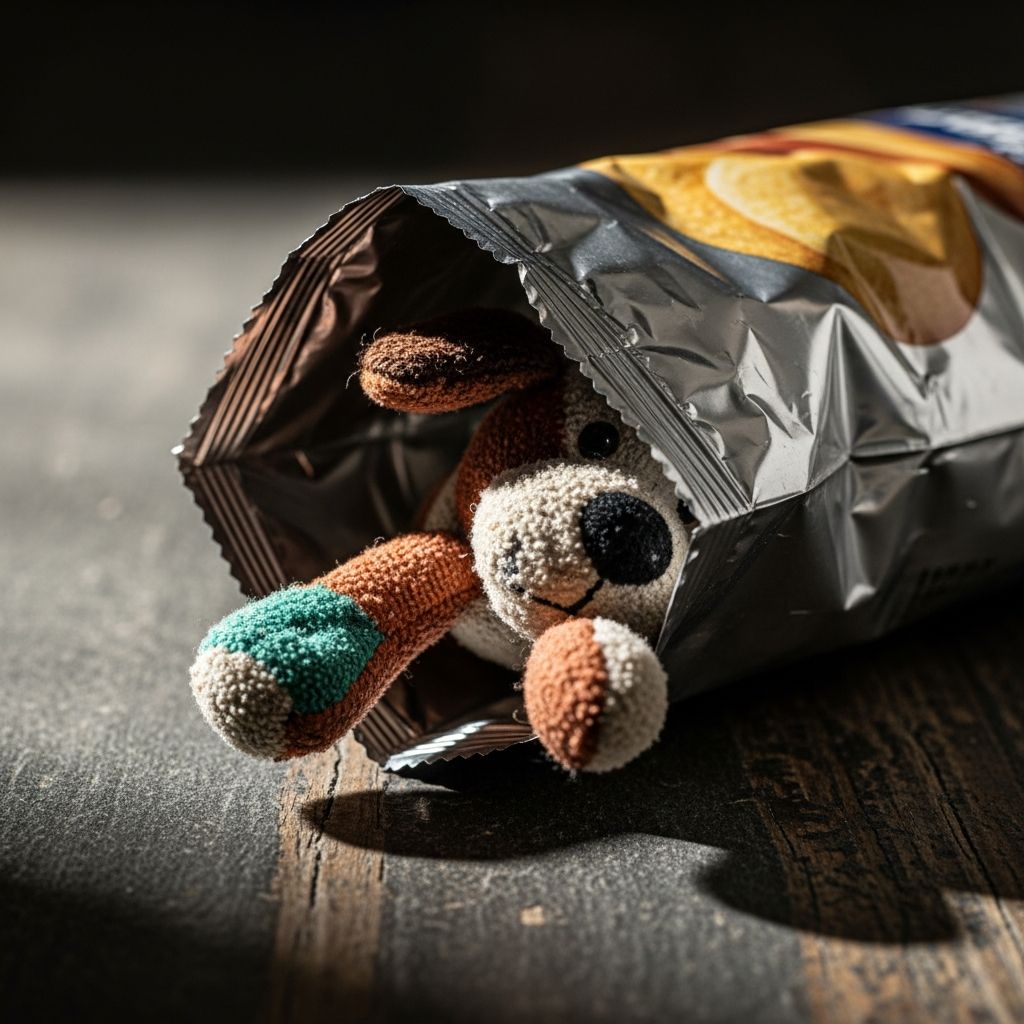
Every pet owner wants to keep their animals safe, yet many remain unaware of a silent threat lurking in their homes. Snack and chip bags represent one of the most dangerous household items that can lead to tragic outcomes for beloved companions. What appears as innocent, humorous videos online—pets with their heads stuck in chip bags—masks a serious and potentially fatal risk. This comprehensive guide explores the mechanics of this danger, the statistics surrounding pet suffocation incidents, and actionable prevention strategies that can save lives.
The Mechanism Behind Snack Bag Suffocation
Understanding how snack bag suffocation occurs is crucial for pet owners. The process happens remarkably quickly, often in ways that seem counterintuitive to those unfamiliar with the physics involved. When a pet inserts their head into a snack bag to access food remnants, they trigger an uncontrollable sequence of events that can result in death within minutes.
Snack and chip bags are manufactured using specialized plastic materials designed to keep food fresh and crispy. These materials typically include multilayered compositions such as Mylar, aluminum-laminated polypropylene, high-density polyethylene (HDPE), and linear low-density polyethylene (LLDPE). While these materials excel at preserving food quality, they create a perfect storm of danger when a pet’s head becomes trapped inside.
The critical factor in suffocation is the vacuum-like seal that forms around a pet’s face. When a pet inhales while their head is inside the bag, the flexible plastic material collapses inward, creating suction. This suction becomes stronger with each breath the animal takes. As panic sets in and the pet’s breathing accelerates, the bag tightens further around their nose and mouth, making it nearly impossible to escape. The faster the animal breathes, the tighter the seal becomes—a vicious cycle that can be fatal in as little as 3 to 5 minutes.
Why Pets Are Particularly Vulnerable
Several factors make pets uniquely susceptible to this danger. First, their powerful sense of smell draws them to bags containing food or remnants of food. A dog that detects the lingering aroma of potato chips, popcorn, or other snacks will be motivated to investigate. Once their head is in the bag, they often lack the problem-solving ability to reverse the action quickly or effectively.
Second, panic plays a significant role in fatal outcomes. When a pet realizes their head is stuck, fear causes rapid breathing and increased struggling. Rather than calmly assessing the situation, the animal’s survival instinct triggers fight responses that worsen the suffocation effect. Their paws scratch at the bag in desperation, but the flexible material simply collapses further rather than tearing.
Third, the speed of suffocation is deceptive. Many pet owners believe they would notice if their animal were in danger or that they would have time to intervene. However, incidents can occur in mere minutes, and 39 percent of suffocation cases happen while the owner is actually home. Pet owners stepping away to answer the phone, check the laundry, or chat with a neighbor have returned to find their companions in life-threatening or fatal situations.
Statistical Reality: A Widespread Problem
The extent of this problem is far more significant than most pet owners realize. A comprehensive survey of over 1,300 people whose pets either died or nearly died from snack bag suffocation revealed shocking statistics about public awareness and incident characteristics.
Most alarming is that 87 percent of respondents had no idea bags posed a suffocation hazard until their pet experienced the incident. This gap in awareness spans across demographic groups and includes responsible pet owners who take other safety precautions seriously. The statistics demonstrate that this is not a problem limited to negligent owners but rather a universal blind spot in pet safety knowledge.
The types of bags involved in suffocation incidents reveal another important insight. While larger bags like chip and popcorn bags might seem easier to escape from, these accounted for 69 percent of incidents. The survey also documented that 72 percent of incidents involved chip or snack bags, 11 percent involved pet food or treat bags, 6 percent involved cereal box liners, and 11 percent involved bread bags or other plastic containers.
Where pets access these dangerous bags is equally informative. The survey data showed that 25 percent of bags were retrieved from garbage cans, 22 percent from coffee tables or side tables, and 13 percent from kitchen counters. This distribution indicates that prevention strategies must target multiple storage locations rather than assuming trash concealment alone is sufficient.
Size Is No Protection: Why Larger Pets Are Also at Risk
A common misconception is that larger dogs are somehow immune to snack bag suffocation. This belief is dangerously incorrect. In the comprehensive survey, more than 55 percent of dogs that suffocated weighed more than 30 pounds, and 17 percent weighed more than 60 pounds. This data demonstrates that dogs of all sizes—from small breeds to large dogs—face the same vulnerability.
The mechanism of suffocation is not dependent on pet size but rather on the physics of the collapsing plastic and the speed of the suffocation process. A 70-pound dog can suffocate just as quickly as a 10-pound dog once the vacuum seal forms around their face. This is critical information for owners of large breeds who might otherwise feel complacent about this particular hazard.
Immediate Prevention Strategies for Your Home
Protecting pets from snack bag suffocation requires practical, implementable strategies that address the most common scenarios where incidents occur.
Storage and Disposal Practices
- Immediate disposal: Throw snack, cereal, and other plastic bags into the trash immediately after finishing consumption. Do not leave opened or partially opened bags on counters, tables, or other accessible locations.
- Bag modification before disposal: Before placing any snack bag in the trash, cut along the sides and bottom of the bag, similar to how you would dispose of an old credit card. A bag with its sides cut open cannot seal around a pet’s face and nose, effectively neutralizing the suffocation hazard.
- Secure trash containment: Use trash cans with locking lids or store garbage in cabinets that pets cannot access. If your pet tends to raid trash containers, consider storing garbage in a locked closet or garage.
- Plastic container storage: Transfer snacks and cereals from original packaging into airtight plastic containers with openings too small for your pet’s head to fit through.
Consumption Habit Changes
- Bowl serving: Rather than eating directly from bags, serve snacks in bowls or on plates. This keeps the bag out of a pet’s reach and prevents the temptation to investigate.
- Supervised eating: When consuming snacks at home, do so in areas where pets cannot access dropped items or abandoned bags.
- Family communication: Ensure all household members, including children and guests, understand the importance of proper snack bag disposal and storage.
Creating a Safe Environment: Beyond Snack Bags
While snack bags represent the primary suffocation hazard, other plastic bags and containers in the home pose similar risks. Pet owners should conduct a comprehensive assessment of their living spaces to identify and eliminate potential dangers.
Items that warrant attention include cereal box liners, bread bag packaging, pet food bags, plastic storage containers, dry cleaning bags, and produce bags from grocery shopping. Any bag or container that previously held food or that has an opening small enough to trap a pet’s head should be treated as a potential hazard.
For pets with particular behavioral tendencies—such as those prone to rummaging through trash or exploring countertops when unsupervised—additional containment measures may be necessary. Some owners find it helpful to restrict their pets’ access to certain areas when supervision is not possible. Crate training or confinement to pet-safe rooms can prevent access to hazardous items during times when oversight is limited.
Recognizing Signs and Responding to Emergencies
Despite best prevention efforts, emergencies can still occur. Pet owners should understand the warning signs of suffocation and know how to respond rapidly. Signs that a pet is in respiratory distress include frantic behavior, rapid or labored breathing, disorientation, collapse, or unresponsiveness.
If you discover your pet with their head in a bag, immediate action is critical. Remove the bag quickly but carefully, taking care not to cause additional injury. If your pet is unresponsive or not breathing, seek emergency veterinary care immediately. Even if your pet appears to recover, veterinary evaluation is important to assess for internal injuries or complications from the suffocation event.
Spreading Awareness to Save Lives
Individual prevention efforts are essential, but broader awareness campaigns can prevent tragedies across entire communities. Pet owners are encouraged to share information about snack bag dangers with friends, family members, coworkers, and other pet owners. This outreach can interrupt the cycle of unconscious risk-taking that leads to incidents.
Educational resources, including shareable posters and social media materials, can help communicate this message effectively. Many veterinary organizations and pet safety advocacy groups provide free, downloadable materials designed to raise awareness about this hazard.
Frequently Asked Questions About Snack Bag Suffocation
Can cats suffocate in snack bags?
Yes, cats are equally vulnerable to snack bag suffocation as dogs. The same physics apply regardless of species, and cats’ curiosity makes them susceptible to investigating bags with food remnants.
How quickly does suffocation occur?
Pets can suffocate in as little as 3 to 5 minutes once a bag is sealed around their face and nose.
What should I do if I find my pet with a bag on their head?
Remove the bag immediately and carefully. Monitor your pet for signs of respiratory distress or distress. Seek veterinary care promptly, even if your pet appears to have recovered.
Are large dogs safer than small dogs?
No. More than half of dogs that suffocate in snack bags weigh more than 30 pounds, demonstrating that size offers no protection.
Is it safe to leave a pet alone with snack bags present?
No. The speed of suffocation means incidents can occur even in the few minutes you step away. All snack bags should be disposed of or secured immediately after use.
Building Long-Term Safety Habits
Creating lasting change requires transforming snack bag disposal and storage from occasional concerns into automatic habits. Families that develop consistent routines around bag management—such as immediately cutting bags before disposal or consistently storing snacks in sealed containers—significantly reduce their pets’ risk.
This transformation begins with awareness and commitment from all household members. When everyone understands both the danger and the simple prevention steps, compliance becomes natural rather than forced. Parents who educate children about this hazard help raise a generation of pet owners with better safety practices.
The tragedy of pet suffocation in snack bags is entirely preventable through awareness, habit change, and environmental modification. By understanding the mechanism of suffocation, recognizing the statistical reality of this problem, and implementing practical prevention strategies, pet owners can protect their companions from this hidden household danger. The brief effort required to cut bags before disposal or to modify storage practices pales in comparison to the emotional devastation of losing a pet to a preventable incident.
References
- Did You Know Chip Bags Can Suffocate Dogs? — Raleigh NC Veterinary Hospital. https://raleighncvet.com/dog-care/chip-bags-can-suffocate-dogs/
- Snack bags pose suffocation risk to pets — American Veterinary Medical Association, JAVMA News. 2018-05-15. https://www.avma.org/javma-news/2018-05-15/snack-bags-pose-suffocation-risk-pets
- Snack Safely—Keep Your Pets Safe from Snack Bag Suffocation — U.S. Food and Drug Administration. https://www.fda.gov/animal-veterinary/animal-health-literacy/snack-safely-keep-your-pets-safe-snack-bag-suffocation
Similar Articles








Read full bio of medha deb


