

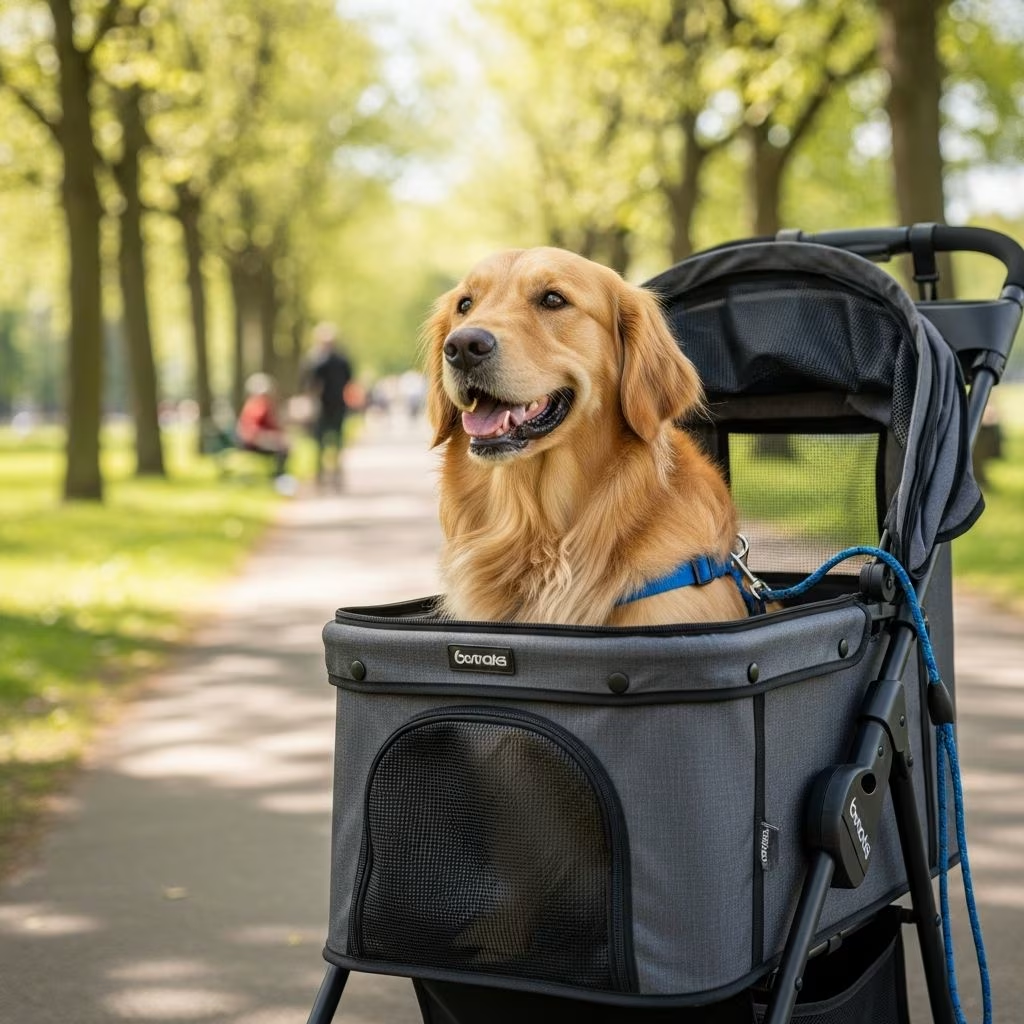
Pet strollers can be a game‑changer for senior dogs, small breeds, puppies, and dogs recovering from illness or injury. Used thoughtfully, a stroller lets your dog join you on more outings while staying safe and comfortable. This guide walks you through how to introduce a stroller, teach your dog to ride calmly, and keep stroller adventures low‑stress for everyone.
Why Consider a Pet Stroller for Your Dog?
A dog stroller is more than just a convenient accessory; it can support your dog’s physical and emotional wellbeing when used appropriately.
- Mobility support: Dogs with arthritis, joint disease, or limited stamina can still enjoy fresh air and new smells without overexertion.
- Post‑surgery or illness: Veterinary rehab guidelines often emphasize controlled activity after orthopedic surgery; using a stroller can help you follow activity restrictions while preventing isolation.
- Safe exposure: Young puppies or unvaccinated dogs can observe the world from a secure, elevated space, reducing the risk of infectious disease exposure in high‑traffic areas.
- Noise‑sensitive or anxious dogs: A stroller can serve as a portable safe “den” when carefully introduced and associated with positive experiences.
- Convenience on long outings: Small dogs can rest between walking intervals during long city walks, festivals, or errands.
Before you start training, talk to your veterinarian if your dog has health limitations or you plan to use the stroller during rehab, so you respect any medical restrictions.
Choosing the Right Pet Stroller
Selecting an appropriate stroller sets you up for easier training and safer rides.
- Size and fit: Your dog should be able to comfortably sit, stand, and lie down without crouching. Extra space is helpful for turning around but not so large that the dog slides around during movement.
- Weight rating: Check the manufacturer’s maximum weight and stay well within it for stability and durability.
- Ventilation and visibility: Mesh panels allow airflow and let your dog see their surroundings while still feeling enclosed.
- Safety features: Look for a secure interior tether, reliable wheel brakes, and a sturdy frame.
- Terrain and wheels: Larger, air‑filled or suspension wheels are more comfortable for jogging and rough surfaces, while smaller wheels may be fine for smooth sidewalks.
- Ease of handling: A stroller that folds easily, steers smoothly, and has a comfortable handle height will make your training sessions and walks calmer.
If your dog has orthopedic, neurological, or cardiac issues, ask your vet whether a stroller is preferable to a wheelchair or other mobility aid for specific activities.
Before You Begin: Training Foundations and Safety
A few basic skills and safety checks make stroller training smoother for both of you.
- Loose‑leash walking: Dogs that pull hard or zigzag are more difficult to manage when you are also steering a stroller. Practicing loose‑leash skills first can reduce risk of falls.
- Comfort with handling: If your dog is small or cannot jump, you may need to lift them into the stroller. Gradually pair gentle lifting with treats so they do not associate being picked up with stress.
- Reward history: Having a strong history of reward‑based training helps your dog learn that new situations predict good things, which supports better welfare and learning outcomes.
- Health check: Rule out pain, motion sickness, or serious anxiety that might make stroller rides uncomfortable or unsafe. Your vet can advise on anti‑nausea options or behavior support if needed.
Step 1: Let Your Dog Explore the Stroller at Home
The first goal is simple: teach your dog that the stroller is safe and predicts good things.
- Assemble the stroller away from your dog so you can focus on safe setup.
- Bring the stroller into a familiar, quiet room and lock the wheels so it does not move unexpectedly.
- Allow your dog to approach at their own pace. Toss a few small treats on the floor near the stroller rather than luring them right up to it.
- Mark and reward any curious behavior: sniffing the wheels, investigating the basket, or looking toward the stroller.
- Use a calm, upbeat voice; avoid pushing or dragging your dog closer.
Spend several short sessions (3–5 minutes) over a day or two just building positive associations with the stroller as a neutral object that appears and disappears without pressure.
Step 2: Introduce Getting In and Out Calmly
Once your dog is comfortable near the stroller, you can introduce the idea of being inside it.
- Keep the stroller stationary with the brakes on.
- For dogs who can jump safely, scatter a few treats on the stroller floor or bed and wait. When they place front paws or step in, calmly praise and offer another treat.
- Practice stepping in and hopping out on cue so your dog feels in control, not trapped.
- For dogs who cannot jump, start by lifting them partway (e.g., front paws on the edge) and reward. Gradually increase the duration of gentle, secure lifting before placing them in the stroller fully.
- Use a release word like “okay” or “out” before helping them down to prevent frantic exits.
Keep sessions brief and end before your dog becomes restless. Your goal is a dog who willingly enters the stroller because it predicts comfort and rewards.
Step 3: Build Relaxation Inside a Stationary Stroller
Riding in a stroller is easier for dogs that already know how to settle in one place. Teaching relaxation while the stroller is still can prevent restless, fidgety behavior later.
- Add a familiar blanket, mat, or bed to the stroller to create a cozy resting spot.
- Ask your dog for a simple behavior they know well inside the stroller, such as sit or down, and reward generously.
- Practice very short periods of stillness at first (2–3 seconds), then gradually extend to 10, 20, and 30 seconds or more.
- Feed small treats at intervals while your dog is calm rather than when they are whining, pawing, or trying to jump out.
- If your stroller has a canopy or cover, briefly close it partway, then fully, pairing each step with treats so your dog does not feel shut in.
Relaxation training also prepares your dog to rest quietly when you stop at a cafe, bench, or vet lobby rather than expecting constant motion.
Step 4: Introduce Gentle Movement Indoors
Many dogs are startled by the first rolling movement if they have only practiced in a stationary stroller. Gradual exposure inside your home lets you control the environment and keep distractions low.
- With your dog settled inside and tethered to the internal safety strap, unlock the wheels but do not move yet. Reward calm behavior.
- Gently rock the stroller forward and backward a few centimeters. Pause, then reward your dog if they remain relaxed.
- Slowly increase the distance you roll the stroller in a straight line across the room.
- Watch for signs of stress such as trembling, excessive panting unrelated to heat, or trying to escape. If you see these, stop, return to a step your dog found easy, and build up more slowly.
- Practice in different rooms or hallways so your dog learns that movement in the stroller is predictable in various indoor spaces.
Short, frequent sessions tend to work better than one long, intense training block, especially for puppies and older dogs whose concentration windows are limited.
Step 5: Take Short, Quiet Outdoor Rides
When your dog calmly rides indoors, you are ready to briefly go outside. The goal of these first outings is confidence, not distance.
- Choose a quiet, familiar area such as your driveway, yard, or a low‑traffic sidewalk.
- Secure your dog with the internal tether attached to a well‑fitted harness, not the collar, to reduce injury risk if they lunge.
- Begin with just a few minutes of slow rolling, stopping often to offer treats and praise.
- Avoid busy streets, crowded parks, or events until your dog is unfazed by commonplace outdoor sounds like cars at a distance or passing pedestrians.
- Monitor the temperature of the pavement and the inside of the stroller, especially for brachycephalic (short‑nosed) breeds who are more prone to overheating.
Over several sessions, you can gradually increase the duration and introduce slightly busier environments while watching your dog’s body language closely.
Gradually Expanding Your Dog’s Stroller Adventures
Once the basics feel smooth, you can broaden where and how you use the stroller.
- Repeat familiar routes: Returning to the same path multiple times helps nervous dogs build predictability before exploring new territory.
- Layer complexity slowly: Add only one new challenge at a time—such as slightly more traffic noise or a different surface—while keeping everything else familiar.
- Alternate walking and riding: For able‑bodied dogs, let them walk part of the route and ride during rest breaks to maintain fitness while preventing over‑tiredness.
- Use the stroller as a safe space: In crowded areas, allow your dog to retreat into the stroller and close the canopy slightly if they appear overwhelmed, giving them an option to disengage.
Safety Tips for Using a Dog Stroller
Good safety habits protect both your dog and the people around you.
| Safety Focus | Best Practices |
|---|---|
| Securing your dog | Attach the interior tether to a harness, zip or latch any covers if your dog may try to jump, and never leave them unattended in the stroller. |
| Terrain and speed | Avoid steep slopes, rough ground, or sudden jogging until your dog is fully comfortable; reduce speed on uneven surfaces. |
| Weather | Protect your dog from overheating, cold, or direct sun with shade and breaks; bring water on longer outings. |
| Visibility | Use reflective strips or lights in low light and stay predictable in pedestrian areas to avoid collisions. |
| Health limits | Check with your vet about safe outing length if your dog has heart, respiratory, or mobility issues. |
Common Challenges and How to Troubleshoot Them
Even with careful preparation, some dogs struggle with parts of stroller training. Here is how to respond to common issues.
- Dog refuses to approach the stroller: Increase distance, toss treats well away from the stroller, and reward any glance or step toward it. Avoid moving the stroller toward your dog, which can feel threatening.
- Dog tries to jump out: Go back to stationary relaxation work. Shorten sessions, increase reward frequency, and ensure the interior feels secure with non‑slip bedding.
- Dog barks at people or dogs while riding: Increase distance from triggers, use high‑value treats when they notice but stay quiet, and keep rides short in lower‑traffic times.
- Dog appears motion‑sick: Signs can include drooling, lip licking, or vomiting. Slow your speed, use smoother surfaces, and ask your vet about motion sickness management if it persists.
Integrating the Stroller into Everyday Life
Once your dog is confident, the stroller can become part of your regular routine.
- Bring the stroller on vet visits so your dog can rest off the floor and feel more contained in busy waiting rooms.
- Use it for long city walks where your dog alternates walking and riding to avoid over‑exertion.
- At pet‑friendly cafes or patios, park the stroller in a low‑traffic corner so your dog can settle while you relax.
- Pair stroller time with calm enrichment like a chew or food puzzle for dogs who can safely eat while supervised inside.
Frequently Asked Questions (FAQs)
Q: Is a pet stroller suitable for all dogs?
A: Not every dog will enjoy a stroller, and some may find the confinement stressful. In general, strollers are most helpful for dogs with limited mobility, small or brachycephalic breeds that tire or overheat quickly, puppies not yet fully vaccinated, and older dogs who cannot walk long distances. If your dog shows persistent fear or distress despite gradual, reward‑based training, consult a veterinary behaviorist before continuing.
Q: How long does it take to train a dog to ride calmly in a stroller?
A: Timelines vary widely. Many dogs with solid reward‑based training histories may feel comfortable with short rides after one to two weeks of daily, short sessions. More sensitive or fearful dogs may need several weeks or longer of gradual exposure. It is better to progress slowly than to push ahead and risk creating a lasting negative association.
Q: Should my dog still walk if we use a stroller often?
A: In most cases, yes. Regular controlled exercise helps maintain joint health, muscle mass, and healthy body weight. For dogs that can safely walk, aim to combine walking and riding so the stroller supplements movement rather than replacing it entirely, unless your veterinarian advises strict rest.
Q: Is it safe to jog while my dog is in the stroller?
A: Jogging can be safe once your dog is completely relaxed with normal walking speeds and your stroller is designed for running on stable terrain. Introduce faster speeds gradually on level, smooth paths and monitor your dog closely for signs of stress or motion discomfort. Check with your veterinarian before starting if your dog has orthopedic or cardiac conditions.
Q: Can I use a human baby stroller instead of a pet stroller?
A: Human strollers are not designed for animal movement or containment. They often lack secure tethers and escape‑resistant enclosures, and interior fabrics may not tolerate claws. A dedicated pet stroller with secure harness attachment, ventilation, and appropriate weight support is generally safer.
References
- Canine Rehabilitation and Physical Therapy (2nd ed.) — Millis DL, Levine D. 2014-01-01. https://doi.org/10.1016/C2010-0-66337-1
- Environmental enrichment for companion animals — Taylor K, Mills DS, in The Welfare of Animals, UFAW Handbook. 2011-01-01. https://doi.org/10.1002/9781444398363.ch22
- AVSAB Position Statement on Humane Dog Training — American Veterinary Society of Animal Behavior. 2021-05-01. https://avsab.org/resources/position-statements/
- Walking the Dog: Investigating the use of operant conditioning to promote loose-leash walking in pet dogs — Arhant C et al., Journal of Veterinary Behavior. 2017-07-01. https://doi.org/10.1016/j.jveb.2017.03.004
- Dog Strollers: Why and Where to Use Them — Animal Behavior College. 2017-10-05. https://www.animalbehaviorcollege.com/blog/lifestyle/resources/using-dog-strollers/



