Pet Stool Sample Guide: Essential Tips For Accurate Collection
Master the art of collecting and delivering pet stool samples for accurate veterinary diagnosis and optimal pet wellness.
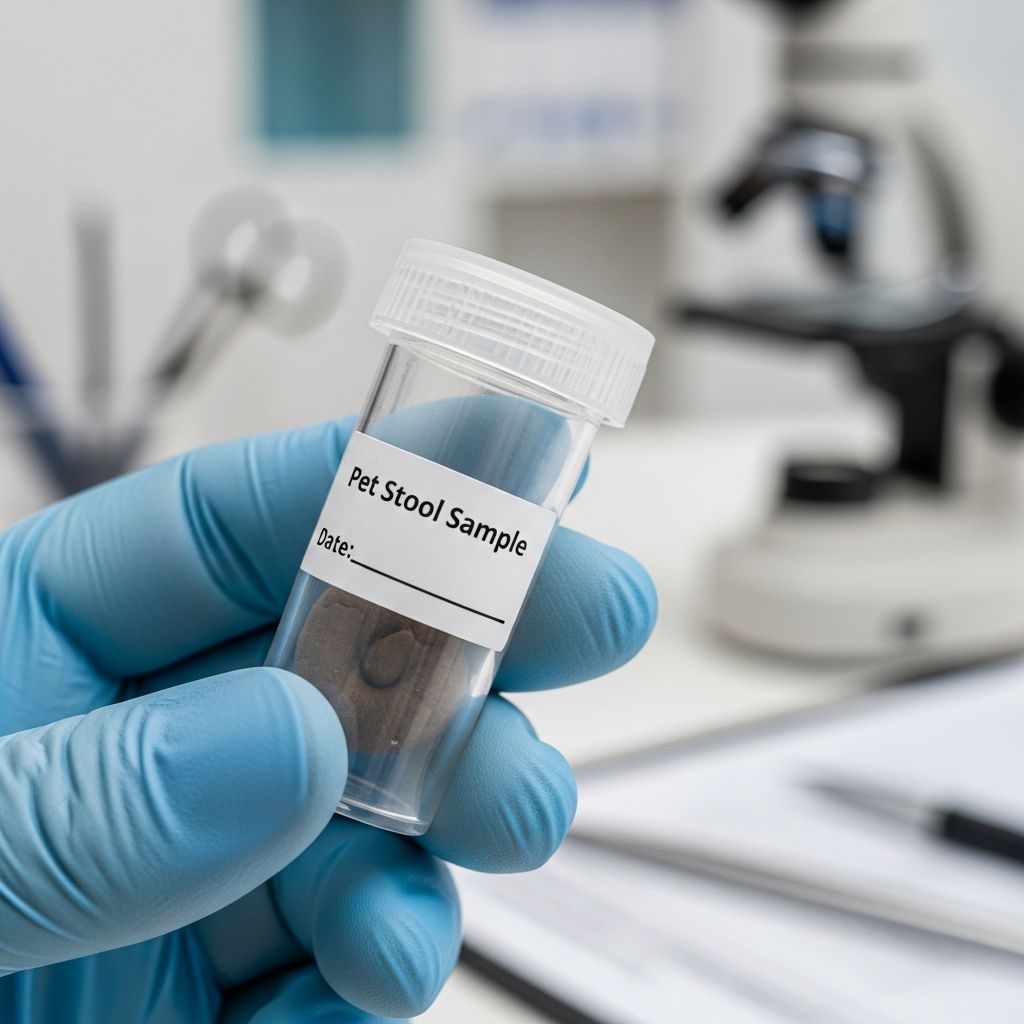
Pet Stool Sample Guide
Collecting a stool sample from your pet might not be the most glamorous task, but it plays a crucial role in maintaining their health. Veterinary professionals rely on these samples to detect parasites, assess digestive issues, and prevent potential zoonotic diseases that could affect humans. This comprehensive guide walks you through every aspect, from understanding the importance to mastering collection techniques and ensuring samples reach the clinic in prime condition.
Understanding the Critical Role of Fecal Testing
Fecal examinations are routine diagnostics in veterinary care, particularly for detecting intestinal parasites like roundworms, hookworms, whipworms, and giardia. These organisms can cause symptoms such as diarrhea, weight loss, vomiting, and lethargy in pets, while some pose risks to humans, especially young children or immunocompromised individuals.
Puppies and kittens require more frequent testing—every 2-3 weeks until 16-20 weeks old—due to their vulnerability to parasites from maternal transmission or environmental exposure. Adult pets should undergo checks every 6 months or after potential exposure. Beyond parasites, stool analysis helps diagnose conditions like inflammatory bowel disease or bacterial infections through chemical tests and microscopic review.
Vets prefer fresh, at-home samples over rectal collections, which provide smaller amounts and stress the animal. Accurate results depend on sample quality: old or dry feces can lead to false negatives as parasite eggs degrade or hatch prematurely.
Timing Your Sample Collection
Freshness is paramount. Aim for samples less than 4-6 hours old for optimal viability, though some clinics accept up to 24 hours if refrigerated. Collect after your pet eats, ideally 1 hour before your vet visit, to encourage defecation during a walk.
- Monitor puppies/kittens closely during playtime or post-meal outings.
- For cats, check litter boxes immediately after use, scooping before they bury waste.
- Avoid contaminated samples mixed with soil, water, litter, or urine, as these interfere with testing.
If immediate delivery isn’t possible, refrigerate (do not freeze) to preserve moisture and prevent bacterial overgrowth or fly larvae contamination. Ship or deliver promptly, ideally arriving Monday or Tuesday for lab processing.
Tools and Supplies for Safe Collection
Gather these essentials beforehand to streamline the process:
| Item | Purpose | Tips |
|---|---|---|
| Disposable gloves | Hygiene protection | Latex or nitrile; use new ones per sample. |
| Poop bags or ziplock bags | Collection container | Turn inside out over hand for easy scooping. |
| Pooper scooper or spoon | Non-contact pickup | Disposable utensils prevent mess. |
| Clean plastic container (e.g., Tupperware) | Alternative storage | Vet-provided pots with scoops are ideal. |
| Labels/marker | Identification | Include pet’s name, date, time. |
| Refrigeration bag | Transport | Keep cool without freezing. |
Step-by-Step Collection Techniques
Follow these methods tailored to dogs and cats for stress-free gathering.
For Dogs
- Take your dog for a walk post-meal; stay vigilant to spot the moment.
- Don gloves; use a scooper or bag-inside-out hand to grab a 1-inch chunk or sugar-cube size (at least 1 gram).
- For diarrhea, collect as much liquid as possible without absorbent materials.
- Seal in a double bag to prevent leaks; label clearly.
For Cats
- Sift litter box promptly after use, avoiding litter contamination.
- Glove up and scoop 1/2 teaspoon to 1 gram using a spoon or bag.
- If no litter access, rectal collection at the vet is an option but less ideal.
- Store in airtight container; refrigerate if delaying.
Pro tip: For multiple pets, collect separately to avoid cross-contamination.
Storage and Transportation Best Practices
Post-collection handling preserves sample integrity:
- Short-term (under 12 hours): Refrigerate at 4°C (fridge, not freezer).
- Longer holds (up to 4 days): Keep cool (50°F ideal); use insulated mailers with ice packs in warm weather.
- Shipping: Double-bag in groups of 25-50, use overnight delivery to labs; avoid weekends.
- Label meticulously: pet ID, collection date/time, owner contact.
Hard, dry samples are unusable for flotation tests where eggs must float in solution. Maggots from outdoor exposure invalidate results too.
How Vets Analyze Your Sample
Once at the clinic, technicians perform:
- Centrifugal flotation: Gold standard; mixes stool in solution, spins to concentrate eggs for microscopy. Needs 1-2g soft feces.
- Sedimentation: Allows heavier parasites to settle.
- Direct smear: Quick for motile organisms but low sensitivity.
- Chemical assays: Detect blood, proteins, or pathogens.
Expect results in hours to days; follow-up treatments like dewormers if positive.
Frequently Asked Questions (FAQs)
What size stool sample does my vet need?
At minimum, 1 gram (half-inch cube or 1/2-1 teaspoon). Larger is better for comprehensive testing.
Can I collect from diarrhea?
Yes, gather as much as possible; avoid soaking into paper. Fresh is key despite challenges.
How long can I store a sample before the vet?
Refrigerate up to 24 hours max; fresher yields better accuracy. Don’t freeze.
What if my pet hasn’t pooped recently?
Wait for natural output; vets can do rectal exams if urgent, though less preferred.
Is a contaminated sample useless?
Often yes—soil/water/litter skews results. Redo if possible.
How often should I test my pet?
Puppies/kittens: every 2-3 weeks until 4-5 months. Adults: 6-12 months or post-exposure.
Preventing Common Collection Pitfalls
Avoid these errors for reliable diagnostics:
- Using old, hard stool—eggs dry out.
- Freezing—damages structure for microscopy.
- Poor sealing—leads to leaks/odors.
- Mixing samples—confuses pet-specific results.
- Delaying delivery—degrades viability.
Practice makes perfect; involve family members for multi-pet homes.
Benefits Beyond Parasite Detection
Stool tests inform broader health:
- Track dewormer efficacy.
- Monitor chronic GI issues.
- Screen for cancer markers in seniors.
- Support wellness exams.
Integrate with heartworm/flea preventives per CAPC guidelines.
References
- Stool Sample Collection — Smiths Station Animal Hospital. Accessed 2026. https://smithsstationah.com/stool-sample-collection
- How to Collect a Stool Sample — Mallard Creek Animal Hospital. 2022-07-22. https://www.mallardcreekvet.com/dr-waldens-blog/how-to-collect-a-stool-sample
- What to Know About Dog Fecal Tests — American Kennel Club. Accessed 2026. https://www.akc.org/expert-advice/health/dog-fecal-tests/
- How to: collect a poo sample from your dog — PDSA. Accessed 2026. https://www.pdsa.org.uk/pet-help-and-advice/pet-health-hub/medications/how-to-collect-a-poo-sample-from-your-dog
- Basic Procedures For Johne’s Herd Testing — Cornell University College of Veterinary Medicine. Accessed 2026. https://www.vet.cornell.edu/animal-health-diagnostic-center/programs/nyschap/modules-documents/basic-procedures-johnes-herd-testing
- Fecal Sample Instructions — Arroyo Veterinary Center. Accessed 2026. https://www.arroyovet.net/blog/fecal-sample-instructions
- Microscopic Fecal Exam Procedures — Companion Animal Parasite Council. Accessed 2026. https://capcvet.org/articles/fecal-exam-procedures/
Similar Articles




Read full bio of medha deb