
Pet Stings: 6 Signs, First Aid, And When To See A Vet
Discover vital steps to manage bee and wasp stings in pets, from home remedies to spotting life-threatening reactions for quick, safe care.
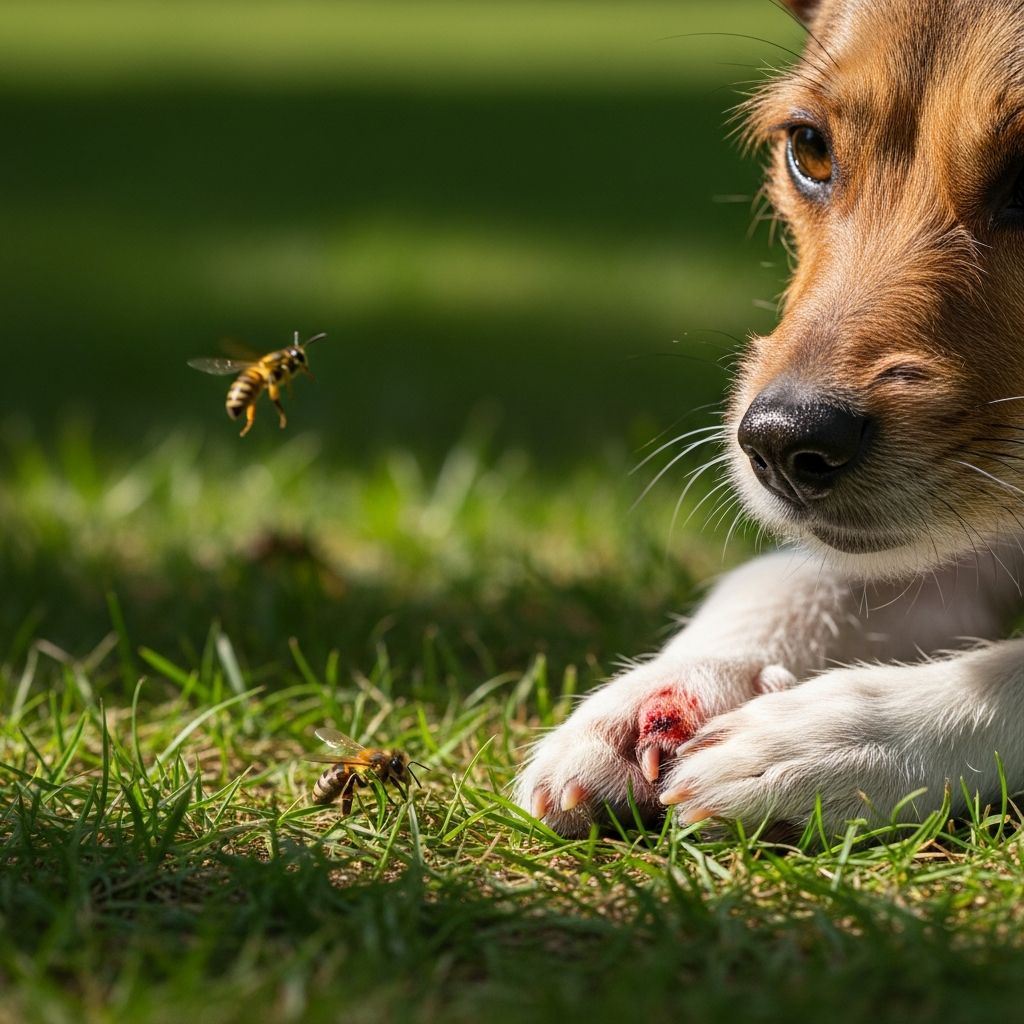
Stings from bees and wasps represent a frequent outdoor hazard for pets, especially dogs and cats exploring gardens or parks. These incidents often result in localized discomfort but can escalate to severe allergic responses requiring immediate intervention. Understanding the distinction between mild irritation and dangerous systemic effects empowers pet owners to act decisively, minimizing risks and promoting rapid healing.
Why Pets Encounter Stinging Insects
Bees and wasps are drawn to sweet scents, flowers, and food remnants, creating prime opportunities for encounters during walks, playtime, or backyard lounging. Dogs, with their inquisitive nature, frequently paw at or snap at these insects, leading to stings on paws, faces, or mouths. Cats, though more elusive, may suffer similar fates while hunting or batting at buzzing prey. Certain breeds with prominent facial structures or thin skin appear more susceptible, heightening vigilance needs in spring and summer months.
Distinguishing Bee from Wasp Stings
Bees deploy a barbed stinger that lodges in the skin, pumping venom until scraped out, whereas wasps possess smooth stingers enabling multiple jabs without detachment. This difference influences treatment: bee stings demand prompt stinger removal to halt venom release, while wasp stings focus on neutralizing alkaline venom with acidic solutions. Both deliver painful venom causing inflammation, but bee reactions often swell more prominently due to prolonged exposure.
Common Manifestations in Pets
Initial signs emerge swiftly post-sting, typically within minutes. Pets exhibit:
- Visible
swelling
at the site, progressing from a small bump to pronounced puffiness. - Intense
itching or pain
, prompting excessive licking, pawing, or rubbing against surfaces. - Audible
whining or yelping
, signaling acute discomfort. - **Limping** if paws are affected, or facial pawing for head stings.
- **Drooling** excessively, particularly with oral stings obstructing normal swallowing.
- Skin
hives
appearing as red, raised welts across the body.
These symptoms generally peak within hours and subside over 24-48 hours in uncomplicated cases.
Critical Indicators of Anaphylaxis
While most stings cause transient issues, anaphylaxis—a rapid, whole-body allergic cascade—poses imminent threats. Onset occurs within 30-60 minutes, occasionally delayed. Watch for:
- **Respiratory distress**: Wheezing, rapid shallow breaths, or throat swelling impeding airflow.
- **Gastrointestinal upset**: Vomiting, diarrhea, or involuntary defecation/urination.
- **Circulatory collapse**: Weakness, pale gums, lethargy, or sudden fainting.
- **Neurological signs**: Seizures, disorientation, or behavioral shifts like hyperactivity followed by depression.
- **Facial edema**: Swollen muzzle, eyes, or tongue, risking airway blockage.
Such reactions demand emergency veterinary attention, as untreated cases can prove fatal within minutes.
High-Risk Sting Locations
Stings inside the mouth, throat, or nose amplify dangers due to confined swelling potential. Oral stings hinder breathing and eating, often necessitating professional airway management. Multiple stings compound venom load, mimicking anaphylaxis even in non-allergic pets.
Immediate Home First Aid Protocols
Swift, calm action curtails venom effects and swelling. Follow these steps:
- Flick out the stinger: For bees only, use a credit card edge, fingernail, or dull knife to scrape parallel to skin—never pinch or tweeze, as this injects more venom.
- Wash thoroughly: Clean with mild soap and water to prevent infection.
- Neutralize venom: Apply a baking soda-water paste (alkaline for bee’s acidic venom) or vinegar (acidic for wasp’s alkaline venom). Let sit 10-15 minutes before rinsing.
- Cool the area: Use an ice pack wrapped in cloth for 10-20 minutes sessions, repeating as needed to constrict vessels and numb pain. Avoid direct ice to prevent frostbite.
- Administer antihistamine: Consult vet for diphenhydramine (Benadryl) dosing—typically 1mg/lb orally every 8 hours—to curb allergic swelling.
- Prevent self-trauma: Employ an Elizabethan collar to deter licking/scratching, fostering healing.
Monitor continuously for 24 hours, noting any symptom progression.
Home Remedies Comparison Table
| Remedy | For Bee Stings | For Wasp Stings | Application Time | Benefits |
|---|---|---|---|---|
| Baking Soda Paste | Yes (acidic venom) | No | 10-15 min | Neutralizes, reduces itch |
| Vinegar Soak | No | Yes (alkaline venom) | 10-15 min | Neutralizes, soothes |
| Cold Compress | Yes | Yes | 10-20 min | Decreases swelling/pain |
| Oatmeal Bath | Yes (multiple sites) | Yes | 10 min | Calms widespread irritation |
Veterinary Interventions Explained
For persistent swelling, pain, or anaphylaxis, professional care is essential. Vets assess via physical exam and history, then:
- Prescribe
antihistamines
andcorticosteroids
to combat inflammation and allergy. - Administer
epinephrine
for acute anaphylaxis, stabilizing cardiovascular function. - Provide
IV fluids
and oxygen support for shock or dehydration. - Insert airway tubes if swelling obstructs breathing.
- Hospitalize for 2-3 days monitoring in severe instances.
Diagnostic tests like bloodwork confirm complications, guiding tailored therapy.
Species-Specific Considerations
Dogs
Dogs’ playful demeanor heightens sting risks, particularly on extremities. Puppies and brachycephalic breeds face elevated anaphylaxis odds due to immature/small airways. Post-sting, softer foods aid oral recovery.
Cats
Cats display subtler signs like hiding or reduced appetite. Their grooming habits risk secondary infections from licking; prioritize cones. Indoor cats encounter fewer incidents but remain vulnerable near screens/windows.
Proactive Prevention Tactics
Minimize exposures through:
- Environmental controls: Eliminate standing water, secure trash, plant stingless flowers.
- Seasonal awareness: Limit dawn/dusk outings when insects peak.
- Training cues: Teach “leave it” for buzzing distractions.
- Protective gear: Booties or muzzle cones for high-risk pets (vet-approved).
- Allergy preparedness: Carry vet-prescribed EpiPens or antihistamines on hikes.
Annual vet checkups screen for sensitivities, enabling preemptive plans.
Long-Term Aftermath and Follow-Up
Most pets rebound fully within days, but repeated stings may sensitize, worsening future reactions. Schedule rechecks for scarred sites or behavioral changes. Nutritional boosts like omega-3s support skin resilience against irritants.
Frequently Asked Questions
Can a single sting kill my pet?
Yes, via anaphylaxis, though rare. Multiple stings or sensitive sites elevate lethality; seek immediate help for distress signs.
Is Benadryl safe without vet approval?
Use cautiously at 1mg/lb doses for dogs; confirm with professionals for cats or medicated pets to avoid interactions.
How long until symptoms fade?
Mild cases: 24-48 hours. Severe: days with treatment. Persistent issues warrant imaging for abscesses.
Do wasps sting more dangerously than bees?
Wasps can sting repeatedly, potentially delivering more venom, but bees cause prolonged exposure if stingers embed.
Should I bathe my pet post-sting?
Yes, oatmeal baths soothe multiples; avoid if stinger unseen, as it may dislodge safely.
References
- Wasp, Bee, and Ant Stings to Animals — Merck Veterinary Manual. 2023. https://www.merckvetmanual.com/toxicology/venomous-arthropods/wasp-bee-and-ant-stings-to-animals
- Bee and Wasp Stings in Dogs — Joii Pet Care. 2024. https://www.joiipetcare.com/blogs/health-conditions/bee-and-wasp-stings-in-dogs
- Treating Bee Stings in Dogs — Animal Behavior College. 2023. https://www.animalbehaviorcollege.com/blog/lifestyle/health/treating-bee-stings-in-dogs/
- What to do if Your Pet is Stung by a Bee, Hornet, or Wasp — Asheville Veterinary Hospital. 2020-03-30. https://www.ahna.net/site/blog-asheville-vet/2020/03/30/pet-stung-bee-hornet-wasp-sting
- First Aid for Insect Stings in Dogs — VCA Animal Hospitals. 2024. https://vcahospitals.com/know-your-pet/first-aid-for-insect-stings-in-dogs
Similar Articles








Read full bio of medha deb


