

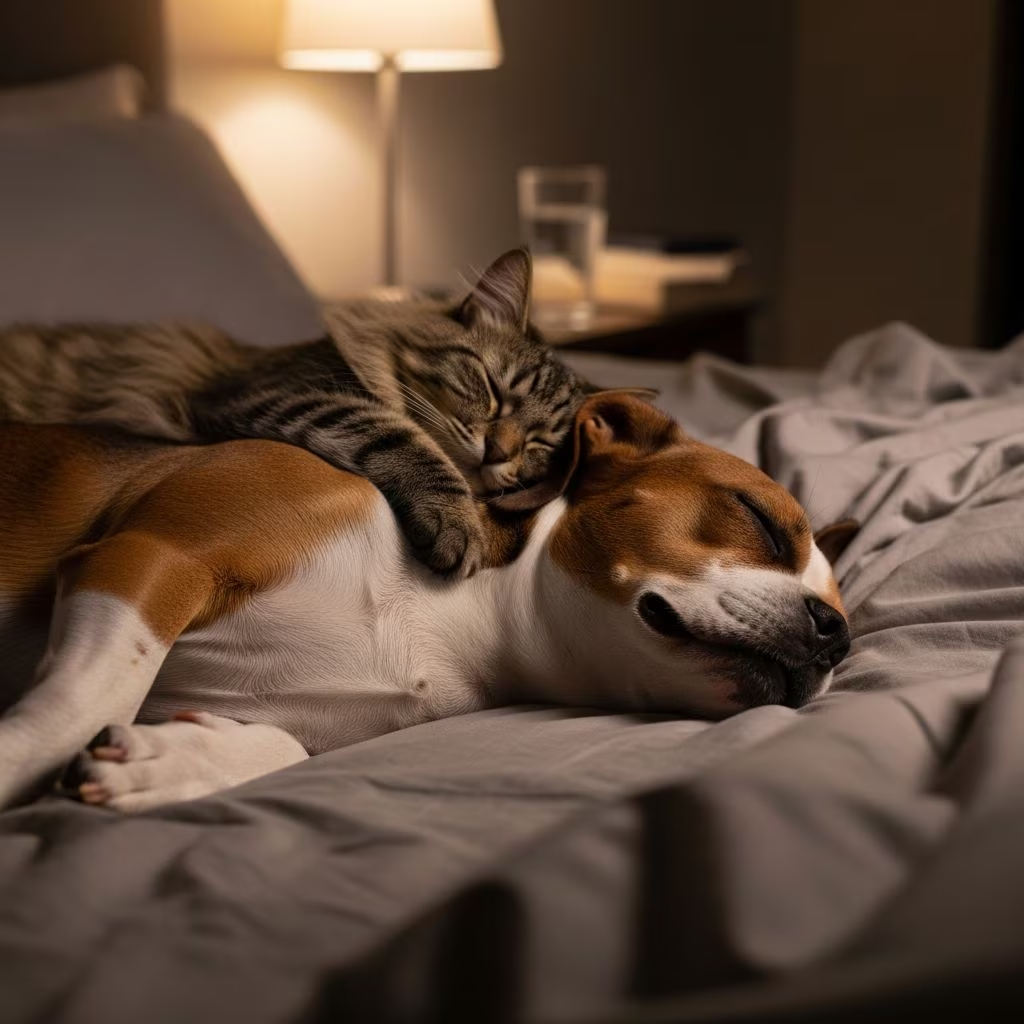
Many pet owners chuckle at the symphony of snores coming from their sleeping dog or cat, but this common noise isn’t always innocent. Snoring occurs when air vibrates relaxed tissues in the upper airways, including the throat, soft palate, and nasal passages. While occasional soft snoring might be normal, especially in certain breeds, persistent or loud snoring often signals underlying problems that restrict airflow. Understanding the difference can help you decide if it’s time to consult a veterinarian.
Understanding the Mechanics of Snoring in Pets
Snoring happens during deep sleep when muscles relax, allowing throat tissues to flap as air moves in and out. In pets, this can involve the larynx, tonsils, tongue, or even specialized structures like laryngeal saccules in dogs and cats. Partial blockages in the nose, pharynx, or throat amplify the sound. Factors like body position, excess tissue from obesity, or anatomical quirks exacerbate it. Unlike humans, where snoring links to sleep apnea, pet snoring more often ties to structural or inflammatory issues.
Why Dogs Snore: Breed-Specific and Lifestyle Factors
Dogs snore for varied reasons, with breed playing a starring role. Short-nosed or brachycephalic breeds—such as Pugs, French Bulldogs, Boxers, and Bulldogs—face heightened risks due to brachycephalic obstructive airway syndrome (BOAS). Their compressed skulls mean crowded airways: elongated soft palates, narrow nostrils, and everted laryngeal saccules obstruct breathing, causing snoring even when awake.
Other canine culprits include:
- Obesity: Extra fat around the neck and throat narrows passages, mimicking human snoring patterns.
- Laryngeal paralysis: Common in large breeds like Labrador Retrievers, this weakens throat muscles, producing honking inhales during exertion.
- Infections and allergies: Upper respiratory bugs or allergens swell nasal tissues, blocking flow.
- Dental issues: Abscessed teeth cause swelling that invades airways.
- Hypothyroidism: Low thyroid levels lead to weight gain and tissue changes, promoting snoring alongside lethargy and coat issues.
Sleep position matters too—back-sleeping lets the tongue flop back, temporarily worsening noise.
Snoring in Cats: Subtler Signs and Hidden Dangers
Cats snore less dramatically than dogs but warrant equal vigilance. Unlike dogs, feline snoring rarely stems from breed alone, though flat-faced Persians and Himalayans may snore due to similar anatomy. Key causes include:
- Nasopharyngeal polyps: Benign growths in young cats extend from ears to throat, causing snoring, nasal discharge, and mouth breathing even awake.
- Upper airway inflammation: Chronic rhinitis from infections or allergies congests passages.
- Obesity and aging: Fat buildup or loosening tissues in seniors increases vibration.
- Foreign objects or tumors: Grass blades, fabric, or rare nasal cancers block airflow.
Cats with nasopharyngeal stenosis—throat narrowing from scars or injury—may snore and exhibit discharge. Distinguish snoring from purring: the latter is a rhythmic laryngeal vibration signaling contentment, not obstruction.
Red Flags: Symptoms That Demand Immediate Vet Attention
Not all snoring requires panic, but watch for escalations. Benign snoring is soft, infrequent, and isolated. Concerning signs include:
- Gasp-like pauses or choking during sleep (possible apnea).
- Exercise intolerance, blue gums, or collapse.
- Coughing, wheezing, sneezing, or bloody discharge.
- Restlessness, mouth breathing, or voice changes.
- Sudden onset in non-brachycephalic pets.
| Symptom | Possible Cause | Urgency |
|---|---|---|
| Loud snoring + fatigue | BOAS or obesity | High |
| Snoring + nasal discharge | Polyps or infection | High |
| Honking inhales | Laryngeal paralysis | Emergency if severe |
| Occasional soft noise | Sleep position | Low |
If your pet shows these, schedule a vet visit promptly—early intervention prevents progression.
Diagnosing the Root Cause: Vet Tools and Tests
Veterinarians start with a physical exam, checking airways, teeth, and weight. Diagnostics escalate based on clues:
- Imaging: X-rays, CT scans reveal tumors, polyps, or stenosis.
- Endoscopy: Visualizes throat for paralysis or saccules.
- Bloodwork: Rules out hypothyroidism or infection.
- Allergy testing: Identifies environmental triggers.
For BOAS, severity scoring guides surgery candidacy. Polyps often need removal under anesthesia.
Treatment Pathways: From Lifestyle Tweaks to Surgery
Tailored plans address specifics:
- Weight loss: Diet and exercise reduce tissue pressure.
- Medications: Antibiotics, steroids for infections/allergies.
- Surgery: BOAS corrections (nostril widening, palate shortening); polyp excision; stents for stenosis; tie-back for paralysis.
- Supportive care: Humidifiers, elevated food bowls, harnesses over collars.
Success rates soar with prompt action—many pets breathe easier post-treatment.
Prevention Strategies for Snore-Free Nights
Proactive steps minimize risks:
- Maintain ideal weight via portion control and play.
- Use hypoallergenic litter/bedding; avoid smoke.
- Select breeders screening for BOAS in brachycephalics.
- Annual vet checks catch issues early.
- Encourage side-sleeping with comfy beds.
FAQs: Common Pet Snoring Questions Answered
Is snoring ever normal in pets?
Yes, in brachycephalic breeds or during deep sleep, but new or worsening snoring needs evaluation.
Can diet alone stop my pet’s snoring?
Often yes for obesity-related cases, but structural issues require more.
How does snoring differ from reverse sneezing?
Reverse sneezing is brief, forceful inhalation spasms; snoring is rhythmic exhale noise.
Should I wake a snoring pet?
Only if they seem distressed—gasping warrants gentle arousal and a vet call.
Do older pets snore more?
Yes, due to tissue laxity, but check for comorbidities.
References
- Why Does My Cat Snore and Should I Worry About It? — Diamond Pet. 2023. https://www.diamondpet.com/blog/health/weight-management/why-my-cat-snores/
- Should I Be Concerned About Snoring in My Dog or Cat? — Animal Medical Center New York. 2023-07-05. https://www.amcny.org/blog/2023/07/05/should-i-be-concerned-about-snoring-in-my-dog-or-cat/
- 8 Common Reasons Why Your Dog is Snoring — Roxyann Veterinary Clinic. N/A. https://www.roxyannvet.com/articles/627492-8-common-reasons-why-your-dog-is-snoring
- Is it Normal That My Dog is Snoring? — Mendocino Animal Hospital. N/A. https://mendocinoanimalhospital.net/blog/dog-snoring/
- Do You Need to See A Vet if Your Cat Is Snoring? — Rover. N/A. https://www.rover.com/blog/cat-snoring/
- Is It Normal? Do Cats Snore? — PetMD. N/A. https://www.petmd.com/cat/general-health/cat-snoring-it-normal



