

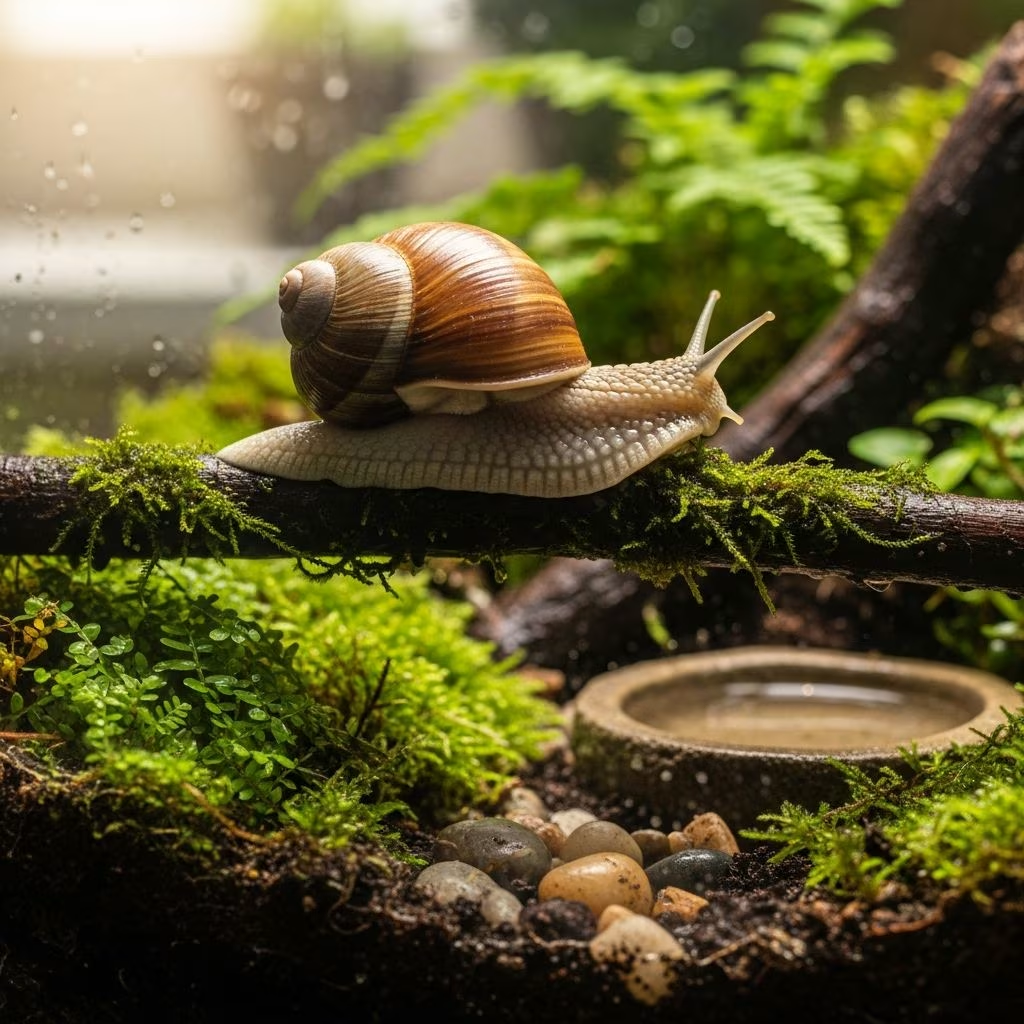
Pet snails offer a unique, low-maintenance companionship option for enthusiasts of all ages. These slow-moving creatures thrive in simple setups that mimic their natural environments, requiring attention to humidity, diet, and cleanliness for optimal health.
Selecting the Right Snail Species
Begin your snail-keeping journey by choosing a suitable species. Common pet varieties include garden snails and mystery snails, which adapt well to home enclosures. Opt for captive-bred individuals from reputable sources to avoid introducing pests or diseases. Healthy snails display active movement, intact shells without cracks, and responsive antennae.
- Garden snails: Hardy and easy to source locally.
- Mystery snails: Colorful, aquatic-friendly options.
- African land snails: Larger but require more space.
Consider your experience level; beginners should start with smaller, forgiving species.
Building an Ideal Enclosure
A proper habitat is foundational to snail well-being. Use a secure glass or plastic tank with a tight-fitting lid to prevent escapes and retain moisture. Minimum size is 10 gallons for one to two snails, allowing ample room for exploration.
Substrate depth should reach 3-5 inches to enable burrowing and hiding. Coconut coir or baked garden soil works best, providing a moist, naturalistic base. Avoid sand, which can cling to shells and cause irritation.
| Enclosure Feature | Recommendation | Reason |
|---|---|---|
| Tank Size | 10+ gallons | Space for movement |
| Lid Type | Secure mesh or plastic | Prevents escapes, controls humidity |
| Substrate | Coconut coir, 3-5 inches | Retains moisture, supports burrowing |
| Decor | Cork bark, leaves | Hiding spots reduce stress |
Incorporate hiding spots like cork bark, leaf litter, or half-pots. Live plants such as pothos or ferns enhance aesthetics and air quality, but choose non-toxic varieties.
Mastering Humidity and Temperature Control
Snails demand high humidity levels above 60-80% to prevent desiccation. Install a hygrometer for monitoring. Mist the enclosure every 1-2 days with dechlorinated water using a fine spray bottle. Room temperature of 65-75°F (18-24°C) suits most species; no heat lamps needed unless ambient conditions drop lower.
Avoid direct sunlight, which can overheat the tank. Provide a day-night cycle with 12 hours of indirect light. If humidity dips, increase misting frequency; excess moisture risks mold, so balance is key.
- Mist daily for active species.
- Check hygrometer twice weekly.
- Use dechlorinators like ReptiSafe for tap water.
Nutrition Essentials for Vibrant Shells and Health
A varied plant-based diet fuels snail vitality. Offer fresh greens like romaine lettuce, dandelion leaves, and cucumber slices daily. Supplement with occasional fruits such as melon or apple, limiting to avoid digestive upset.
Calcium is crucial for shell growth; provide cuttlebone, crushed eggshells, or sepia blocks accessible at all times. Feed small portions—a teaspoon per snail—and remove uneaten food within 24 hours to curb mold.
| Food Type | Examples | Frequency |
|---|---|---|
| Vegetables | Lettuce, zucchini, carrots | Daily |
| Fruits | Apple, banana (small pieces) | 1-2 times/week |
| Calcium | Cuttlebone, eggshells | Always available |
Avoid spinach (high oxalates), citrus, and salty/processed foods. Hydration comes from moist food and misting; shallow dishes risk drowning.
Cleaning Routines for a Healthy Environment
Regular upkeep prevents bacterial growth and maintains air quality. Spot-clean daily: remove waste, uneaten food, and slime trails. Wipe enclosure walls weekly with dechlorinated water.
Perform full substrate changes monthly, or bi-weekly if no cleanup crew like springtails or isopods. Transfer snails temporarily, rinse decor with hot water (no soap), and refresh substrate.
- Relocate snails safely.
- Discard old substrate.
- Wash tank and items.
- Reassemble with new materials.
Introduce springtails to break down waste naturally, reducing cleaning frequency.
Handling and Social Considerations
Snails tolerate gentle handling but prefer minimal disturbance. Wash hands thoroughly, avoiding lotions or chemicals. Support the shell base to prevent drops. Limit sessions to 10-15 minutes.
Most species are solitary but coexist peacefully in groups if space allows. Watch for aggression signs like shell biting, rare in proper setups.
Health Monitoring and Common Issues
Observe for lethargy, shell damage, or excessive mucus as illness indicators. Prevent dehydration by consistent misting. Parasites are uncommon in clean habitats but isolate new snails for quarantine.
Shell rot from poor calcium or injury requires vet consultation. Promote health through diet variety and stable conditions.
Reproduction and Egg Management
Snails may lay eggs in clutches of 20-100 after mating. Remove if population control desired; otherwise, incubate in moist substrate at 70°F for 2-4 weeks hatching. Hatchlings need fine food and shallow substrate.
FAQ
Can pet snails live with fish?
Mystery snails suit aquariums with peaceful fish, but monitor for nipping. Land snails require terrestrial setups.
How long do pet snails live?
With proper care, 2-5 years or more, depending on species.
What if my snail retracts fully?
Normal during daylight or stress; ensure humidity and hides.
Are snails nocturnal?
Yes, most active at night; respect their cycle.
Do snails need light?
Indirect ambient light suffices; avoid full spectrum.
Advanced Tips for Enthusiasts
Experiment with bioactive setups using isopods and springtails for self-sustaining ecosystems. Track growth with photos monthly. Join online communities for species-specific advice.
Seasonal adjustments: Increase misting in dry winters. Quarantine new additions 30 days.
References
- Snail Care Sheet — Shiinymoth. 2018-10-05. https://shiinymoth.wordpress.com/2018/10/05/snails-as-pets/
- How to Care for Pet Snails! — YouTube (SerpaDesign). Approx. 2020. https://www.youtube.com/watch?v=76Qv-J8w488
- How to Make a Snail Habitat: Simple Guide — Sustainable Business Magazine. Recent access 2026. https://sustainablebusinessmagazine.net/nature-conservation/how-to-make-a-snail-habitat-simple-guide-to-build-up/
- Keeping Pet Snails: Everything you need to know about snail care! — Mother Natured. Recent access 2026. https://mothernatured.com/pet-ideas-for-kids/keeping-garden-snails-as-pets/



