

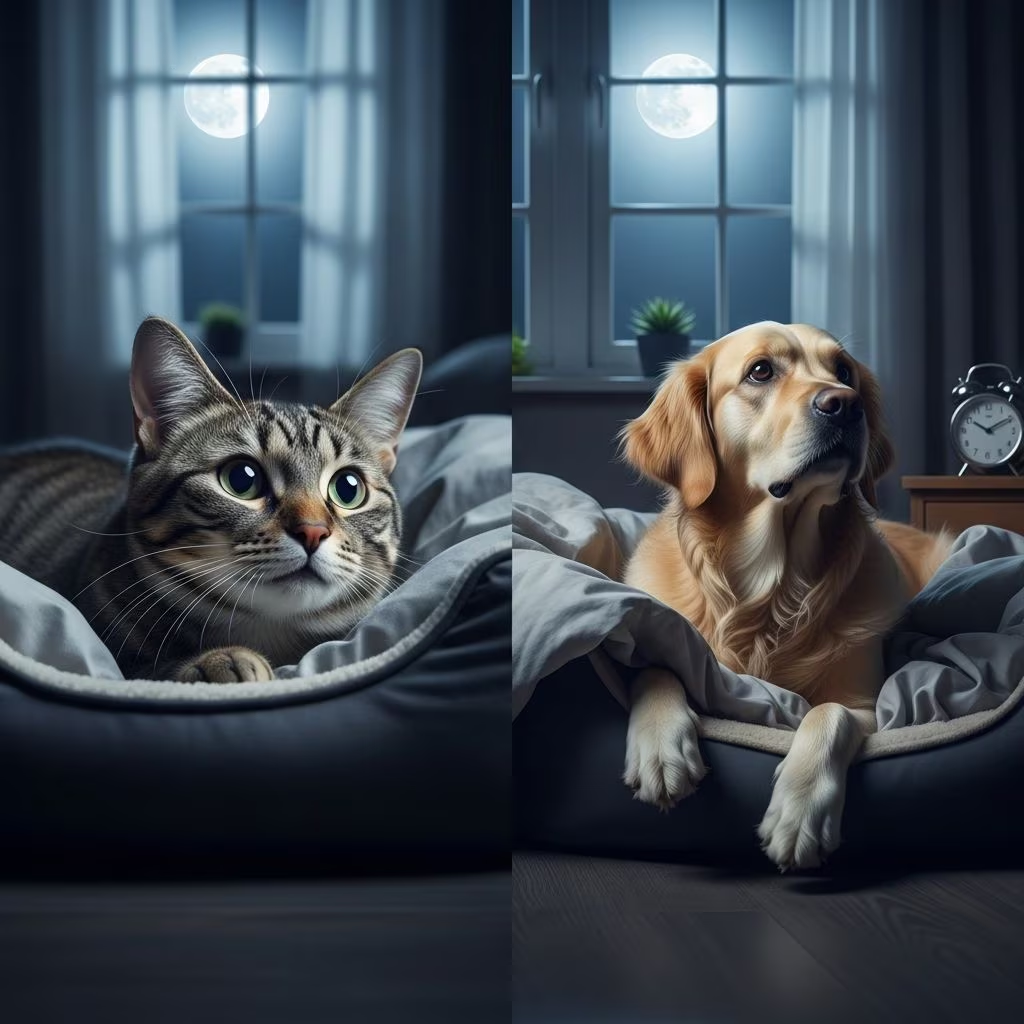
Just as humans experience sleep difficulties, our feline and canine companions can struggle with inadequate rest. Sleep disruption in pets is a common concern that veterinarians encounter regularly, and understanding the underlying causes is essential for pet owners seeking to improve their animals’ quality of life. When pets fail to get sufficient restorative sleep, the consequences can affect their health, behavior, and overall well-being. The good news is that many sleep-related issues in pets are identifiable and manageable with the right approach.
Recognizing Signs of Sleep Problems in Your Pet
Identifying whether your pet has a genuine sleep disorder requires knowing what to look for. Different species display distinct behavioral patterns when experiencing sleep difficulties, and recognizing these patterns early allows for prompt intervention.
Behavioral Indicators in Dogs
Dogs experiencing sleep disturbances typically exhibit noticeable changes in their nighttime behavior. Your dog may pace around the house repeatedly, whine or bark at odd hours, or appear confused during the evening and night. Some dogs attempt to wake their owners repeatedly throughout the night or seem unable to settle into a comfortable position for rest. During daytime hours, these same dogs often display excessive tiredness, moving sluggishly or sleeping more than usual to compensate for lost nighttime rest.
Behavioral Indicators in Cats
Cats mask their discomfort differently than dogs, which can make sleep issues harder to detect. The most obvious sign is increased nighttime activity or loud vocalizations, particularly yowling during hours when cats should be resting. You might notice your cat appearing restless, unable to find a comfortable spot, or being overly sleepy during daylight hours when cats naturally prefer napping. Some cats may show changes in their normal nocturnal patterns or difficulty maintaining consistent sleep-wake cycles.
Medical Conditions Triggering Sleep Disturbances
Sleep problems in pets frequently stem from underlying health issues that require veterinary attention. Understanding these medical contributors helps distinguish between behavioral issues and conditions requiring professional treatment.
Chronic Health Conditions
Cats and dogs can develop various medical conditions that directly interfere with sleep quality. Hyperthyroidism, a common condition in aging cats, accelerates metabolism and creates physical restlessness. Elevated blood pressure and kidney disease similarly disrupt the ability to achieve restorative sleep. Neurological issues can cause erratic sleep patterns, and cognitive dysfunction—essentially dementia in older dogs—frequently presents as nighttime restlessness and confusion.
Heart conditions and brain tumors represent more serious medical causes that should be ruled out during veterinary evaluation. These conditions create physical discomfort or neurological changes that prevent proper sleep initiation and maintenance.
Pain and Discomfort
Arthritis stands as one of the most common pain-related causes of sleep disruption in aging pets. Unlike dogs, whose arthritis-related discomfort becomes obvious during walks and play, cats often hide their pain effectively, making arthritis-related insomnia harder to recognize. Dental problems, ear infections, and other sources of acute or chronic pain make it impossible for pets to relax into sleep. Any condition causing physical discomfort will naturally lead to restlessness and fragmented sleep patterns.
Physical Irritation and Allergies
Excessive itching from allergies prevents pets from achieving comfortable sleep positions. Fleas, skin conditions, and environmental allergies create persistent discomfort that makes settling down nearly impossible. Additionally, bladder control issues that cause frequent nighttime bathroom trips disrupt sleep continuity significantly.
Neurological Sleep Disorders
Some pets inherit genetic conditions affecting sleep-wake regulation. Narcolepsy, though rare, causes pets to fall asleep suddenly throughout the day, particularly during excitement. Dogs with narcolepsy may gradually lose muscle tone, sway, and droop their eyelids during unexpected daytime sleep episodes. Sleep apnea, more common in breeds with shortened snouts like Bulldogs and Persian cats, interrupts breathing during sleep, causing poor sleep quality and excessive daytime drowsiness[10].
Environmental and Behavioral Factors
Beyond medical issues, environmental changes and behavioral factors significantly influence pet sleep patterns. These factors often represent the most manageable causes of sleep disruption.
Routine Disruptions and Lifestyle Changes
Pets thrive on consistency, and alterations to their established routines trigger sleep problems. Changes in feeding schedules, altered potty break times, and modified walk schedules confuse pets’ internal clocks. Seasonal transitions and daylight saving time adjustments can disorient dogs as they struggle to adapt to shifting day-night cycles. Even moving to a new home or rearranging familiar spaces creates enough stress to disrupt sleep patterns temporarily.
Stress and Anxiety Responses
Separation anxiety represents a significant cause of nighttime restlessness in dogs. Fears triggered by loud noises—thunderstorms, fireworks, construction sounds—generate anxiety that prevents relaxation. For cats, even minor environmental stressors like visitors, new pets in the home, or unfamiliar sounds cause disproportionate stress and subsequent sleep disruption. Cats are particularly sensitive to environmental changes and require less disruption than dogs to become anxious.
Age-Related Sleep Changes
Aging naturally brings changes to sleep patterns in both species. Senior cats often experience altered hearing and vision, which can trigger sleep behavior changes including reversed day-night cycles. Older dogs may develop cognitive dysfunction affecting their ability to recognize familiar sleep cues or maintain consistent sleep schedules.
Breed-Specific Predispositions
Certain breeds carry genetic predispositions to sleep disorders. Brachycephalic breeds—those with shortened snouts—face higher risks of sleep apnea due to their physical structure[10]. Some dog breeds show greater susceptibility to narcolepsy, and individual genetic factors influence overall sleep quality across many breeds.
Practical Solutions for Improving Pet Sleep
Once underlying medical conditions have been ruled out or addressed, several approaches can help restore healthy sleep patterns in your pet.
Establishing Consistent Sleep Routines
Creating a predictable schedule helps pets’ bodies anticipate and prepare for rest. Maintaining consistent bedtimes, wake times, feeding schedules, and potty break times signals to your pet’s body when rest should occur. This consistency allows internal biological clocks to regulate properly, making sleep onset easier and more natural.
Optimizing Physical Exercise
A well-exercised pet is a tired pet more inclined toward restful sleep. For dogs, evening walks, running, or games of fetch burn excess energy that might otherwise manifest as nighttime restlessness. For cats, physical stimulation during daytime hours—particularly in afternoon sessions—increases the likelihood of extended evening rest. The key involves matching exercise intensity and timing to your individual pet’s needs and age.
Mental Enrichment During Daytime
Mental stimulation proves equally important as physical exercise. Interactive toys filled with treats, puzzle feeders, and games that engage your pet’s problem-solving abilities tire their minds alongside their bodies. For cats, varied toys, cat trees with multiple levels, and window perches for bird watching provide necessary cognitive engagement. Mental exhaustion helps ensure your pet experiences genuine fatigue conducive to quality sleep.
Creating an Ideal Sleep Environment
The physical sleeping space dramatically influences sleep quality. Provide a comfortable, enclosed bed that creates a den-like atmosphere—most pets prefer cozy, enclosed spaces over open sleeping areas. Ensure the sleep area remains quiet and free from bright lights or distractions. Temperature control matters as well, since pets sleep better in comfortable, moderate temperatures. Removing sources of disruptive noise helps prevent startled awakenings.
Pre-Sleep Calming Techniques
Gentle physical contact before bedtime helps relax pets and prepare them for sleep. Massage, brushing, or light stroking creates a calming effect that eases the transition to rest. Some pet owners find success with synthetic pheromone diffusers designed to mimic natural calming compounds. Aromatherapy using pet-safe essential oils such as lavender, valerian, or Roman chamomile may create a relaxing atmosphere.
Strategic Meal Timing
Cats demonstrate a natural tendency toward extended rest following hearty meals. Strategic use of timed feeding bowls or carefully planned meal schedules that coincide with your desired sleep times can leverage this natural response. However, avoid feeding immediately before bedtime, as digestion processes can cause discomfort.
Supplements and Medical Interventions
After medical issues have been ruled out, your veterinarian may recommend calming supplements containing melatonin or other natural sleep aids. However, never administer any supplements or medications to your pet without explicit veterinary approval, as some compounds may be harmful to animals despite being safe for humans. Your veterinarian can prescribe appropriate medications to address anxiety or pain contributing to sleep disruption.
When to Seek Veterinary Care
Sleep disruption that appears suddenly in a previously good sleeper warrants veterinary evaluation. New-onset insomnia often signals an underlying medical problem requiring professional diagnosis. Similarly, persistent sleep problems despite implementing environmental modifications and routine adjustments need professional assessment. Your veterinarian can perform a thorough examination to identify or rule out medical causes, then recommend targeted treatment or refer you to a veterinary behavioral specialist if appropriate.
Key Differences Between Cats and Dogs
While both species can experience sleep problems, important differences affect recognition and treatment approaches:
| Aspect | Dogs | Cats |
|---|---|---|
| Visibility of issues | Usually obvious through nighttime vocalizations and pacing | Often subtle; requires careful observation of behavior changes |
| Stress sensitivity | More resilient; require significant disruption to become anxious | Highly sensitive; minor changes trigger stress responses |
| Natural sleep pattern | Primarily nocturnal; prefer nighttime rest | Naturally polyphasic; active at night and day with irregular rest periods |
| Exercise needs | Require active outdoor exercise and play | Need interactive play and environmental enrichment; less dependent on outdoor activity |
| Pain recognition | Behavioral changes during exercise obvious | Skillfully hide pain; changes appear as altered sleep only |
Frequently Asked Questions
What’s the difference between normal pet sleep and insomnia?
Normal pet sleep involves predictable rest patterns with your pet appearing refreshed afterward. Insomnia manifests as persistent inability to achieve restful sleep, with your pet appearing tired, anxious, or confused during daytime hours despite opportunities for nighttime rest.
Can young pets develop sleep problems?
Yes, while sleep issues are more common in aging pets, younger animals with anxiety, allergies, or certain health conditions can experience insomnia. Younger dogs with generalized anxiety or flea allergies may struggle with sleep despite their age.
How much sleep do healthy cats and dogs need?
Dogs typically need 12-14 hours of sleep daily, while cats often sleep 12-16 hours per day. However, individual needs vary based on age, activity level, and health status.
Is it safe to give my pet melatonin?
Melatonin exposure can cause vomiting, sedation, loss of coordination, and rarely, agitation in pets. Never give melatonin or any supplement to your pet without veterinary guidance, as your vet must determine appropriate dosing and ensure it’s suitable for your pet’s specific situation.
How long does it take for sleep problems to improve?
Timeline varies depending on the underlying cause. Medical issues require treatment first; behavioral adjustments may take several weeks as your pet adapts to new routines and environments. Consistency is essential for progress.
Should I be concerned about my older pet’s changing sleep patterns?
Some change is normal with aging, but significant disruption warrants veterinary evaluation to rule out cognitive dysfunction, medical conditions, or pain. Professional assessment helps determine whether changes represent normal aging or treatable problems.
References
- Can Dogs and Cats Have Insomnia? — Saatva. 2023-11-14. https://www.saatva.com/blog/dog-cat-insomnia/
- What Causes Cat and Dog Insomnia — Hill’s Pet Nutrition. https://www.hillspet.co.id/pet-care/behavior-appearance/what-causes-cat-and-dog-insomnia
- Does Your Dog Have a Sleep Disorder? — HAH Pets. https://www.hahpets.com/articles/686449-does-your-dog-have-a-sleep-disorder
- 4 Most Common Sleep Disorders in Dogs — PetMD. https://www.petmd.com/dog/general-health/most-common-sleep-disorders-dogs
- Does Your Dog Have Trouble Sleeping? Treat Canine Insomnia Naturally — Wag Walking. https://wagwalking.com/wellness/does-your-dog-have-trouble-sleeping-treat-canine-insomnia-naturally
- Sleep disorders: differential diagnoses and treatment — Vet Times. https://www.vettimes.com/news/vets/small-animal-vets/sleep-disorders-differential-diagnoses-and-treatment
- The Most Common Sleep Aid Toxicities in Cats and Dogs — ASPCApro. https://www.aspcapro.org/resource/most-common-sleep-aid-toxicities-cats-and-dogs



