
Pet Skin Lumps: Detection and Care Guide
Discover how to spot, diagnose, and treat common skin lumps on dogs and cats for better pet health outcomes.
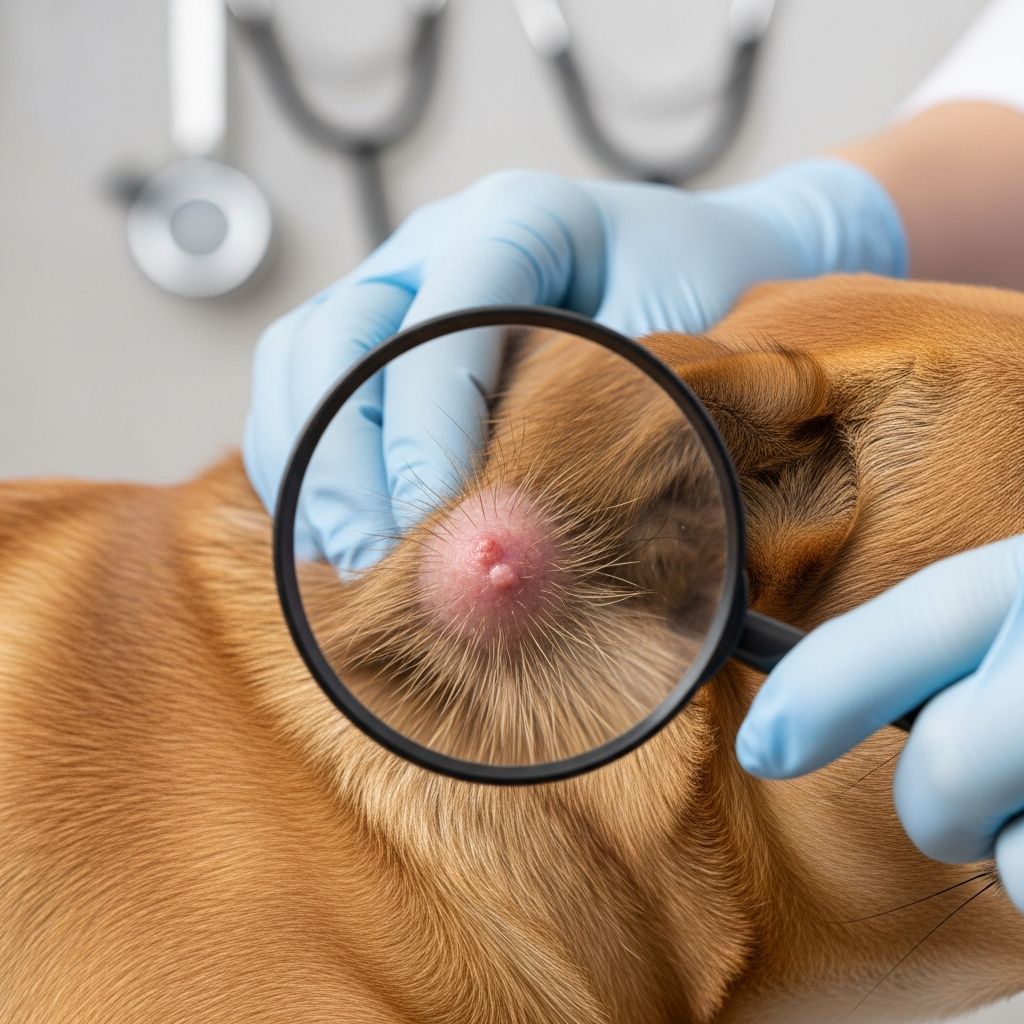
Skin lumps and bumps are among the most frequently noticed abnormalities in dogs and cats, often prompting concern among pet owners. These growths can range from harmless fatty deposits to serious cancerous tumors, making prompt evaluation essential for your pet’s well-being. Understanding the nature of these masses through regular checks and veterinary diagnostics can significantly improve outcomes.
Why Pets Develop Skin Growths
Skin masses arise from various causes, including aging, genetics, environmental factors, and chronic irritation. As pets grow older, their likelihood of developing both benign and malignant growths increases due to cumulative cellular changes.14 Breeds like Boxers and Golden Retrievers show higher predispositions to certain tumors, highlighting genetic influences.1 Sun exposure poses a risk particularly for light-pigmented pets, potentially leading to carcinomas from UV damage.12
Non-cancerous causes include infections, cysts, or inflammatory responses, which may mimic tumors visually. Distinguishing these requires professional assessment to avoid unnecessary worry or delays in care.
Benign vs. Malignant: Key Differences
Not all lumps signal danger; many are benign and pose no threat. Common benign types include:
- Lipomas: Soft, fatty tumors that move freely under the skin, prevalent in older dogs.
- Sebaceous adenomas: Small, wart-like growths from oil glands, frequent in dogs.
- Cysts: Fluid-filled sacs from blocked glands, often resolving without intervention.
Malignant masses, conversely, demand urgent attention. Warning signs include rapid enlargement, ulceration, firmness, fixation to underlying tissues, or associated pain/behavioral shifts like excessive licking.1 These features suggest potential spread, necessitating immediate veterinary review.
| Feature | Benign Masses | Malignant Masses |
|---|---|---|
| Growth Speed | Slow or stable | Rapid |
| Texture | Soft, movable | Firm, fixed |
| Surface | Smooth, intact | Ulcerated, bleeding |
| Pet Reaction | None | Pain, itching, licking |
Common Cancerous Skin Tumors in Pets
Several tumor types dominate veterinary oncology for skin issues. Mast cell tumors (MCTs) top the list in dogs, forming raised, red, itchy lumps from immune cells gone awry; they occur less aggressively in cats.25 These can fluctuate in size and require grading for prognosis.
Melanomas appear as dark masses, varying from benign to invasive, especially in mouthed areas. Squamous cell carcinomas, linked to sun, affect light-skinned pets on nose, ears, or abdomen, presenting as scaly, non-healing sores.19 Hemangiosarcomas start dermal but may metastasize internally, underscoring early intervention.2
In cats, basal cell tumors and fibrosarcomas join the common list, with squamous cell carcinoma notable at around 15% of skin tumors.79
Diagnostic Approaches for Skin Masses
Veterinarians employ systematic diagnostics to classify masses accurately. Fine needle aspiration (FNA) stands as the first-line tool, extracting cells for cytology to differentiate inflammation, benign growths, or malignancy without surgery.34 This quick, minimally invasive method guides whether monitoring or excision suffices.
If FNA proves inconclusive, biopsy provides definitive histology. Imaging like ultrasound or X-rays assesses deeper invasion or metastasis, particularly for subcutaneous lumps.1 Guidelines recommend aspirating all masses over 1 cm present longer than one month, regardless of appearance changes.3
- Initial Exam: Visual and palpation assessment.
- Cytology via FNA: Cell analysis for type and grade.
- Biopsy if Needed: Tissue sampling for confirmation.
- Staging Imaging: Checks for spread in suspicious cases.
Treatment Strategies Tailored to Findings
Treatment hinges on diagnosis, mass characteristics, and pet health. Benign, asymptomatic lumps may warrant watchful waiting with periodic measurements.1 Anti-inflammatories can shrink inflammatory masses.
Surgical removal proves curative for many localized tumors, emphasizing wide margins for malignancies to prevent recurrence.34 For MCTs caught early, excision often suffices; advanced cases may need chemotherapy or radiation.25
Non-surgical options include medications for inflammation control or targeted therapies for specific cancers. Post-operative care involves pain management and monitoring for complications.
Home Monitoring: Your Role in Early Detection
Pet owners serve as the frontline in skin health vigilance. Weekly full-body checks during grooming or petting help spot newcomers or alterations.
- Feel for new or changed lumps in size, shape, or texture.
- Document with photos, measurements, and notes on color or firmness.
- Observe for itching, bleeding, or discomfort indicators like limping or aggression near the site.
Report changes promptly; early action enhances success rates dramatically.
Prevention Tips for Healthier Skin
While not all masses are avoidable, risk reduction strategies exist. Provide balanced nutrition bolstering immunity and skin integrity.1 Apply pet-safe sunscreen (fragrance-free, baby-formulated) to UV-exposed areas on light-coated pets.2
Schedule biannual veterinary wellness exams for professional skin surveys. Minimize chronic irritants like allergies or hotspots through flea control and hypoallergenic environments.
When to Seek Emergency Care
Not every lump requires rushing to the ER, but certain red flags do: sudden rapid growth, open wounds refusing to heal, profuse bleeding, or systemic signs like lethargy, appetite loss, or swelling elsewhere. These suggest aggressive disease meriting immediate attention.1
FAQs on Pet Skin Lumps
Should I remove every lump I find on my dog?
No, diagnostics first. Many benign lumps need no intervention; surgery risks outweigh benefits without confirmation.34
Are skin lumps more common in certain breeds?
Yes, breeds like Boxers, Retrievers, and short-nosed dogs face elevated risks for MCTs and others due to genetics.15
Can cats get the same skin tumors as dogs?
Some overlap like MCTs and squamous cell carcinomas, but cats more often see basal cell tumors and fibrosarcomas.7
How accurate is fine needle aspiration?
Highly effective for exfoliative masses like lipomas or MCTs, providing preliminary diagnosis in most cases.3
Is sun protection necessary for indoor pets?
For light-skinned or thinly coated pets near sunny windows, yes, to prevent UV-induced cancers.2
Empowering yourself with knowledge about pet skin lumps fosters proactive care. Regular vigilance combined with veterinary expertise ensures most growths are managed effectively, preserving your companion’s quality of life.
References
- Lumps and Bumps on Your Pet: Understanding Skin Masses and Treatment Options — Star of Texas Veterinary Hospital. 2023. https://staroftexasvet.com/lumps-and-bumps-on-your-pet-understanding-skin-masses-and-treatment-options/
- Common Skin Cancers in Dogs: What Pet Owners Should Know — Tufts University Cummings School of Veterinary Medicine. 2023. https://vet.tufts.edu/news-events/news/common-skin-cancers-dogs-what-pet-owners-should-know
- Veterinary Oncology: What to Do With Lumps and Bumps on Dogs and Cats — Today’s Veterinary Practice. 2016. https://todaysveterinarypractice.com/oncology/tumor-detection-dogs-cats/
- Overview of Tumors of the Skin and Soft Tissues in Animals — Merck Veterinary Manual. 2023. https://www.merckvetmanual.com/integumentary-system/tumors-of-the-skin-and-soft-tissues/overview-of-tumors-of-the-skin-and-soft-tissues-in-animals
- Canine Mast Cell Tumors — Michigan State University College of Veterinary Medicine. 2023. https://cvm.msu.edu/vdl/client-education/guides-for-pet-owners/canine-mast-cell-tumors
Similar Articles








Read full bio of Sneha Tete


