

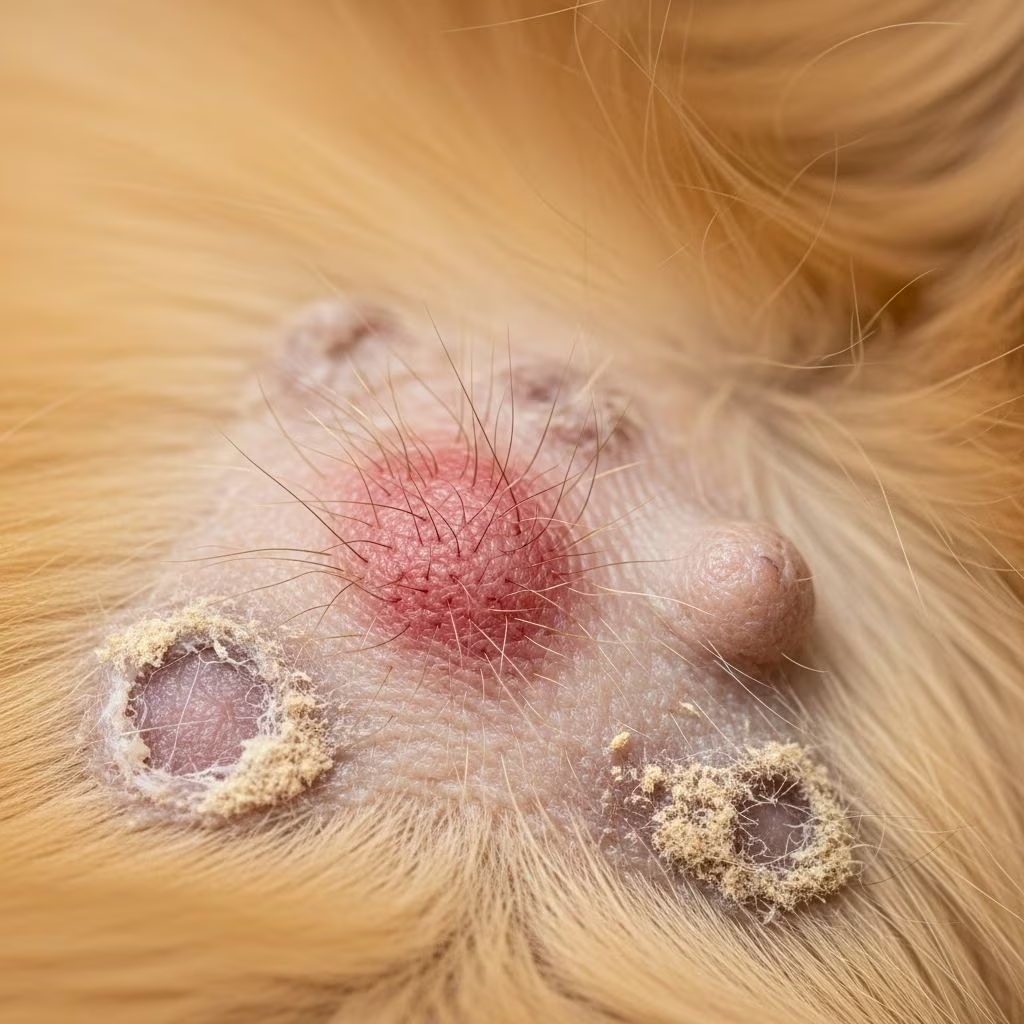
Skin health represents one of the most visible indicators of overall wellness in companion animals. When pets develop dermatological problems, they often experience significant discomfort and may exhibit behavioral changes that alarm pet owners. The appearance of lesions, excessive scratching, hair loss, or inflamed areas on a pet’s body warrants prompt attention and professional evaluation. Understanding the various conditions that can affect your pet’s skin, recognizing early warning signs, and knowing when to seek veterinary care are essential components of responsible pet ownership.
Recognizing the Warning Signs of Skin Distress
Pets communicate their physical discomfort through distinct behavioral and physical manifestations. When a dog or cat begins to show signs of skin irritation, the symptoms often become progressively more noticeable if left unaddressed. Recognizing these early indicators allows for faster diagnosis and intervention before secondary complications develop.
Observable signs of skin problems include:
- Persistent scratching, biting, or licking of specific body areas
- Noticeable hair loss or bald patches of varying sizes
- Red, inflamed, or raised areas on the skin surface
- Flaking, scaling, or dry patches resembling dandruff
- Unpleasant odors emanating from the skin or coat
- Visible sores, scabs, or crusty formations
- Behavioral changes such as restlessness or anxiety
- Excessive grooming sessions that seem compulsive in nature
These symptoms may appear suddenly or develop gradually over weeks or months, depending on the underlying cause. The location of symptoms can also provide important diagnostic clues. For example, parasitic infestations often concentrate around the tail base and hind legs, while allergic reactions may present differently depending on whether the trigger is environmental or food-related.
Allergic Reactions: The Most Prevalent Skin Concern
Allergic dermatitis represents one of the most common reasons pet owners seek veterinary care for skin issues. Both dogs and cats can develop allergies that manifest primarily through the integumentary system, creating inflammation, irritation, and intense discomfort.
Environmental Allergen Sensitivity
Pets living in homes and outdoor environments encounter numerous potential allergens daily. Pollen, dust mites, mold spores, and various environmental particles can trigger hypersensitivity reactions in genetically predisposed animals. Environmental allergies may appear seasonally when certain plants are releasing pollen, or they may persist year-round depending on household conditions.
Dogs with environmental sensitivities often display their allergic reactions through the skin rather than through respiratory symptoms, which distinguishes them from allergic responses commonly seen in humans. Affected dogs may chew their paws raw, rub their faces against furniture and carpets repeatedly, or develop chronic ear infections that prove resistant to standard treatments. Cats experiencing environmental allergies typically respond by over-grooming specific body regions, leading to bald patches, skin inflammation, and sometimes self-inflicted wounds from excessive licking.
Food-Related Allergic Responses
Food allergies in companion animals differ from environmental sensitivities in that they can develop at any point in a pet’s life, even after years of consuming the same diet without incident. Certain protein sources and ingredients trigger heightened immune responses in susceptible animals. Common culprits include beef, chicken, dairy products, wheat, and corn.
The symptoms associated with food allergies may be indistinguishable from those caused by environmental triggers, though food allergies sometimes produce additional gastrointestinal manifestations such as vomiting, diarrhea, or chronic loose stools. Identifying the specific ingredient responsible requires systematic elimination diets conducted under veterinary supervision, a process that can take several weeks to months to complete accurately.
Parasitic Infestations and Mite-Related Conditions
Parasitic organisms represent a significant source of skin pathology in both dogs and cats. These creatures damage the skin barrier through their feeding activities, movement through tissues, or secretion of irritating substances, prompting intense inflammatory responses.
Flea-Induced Dermatological Disease
Fleas rank as the most common external parasite affecting companion animals and represent the primary cause of skin problems in pets worldwide. Even a single flea bite can trigger allergic dermatitis in hypersensitive animals, meaning indoor-only pets can develop flea allergy dermatitis from minimal parasite exposure. Flea allergy dermatitis creates particularly intense itching that concentrates near the tail base, hind legs, and ventral abdominal region.
The condition develops because certain pets develop an allergic response to flea saliva injected during feeding, creating a disproportionate reaction relative to the parasite burden present on the animal. This means that finding fleas on an allergic pet may be difficult, as the animal’s scratching behavior may have removed most parasites from the coat. Flea prevention through veterinary-prescribed medications remains the most effective management approach, as even consistent indoor confinement does not eliminate risk entirely.
Mite-Induced Mange Conditions
Multiple species of mites can colonize canine and feline skin, each producing distinct clinical presentations. Some mite species, such as Demodex, naturally inhabit pet skin but only cause problems when immune system function becomes compromised. Other species, particularly Sarcoptes, spread readily through direct contact with affected animals and burrow into the skin layer, creating intense irritation and secondary bacterial infections.
Sarcoptic mange produces more severe clinical signs than demodicosis, with affected animals exhibiting profound itching, skin lesions, and visible hair loss. Notoedric mange in cats presents similarly aggressive symptoms. Demodicosis typically manifests as patchy hair loss concentrated on the face and feet, accompanied by scaling and comedone formation. The diagnosis typically involves microscopic examination of skin scrapings to identify specific mite species, allowing veterinarians to formulate targeted treatment plans.
Bacterial and Fungal Skin Infections
Secondary bacterial and fungal infections frequently develop when the skin’s protective barrier becomes compromised through scratching, inflammation, or other underlying conditions. These infections can complicate existing allergic or parasitic conditions, intensifying clinical signs and prolonging recovery time.
Bacterial Dermatitis Complications
Staphylococcus bacteria commonly colonize damaged or inflamed skin, creating additional inflammation, pustule formation, and malodorous discharge. Bacterial infections may develop as primary conditions or secondary to allergies, parasites, or other skin disruptions. Signs include redness, pustules, crusts, hair loss, and often an unpleasant smell emanating from affected areas.
Fungal Infections and Ringworm
Fungal infections, particularly dermatophytosis (ringworm), occur more frequently in cats than dogs. Ringworm presents as papules, pustules, alopecia, and crusts, most commonly affecting the face and paws in feline patients. The condition spreads readily between animals and can transmit to human family members, requiring careful handling and environmental decontamination. Kittens may exhibit minimal clinical signs or only mild, localized hair loss, complicating early detection.
Yeast infections involving Malassezia organisms produce redness, irritation, and characteristic musty odors. These fungal infections often develop in moist skin folds, ears, or areas prone to moisture accumulation.
Additional Dermatological Conditions Affecting Pets
Beyond allergies, parasites, and secondary infections, several other conditions can compromise skin health in companion animals.
Hot Spot Development in Dogs
Hot spots, or acute moist dermatitis, appear rapidly in susceptible dogs, particularly those with thick double coats. These localized areas of severe inflammation, hair loss, and oozing skin develop quickly when scratching breaks the skin barrier, allowing bacteria to proliferate. Hot spots often recur in the same locations, suggesting predisposing factors related to moisture retention, coat density, or underlying allergies.
Feline Acne and Skin Eruptions
Cats can develop acne-like conditions resulting from plugged hair follicles, manifesting as tiny blackheads or pimples concentrated on the chin and muzzle area. Potential causes include stress, poor grooming habits, reactions to medications, underlying skin conditions, or contact reactions to plastic food and water bowls. While typically mild, bacterial secondary infection can develop if the affected cat excessively grooms the area.
Dry Skin and Scaling Conditions
Environmental factors, nutritional deficiencies, stress, and underlying systemic diseases can contribute to excessive skin dryness. Winter weather and low humidity in heated homes commonly trigger scaling and flaking resembling dandruff. Inadequate dietary fat, protein, or specific micronutrients can impair the skin’s barrier function and moisture retention capacity.
Eosinophilic Lesions in Cats
Eosinophilic granuloma complex represents an inflammatory condition producing raw, ulcerated skin and itchy plaques, most commonly affecting the lips and mouth regions in cats. Lesions can also develop on the belly and legs, creating significant discomfort and visible disfigurement.
Diagnostic Approaches for Determining Root Causes
Accurate diagnosis forms the foundation for effective treatment planning. Veterinarians employ multiple diagnostic techniques to identify the underlying cause of dermatological problems rather than treating symptoms alone.
| Diagnostic Method | Primary Uses | Process |
|---|---|---|
| Skin Scrapings | Mite identification | Microscopic examination of superficial or deep skin samples |
| Fungal Culture | Ringworm confirmation | Growing fungal organisms from infected hair or scale samples |
| Cytology | Bacterial and yeast identification | Microscopic examination of impression smears or tape preparations |
| Elimination Diet Trial | Food allergy diagnosis | Feeding limited ingredient or novel protein diet for 8–12 weeks |
| Allergy Testing | Environmental allergen identification | Intradermal testing or serology to identify specific allergens |
| Bacterial Culture | Antibiotic sensitivity determination | Growing bacteria and testing drug responses for resistant infections |
Physical examination findings guide the selection of appropriate diagnostic tests. A comprehensive history including onset patterns, seasonal variations, dietary changes, and environmental exposures provides essential context for interpretation.
Treatment Strategies for Common Skin Conditions
Treatment approaches vary significantly depending on the identified underlying cause. A multimodal approach addressing both the primary condition and any secondary infections or complications typically yields superior outcomes compared to single-agent therapy.
Managing Allergic Dermatitis
Environmental allergen reduction through air filtration, frequent cleaning, and controlling household humidity may provide symptomatic relief. Hypoallergenic dog shampoos and conditioners can minimize exposure and soothe irritated skin. For food allergies, dietary modification using hypoallergenic or limited-ingredient diets removes problematic ingredients. Medications such as antihistamines and corticosteroids provide short-term symptom relief, while immunotherapy (allergy shots) offers long-term desensitization for environmentally allergic animals.
Parasite Management and Prevention
Prescription flea preventatives applied monthly or quarterly provide reliable protection against flea infestation and subsequent allergic reactions. Comprehensive parasite control requires treating the pet, environmental decontamination, and treating other household animals simultaneously. Mange treatment involves topical and oral medications chosen based on mite species identification, often requiring multiple treatment cycles separated by specific intervals.
Infection Treatment Protocols
Bacterial infections respond to topical and oral antibiotics, with culture and sensitivity testing guiding antibiotic selection for resistant infections. Antifungal medications address fungal and yeast infections through topical creams, medicated baths, or systemic oral medications depending on infection severity and distribution. Treatment duration extends from several weeks to months depending on infection type and response.
Preventive Measures for Long-Term Skin Health
Maintaining healthy skin in companion animals requires consistent preventive care and environmental management. Regular grooming sessions allow early detection of skin changes before they progress to serious conditions. High-quality nutrition supporting skin barrier function and immune response helps prevent many dermatological issues. Consistent parasite prevention, appropriate bathing frequency with quality products, and environmental humidity control all contribute to optimal skin health. Stress reduction through adequate exercise, enrichment, and stable routines supports immune function and reduces stress-related over-grooming behaviors.
When to Seek Professional Veterinary Evaluation
Pet owners should contact their veterinarian when skin symptoms persist beyond two weeks, worsen despite home treatment attempts, or interfere with the pet’s quality of life. Suspected parasitic infections, signs of secondary infection such as oozing or foul odors, and behavioral changes related to skin discomfort warrant professional evaluation. Early intervention prevents progression to severe conditions and reduces treatment duration.
References
- Common Skin Issues for Dogs and Cats — Summeridge Animal Clinic. Accessed February 2026. https://www.summeridgeanimalclinic.com/blog/common-skin-issues-for-dogs-and-cats/
- Pet Dermatology 101: Common Skin Conditions and Treatments for Dogs and Cats — Gardens Animal Hospital. Accessed February 2026. https://www.gardensanimalhospital.com/pet-dermatology-101-common-skin-conditions-and-treatments-for-dogs-and-cats/
- Q&A: The Skinny on Skin — Oregon Humane Society. Accessed February 2026. https://www.oregonhumane.org/the-skinny-on-skin/
- Skin Problems in Dogs and Cats: Common Causes and Solutions — Montclair Veterinary Clinic. Accessed February 2026. https://montclairvets.com/skin-problems-in-dogs-and-cats/
- Skin Issues in Dogs and Cats — Bixby Animal Clinic. Accessed February 2026. https://www.bixbyanimal.com/blog/1151721-skin-issues-in-dogs-and-cats
- Skin Conditions in Cats: Types, Symptoms, and Treatment — PetMD. Accessed February 2026. https://www.petmd.com/cat/general-health/skin-conditions-in-cats
- Diagnosing Common Skin Conditions of Dogs and Cats in Community Medicine Practice — Today’s Veterinary Practice. Accessed February 2026. https://todaysveterinarypractice.com/dermatology/diagnosing-common-skin-conditions-of-dogs-and-cats-in-community-medicine-practice/



