

Pet sitting offers joy through caring for animals while owners are away, but it demands vigilance to prevent accidents and ensure security. This guide outlines comprehensive strategies for safeguarding pets, homes, and sitters themselves, drawing on proven practices to handle everyday risks and unexpected crises effectively.
Creating a Secure Environment for Pets
Begin every assignment by transforming the home into a hazard-free zone. Identify and eliminate dangers that could harm curious pets, much like childproofing for toddlers. Secure all toxic substances in locked cabinets to avoid ingestion incidents.
- Relocate household cleaners, pesticides, and garden chemicals to inaccessible storage.
- Store human and pet medications in sealed, elevated containers.
- Conceal electrical cords, especially for chew-prone dogs, using covers or routing them safely.
- Employ lidded trash cans to prevent scavenging of harmful waste.
- Fit cabinetry with childproof locks to block entry to risky areas.
- Seal off tight spaces like appliance gaps where cats might squeeze and hide.
- Tuck away shoes, socks, and small objects that dogs might swallow.
Conduct a thorough walkthrough during the initial meet-and-greet to spot issues like unsecured fences or faulty locks. Alert owners to these promptly for fixes before services start.
Building an Emergency Response Framework
Preparation defines success in crises. Develop a detailed plan tailored to each pet, incorporating owner instructions, health histories, and local resources. Keep this accessible via a dedicated app or printed sheet.
Key elements include:
- Contact details for owners, primary vets, and nearest 24/7 emergency clinics.
- Pet-specific medical notes, allergies, and ongoing treatments.
- Step-by-step protocols for common issues like choking, seizures, or poisoning.
Save critical numbers in your phone: ASPCA Animal Poison Control at 888-426-4435 for toxin exposures, plus local emergency vets. Always call the pet’s regular vet first; if unavailable, proceed to an emergency facility while describing symptoms en route.
Essential First Aid Knowledge for Sitters
Equip yourself with pet first aid and CPR certification from recognized programs. This training empowers quick action on minor wounds or life-threatening events, potentially saving lives before professional help arrives.
Core skills to master:
- Assessing vital signs: Check breathing, pulse, and gum color.
- CPR techniques: Chest compressions and rescue breaths scaled for pet size.
- Wound care: Clean cuts, apply pressure, and bandage securely.
- Choking relief: Heimlich maneuvers adapted for animals.
- Poison recognition: Symptoms like vomiting, lethargy, or tremors prompt immediate tox center calls.
Stay current through refresher courses, as protocols evolve with veterinary advancements.
Assembling Your Pet Sitter Emergency Kit
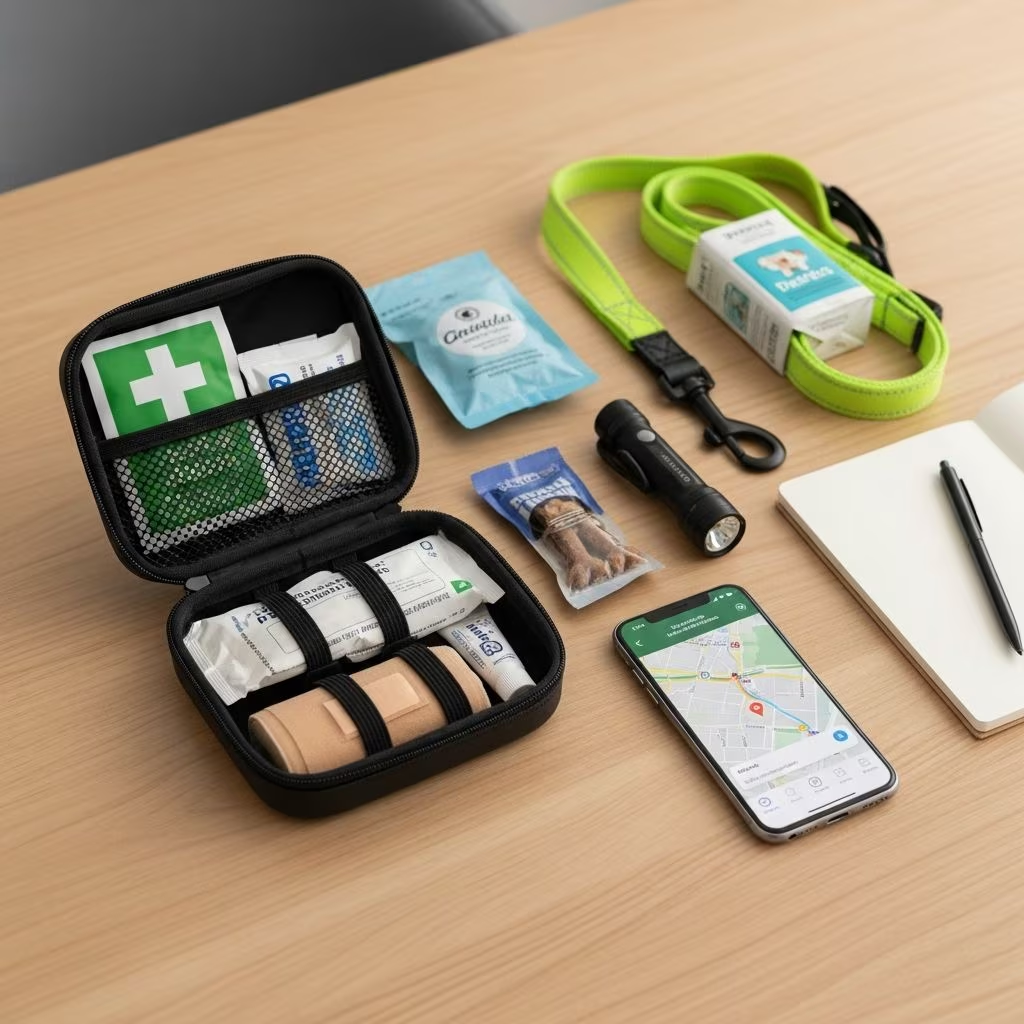
A portable kit ensures readiness anywhere. Stock it in a durable bag for every visit, customizing based on pet needs.
| Category | Items | Purpose |
|---|---|---|
| First Aid Basics | Antiseptic wipes, bandages, tweezers, scissors, thermometer, gloves | Treat injuries, infections, and temperature checks |
| Medications | Owner-provided meds, Benadryl (dosed per vet advice), saline solution | Manage allergies, pain, or eye flushes |
| Documents | Medical records, vaccination proofs, emergency contacts list | Quick vet communication |
| Tools | Muzzle, towels, flashlight, tick remover, instant cold packs | Restrain safely, illuminate dark areas, remove parasites |
Inspect and restock after each use. Include pet-safe treats for calming during treatments.
Personal Safety Protocols for Sitters
Your well-being matters equally. Treat each visit with caution, especially in unfamiliar areas or odd hours. Prioritize situational awareness to avoid vulnerabilities.
- Verify addresses online beforehand; skip vacant or suspicious properties.
- Share your schedule and location with a trusted contact.
- Observe driveways for unknown vehicles or people—call owners or police if present.
- Scan for break-ins like open doors/windows; evacuate, notify authorities, and await clearance.
- Lock your car upon exit, secure the home behind you, and keep keys/phone on your person.
- During walks, stay alert—no phone distractions or earbuds; scan surroundings constantly.
- Request exterior lights on for nighttime entries; vary interior lights to mimic occupancy.
For multi-pet or high-energy homes, wear sturdy shoes and consider protective gear like bite sleeves.
Understanding Pet Behaviors and Risks
Grasp each animal’s temperament to preempt issues. Review owner notes on triggers, phobias, or aggression signals. Supervise interactions, especially multi-pet households, to curb fights.
Common risks:
- Bite prevention: Approach calmly, let pets initiate contact; use muzzles if advised.
- Escape attempts: Double-check gates, doors, and leashes.
- Heat/cold stress: Monitor weather; provide shade, water, or warmth as needed.
Log behaviors daily, noting changes for owner updates.
Vetting and Ethical Practices
Choose sitters with verifiable credentials. Demand proof of pet-specific insurance, bonding for teams, and background checks. Prefer businesses with employed, trained staff over loose contractors.
Owners should confirm:
- Professional certifications in pet first aid/CPR.
- Clear contracts outlining emergencies, liability, and updates.
- References from similar assignments.
Sitters: Maintain transparency with routine photos/videos and prompt incident reports.
Effective Communication Strategies
Bridge trust through consistent owner dialogues. Pre-visit, gather full routines, diets, and health intel. During assignments, send timely photos, logs, and alerts on anomalies.
Post-crisis: Document actions taken, vet outcomes, and recovery steps. This fosters loyalty and referrals.
Frequently Asked Questions
What should I do if a pet ingests something toxic?
Do not induce vomiting unless vet instructs. Call ASPCA Poison Control immediately with substance details, then rush to an emergency clinic.
How often should I check on pets during sits?
Follow owner schedules, but aim for every 2-4 hours for check-ins, more for seniors or pups.
Is pet insurance necessary for sitters?
Yes, specialized policies cover liabilities like injuries or property damage.
What if I encounter a suspicious situation at a home?
Do not enter; call owners/police first, prioritize safety.
Can I handle minor injuries alone?
Yes for basics, but escalate anything beyond cuts/bruises to vets.
Training and Continuous Improvement
Invest in ongoing education: Join associations like Pet Sitters International for resources, webinars, and safety updates. Simulate emergencies with drills to build confidence.
Track incidents across assignments to refine protocols, sharing anonymized lessons with peers.
References
- Pet Sitting Emergency: Be Prepared, Ready & Safe — EVE Pet Hospital. 2023-05-01. https://www.evepethospital.com/services/dogs/blog/pet-sitting-emergency-be-prepared-ready-safe
- Emergency Preparedness for Pet Sitters — Denver Pro Pet Sitting. 2024-02-15. https://www.denverpropetsitting.com/blog/emergency-preparedness-for-pet-sitters
- Important Safety Reminders for Pet Sitters and Dog Walkers — Pet Sitters International (PSI). 2024-05-01. https://www.petsit.com/pet-sitter-safety
- The Ethical Pet Sitter Checklist: Is Your Pet Sitter Doing It Right? — Fairy Dog Mothers LLC. 2023-11-10. https://www.fairydogmothersllc.com/post/the-ethical-pet-sitter-checklist-is-your-pet-sitter-doing-it-right
- 12 Essential Safety Tips for Pet Sitters — WagWalking. 2024-01-20. https://wagwalking.com/daily/safety-tips-for-pet-sitters
- Trust & Safety — Rover.com. 2025-06-12. https://www.rover.com/blog/safety/



