

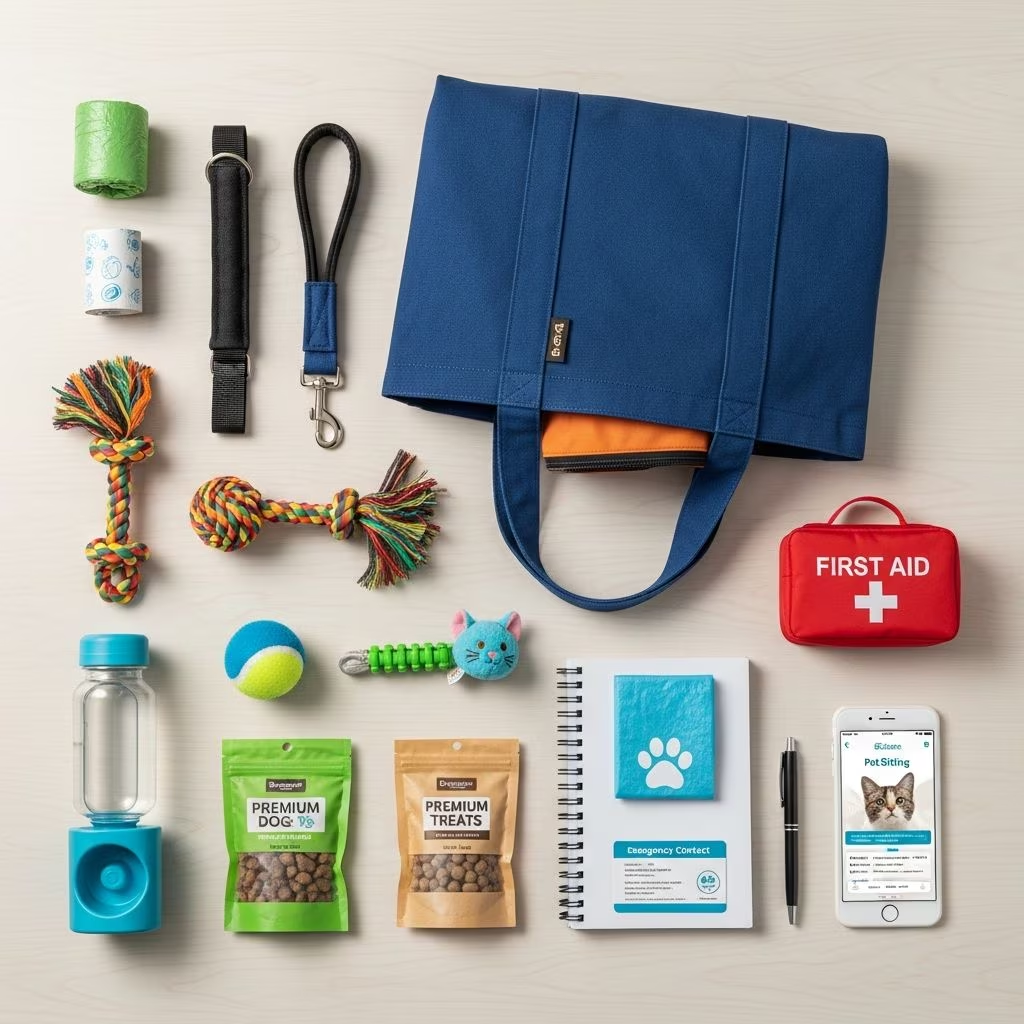
Leaving your pets in the care of a sitter requires thorough preparation to ensure their well-being and a stress-free trip for you. This guide outlines critical steps, from assembling supplies to creating detailed routines, drawing on best practices for various pet types including dogs, cats, and small animals.
Building a Solid Foundation Before Hiring
Start by selecting a trustworthy sitter through reputable platforms or personal recommendations. Verify their experience with your pet’s species and specific needs, such as handling anxious dogs or medication for senior cats. Conduct an in-person meet-and-greet to observe interactions and address questions early.
- Check references from previous clients.
- Review any certifications in pet first aid or CPR.
- Discuss expectations for updates, like daily photos or logs.
Once chosen, compile a comprehensive welcome packet. This digital or printed document serves as the sitter’s roadmap, reducing confusion and enhancing pet comfort.
Essential Documents and Contacts
Gather all vital paperwork in one accessible folder or shared digital file. Prioritize items that could be lifesaving in emergencies.
| Document Type | Purpose | Location Tip |
|---|---|---|
| Vaccination Records | Proof of immunizations | Scan and email copy |
| Microchip Details | Identification recovery | Include registration number |
| Medical History | Allergies, conditions | Highlight ongoing issues |
| Vet and Emergency Clinic Info | Quick access in crises | Include 24/7 after-hours contacts |
| Pet Insurance Policy | Coverage verification | Note policy number |
Attach recent photos of each pet from multiple angles, plus your contact info, a backup (like a neighbor), and the sitter’s emergency instructions. For multi-pet homes, label documents clearly.
Daily Routines and Schedules
Pets thrive on consistency, so provide a timed itinerary covering feeding, exercise, and rest. Tailor it to your pet’s age, breed, and health.
Feeding Protocols
- Specify meal times, portions, and food type (dry, wet, raw).
- Note treat limits and any dietary restrictions, like no dairy for lactose-intolerant cats.
- Indicate storage locations and measuring tools.
Exercise and Play Timelines
Dogs typically need multiple walks: morning 30 minutes, midday potty break, evening play session. Cats may prefer indoor enrichment like laser pointers or window perches. Small pets like rabbits require supervised out-of-cage time.
- Walk duration and routes (avoid busy roads).
- Play preferences: fetch for energetic pups, puzzle toys for clever felines.
- Rest periods to prevent overexertion.
Create a visual daily planner using a simple table for clarity.
| Time | Activity | Dog | Cat | Small Pet |
|---|---|---|---|---|
| 7 AM | Wake & Feed | Breakfast walk | Measured kibble | Fresh hay & pellets |
| 12 PM | Midday Break | Potty & play | Litter check | Water refresh |
| 6 PM | Evening Meal | Dinner & long walk | Wet food | Veggies snack |
| 10 PM | Bedtime | Last potty | Free roam | Cover enclosure |
Stocking Up on Supplies
Ensure ample quantities of everyday items to avoid mid-sit shortages. Organize in labeled bins for easy access.
- Food and Water: Extra bags of food, bowls, auto-feeders if applicable.
- Hygiene: Poop bags, litter, pee pads, grooming tools like brushes and nail clippers.
- Comfort: Favorite beds, blankets, toys that smell like home to ease separation anxiety.
- Containment: Leashes, harnesses, collars with ID tags, carriers.
- Health: Medications with dosing instructions, flea preventives.
For small pets, include species-specific items: chew toys for guinea pigs, dust-free bedding for hamsters. Quantify amounts, e.g., ‘Enough litter for 7 days.’
Medication and Health Management
If your pet requires meds, provide a pill organizer, syringes, or topical applicators. Detail administration: with food or empty stomach, frequency, side effects to monitor.
- Log sheets for tracking doses.
- Backup supply (extra 2-3 days).
- Signs of adverse reactions, like vomiting or lethargy.
Schedule any appointments (vet checkups, grooming) with contact details and transport notes. Inform the sitter of behavioral cues indicating pain or illness.
Home and Household Guidelines
Extend the sitter’s role beyond pets to maintain your space smoothly.
- WiFi password, alarm codes, thermostat settings.
- Trash/recycling schedules, plant watering routines.
- Prohibited areas (e.g., ‘No dogs upstairs’).
- Vehicle use policies, parking instructions.
Prep the home: deep clean, remove hazards like toxic plants or chemicals, clear guest space for overnight stays.
Emergency Preparedness Strategies
Anticipate issues with a clear action plan. Post it visibly near the phone.
- Step 1: Call you or backup contact.
- Step 2: Contact vet/emergency clinic.
- Step 3: Use pet first aid kit (bandages, hydrogen peroxide for wounds).
Common scenarios: escapes (use microchip info), allergic reactions, injuries from play. Reimbursement guidelines for unexpected costs, like urgent care, via app or Venmo.
Preparing Pets for the Transition
Minimize stress through gradual acclimation weeks before departure.
- Host practice visits from the sitter.
- Update parasite preventives and grooming.
- Leave scented items (your worn shirt) in bedding.
- Maintain normal routines on departure day.
For anxious pets, consider calming aids like pheromone diffusers (vet-approved).
Sitter’s Ongoing Responsibilities
Expect daily logs: photos of meals, walks, poop quality (indicator of health). Prompt reporting of changes, like reduced appetite or limping.
During the sit, supervise outdoor time, manage multi-pet dynamics, and handle shedding with lint rollers and vacuums.
Post-Sit Wrap-Up
End with a debrief: review logs, discuss any incidents, provide feedback. Reimburse expenses promptly and tip generously for excellent care. A follow-up vet visit reassures all is well.
Frequently Asked Questions
How far in advance should I prepare the checklist?
At least 1-2 weeks to allow time for sitter selection and supply stocking.
What if my pet has special dietary needs?
Provide sample meals, vet nutritionist notes, and alternative options.
Can sitters handle multiple pets?
Yes, but confirm experience and adjust schedules accordingly.
How often should I request updates?
Daily texts or photos balance involvement without micromanaging.
What cleaning supplies are essential?
Pet-safe disinfectants, enzymatic cleaners for accidents, paper towels.
Advanced Tips for Long-Term Sits
For extended absences (over a week), include weekly deep cleans of enclosures, rotation of toys for mental stimulation, and video call check-ins. Budget for potential extras like additional food runs.
Monitor weather impacts: extra hydration in heat, booties for icy walks. Seasonal adjustments ensure year-round safety.
By following this blueprint, you empower your sitter for success, fostering peace of mind and joyful reunions. Tailor elements to your unique household for optimal results.
References
- Pet Sitter Checklist for House & Pet Sitting — TrustedHousesitters. 2023-05-15. https://www.trustedhousesitters.com/blog/owners/pet-sitting-animal-supplies-checklist/
- The Essential Guide for the First-Time Pet Sitter — PetBacker. 2024-02-10. https://www.petbacker.com/blog/how-to/the-essential-guide-for-the-first-time-pet-sitter
- Free Printable Dog Sitter Checklist Template — Earth Rated. 2023-11-20. https://www.earthrated.com/blogs/blog/free-printable-dog-sitter-checklist-template
- Daily Care Checklist for Your Small Pet — Oxbow Animal Health. 2024-01-05. https://oxbowanimalhealth.com/blog/daily-care-checklist-for-your-small-pet/
- Pet Sitter Checklist — Checklist.com. 2023-08-12. https://checklist.com/pet-sitter-checklist



