

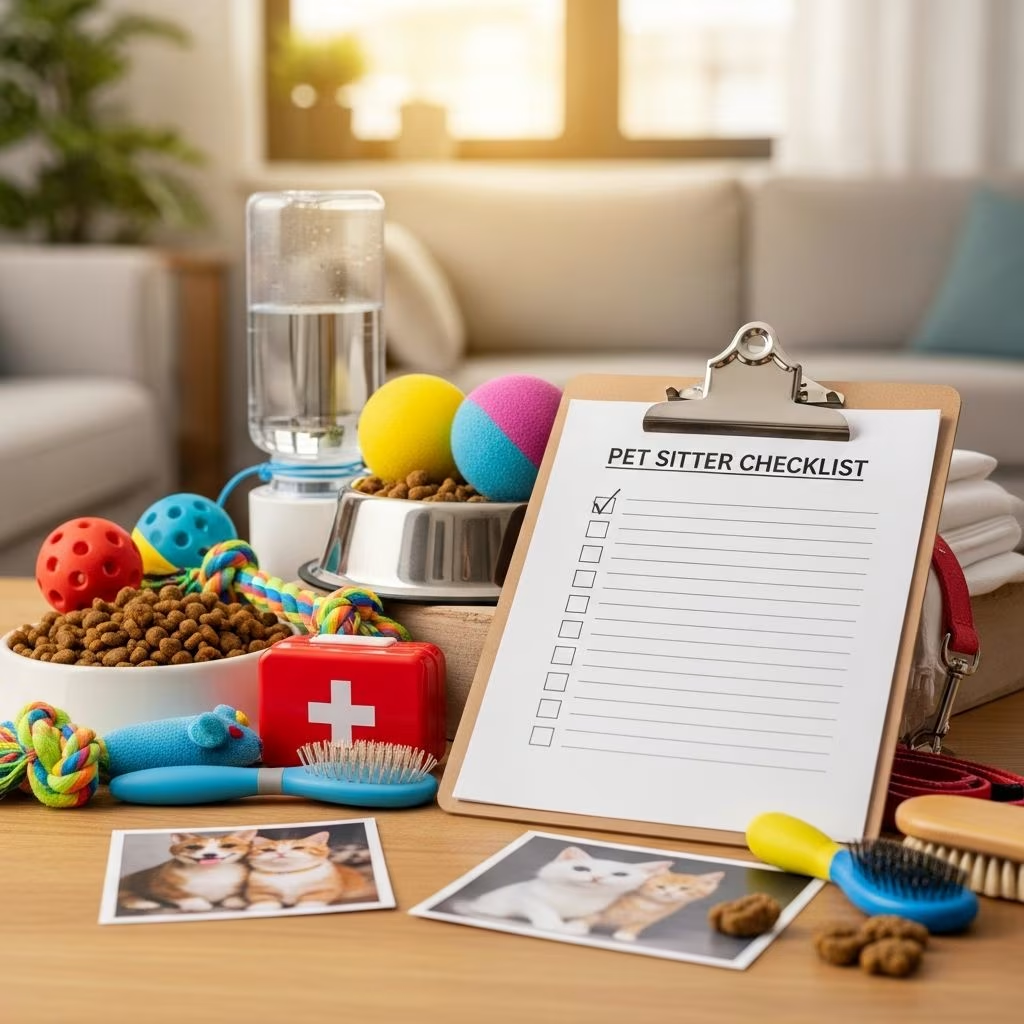
Pet Sitter Checklist: Prepping for Pet Care While You're Away
Leaving your beloved dog in someone else's care can be stressful, but with proper preparation and clear communication, you can ensure your pup receives excellent care while you're away. Whether you're taking a weekend trip or an extended vacation, having a comprehensive pet sitter checklist will help ease your mind and set both your dog and the pet sitter up for success.
Do a Pet Sitter Test Run
One of the most important steps in preparing for pet sitting is conducting test runs before your actual trip. Allowing your dog to spend time with the pet sitter beforehand helps establish comfort and familiarity, reducing anxiety for both your dog and yourself.
According to certified professional dog trainers, introducing your dog to the pet sitter in advance provides valuable insights into how your dog will behave during actual care sessions. This trial period allows you to observe how well your dog bonds with the sitter and how they respond to the new person's presence. Starting these introductions early prevents undue stress on your dog and gives you confidence in your choice of pet sitter.
During test runs, consider having the sitter perform the same tasks they'll handle during your absence, such as feeding, walking, and playing with your dog. This helps establish routine and demonstrates that the sitter knows your dog's preferences and personality quirks. The more familiar your dog becomes with the sitter before you leave, the smoother your time away will be.
Be Clear About Pet Care Expectations
Communication is absolutely essential when hiring a pet sitter. Before leaving for your trip, have detailed conversations with your sitter about your specific expectations and preferences for your dog's care.
Consider discussing the following aspects of pet care:
- Frequency and format of communication—do you want photo updates, text messages, emails, or daily reports?
- Exercise requirements—how long should walks be, and should your dog visit the dog park?
- Play sessions and outdoor time
- Behavioral management and special handling techniques
- House rules and access to furniture
Being transparent about any behavioral challenges is crucial for your dog's safety and the sitter's peace of mind. Destructive behaviors or anxiety issues shouldn't be hidden; instead, work with your sitter to develop strategies for managing these behaviors effectively.
Be Honest About Any Bad Habits
Every dog has quirks and potentially problematic behaviors. As a responsible dog owner, you must disclose these habits to your pet sitter so they can handle situations appropriately and prevent any accidents or damage.
Common behaviors to discuss include:
- Chewing on furniture, shoes, or other household items
- Digging in the yard
- Excessive barking, particularly at other dogs or passing pedestrians
- Bathroom accidents in the house
- Food aggression or resource guarding
- Separation anxiety or stress-related behaviors
- Jumping on guests or excessive excitement
Beyond simply listing these behaviors, provide your sitter with prevention strategies. For example, if your dog is a prolific digger, instruct the sitter to never leave your dog unsupervised in the yard. If your dog barks at passing dogs, recommend keeping the blinds closed during outdoor activity times. If your dog chews excessively, leave appropriate chew toys and long-lasting treats to redirect this natural behavior.
Providing your sitter with appropriate chew toys and engaging toys helps keep your dog occupied and prevents destructive behavior. Veterinarians recommend options like natural antlers or interactive puzzle toys that encourage mental stimulation and satisfy your dog's chewing instincts in a healthy way.
Talk About Food Schedules
Proper nutrition and maintaining your dog's regular feeding routine is fundamental to their health and comfort while you're away. Food-related conversations with your pet sitter should go well beyond simply leaving kibble in a bowl.
Key feeding topics to discuss include:
- Specific feeding times and the exact amount of food per meal
- Type of food and any dietary restrictions or allergies
- Water bowl maintenance and hydration needs
- Treat guidelines—frequency, type, and appropriate amounts
- Food storage and expiration dates
- Any food aggression or resource guarding behaviors
Food aggression deserves special attention. If your dog has ever snapped at people or other pets while eating, this is critical safety information your sitter must know. Understanding these behaviors allows the sitter to handle feeding times safely and protect themselves and others. Adhering to your dog's normal feeding routine helps ease stress and maintains their emotional well-being during your absence.
Leave detailed written instructions about feeding methods and timing. Include a note specifying when and how many treats the sitter should give your dog throughout the day. Having these instructions in writing prevents confusion and ensures consistency in your dog's care routine. Don't be shy about providing overly detailed information—it’s better to over-communicate than leave your sitter guessing about important details.
Put Together a Care Kit
Beyond food and medication, assembling a comprehensive care kit for your pet sitter ensures your dog has everything needed for comfort and well-being during your absence. This kit should include items that maintain your dog's routine and provide comfort.
Essential items to include in your care kit:
- Your dog's bed or sleeping area
- Favorite toys for play and comfort
- Dog poop bags for waste cleanup on walks
- An article of your worn clothing that smells familiar
- Prescribed medications with clear dosing instructions
- Supplements or special dietary items
- Grooming supplies if needed during the sitting period
- First aid supplies for minor injuries
- Recent photos of your dog
Including your dog's bed and favorite toys provides emotional comfort and maintains familiarity. Dogs find comfort in familiar scents and objects, so sending along a piece of clothing that smells like you can help ease separation anxiety and provide reassurance. Your dog will appreciate having their own bed in the sitter's space.
Emergency Preparedness and Veterinary Authorization
Perhaps the most critical component of your pet sitting preparation is establishing clear emergency protocols and veterinary authorization. This ensures that your dog receives immediate medical attention if needed, even if you're unreachable.
An emergency veterinary release form is essential documentation that should not be overlooked. This legal document authorizes your pet sitter and veterinarian to make medical decisions on your behalf in emergency situations. The release specifies what treatments are acceptable and ensures the sitter knows exactly what steps to take if your dog becomes ill or injured.
Your emergency kit should include:
- Signed emergency veterinary release forms
- Your primary veterinarian’s contact information
- Address and phone number of a 24-hour emergency veterinary clinic
- Your contact information and emergency backup contact
- Your pet’s microchip number and registration information
- Recent medical records or vaccination history
- List of any known allergies or medical conditions
- Your dog’s breed, age, and any genetic health predispositions
This is especially important if you’re traveling to an area with limited cell phone reception or internet access. Without this authorization, your sitter may be unable to authorize emergency veterinary care, potentially putting your dog’s health at serious risk. The veterinarian needs to understand exactly what treatments you approve and any limitations you want placed on medical decisions.
Household Habits and Special Considerations
Beyond the obvious care tasks, your sitter needs to understand your dog’s preferences, anxieties, and household routines. These details significantly impact your dog’s comfort and happiness during your absence.
Important household information to communicate:
- Which areas of the house your dog is allowed to access
- Whether pets are allowed on furniture
- Your dog’s favorite napping spots and rest areas
- Any anxiety triggers or fearful situations to avoid
- Noise sensitivities or weather-related anxieties
- Potty training status and bathroom routines
- Door/gate protocols to prevent escape attempts
- How to properly use any special equipment like crates or baby gates
If your dog experiences separation anxiety, give your sitter specific strategies for managing this behavior. Whether it’s through additional exercise, calming treats, music, or gradual desensitization techniques, your sitter needs to know what works for your dog. Separation anxiety can lead to destructive behavior and significant stress if not properly managed.
Medication and Health Management
If your dog requires medication or supplements, providing clear instructions is absolutely critical. Medication errors could have serious health consequences.
Your medication information should specify:
- Exact medication name and dosage
- Frequency and timing of administration
- How to administer (pill, liquid, injection, etc.)
- Potential side effects to watch for
- Storage requirements and expiration dates
- What to do if your dog refuses medication
- Any foods that interfere with medication absorption
Leave medication in its original labeled container with clear instructions. Consider using a pill organizer or medication chart that makes it easy for your sitter to track what’s been administered. For pets that are difficult to medicate, provide alternative administration methods or discuss strategies with your veterinarian in advance.
Communication and Photo Updates
Establishing clear communication expectations helps prevent misunderstandings and gives you peace of mind while you’re away. Different pet owners have different preferences for updates and information sharing.
Discuss your preferred communication method with your sitter:
- Frequency of updates (daily, multiple times per day, or as-needed only)
- Preferred communication platform (text, email, phone calls, or dedicated app)
- What information you want to receive (behavior updates, photos, activity level)
- How quickly you expect responses to your questions
- What constitutes an emergency that requires immediate notification
Many pet owners find that photo or video updates provide reassurance and connection to their dogs. Agree on whether the sitter will send regular pictures and how many. This small gesture can significantly ease your anxiety about being away from your beloved pet.
Exercise and Activity Expectations
Different dogs have vastly different exercise needs based on age, breed, health status, and personality. Your sitter needs to understand exactly how much activity your dog requires for optimal health and behavior.
Cover these exercise-related topics:
- Number and duration of daily walks
- Appropriate walking pace and distance
- Whether your dog should visit dog parks or other social venues
- Preferred walking routes and any areas to avoid
- How to recognize signs of fatigue or overheating
- Leash and collar requirements
- How to handle encounters with other dogs or people
- Indoor play and mental stimulation activities
Maintaining your dog’s normal exercise routine helps prevent behavioral problems and anxiety. Adequate physical activity also promotes better sleep and overall well-being. Discuss what your dog’s personality is like on walks—do they pull on the leash, get distracted easily, or have specific behavioral concerns that the sitter should anticipate?
Key Contacts and Documentation
Ensure your pet sitter has all necessary contact information and documentation easily accessible throughout their time with your dog.
Create a contact sheet including:
- Your primary phone number and email
- Backup contact person (family member or trusted friend)
- Primary veterinarian name, address, and phone number
- Emergency 24-hour veterinary clinic contact information
- Your home address and entry instructions
- WiFi password and any home technology instructions
- Poison control hotline number
- Pet insurance information if applicable
Leave this information in multiple places—posted on the refrigerator, in your sitter’s phone, and in a written document they can reference. Redundancy ensures important information isn’t lost or overlooked during an emergency.
Final Preparations Before Departure
In the days before you leave, do a final walkthrough with your pet sitter or leave a detailed written guide reviewing all instructions. Make sure your sitter is completely comfortable with the house layout, your dog’s behavior, and all established protocols.
Confirm all arrangements, including visit times, payment methods, and any changes to the original agreement. Leave your house clean and organized so your sitter can easily find necessary items. Make sure all supplies mentioned in your care kit are accessible and clearly labeled.
Frequently Asked Questions (FAQs)
Q: How far in advance should I book my pet sitter?
A: Book your pet sitter at least 2-4 weeks in advance, especially during peak travel seasons. This allows time for trial visits and ensures the sitter is available on your desired dates.
Q: What should I do if my dog has food aggression?
A: Disclose food aggression immediately to your pet sitter. Provide specific instructions on how to safely manage feeding times, and consider discussing management strategies with your veterinarian beforehand.
Q: Should I leave my pet sitter emergency veterinary authorization?
A: Yes, absolutely. An emergency veterinary release form is critical and should be included in your care kit. This allows your sitter and veterinarian to make medical decisions if you’re unreachable during an emergency.
Q: How many trial visits should I schedule before leaving?
A: At least 2-3 trial visits is recommended. This allows your dog to become comfortable with the sitter and gives you confidence that the arrangement will work well.
Q: What’s the best way to communicate feeding instructions?
A: Leave written instructions with specific times, portion sizes, and any special feeding notes. Consider using a chart or calendar to mark off meals as they’re completed.
Q: Should I leave my pet sitter a list of my dog’s bad habits?
A: Yes, transparency about behavioral issues is essential for your dog’s safety and the sitter’s preparation. Include specific strategies for managing each habit.
Q: What items should definitely be in my pet care kit?
A: Essential items include your dog’s bed, favorite toys, medication, poop bags, treats, emergency contact information, veterinary release forms, and an article of your worn clothing.
References
- Pet Sitter Checklist: Prepping for Pet Care While You’re Away — Chewy. 2024. https://www.chewy.com/education/dog/pet-parenting/pet-sitter-checklist-prepping-for-pet-care-while-youre-away
- Guide to Using a Pet Sitter: Checklist & Tips — Somerset Veterinary Group. https://somersetvetgroup.com/news/pet-sitter-checklist
- How to Find a Trustworthy, Reliable Pet Sitter — Chewy. 2024. https://www.chewy.com/education/cat/pet-parenting/pet-parenting-travel-8-surefire-signs-of-a-trustworthy-pet-sitter
- Must-Haves for Hiring a Pet Sitter — PetMD. https://www.petmd.com/dog/care/must-haves-hiring-pet-sitter-0



