

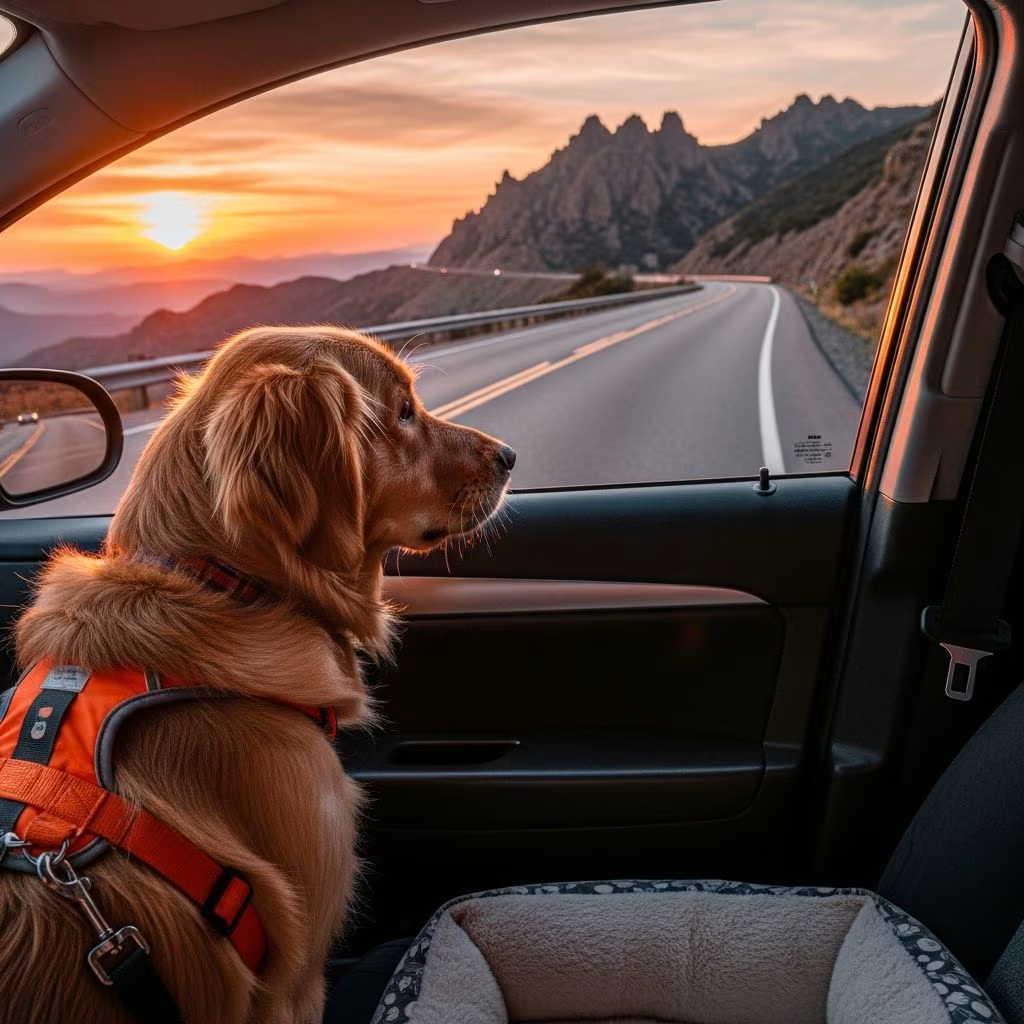
Traveling by car with pets requires careful planning to protect both the animals and the driver. Unrestrained pets pose risks of injury during accidents and can cause distractions leading to crashes. Proper restraints, strategic seating, and preparation minimize these dangers effectively.
Why Vehicle Restraints Matter for Pets
Securing pets prevents them from becoming projectiles in collisions or interfering with vehicle controls. Veterinary experts emphasize that harnesses, crates, and barriers reduce injury severity and driver distraction significantly. Studies and surveys show many pet owners overlook these basics, with only a fraction consistently using back seats or restraints.
For dogs and cats, the physics of a crash amplifies unsecured movement. A pet weighing 20 pounds can exert over 500 pounds of force at 30 mph upon impact. This underscores the need for crash-tested gear tailored to pet size.
Types of Effective Restraints
- Pet Harnesses and Seatbelts: These clip into standard vehicle belts, ideal for medium to large dogs. Ensure compatibility with your car’s system and test for fit.
- Crates and Carriers: Best for small pets or cats; secure them behind seats to avoid shifting. Ventilation and crash-rating are crucial.
- Booster Seats: Elevate small dogs for visibility while keeping them buckled, preventing slumping.
- Barriers: Metal or mesh dividers confine pets to the cargo area or back seat, suitable for larger breeds.
Always select products certified for vehicle use. Brands with independent crash testing provide the highest protection levels.
Optimal Seating: Back Seat Priority
The rear seat offers the safest position due to distance from airbags, which can injure or kill pets upon deployment. Front passenger airbags generate force equivalent to a heavy punch, posing lethal risks even in minor incidents. Surveys indicate only 22% of drivers keep pets exclusively in the back, highlighting a common oversight.
| Seating Location | Risks | Recommendation |
|---|---|---|
| Front Seat | Airbag deployment, driver distraction, pedal interference | Avoid entirely |
| Back Seat | Minimal airbag exposure, more space | Preferred with restraints |
| Cargo Area | Potential shifting without barrier | Use with barrier or crate |
For passenger-side front seating in exceptions, deactivate the airbag if possible and use a harness. However, back seating remains the gold standard.
Combating Travel Anxiety and Motion Sickness
Many pets experience stress or nausea from car motion, leading to whining, pacing, or vomiting. Gradual acclimation builds tolerance: start with short, positive trips paired with treats and praise. Avoid feeding heavy meals 4-6 hours pre-travel to curb sickness.
- Introduce gear at home for familiarization.
- Use calming aids like pheromone sprays or vet-approved supplements.
- Play soothing music or speak reassuringly.
- Exercise pets beforehand to expend energy.
For severe cases, consult a veterinarian for anti-nausea medication. Consistent routines turn car rides into enjoyable outings over time.
Temperature Control and Never Leave Alone
Parked vehicles become ovens or freezers rapidly. On an 80°F day, interiors reach 100°F in 10 minutes, risking heatstroke. Cold snaps pose hypothermia threats similarly. Never leave pets unattended, even briefly.
Maintain cabin climate with AC/heat on during stops if supervised. Park in shade, crack windows minimally (not enough for safety), and use reflective sunshades. Monitor for distress signs like excessive panting or lethargy.
Frequent Breaks for Health and Hydration
Long drives demand stops every 2-3 hours for pets to walk, hydrate, and eliminate. Leashed walks prevent escapes; carry waste bags and water bowls. Hydration prevents dehydration, especially in heat.
Plan pet-friendly rest areas using apps. Offer small water sips frequently, avoiding gulps that cause upset stomachs.
Legal Requirements Across Jurisdictions
Pet restraint laws vary: some states mandate securing animals to avoid distraction fines up to $250. Cities may ban unattended vehicles in heat. California, New York, and others enforce crate or harness use. Check local statutes via DMV sites before interstate travel.
Non-compliance risks tickets, impoundment, or liability in accidents where pets contribute to crashes. Insurance may deny claims involving unrestrained animals.
Vehicle Selection and Modifications for Pet Travel
Choose cars with spacious rears, tether points, and low load floors. SUVs excel for cargo barriers; sedans suit harnesses. Features like rear climate control enhance comfort.
- Install washable mats for cleanliness.
- Add cargo liners for protection.
- Opt for quiet cabins to reduce anxiety.
Packing Essentials for Pet Road Trips
A well-stocked kit ensures readiness. Include ID tags, microchip info, vet records, medications, food, bowls, leash, towels, grooming tools, and a pet first-aid kit with bandages and tweezers.
Update vaccinations and parasite preventives. Carry emergency vet locator apps.
Frequently Asked Questions
Are pet seatbelts effective in crashes?
Yes, crash-tested models prevent forward projection and reduce injury risk substantially, akin to human belts.
Can cats travel loose in carriers?
Secure carriers prevent escape and injury; loose travel invites chaos.
What if my dog hates the car?
Acclimate via short trips, use comfort items, and seek vet behavioral help if persistent.
Is driving with head-out-window safe?
No, debris can cause eye or lung injuries at speed.
How often should I stop on long drives?
Every 2 hours for exercise and needs.
Advanced Tips for Multi-Pet Households
Separate anxious pets with barriers. Rotate seating for fairness. Monitor group dynamics to prevent fights during stops.
For puppies, extra acclimation prevents lifelong aversion. Seniors need padded bedding and frequent hydration checks.
Technology aids: GPS collars track runaways; in-car cameras monitor behavior remotely.
References
- 7 Ways to Keep Your Pets Safe While Driving — Mossy Nissan Oceanside. 2025-08-26. https://www.mossynissanoceanside.com/2025/08/26/7-ways-to-keep-your-pets-safe-while-driving/
- 7 Tips for Driving With Your Dog — Hart Road Animal Hospital. Accessed 2026. https://www.hartroadanimalhospital.com/services/dogs/blog/7-tips-driving-your-dog
- Driving With Pets: Getting There Safely — Progressive. Accessed 2026. https://www.progressive.com/resources/insights/driving-safely-with-pets/
- Pet Travel Safety — American Red Cross. Accessed 2026. https://www.redcross.org/get-help/how-to-prepare-for-emergencies/pet-travel-safety.html
- The Safest Way to Travel with Dogs — Animal Humane Society. Accessed 2026. https://www.animalhumanesociety.org/resource/safest-way-travel-dogs
- Traveling With Pets? Follow These Expert Dos and Don’ts — ASPCA. Accessed 2026. https://www.aspca.org/news/traveling-pets-follow-these-expert-dos-and-donts-keep-them-safe
- Pet Safety in Vehicles — American Veterinary Medical Association. Accessed 2026. https://www.avma.org/resources-tools/pet-owners/petcare/pets-vehicles



