

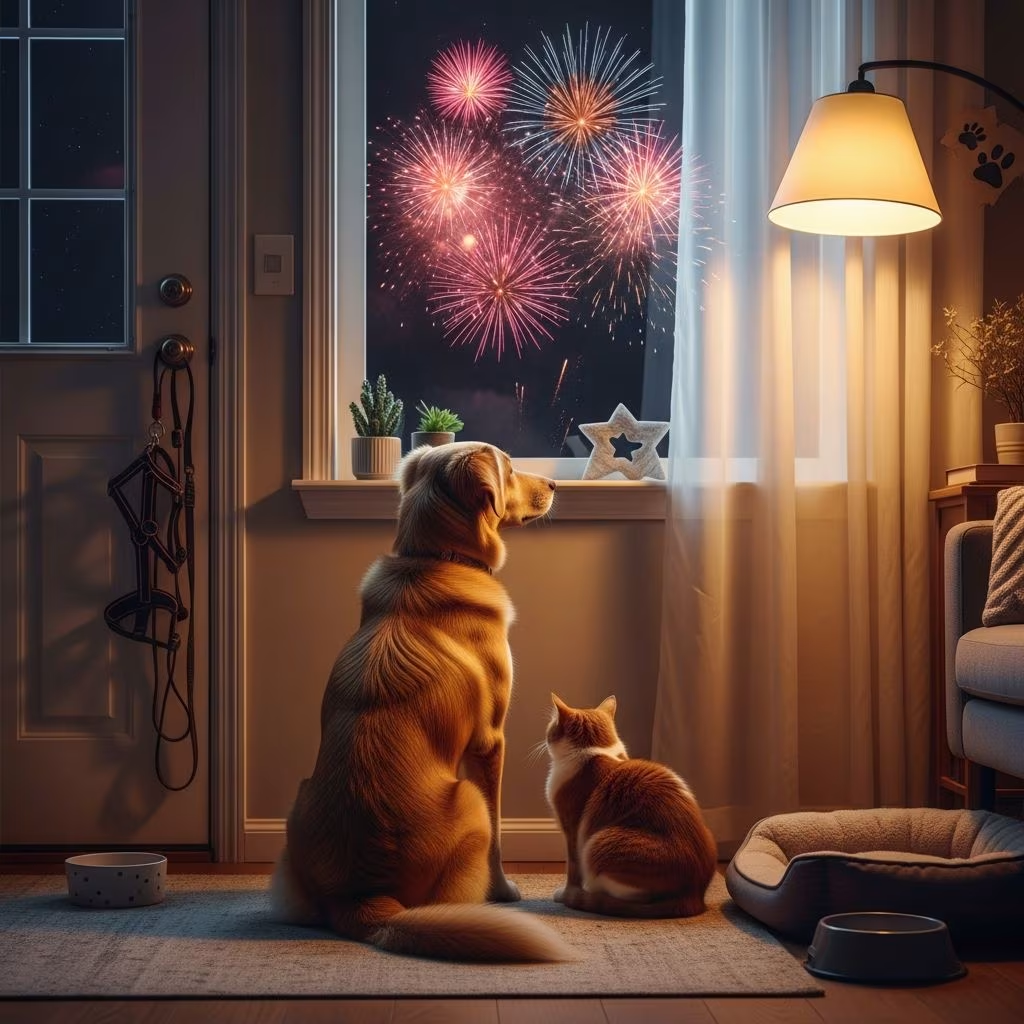
Every year, the excitement of New Year’s Eve brings fireworks, gatherings, and festivities that can turn chaotic for household pets. Dogs and cats often react with fear to sudden bangs, while curious paws might seek out dangerous treats or decorations. This comprehensive guide outlines proactive measures to safeguard animals during these high-energy nights, drawing from veterinary recommendations to minimize risks and promote comfort.
Understanding the Unique Challenges of New Year’s Eve for Pets
New Year’s celebrations differ from everyday routines due to amplified noises from fireworks and noisemakers, influxes of guests, and indulgent foods. Pets with sensitive hearing experience amplified distress from these sounds, which can reach decibels far exceeding comfortable levels. Statistics from animal welfare organizations indicate spikes in lost pets around holidays, often due to panic-induced escapes. Additionally, household toxins become more prevalent with party setups, posing immediate health threats if ingested.
Preparation starts weeks in advance. Assess your pet’s temperament: anxious animals benefit from gradual desensitization to recorded fireworks sounds played at low volumes, paired with positive reinforcements like treats. This builds resilience without overwhelming them. For multi-pet homes, separate species or high-energy animals to prevent conflicts amid the commotion.
Designing a Sanctuary Amid the Festivities
A dedicated retreat serves as the cornerstone of pet safety. Select a low-traffic room, ideally interior without windows to block visual flashes and auditory blasts. Line the floor with familiar bedding that carries your pet’s scent, enhancing security through olfactory familiarity.
- Include comfort items: favorite toys, chew bones for dogs, or scratching posts for cats.
- Incorporate sensory aids: white noise machines or classical music playlists tuned to mask external din.
- Provide interactive distractions: puzzle feeders dispense kibble slowly, occupying minds for hours.
For cats, elevated perches or enclosed boxes mimic natural hiding spots. Dogs may appreciate a covered crate resembling a den. Pheromone diffusers, available for both species, release calming vapors clinically shown to reduce anxiety markers in studies.
Securing Your Home Against Escapes
Doors left ajar by revelers account for many holiday disappearances. Pets bolt in blind panic, covering surprising distances before owners notice. Prevention demands vigilance.
| Risk Area | Prevention Strategy | Backup Measure |
|---|---|---|
| Front Door | Designate a ‘pet-free zone’; use baby gates. | Brief guests on protocols. |
| Windows/Backyard | Secure latches; avoid outdoor time post-dusk. | Microchip verification. |
| Balconies/Patios | Block access entirely. | Leash supervision if unavoidable. |
Verify identification: collars should fit snugly (two fingers’ space under), bearing current phone numbers and addresses. Microchipping, implanted under the skin, offers permanent tracking via national databases. Update records annually, as moves or number changes render old tags useless.
Navigating Party-Related Toxins and Temptations
Human indulgences spell trouble for pets. Alcohol depresses their central nervous systems, causing hypothermia, seizures, or coma even in small amounts. Chocolate’s theobromine triggers vomiting and cardiac issues; grapes and raisins induce kidney failure.
- Alcohol: Promptly discard spills; store bottles elevated.
- Rich Foods: Onions, garlic, xylitol in gums damage red blood cells or drop blood sugar dangerously.
- Fatty Scraps: Pancreatitis from table leavings leads to prolonged vomiting.
Counter temptations by feeding pets hearty meals beforehand, reducing hunger-driven scavenging. Secure trash bins with latches; vacuum confetti and streamers promptly, as gastrointestinal blockages require surgery.
Mitigating Fireworks-Induced Panic
Fireworks peak around midnight, but displays vary locally. Close curtains to dim strobes, which exacerbate disorientation. Background noise from TVs or fans dilutes booms.
For severe cases, consult veterinarians preemptively. Options include:
- Short-acting anxiolytics for one-off use.
- Behavior therapies like counterconditioning, introducing noise gradients with rewards.
- Natural supplements: CBD oils or thundershirts applying gentle pressure akin to swaddling.
Avoid forcing interactions; let pets dictate engagement levels. Post-event, monitor for lingering stress like appetite loss or hiding, addressing with routine restoration.
Special Considerations for Different Pet Types
Dogs: High-Energy Escapers
Large breeds dig or jump fences under duress. Tire them with daytime exercise, then confine securely. Thunder jackets compress torsos, signaling safety.
Cats: Stealthy Swallows
Inquisitive felines target ribbons or balloons. Elevate decor; provide alternatives like wand toys in their haven.
Small Animals: Fragile Sensitives
Rabbits, birds, rodents amplify heart rates from vibrations. Cover cages; dim lights to simulate night.
Host or Attendee: Tailored Protocols
Hosting? Inform guests: no feeding, watch belongings (medications poison via curiosity). Attending elsewhere? Pre-depart checks ensure home fortification; consider pet sitters versed in holiday hazards.
Traveling? Board at facilities with soundproofing or leave with trusted kin, prepped with care sheets detailing routines and triggers.
Long-Term Wellness After the Night
New Year’s resolutions extend to pets: schedule wellness exams, update vaccines. Train for future events using apps with sound libraries. Foster resilience through daily enrichment, fortifying against annual stressors.
Frequently Asked Questions
What if my pet ingests something toxic during the party?
Contact a pet poison hotline immediately (e.g., ASPCA at 888-426-4435); note substance and quantity for guidance. Do not induce vomiting without professional advice.
Can I give my dog Benadryl for fireworks fear?
Only under vet dosing (typically 1mg/lb); alternatives like prescribed trazodone prove safer for acute anxiety.
How do I know if my pet is microchipped?
Scan with a universal reader or check registry enrollment; most shelters/vets offer free verification.
Are there pet-safe party treats I can share?
Stick to plain cooked meats or vet-approved biscuits; avoid seasonings.
What about neighborhood fireworks laws?
Check local ordinances; report illegal use to authorities if distressing pets excessively.
References
- Preparing to Celebrate a Pet-Safe New Year’s Eve — American Animal Hospital Association (AAHA). 2023. https://www.aaha.org/resources/preparing-to-celebrate-a-pet-safe-new-years-eve/
- Ring in the New Year with These Pet Safety Tips! — HART For Animals. 2024. https://hartforanimals.org/pet-health-blog/new-years-pet-safety
- New Year’s Eve Safety Tips for Pets — Morgan Veterinary Practice. 2023. https://www.morganveterinarypractice.com/blog/new-years-eve-safety-tips-for-pets
- Ring in the New Year Safely: Tips to Protect Your Pets — DoveLewis Emergency Animal Hospital. 2024. https://www.dovelewis.org/blog/ring-new-year-safely-tips-protect-your-pets
- Ring In a Pet-Safe New Year with These Expert Safety Tips — ASPCA. 2023. https://www.aspca.org/news/ring-pet-safe-new-year-these-expert-safety-tips



