

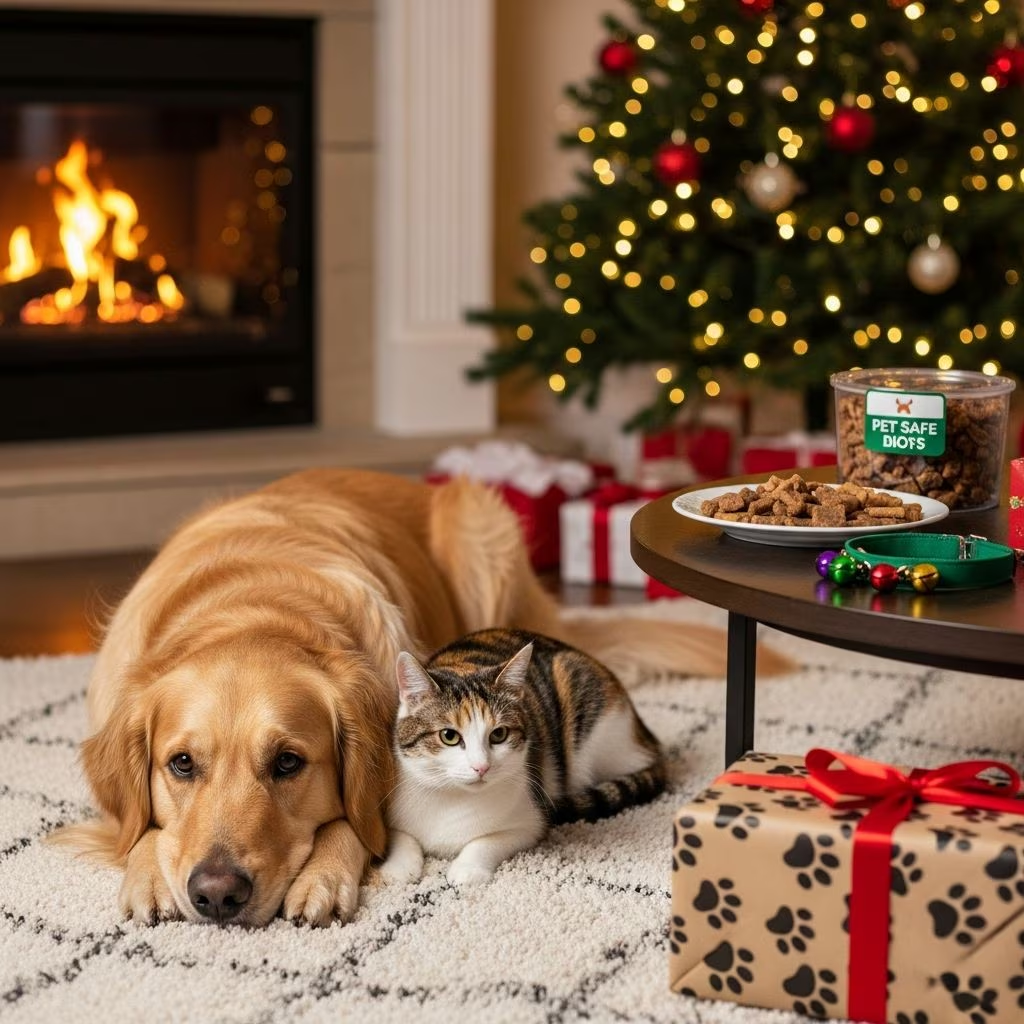
The festive season brings joy, celebration, and gatherings with loved ones. However, this time of year also introduces numerous potential hazards that pet owners must carefully navigate to ensure their animal companions remain healthy and safe. From decorative elements to seasonal foods and increased household activity, the holidays present unique challenges that require thoughtful planning and vigilance.
Understanding Holiday-Specific Pet Risks
Pets are naturally curious creatures, and the influx of decorations, unfamiliar items, and changes to their routine during holiday celebrations can create dangerous situations. Unlike regular days, the festive period typically involves multiple stressors for animals: new people entering the home, modified schedules, unusual foods appearing on tables, and decorative items placed throughout living spaces. Understanding these specific risks allows pet owners to implement preventive measures before problems arise.
The combination of excitement and distraction during holiday preparations often means that pet supervision lapses at critical moments. Family members become focused on cooking, decorating, or entertaining guests, creating windows of opportunity for pets to access hazardous materials or situations.
Securing Your Home Against Decorative Hazards
Managing Christmas Trees and Natural Greenery
Christmas trees present multiple safety concerns for pets that extend beyond their obvious appeal as climbing structures or objects to chew. The water base used to keep trees fresh frequently contains bacterial growth and chemical preservatives that can cause gastrointestinal distress if consumed by animals. Additionally, pine needles shed from trees are mildly toxic and can potentially puncture or obstruct the intestinal tract if swallowed in significant quantities. Pet owners should ensure tree stands have secure covers that prevent access to this contaminated water.
Real holly and mistletoe, despite their festive appeal, are toxic to multiple animal species including dogs, cats, and rabbits. These plants should either be replaced with artificial alternatives or positioned completely out of reach. Tree branches themselves should be evaluated for pet interest—if animals show interest in chewing needles or branches, relocating the tree to a closable room or opting for an artificial tree becomes necessary.
Ornaments, Tinsel, and Lightweight Decorations
Shiny ornaments and tinsel appeal strongly to pets’ predatory instincts and curiosity. Breakable ornaments can shatter, creating sharp fragments that damage mouths and digestive systems. Tinsel poses a particularly serious risk, as it can cause severe intestinal blockages when swallowed, potentially requiring surgical intervention. The reflective quality that makes tinsel attractive to humans makes it equally appealing—and dangerous—to cats and curious dogs.
All fragile decorations should be positioned on higher branches or shelves where pets cannot reach them. Heavy ornaments placed low should still be avoided if pets show interest in them. Ribbon, string, and bows used for decoration can also cause intestinal blockages and should be secured or removed after gift wrapping.
Lighting and Electrical Considerations
Holiday lighting creates an electrocution hazard when pets chew on live electrical cords. Cats are particularly prone to investigating dangling wires, making secure cord management essential. All electrical cords should be covered with protective tubing, secured behind furniture, or unplugged when pets are unsupervised. Pets should never have access to chewed or damaged cords that expose internal wiring.
Battery-powered decorations present their own risks. Chewed batteries can cause chemical burns to the mouth and esophagus, and ingested battery contents can lead to poisoning. Spare batteries should be stored in secure locations inaccessible to curious animals.
Candles and Flame-Based Decorations
Unattended candles and open flames pose dual risks: direct burns to fur and whiskers, and potential fires if knocked over by wagging tails or playful paws. Menorahs and other candle-based decorations should never be left unattended. The safest approach involves replacing traditional candles with flameless LED alternatives that provide ambiance without fire hazard.
Navigating Holiday Foods and Beverages
Toxic Foods to Avoid
Holiday meals introduce foods that pose serious health risks to pets. Chocolate, particularly dark chocolate, is toxic to dogs and cats and frequently appears in holiday desserts, baked goods, and decorative items. Grapes and raisins—common in holiday recipes and trail mixes—can cause acute kidney failure in dogs. Onions and garlic, while essential to many holiday dishes, damage red blood cells in both cats and dogs.
Alcohol-containing beverages and foods made with alcohol can cause intoxication, vomiting, and dangerous drops in blood sugar in pets. Xylitol, an artificial sweetener used in many sugar-free products, causes rapid insulin release leading to low blood sugar and potential liver damage. Pet owners should educate guests about these dangers and prevent animals from accessing tables where holiday treats are prepared or served.
Managing Table Access and Guest Interactions
The combination of food preparation and entertaining makes it challenging to monitor everything pets might access. Establish clear rules with household members about not feeding pets table scraps, and store foods securely in closed containers or refrigerators. Dispose of food waste immediately in lidded trash containers, and ask guests not to share their plates with animals.
A particularly dangerous situation occurs when fatty foods and bones are discarded without secure containment. Fatty meat trimmings can cause pancreatitis in pets, while cooked bones splinter easily and can perforate digestive tracts.
Special Consideration: Snow Globes and Antifreeze
Snow globes, while decorative, often contain ethylene glycol—the same substance used in antifreeze—which is highly toxic to pets. A broken snow globe represents a serious poisoning emergency. These decorations should be kept out of reach and handled carefully, with broken pieces cleaned thoroughly and disposed of safely.
Creating a Calm Environment Amid Holiday Chaos
Managing Noise and Visitor-Related Stress
Holiday gatherings introduce unfamiliar people, loud noises from celebrations, and general household disruption. Many pets find this overwhelming and may exhibit anxiety, hiding behaviors, or stress-related illness. Creating a dedicated sanctuary space—a closed room with familiar bedding, water, toys, and litter boxes for cats—provides refuge when stimulation becomes excessive.
Inform guests ahead of time that you have pets, noting any allergies they may have, behavioral quirks, or specific preferences for interaction. Some guests may be fearful of animals or wish to avoid them, while others may want to play with your pet. Clear communication prevents stressful or dangerous interactions.
Maintaining Routine During Schedule Disruptions
Pets thrive on consistent schedules for meals, bathroom breaks, and exercise. Holiday activities often disrupt these routines, causing stress and behavioral problems. Attempt to maintain normal feeding times and exercise schedules despite holiday preparations and gatherings. If travel is necessary, consider whether your pet is suited for the journey or if remaining home with professional care is preferable.
Travel Planning and Relocation Concerns
Assessing Travel Appropriateness
Holiday travel is common, but not all pets adapt well to transportation and new environments. Cats especially prefer remaining in their familiar home environment. Before traveling with your pet, honestly evaluate whether the trip is necessary and whether your animal will tolerate the experience. If traveling is unavoidable, bring familiar items including bedding, food, toys, and medications.
Boarding and Pet-Sitting Alternatives
If leaving your pet at home, thoroughly research boarding facilities or pet-sitters. Verify references, confirm understanding of your pet’s dietary and medical needs, and ensure the facility or sitter is licensed and insured. Visit facilities in advance to assess conditions and security. Provide detailed instructions about feeding schedules, medications, behavioral triggers, and emergency contact protocols.
Identification and Emergency Preparedness
The chaos of holiday travel increases pet escape risks. Ensure all animals wear collars with current ID tags displaying your contact information, and confirm microchip registration information is current. When traveling with pets, research the location of emergency veterinary facilities and keep contact information readily accessible. If visiting unfamiliar homes, ensure the property is pet-proofed and securely fenced.
Preparing for Guest-Related Challenges
Guest Safety Protocols
Educate visiting family and friends about pet safety basics. Remind them to keep doors and gates closed to prevent accidental escapes, to alert you before opening exterior doors, and to understand your pet’s boundaries regarding handling and play. Some pets may be triggered by rapid movements, loud voices, or physical contact from unfamiliar people.
Supervising Interaction and Gift Opening
When guests interact with your pets or when opening gifts containing pet-related items, maintain active supervision. Ensure newly received toys are appropriate and safe for your animal’s size and chewing habits. Some gift items designed for humans, like decorative items or foods, may be toxic and should be kept from pets.
Managing Pet Anxiety During Festivities
Provide appropriate outlets for your pet’s energy during busy holiday periods. Interactive play sessions, puzzle feeders, and enrichment activities help burn nervous energy and redirect anxious behaviors. If your pet shows significant stress signs—excessive panting, hiding, loss of appetite, or aggression—consult your veterinarian about temporary anxiety management options.
Pre-Holiday Veterinary Preparation
Schedule a veterinary wellness check before the holiday season begins. Confirm that vaccinations are current, discuss any behavioral concerns, and ensure your pet is in good health. Obtain refills of any medications well in advance, as pharmacies and veterinary offices may have limited hours during holidays. Ask your veterinarian about emergency care availability in your area and obtain contact information for after-hours emergency clinics.
Quick Holiday Pet Safety Checklist
- Secure Christmas tree with covered water base; block access to tree room if necessary
- Position ornaments, tinsel, and decorations out of reach of curious pets
- Cover electrical cords and keep batteries secured
- Replace live candles with flameless alternatives
- Remove or elevate toxic plants including holly, mistletoe, and poinsettias
- Store chocolate, grapes, onions, garlic, xylitol, and alcohol safely away from pets
- Secure trash containers and immediately dispose of food waste
- Educate guests about pet safety and toxic foods
- Create a quiet sanctuary space for stressed pets
- Maintain normal feeding and exercise schedules
- Ensure ID tags are current and microchip registration is up-to-date
- Schedule pre-holiday veterinary checkups and medication refills
- Research emergency veterinary services in advance
Frequently Asked Questions
What should I do if my pet ingests a dangerous food or decoration?
Contact your veterinarian or emergency animal poison control immediately. Have information ready about what was consumed and when. Do not wait for symptoms to appear, as some toxins cause delayed effects. Keep your pet calm and prevent further access to the substance.
Is an artificial Christmas tree safer for pets than a real tree?
Artificial trees eliminate concerns about pine needles, toxic water bases, and tree-related digestive blockages. However, pets can still chew on artificial branches or knock over unsecured trees. Artificial trees remain generally safer but still require anchoring and supervision.
How can I tell if my pet is stressed during the holidays?
Signs of stress include hiding, reduced appetite, excessive vocalization, trembling, destructive behavior, or aggression. Some pets may experience digestive upset or behavioral regression. If stress signs persist beyond a few days, consult your veterinarian to rule out medical issues and discuss anxiety management.
Should I leave my cat or dog home alone while I travel for the holidays?
Most cats prefer remaining in their familiar home environment with a trusted pet-sitter providing daily care. Dogs may tolerate boarding facilities or pet-sitters, but individual personality matters. Consider your pet’s temperament, separation anxiety history, and specific needs when making this decision.
References
- Pet Safety: How to Keep Your Pet Safe During the Holiday Season — Urban AVC. https://www.urbanavc.com/blog/pet-safety-how-to-keep-your-pet-safe-during-the-holiday-season
- Holiday Safety Tips for Pets — Humane World for Animals. https://www.humaneworld.org/en/resources/holiday-safety-tips-pets
- 5 Pet Safety Tips for the Holidays — Pasadena Humane Society. https://pasadenahumane.org/5-pet-safety-tips-for-the-holidays/
- Holiday Safety Tips — ASPCA. https://www.aspca.org/pet-care/general-pet-care/holiday-safety-tips
- Holiday Pet Safety: Seasonal Hazards to Watch Out For — Beaconer Veterinary Services. https://www.beaconer.vet/news-blog/holiday-pet-safety-hazards-to-watch-out-for
- 6 Pet Safety Tips for the Holidays: Keep the Paw-ty Going! — Keepers Animal Clinic. https://keepersanimalclinic.com/news/holiday-pet-safety-tips



