

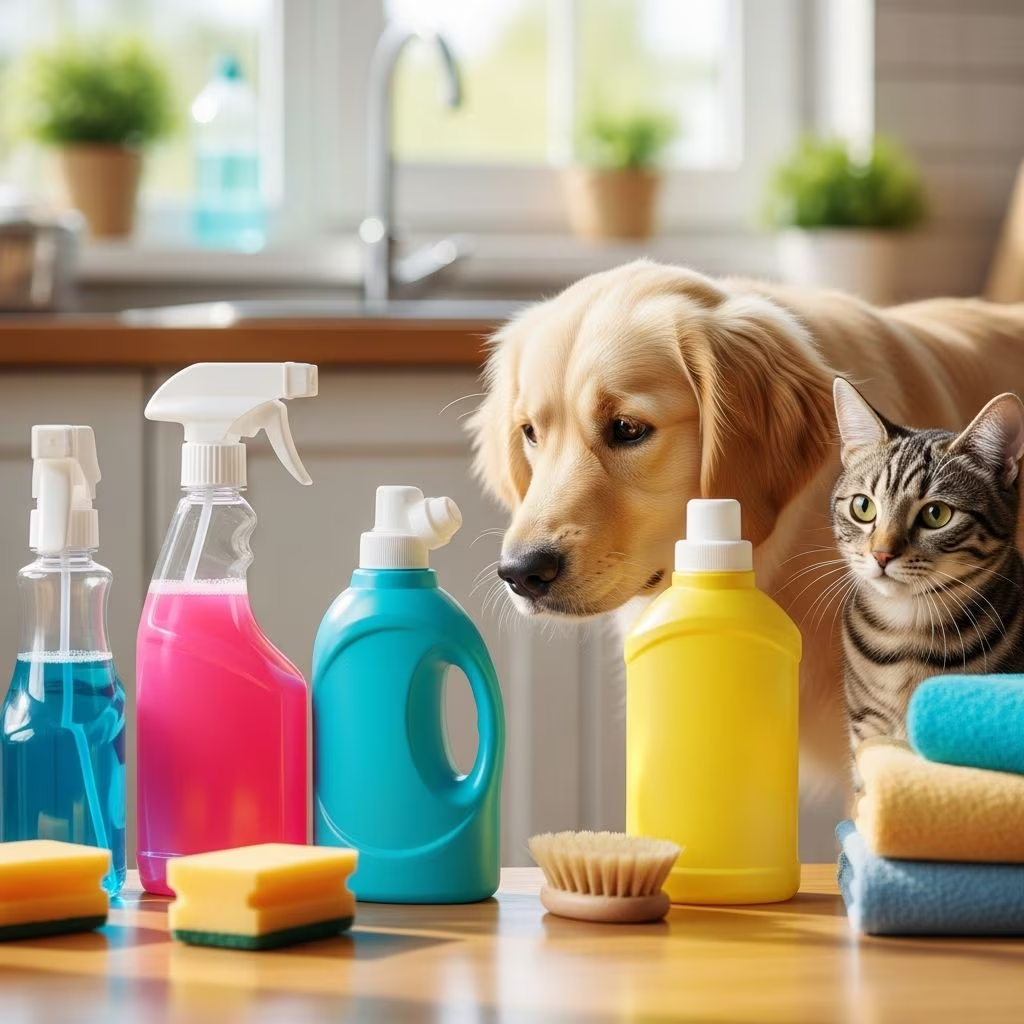
Tips for Keeping Your Pets Safe Around Cleaning Products
Our furry family members spend most of their time at home with us, which means they’re regularly exposed to the cleaning products we use to maintain our living spaces. While a spotless home is important, the safety and health of our pets should always take priority. Many common household cleaning products contain toxic chemicals that can cause serious harm to dogs and cats. Understanding which products are dangerous and how to safely manage cleaning in a pet-friendly home is essential for every pet parent.
Why Pet Safety Matters When Cleaning
Pets are naturally curious creatures who explore their environment through sniffing, licking, and sometimes ingesting items they find. Unlike humans, who understand the dangers of chemical exposure, pets cannot distinguish between a refreshing lemon-scented cleaner and a toxic substance. They may walk through freshly cleaned floors, lick surfaces while they’re still wet, or accidentally ingest cleaning products left unattended. Additionally, pets have smaller body sizes and different metabolic rates than humans, making them more susceptible to poisoning from even small amounts of toxic chemicals. The respiratory system of pets, particularly cats, is also more sensitive to chemical fumes and aerosol products, which can cause respiratory distress or other health complications.
Common Toxic Cleaning Ingredients to Avoid
Many household cleaning products contain chemicals that pose serious health risks to your pets. Being aware of these dangerous ingredients is the first step toward protecting your furry companions. Here are the most harmful chemicals commonly found in cleaning products:
Ammonia
Ammonia is a pungent chemical found in many window and glass cleaners, as well as some multi-purpose cleaners. It can cause respiratory irritation, watery eyes, and gastrointestinal upset in pets. Some cats are particularly sensitive to ammonia, which can trigger respiratory issues or urinary tract problems.
Bleach
One of the most toxic cleaning ingredients, bleach is commonly used in bathroom cleaners, disinfectants, and whitening products. Ingestion of bleach can cause severe burns to the mouth, throat, and gastrointestinal tract, leading to vomiting, drooling, and potentially fatal complications. Even small amounts can be dangerous to pets.
Formaldehyde
This chemical is often found in disinfectants and some carpet cleaning products. Formaldehyde exposure can cause respiratory problems, skin irritation, and has potential carcinogenic effects with prolonged exposure.
Phthalates
Often hidden in products labeled with “fragrance” or “perfume,” phthalates are chemicals used to make scents last longer. These compounds can cause endocrine disruption and reproductive issues in animals.
Glycol Ethers
Found in many all-purpose cleaners and glass cleaners, glycol ethers can cause neurological damage, respiratory issues, and affect the kidneys and liver in pets exposed to high concentrations.
Perchloroethylene (PERC)
This dry-cleaning chemical is sometimes found in carpet cleaners and spot removers. PERC exposure can cause nervous system damage, liver problems, and respiratory distress in pets.
Signs Your Pet Has Been Exposed to Toxic Cleaning Products
Recognizing the symptoms of cleaning product poisoning is crucial for getting your pet immediate veterinary care. If you suspect your pet has been exposed to a toxic cleaning product, watch for the following symptoms:
– Vomiting or retching- Diarrhea or loose stools- Excessive drooling or foaming at the mouth- Difficulty breathing or wheezing- Coughing or sneezing- Lethargy or unusual tiredness- Loss of appetite- Skin irritation, redness, or burns- Tremors or muscle weakness- Seizures (in severe cases)- Unusual behavior or disorientation
If you notice any of these symptoms, contact your veterinarian or animal poison control immediately. Have the cleaning product container available so you can provide information about the specific chemicals involved.
Safe Storage and Handling of Cleaning Products
Proper storage and handling of cleaning products is one of the most effective ways to prevent accidental pet poisoning. Implement these storage strategies in your home:
Secure Storage Locations
Store all cleaning products in high cabinets or locked storage areas that your pets cannot access. Under-sink cabinets are particularly dangerous because curious pets can easily push open cabinet doors. Use childproof locks on cabinet doors to add an extra layer of security. Consider using a separate storage closet or garage area where cleaning supplies are kept away from pet access.
Original Containers
Always keep cleaning products in their original, clearly labeled containers. Never transfer cleaning products to unlabeled bottles or containers that might resemble beverage bottles. If a container is damaged, transfer the product to a new labeled container rather than leaving it in a compromised state.
Never Leave Products Unattended
While actively cleaning, never leave cleaning products, buckets, mops, or spray bottles unattended. Curious pets may investigate these items when you step away, even briefly. Always keep your pets in a separate room while you’re actively cleaning, and ensure the area is completely dry and ventilated before allowing your pets back in.
Proper Ventilation
When using cleaning products, ensure adequate ventilation by opening windows and doors. Good air circulation helps disperse chemical fumes that can irritate your pet’s respiratory system. Allow freshly cleaned areas to dry completely and air out before your pets have access to them.
Pet-Safe Cleaning Product Alternatives
Fortunately, numerous safe and effective cleaning products are specifically formulated to be pet-friendly. Here are some trusted brands and products recommended by pet safety experts:
Mrs. Meyer’s Clean Day
This earth-friendly brand prides itself on being cruelty-free and creating 100% pet-safe products. Their kitchen cleaners are particularly excellent for cleaning your pet’s food and water dishes without leaving harmful residues. The brand provides detailed ingredient information and derivation sources for complete transparency.
Seventh Generation
Dedicated to fighting toxins, Seventh Generation produces household products that are safe for both people and pets. Their Free and Clear All-Purpose Natural Cleaner contains no dyes, synthetic fragrances, or harmful fumes, making it ideal for everyday cleaning of surfaces your pets interact with regularly.
Method
Method’s mission statement centers on creating “happy homes safe for people, pets and planet.” Their Squirt + Mop Wood Floor Cleaner is particularly useful for pet owners dealing with accidents, while their entire product line emphasizes sustainability and pet safety.
The Pink Stuff
With 99% natural ingredients, The Pink Stuff offers environmentally non-toxic cleaning solutions that haven’t been tested on animals. Their products effectively tackle tough stains while remaining safe for households with pets.
Earthbath
Unlike other pet-safe cleaning brands that focus on home surfaces, Earthbath creates products specifically for cleaning your pet. Made with natural and organic ingredients free from artificial colors, parabens, sulfates, and phthalates, Earthbath products allow you to perform regular grooming at home safely.
DIY Dog-Safe Cleaning Solutions
Creating your own cleaning solutions at home is an economical and effective way to ensure complete ingredient control. These DIY recipes use common household items that are safe for pets:
All-Purpose Cleaner
Combine equal parts water and white distilled vinegar or apple cider vinegar in a spray bottle. For enhanced cleaning power, add a small amount of lemon juice and/or hydrogen peroxide. This solution works well for sinks, countertops, cabinet doors, microwaves, and floors.
Toilet Bowl and Drain Cleaner
Pour half a cup of baking soda into your toilet bowl or drain, followed by one cup of vinegar. Let the mixture sit for ten minutes before scrubbing. For drains, finish with a kettle of boiling water to rinse away residual grease.
Stain Remover
Make a paste using baking soda, hydrogen peroxide, and lemon juice or vinegar. Apply to stained surfaces and let sit for 5-10 minutes before scrubbing with a soft brush or cloth. This solution is particularly effective on stubborn stains.
Carpet Stain and Odor Remover
Add one tablespoon of hydrogen peroxide to your all-purpose cleaner recipe. Spray directly on the stain and blot with a cloth or paper towel. For pet urine, let the solution sit for a few minutes to break down odor-causing compounds. Once dry, sprinkle baking soda on the area and leave for 10-20 minutes before vacuuming.
Creating a Pet-Friendly Cleaning Routine
Developing a cleaning schedule that prioritizes pet safety while maintaining home cleanliness requires strategic planning. Schedule your most intensive cleaning sessions when you can take your pets to a safe location away from your home, such as boarding facilities, a friend’s house, or even a long walk. This allows you to use stronger cleaning methods without worrying about immediate pet exposure. For daily cleaning tasks, use only pet-safe products or your DIY solutions. Establish a routine that includes regular vacuuming with pet-hair-specific attachments, which reduces the need for heavy-duty carpet cleaning products. Clean your pet’s bedding, toys, and food bowls frequently using pet-safe products, and ensure these items are completely dry before returning them to your pet.
Special Considerations for Different Pet Types
While all pets need protection from toxic cleaning products, certain animals have heightened sensitivities. Cats have particularly sensitive respiratory systems and can be severely affected by chemical fumes and aerosol products. Birds have extremely delicate respiratory systems and should not be exposed to any chemical vapors. Small animals like rabbits, guinea pigs, and hamsters have minimal body mass, making even tiny amounts of toxic exposure potentially dangerous. If you have any of these pets, exercise extra caution and stick exclusively to natural, pet-safe cleaning products.
Frequently Asked Questions
Q: What should I do if my pet ingests a cleaning product?
A: Contact your veterinarian or animal poison control immediately. Have the product container available to provide information about the specific chemicals. Do not induce vomiting unless specifically instructed by a veterinarian, as some chemicals cause more damage coming back up.
Q: Are natural cleaning products always safe for pets?
A: While natural products are generally safer, not all natural ingredients are pet-safe. Always check labels and avoid natural products containing essential oils, citrus, or tea tree oil, which can be toxic to pets even in small amounts.
Q: How long should I wait before letting my pet back in a cleaned room?
A: Allow at least 30-60 minutes for the area to dry completely and chemical fumes to disperse, depending on ventilation. For stronger cleaning products, wait even longer and ensure excellent air circulation.
Q: Can I use regular cleaning products if I keep my pet in another room?
A: While this reduces immediate risk, chemical fumes can spread throughout your home, potentially affecting your pet’s respiratory system. Pet-safe products are always the better choice to eliminate this risk entirely.
Q: What’s the safest way to clean up after my pet has an accident?
A: Use a pet-safe enzymatic cleaner or create your own using hydrogen peroxide and baking soda. These break down urine compounds and eliminate odors without toxic chemicals.
References
- 4 Pet-Friendly Brands for Spring Cleaning — Freshpet. 2024. https://www.freshpet.com/blog/pet-friendly-brands-for-spring-cleaning
- 5 DIY Dog-Safe Cleaning Solutions You Can Make Yourself At Home — American Kennel Club (AKC). 2024. https://www.akc.org/expert-advice/home-living/diy-dog-safe-cleaning-solutions/
- Spring Cleaning 2025: Best Pet-Safe Cleaning Products — Tiffy Cooks. 2025. https://tiffycooks.com/spring-cleaning-2025-best-pet-safe-cleaning-products/
- Household Products Hazards for Pets — American Society for the Prevention of Cruelty to Animals (ASPCA) Animal Poison Control Center. 2024. https://www.aspca.org/pet-care/animal-poison-control
- Pet Safety at Home: Environmental Hazards — The Humane Society of the United States. 2024. https://www.humanesociety.org/



