

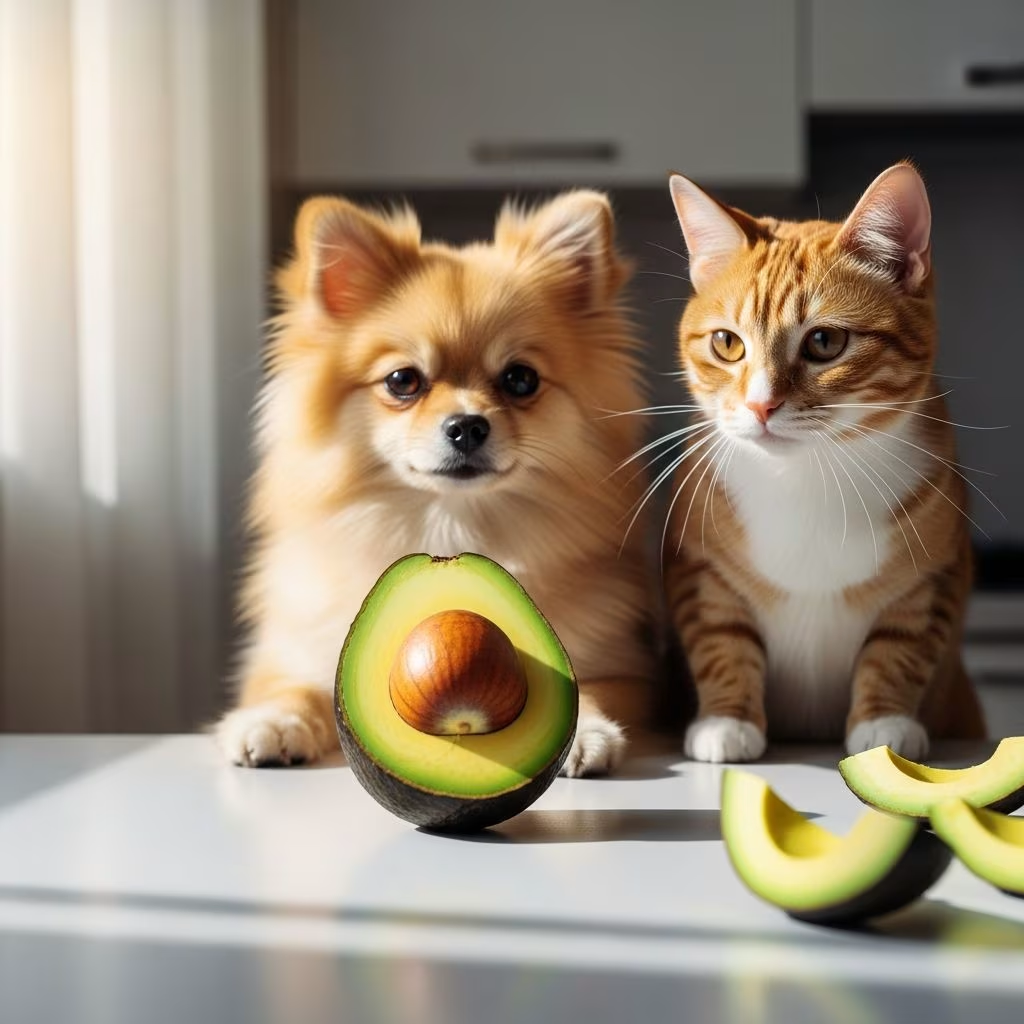
Avocados have become increasingly popular in human diets due to their nutritional profile and versatility in cooking. However, what benefits our health as humans may pose significant risks to our beloved pets. While occasional small exposures may not cause immediate harm, understanding the potential dangers of avocados for cats and dogs is essential for responsible pet ownership. This comprehensive guide explores the risks associated with avocado consumption in pets and provides practical advice for keeping your companions safe.
Understanding Persin: The Hidden Danger in Avocados
The primary concern with avocados for pets stems from a naturally occurring substance called persin, a fungicidal compound found throughout the avocado tree and fruit. This toxin is particularly concentrated in certain parts of the avocado, making some components more dangerous than others. Persin works by disrupting normal cellular function in animals sensitive to this compound, leading to various health complications depending on the species and amount consumed.
Persin is fat-soluble, meaning it dissolves in and binds to fatty substances within the body. This characteristic is significant because avocados are themselves rich in oils and fats, which may facilitate the absorption and distribution of persin throughout an animal’s system. As avocados ripen on the tree, becoming increasingly fatty and oil-rich, persin molecules can migrate from the pit and skin into the flesh of the fruit, making ripe avocados potentially more problematic than unripe ones.
Why Cats Face Particular Risks from Avocados
Cats are obligate carnivores with digestive systems specifically adapted to process protein and fat from animal sources. Their metabolism differs significantly from humans, making them unable to safely process certain plant-based compounds. When cats consume avocado, they face multiple overlapping risks that can compromise their health.
Toxicity Concerns Specific to Felines
The persin content in avocados poses a direct toxicological threat to cats. When ingested in significant quantities, persin can accumulate in the feline system and cause adverse health effects. The threat is particularly pronounced when cats consume the skin, leaves, or pit of the avocado, where persin concentration is highest.
Pancreatitis Risk from High Fat Content
Beyond persin toxicity, avocados present another serious danger to cats through their exceptionally high fat content. Cats’ bodies are not equipped to process large amounts of dietary fat efficiently. When cats consume high-fat foods, they risk developing pancreatitis, an inflammatory condition affecting the pancreas that severely disrupts digestive function and blood sugar regulation.
Even avocado oil, which lacks the persin toxin found in whole avocados, remains problematic for feline consumption due to its extreme fat density. This means that alternative avocado products marketed as pet-safe may still pose serious health risks to cats.
Choking and Intestinal Blockage Hazards
The avocado pit and skin present mechanical dangers beyond chemical toxicity. These hard components can lodge in a cat’s throat, causing choking, or if swallowed, create obstructions in the esophagus, stomach, or intestinal tract. Such blockages often require emergency veterinary surgical intervention and can become life-threatening if not addressed promptly.
Risks to Dogs from Avocado Consumption
Dogs have a greater tolerance for persin than cats, making them somewhat less vulnerable to this specific toxin. However, this increased tolerance does not mean avocados are safe for canine consumption. Dogs face their own constellation of health risks from avocado exposure.
Persin Toxicity in Dogs
While dogs would typically need to consume large quantities of persin-containing parts of the avocado to experience significant poisoning, this does not mean small amounts are consequence-free. Even modest persin exposure can cause mild gastrointestinal upset in sensitive dogs, manifesting as stomach discomfort or intestinal irritation. The persin content is highest in the pit, skin, and leaves, making these components particularly dangerous even for canines.
High Fat Content and Associated Complications
The high fat content of avocados presents a more significant concern for dogs than persin does. Excessive dietary fat can trigger pancreatitis, particularly in dogs with genetic predisposition to this condition. Additionally, the caloric density of avocados contributes to weight gain and obesity in dogs, which cascades into numerous secondary health problems including diabetes, joint stress, and reduced mobility.
Pit-Related Hazards
Although the avocado pit is not inherently toxic to dogs, it poses substantial mechanical dangers. The large seed can cause choking or, if swallowed whole or in fragments, create intestinal blockages requiring emergency surgical removal. These complications can rapidly become life-threatening without immediate veterinary intervention.
Comparative Pet Vulnerability to Avocado Toxicity
Different animal species exhibit varying degrees of sensitivity to persin. Understanding this spectrum helps pet owners recognize which companion animals face the greatest risk:
| Animal Species | Sensitivity Level | Primary Risk Factors |
|---|---|---|
| Birds | Extremely High | Persin causes respiratory difficulty, cardiac damage, and potential death |
| Horses and Ruminants | High | Significant persin toxicity with sufficient ingestion |
| Rabbits | Moderate to High | Sensitivity to persin and high fat content |
| Cats | Moderate | Persin toxicity plus high fat content risks |
| Dogs | Lower | Requires large quantities for persin poisoning; fat content remains concerning |
Birds demonstrate the most severe sensitivity to persin, making avocados completely off-limits for any bird species kept as pets.
Commercial Pet Foods and Avocado Oil Products
Some commercial pet food manufacturers include avocado oil in their formulations, which has caused confusion among pet owners about whether avocados are acceptable for pets. The key distinction is that properly formulated commercial pet foods containing avocado oil maintain strict limits on fat content and have been tested for safety profiles.
However, this does not mean avocado oil is inherently safe for home feeding. Avocado oil remains extremely high in fat content and lacks the quality controls present in commercial formulations. Given the risk of pancreatitis, avocado oil should be avoided as a dietary supplement or cooking ingredient for pets.
Safe Preparation Methods If Avocado Exposure Occurs
Despite best efforts to prevent access, pets may occasionally encounter avocado. If you choose to offer small amounts to your dog or cat, following specific preparation guidelines minimizes risk:
- Carefully remove all skin from the avocado, ensuring no fragments remain
- Completely remove and discard the pit
- Cut the flesh into appropriately sized pieces for your pet’s size
- Limit portions to no more than 1 teaspoon per 10 pounds of dog weight
- Offer only the flesh, never other parts of the fruit
- Feed as an occasional treat, not a regular dietary component
Symptoms of Avocado-Related Illness in Pets
Pet owners should recognize warning signs that indicate avocado consumption may have caused harm. Seek immediate veterinary attention if your pet exhibits any of the following symptoms after avocado exposure:
- Vomiting or retching
- Diarrhea or loose stools
- Abdominal pain or visible discomfort
- Lethargy or unusual fatigue
- Difficulty breathing or respiratory distress
- Difficulty eating or swallowing
- Fever
- Loss of appetite
- Signs of choking or gagging
These symptoms can indicate persin toxicity, pancreatitis, allergic reaction, or mechanical obstruction—all requiring professional veterinary evaluation.
Frequently Asked Questions About Pets and Avocados
Is a small bite of avocado toast dangerous to my dog?
A tiny incidental bite of avocado flesh is unlikely to cause serious harm, but you should monitor your dog closely for signs of gastrointestinal upset. Avoid feeding avocado intentionally, and if your dog accidentally consumes a portion, watch for vomiting, diarrhea, or lethargy over the following 24-48 hours.
Can cats eat avocado occasionally?
While very small amounts of plain avocado flesh infrequently may not cause immediate serious harm, veterinarians generally recommend avoiding avocado entirely for cats. The risks of both persin toxicity and pancreatitis make even occasional consumption inadvisable.
Are all parts of the avocado equally dangerous?
No. The pit, skin, and leaves contain the highest concentrations of persin and pose the greatest risk. The flesh contains lower persin levels but still carries risk due to fat content. Leaves are particularly hazardous and should be completely inaccessible to pets.
What should I do if my pet ate an avocado pit?
Contact your veterinarian immediately, as pit ingestion carries risk of intestinal blockage requiring emergency surgery. Your vet may recommend observation, imaging studies, or surgical intervention depending on your pet’s size, symptoms, and imaging findings.
Are there safer alternatives to avocado for pets?
Yes. Pets benefit from species-appropriate whole foods like carrots, green beans, pumpkin, apples (without seeds), and berries. Always consult your veterinarian before introducing new foods to ensure they’re appropriate for your individual pet’s health status.
Creating a Pet-Safe Environment
Prevention remains the most effective strategy for protecting pets from avocado exposure. Implement these practical measures:
- Store avocados in secure locations inaccessible to pets
- Dispose of avocado pits and skins immediately in sealed containers
- Compost avocado plant material separately from pet areas
- Prevent access to avocado trees if you have outdoor pets
- Educate family members and visitors about the dangers
- Keep trash receptacles secure and pet-proof
- Supervise pets during meal preparation involving avocados
When to Contact Your Veterinarian
Consult your veterinarian immediately if your pet has consumed avocado and you observe symptoms, are uncertain about the quantity consumed, or if your pet ingested the pit, skin, or leaves. Your vet can perform appropriate evaluations, recommend treatment, and provide guidance specific to your pet’s health profile and risk factors.
Conclusion
While avocados provide substantial nutritional benefits for human consumption, they present genuine health risks to cats, dogs, and other common pets. The combination of persin toxicity, high fat content, and mechanical hazards from pits and skin makes avocado an inappropriate food choice for companion animals. By understanding these risks, maintaining pet-safe environments, and consulting veterinarians about nutrition, pet owners can ensure their companions remain healthy and protected from preventable harm.
References
- Can Your Dog or Cat Eat Avocado? — Avocados From Mexico. 2024. https://avocadosfrommexico.com/education/how-to/educating-pet-owners/
- Can Cats Eat Avocado? — Chewy. 2024. https://www.chewy.com/education/cat/food-and-nutrition/can-cats-eat-avocado
- Can Cats Eat Avocado? A Guide to Safety — Purina US. 2024. https://www.purina.com/articles/cat/feeding/can-cats-eat/avocado
- Can Dogs Eat Avocado? — American Kennel Club. 2024. https://www.akc.org/expert-advice/nutrition/can-dogs-eat-avocado/
- Can Dogs Eat Avocado? — PetMD. 2024. https://www.petmd.com/dog/nutrition/can-dogs-eat-avocado
- People Foods to Avoid Feeding Your Pets — ASPCA. 2024. https://www.aspca.org/pet-care/aspca-poison-control/people-foods-avoid-feeding-your-pets



