

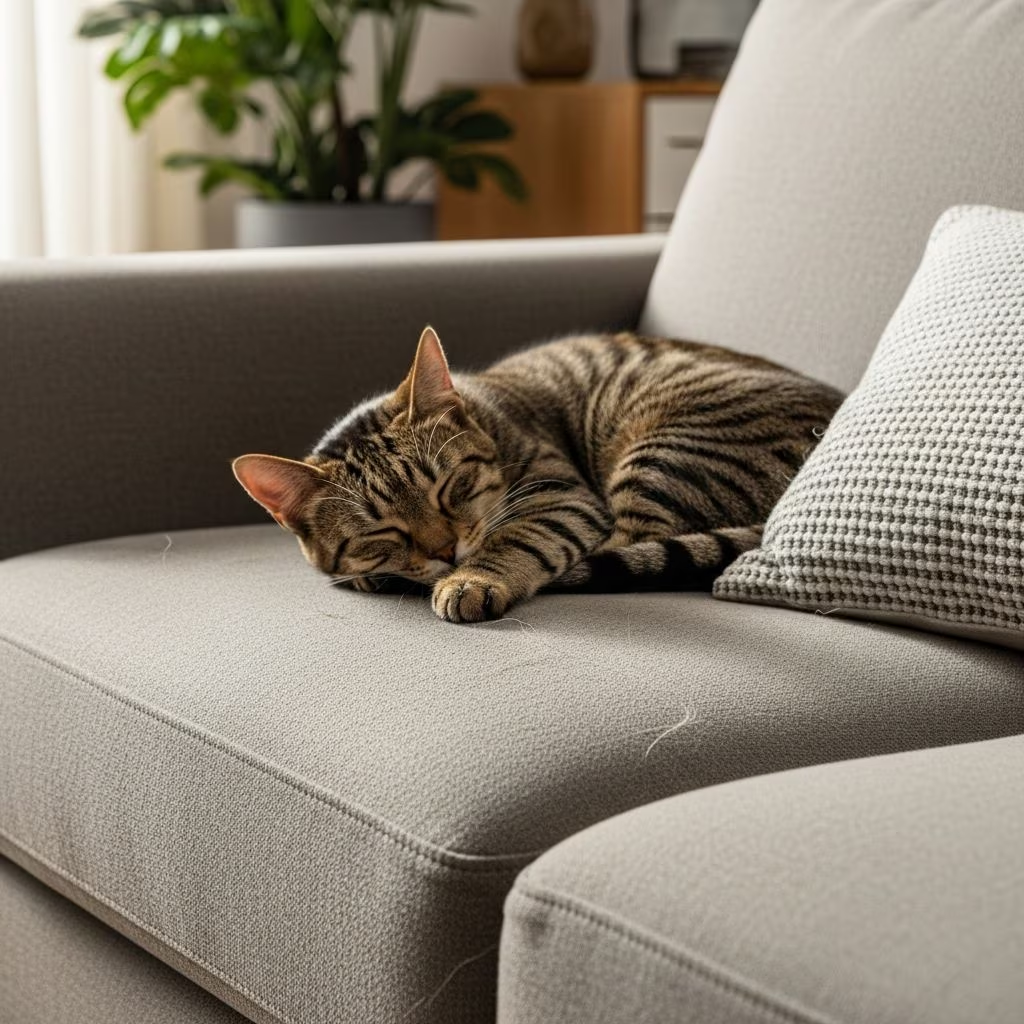
Owning a cat brings joy and companionship to any home, but it also presents unique challenges when it comes to preserving furniture. Cats naturally engage in scratching and shedding behaviors that can quickly deteriorate standard upholstery. Rather than accepting worn-out couches and chairs, pet owners can make informed decisions about which materials stand up to feline activity while maintaining aesthetic appeal and functionality.
The key to protecting your investment lies in understanding fabric construction, weave density, and material composition. By selecting appropriate upholstery, you can create a living space where both you and your feline companion can thrive without constant worry about damage.
Why Fabric Selection Matters for Cat Owners
Cats scratch furniture for several natural reasons: to mark territory, stretch muscles, and shed the outer layer of their claws. This behavior is instinctive and cannot be completely eliminated through training alone. When cats encounter unsuitable fabric, their claws can penetrate loose weaves, snag delicate fibers, and create visible damage within weeks.
The choice between replacing furniture frequently or investing in quality cat-resistant materials becomes a practical economic decision. Furniture designed to withstand pet-related wear typically costs more initially but lasts significantly longer, ultimately providing better value. Additionally, these materials often feature stain-resistant and easy-clean properties that address the full spectrum of pet-related challenges, including hair accumulation and accidental spills.
Understanding Fabric Construction and Weave Density
Not all fabrics are created equal when it comes to pet resistance. The fundamental factor determining scratch resistance is weave density—the tightness with which threads are interlocked. Materials with higher thread counts and compact weaves prevent cat claws from penetrating the surface or snagging fibers. Conversely, loosely woven fabrics like chenille and certain velvet types provide perfect targets for scratching because claws can easily grip and pull at the fibers.
When evaluating upholstery samples, consider texture and surface characteristics. Smooth, firm surfaces make it difficult for cats to gain purchase with their claws, discouraging scratching behavior. Materials that feel too soft and inviting may actually encourage cats to use the furniture as a scratching post while simultaneously providing comfort for kneading—a behavior cats perform while purring that can rapidly damage delicate fabrics.
Superior Performance Materials for Pet-Friendly Homes
Microfiber: The Practical Choice
Microfiber represents one of the most accessible options for cat owners seeking durability without sacrificing comfort. This synthetic fabric is engineered with a tightly woven construction that resists claw penetration. The dense fiber arrangement prevents sharp nails from catching, and even when surface contact occurs, the material resists snagging.
Beyond scratch resistance, microfiber excels in stain management and hair removal. Pet hair sits on the surface rather than embedding deep within the weave, making vacuuming and lint-rolling straightforward. Spills can often be wiped away immediately, and most microfiber upholstery tolerates spot cleaning with mild soap and water without resulting in permanent marks or discoloration.
Leather: Timeless Durability
Both genuine and eco-friendly leather options provide exceptional performance in households with cats. Top-grain leather—the thickest and most durable hide grade—resists scratching effectively because cat claws cannot penetrate the dense, protective surface. While scratches may occasionally appear, they often blend into the natural patina that leather develops over time, making minor damage nearly invisible.
Leather’s non-porous surface prevents odor absorption and resists staining from most accidents. Cleaning requires minimal effort; a damp cloth removes pet hair and spills without requiring specialized products. For environmentally conscious consumers, eco-leather provides similar durability and appearance to genuine leather while offering a more sustainable alternative at a more accessible price point.
Heavy-Duty Woven Textiles
Canvas, denim, and duck fabric have been trusted for centuries in demanding applications precisely because they withstand significant wear. These tightly woven cotton-based textiles feature high thread counts that prevent claw penetration. Denim, familiar from apparel manufacturing, transitions beautifully into furniture applications, offering both durability and an attractive casual aesthetic.
Canvas provides washability—a feature that distinguishes it from many luxury fabrics. When canvas slipcovers become soiled, they can be removed and laundered, eliminating concerns about permanent damage from pet accidents or accumulated fur. This practical advantage makes canvas particularly appealing for households where cats frequently interact with furniture or spend extended periods lounging.
Performance Fabrics: The Advanced Solution
Modern performance fabrics represent the cutting edge of pet-resistant upholstery technology. These materials undergo specialized treatment and construction processes that simultaneously resist UV damage, moisture penetration, staining, and physical damage from claws. Crypton, a leading performance fabric brand, exemplifies this category through its dense weave and protective coating.
While performance fabrics typically command premium prices, their longevity justifies the investment for serious pet owners. These materials can withstand years of aggressive use while maintaining their original appearance, making them ideal for high-traffic areas where cats spend considerable time.
Fabrics to Minimize or Avoid
Understanding which materials prove problematic is equally important as knowing which excel. Silk upholstery, while luxurious and elegant, represents poor value for cat-owning households. The delicate fibers snag easily, and damage typically becomes permanent. Silk’s high cost compounds the disappointment when scratching or shedding occurs.
Chenille, despite its stain-resistant qualities, presents a paradox for pet owners. The fuzzy, textured surface actually encourages scratching behavior—cats find it irresistible for kneading and clawing. Velvets made from silk or pure cotton also fall into the problematic category, though certain microfiber velvet variants can perform acceptably if the weave remains sufficiently dense.
Linen and similar loose-weave natural fabrics allow claws to penetrate easily, resulting in visible damage and unraveling. Suede, both genuine and faux versions made with delicate construction, tears and stains readily. Standard polyester velvet without reinforced weaving similarly fails to provide adequate protection.
Comparative Overview of Popular Options
| Fabric Type | Scratch Resistance | Stain Resistance | Cleanability | Relative Cost |
|---|---|---|---|---|
| Microfiber | Excellent | Very Good | Easy to Wipe/Wash | Moderate |
| Top-Grain Leather | Excellent | Excellent | Very Easy | High |
| Canvas/Denim | Very Good | Good | Washable/Wipeable | Low to Moderate |
| Crypton/Performance | Excellent | Excellent | Very Easy | Very High |
| Silk Velvet | Poor | Poor | Difficult | Very High |
| Chenille | Poor | Good | Moderate | Moderate |
Strategic Color and Pattern Selection
Beyond material composition, choosing appropriate colors and patterns offers practical benefits for cat owners. Darker hues and patterned designs effectively camouflage pet hair, reducing the constant visual reminder of shedding. A medium gray or taupe upholstery shows both cat and human hair less than bright whites or blacks, extending the intervals between cleaning sessions.
Matching furniture color to your cat’s coat color, when possible, makes shed hair virtually invisible. While this may seem superficial, the psychological benefit of a neat-appearing home contributes meaningfully to pet owner satisfaction. Textured surfaces, including subtle patterns and dimensional weaves, similarly help conceal minor scratches and wear.
Maintenance Practices for Extended Furniture Life
Even the most durable fabrics benefit from consistent maintenance routines. Regular vacuuming with appropriate attachment tools removes loose hair before it settles into fibers. For microfiber and performance fabrics, weekly vacuuming prevents accumulation while keeping surfaces fresh.
Lint rollers and rubber-bristled brushes efficiently collect hair from most upholstery types. Addressing spills immediately prevents staining, particularly important even for stain-resistant materials. Many manufacturers recommend specific cleaning protocols; following these guidelines preserves warranties and maintains protective coatings.
Strategic placement of washable throws and blankets protects high-traffic lounging areas where cats frequently rest. These removable covers absorb impact from claws and catching, while remaining easily cleanable or replaceable.
Making Your Selection: Key Considerations
- Assess your cat’s behavior: Gentle cats causing minimal damage may thrive with durable mid-range fabrics, while highly destructive scratchers warrant premium performance materials or leather.
- Evaluate your budget: Balance initial costs against longevity expectations. Expensive performance fabrics may prove economical over a decade-long ownership period.
- Consider style preferences: Modern microfiber and synthetic suede options accommodate diverse aesthetic choices from contemporary to traditional interiors.
- Prioritize easy maintenance: Machine-washable canvas and wipeable leather reduce long-term care burden and frustration.
- Test small samples: Request fabric swatches and allow your cat to interact with them before committing to large furniture purchases.
- Investigate warranty coverage: Many manufacturers offer specific guarantees for pet-related damage on designated materials.
Frequently Asked Questions
Can cats scratch through microfiber upholstery?
While microfiber’s tight weave resists most scratching, determined or particularly aggressive cats may occasionally cause visible damage. However, the frequency and severity of damage remains dramatically lower than with delicate fabrics.
Is genuine leather actually better than faux leather for cats?
Genuine top-grain leather provides superior durability and longevity compared to most faux alternatives, though quality eco-leather options now perform comparably at lower price points.
How often should I clean cat-resistant upholstery?
Weekly vacuuming and spot cleaning as needed maintain appearance. More intensive cleaning typically becomes necessary only quarterly or annually, depending on usage levels and accident frequency.
Can patterned fabrics better disguise scratches?
Yes, subtle patterns and textured finishes effectively conceal minor damage that would be obvious on solid-colored, smooth fabrics.
Conclusion: Creating a Beautiful, Durable Living Space
Selecting appropriate furniture materials represents a straightforward way to coexist peacefully with cats while maintaining home aesthetics and comfort. Modern fabric technology has expanded options far beyond sacrificing style for practicality. From elegant leather to contemporary microfiber, from casual canvas to advanced performance textiles, cat owners can now furnish their homes beautifully while protecting their investment from inevitable pet-related wear.
The optimal choice depends on individual circumstances, preferences, and budgets. By prioritizing tight weaves, stain resistance, and easy maintenance, you create an environment where your feline companions feel at home and your furniture remains attractive and functional for years to come.
References
- Cat-Proof Fabrics: A Comprehensive Guide — Opa Living. 2024. https://www.opaliving.co.uk/blogs/news/cat-proof-fabrics-a-comprehensive-guide
- Pet-Friendly and Cat-Proof Couches – Best Material — Grado Design. 2024. https://www.gradodesign.com/stories/pet-friendly-and-cat-proof-couches-choosing-the-best-material-for-pet-owners
- Best Furniture Fabric for Cats | Cat Friendly Upholstery — Kovi Fabrics. 2024. https://www.kovifabrics.com/pages/cat_resistant_fabric
- Anti Cat Scratch Fabric — Luxury Sofa Fabric. 2024. https://luxurysofabric.com/collections/anti-cat-scratch-fabric
- What Is The Best Furniture Fabric For Cat Owners? — Yorkshire Fabric Shop. 2024. https://yorkshirefabricshop.com/blogs/knowledge/what-is-the-best-furniture-fabric-for-cat-owners
- The Best and Worst Fabrics for Cat Owners: A Practical Guide to Cat-Friendly Upholstery — Catenary Home. 2024. https://catenaryhome.com/blogs/catenary-blogs/the-best-and-worst-fabrics-for-cat-owners-a-practical-guide-to-cat-friendly-upholstery



