Pet-Safe Rodent Control Strategies
Protect your home from rats and mice without endangering pets using humane traps, prevention tips, and expert-recommended methods.
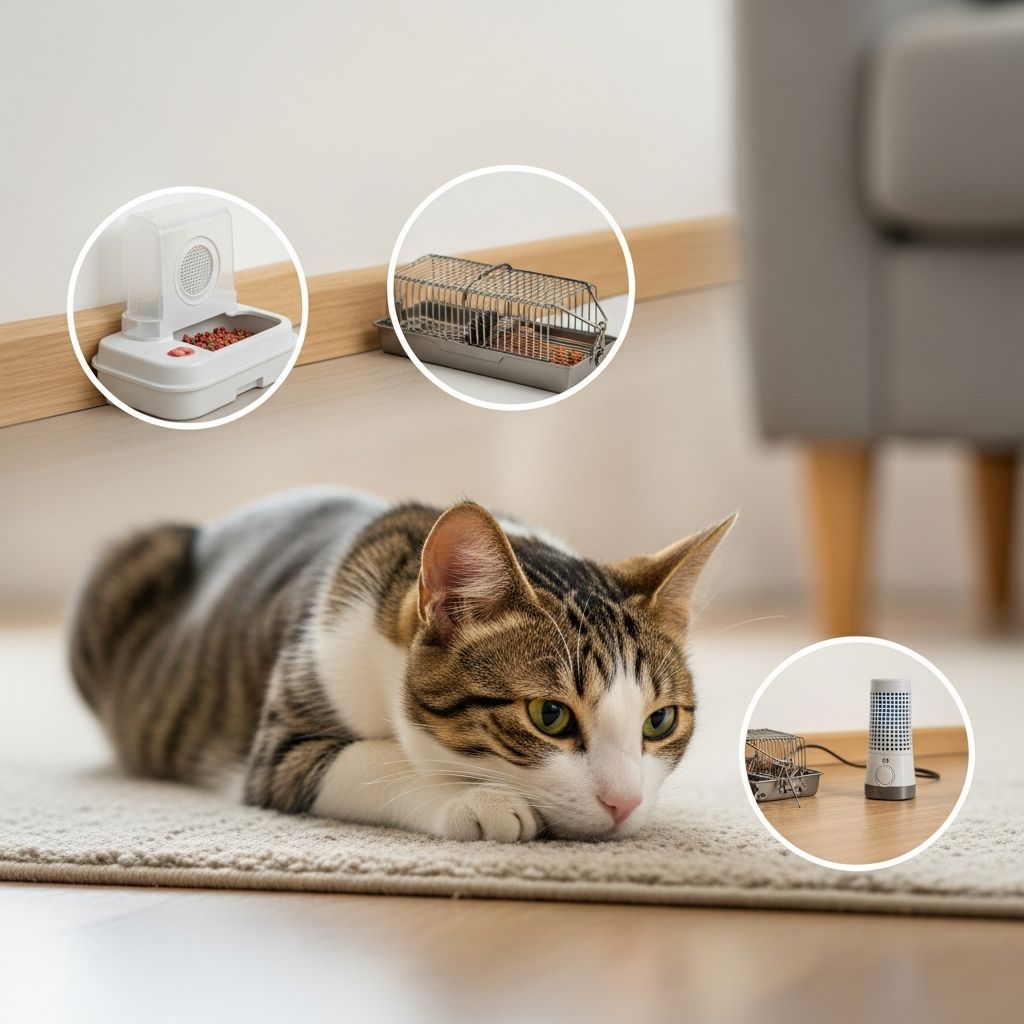
Rodents like rats and mice pose significant risks to homes with pets, from spreading diseases to causing structural damage. Fortunately, numerous strategies exist to manage these pests without relying on hazardous poisons that could harm dogs, cats, or other animals. This guide explores prevention, safe trapping methods, bait options, and long-term solutions grounded in reliable practices.
Understanding Rodent Risks in Pet Households
Rats and mice carry pathogens such as hantavirus, leptospirosis, and salmonella, which can infect pets and humans through contact with droppings, urine, or nesting materials. They also gnaw on electrical wires, potentially sparking fires, and introduce fleas or ticks that affect companion animals. In pet homes, the challenge intensifies because many control methods inadvertently endanger furry family members.
Traditional rodenticides often lead to secondary poisoning, where pets consume tainted rodents and suffer organ failure or death. Safer alternatives focus on exclusion, sanitation, and mechanical traps, aligning with recommendations from health authorities like the CDC.
Prevention: The First Line of Defense
Stopping rodents before they enter is the most effective and pet-safe approach. By denying access to food, water, and shelter, you reduce infestation risks dramatically.
- Seal Entry Points: Inspect your home’s exterior for gaps as small as 1/4 inch. Use metal mesh, steel wool, or foam sealant with bittering agents to block holes around doors, vents, pipes, and foundations.
- Secure Food Sources: Store pet food, birdseed, and human groceries in airtight metal or glass containers. Avoid leaving bowls out overnight and clean spills promptly.
- Manage Waste: Use lidded trash bins and compost only plant-based materials, excluding meats or dairy that attract scavengers.
- Eliminate Water Access: Fix leaky faucets, clear clogged drains, and remove standing water from pet bowls after use.
Regular property sweeps—inside and out—help identify attractants early. For instance, trim overgrown vegetation and store firewood elevated and away from walls.
Humane Trapping Options for Pets
When prevention falls short, traps provide targeted control. Choose pet-safe designs that minimize injury risks to non-target animals.
| Trap Type | How It Works | Pet Safety Features | Best Baits |
|---|---|---|---|
| Catch-and-Release | Captures live rodents in a secure enclosure for relocation. | No kill mechanism; place out of pet reach if small animals could enter. | Peanut butter, nuts, berries, seeds. |
| Electric Zappers | Lures rodent inside, delivers quick shock upon entry. | Enclosed design; elevate or secure to prevent pet access. | Peanut butter, nuts. |
| Snap Traps (Enclosed) | Spring-loaded bar kills instantly; boxed versions hide contents. | Tamper-resistant housing protects kids and pets. | Bacon bits, chocolate lure (non-toxic types). |
| Multi-Catch Live Traps | Holds several mice at once without harm. | Check local laws on release; wear gloves for disease prevention. | Seeds, soft fruits. |
Pre-bait traps without setting them to acclimate wary rodents, a technique endorsed by the CDC for rats. Change bait every 2-3 days and scatter traces nearby to draw interest without alerting to human scent. Position traps along walls, behind appliances, or in dark corners where rodents travel.
Safe Bait Choices and Lures
Effective baits mimic rodents’ preferred foods without toxicity risks to pets. Avoid open poisons; opt for enclosed stations if bait is unavoidable.
- Protein-Rich Options: Cooked bacon, sausage snippets, or nut butters like peanut or almond stick well and entice quickly.
- Sweet and Seed Appeals: Sunflower or pumpkin seeds, soft berries, or chocolate-based lures (verify pet-safety with manufacturers).
- Pro Tip: Mix baits for variety, as rodents develop bait shyness. For electric or snap traps, a dab of peanut butter on a cotton ball prevents theft without triggering.
In severe cases, EPA-registered baits in tamper-resistant stations may be used as a last resort, but only after consulting professionals and following labels strictly.
Advanced Non-Toxic Solutions
Beyond basic traps, innovative tools offer humane, efficient control.
- CO2-Powered Quick-Kill Traps: These use compressed gas for instant, silent dispatch without electricity or poisons. Pet-safe when mounted securely.
- Fertility Control Stations: Reduce populations over time by affecting reproduction, ideal for ongoing outdoor issues.
- Ultrasonic Repellers: Emit high-frequency sounds rodents dislike; effectiveness varies, so combine with other methods.
- Radio Deterrents: Place a talk radio station near activity zones to mimic human presence and discourage nesting.
For attic or garage infestations, enclosed snap traps in bait stations provide controlled access, protecting livestock or pets like chickens and dogs.
Step-by-Step Infestation Management Plan
- Assess Activity: Look for droppings (rice-sized for mice, larger for rats), greasy rub marks, gnaw damage, or nests.
- Clean Thoroughly: Vacuum droppings (wear mask), disinfect with bleach solution, and dispose of contaminated items.
- Implement Prevention: Seal and sanitize as outlined.
- Set Traps: Use 10-20 per infestation area; check daily and reset.
- Monitor Progress: Expect 1-2 weeks for results; persist until signs vanish.
- Professional Help: For large outbreaks, hire IPM-certified exterminators emphasizing non-toxic methods.
Common Mistakes to Avoid
Many homeowners undermine efforts with pitfalls like using glue boards, which cause suffering and disease spread via urine, or ignoring sanitation. Never release trapped rodents near homes, as they return swiftly. Also, bypass unproven remedies like ultrasonic alone without backups.
FAQs
Are electric traps safe for homes with dogs?
Yes, if placed high or in inaccessible spots. The enclosed design and quick kill prevent pet interference.
Can I use snap traps around cats?
Opt for enclosed models to shield from curious paws and hide remains.
What if a pet gets stuck in a glue trap?
Apply vegetable oil to dissolve adhesive, release gently, and seek vet care if injured. Prevention is key.
How do I dispose of dead rodents safely?
Double-bag, spray with disinfectant, and bury or trash securely. Wash hands thoroughly.
Are there natural repellents that work?
Peppermint oil or predator urine offer temporary deterrence but pair with traps for reliability.
Long-Term Maintenance for Rodent-Free Homes
Sustain success with monthly inspections, seasonal sealing updates, and prompt food spill cleanups. Educate household members on protocols to prevent lapses. In rural or multi-pet settings, integrate bird-proof feeders and secure coops.
By prioritizing prevention and pet-safe tools, you safeguard your home effectively. These methods not only control pests but foster a healthier environment for all inhabitants.
References
- Pet-Safe, Natural, and Dangerous Rodent Bait — Preventive Vet. 2023. https://www.preventivevet.com/pets/pet-safe-rat-and-mouse-baits-and-traps
- Safe Rodent-Control Solutions — Center for Biological Diversity. 2024-01-15. https://www.biologicaldiversity.org/campaigns/Safe-Rodent-Control/rodent-control-solutions.html
- How to Trap Up to Remove Rodents — Centers for Disease Control and Prevention (CDC). 2025-03-10. https://www.cdc.gov/healthy-pets/rodent-control/trap-up.html
- KILL ALL Rats And Mice Around Your Home. Safe For Pets! — YouTube (Video Demonstration). 2024-06-20. https://www.youtube.com/watch?v=Wg9-yFIXlx0
Similar Articles








Read full bio of Sneha Tete