
Pet-Safe Nuts and Seeds Guide
Discover which nuts and seeds are safe for your pets, potential risks, and healthy feeding tips to keep dogs and cats thriving.
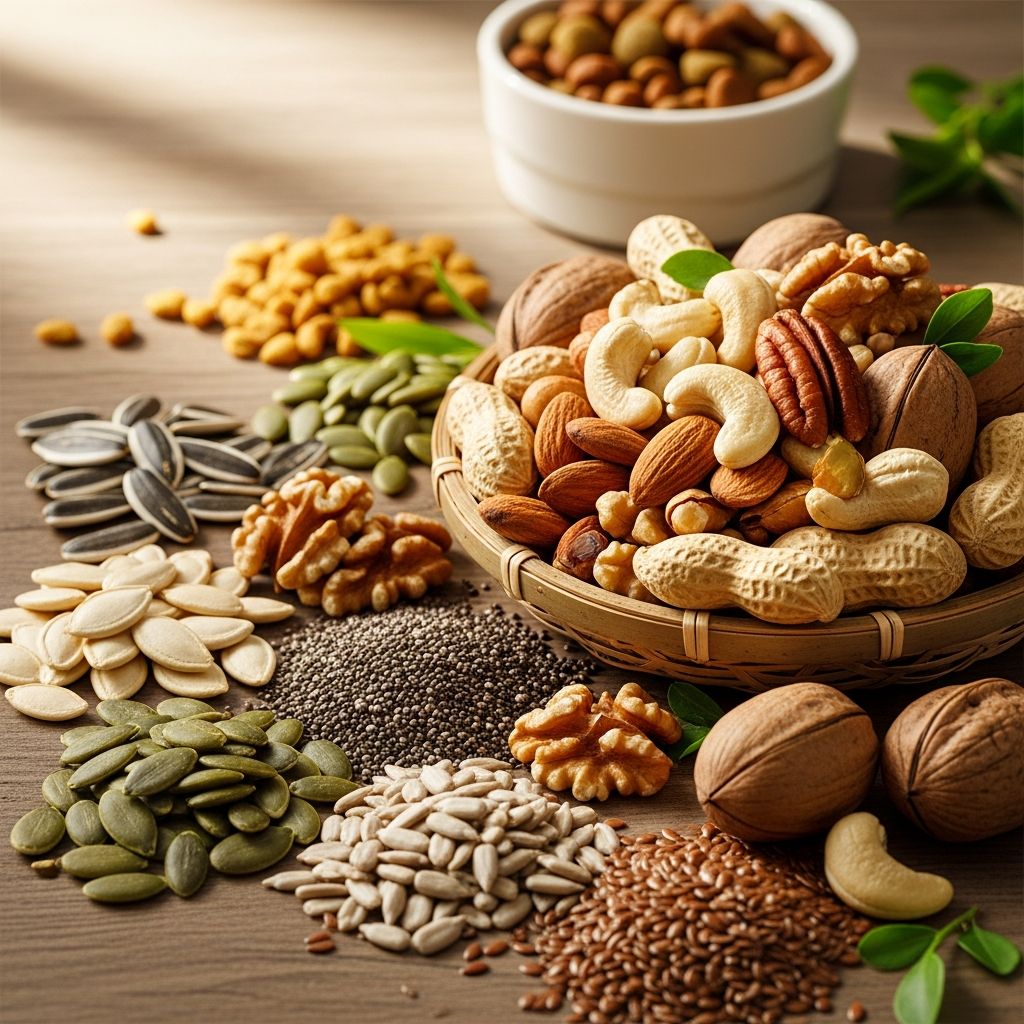
Pet owners often wonder if sharing nutrient-packed nuts and seeds from their own snacks is okay for dogs, cats, or other companions. While these foods offer proteins, healthy fats, and vitamins beneficial for humans, their suitability for pets varies widely. Some provide valuable boosts to coat health and digestion when given properly, but others carry serious risks like toxicity, choking, or digestive upset. This guide breaks down which options are suitable, those to avoid entirely, and best practices for safe inclusion in a pet’s diet.
Nutritional Value of Nuts and Seeds for Pets
Nuts and seeds are dense in essential nutrients that can complement a balanced pet diet. They supply omega fatty acids for shiny coats, proteins for muscle maintenance, and minerals like zinc and iron for immune support. For instance, certain seeds promote joint health and may deter parasites, making them appealing additions for active pets. However, their high calorie and fat content demands moderation to prevent obesity or pancreatitis, especially in smaller animals or those prone to weight gain.
- Protein Power: Many nuts act as complete or near-complete protein sources, aiding growth in puppies or recovery in seniors.
- Fatty Acids: Omega-3 and omega-6 fats from seeds improve skin conditions and reduce inflammation.
- Vitamins and Minerals: High levels of vitamin E, B vitamins, and magnesium support overall vitality.
Always prioritize unsalted, unprocessed varieties to maximize benefits without added sodium risks.
Nuts That Pets Can Enjoy Safely
A select few nuts prove tolerable for dogs when offered sparingly and prepared correctly. Peanuts, though legumes, top the list as a protein-rich option familiar to many pets via commercial treats. Cashews follow, providing softness that eases chewing, but only if raw and shell-free to sidestep irritants like urushiol.
| Nut Type | Key Benefits | Calories per 100g | Feeding Notes |
|---|---|---|---|
| Peanuts (raw) | High protein, healthy fats | 567 | Unsalted, ground into butter for safety |
| Cashews (raw) | Soft texture, minerals | 553 | No shells, moderate portions |
| Almonds (blanched) | Vitamin E, antioxidants | 590 | Chopped finely, occasional use |
These choices shine in small doses—think a teaspoon for a medium dog—mixed into meals or as training rewards. Grinding reduces choking risks, allowing slower consumption and better digestion.
Dangerous Nuts to Keep Away From Pets
Not all nuts belong in a pet’s bowl. Macadamia nuts stand out as highly toxic, triggering weakness, vomiting, and tremors even in tiny amounts due to unknown compounds affecting the nervous system. Walnuts, particularly black varieties, harbor tremorgenic mycotoxins from molds, leading to seizures. Pecans and pistachios risk aflatoxins, potent carcinogens from fungal growth.
- Macadamia: Neurological symptoms within hours; veterinary emergency required.
- Walnuts (all types): Vomiting, tremors; English and Japanese also risky.
- Pecans/Pistachios: Mold toxins cause liver damage over time.
Store these in pet-proof spots, as accidental access during holidays proves common. Even ‘safe’ nuts like almonds can splinter or block intestines if swallowed whole.
Seeds That Boost Pet Health
Seeds often outshine nuts for pet safety and nutrition. Pumpkin seeds deliver antiparasitic properties alongside iron and fiber, ideal for deworming support. Sunflower seeds pack vitamin E for coat luster, while hemp and flax offer omega-3s for joint relief and anti-inflammatory effects. Chia seeds expand with water, aiding hydration and digestion when soaked.
- Pumpkin: Grind for parasite control and digestive aid.
- Sunflower: Shelled for skin health; B vitamins bonus.
- Hemp Hearts: Complete protein, negligible THC.
- Flax/Chia: Soak to unlock omegas; improve feathers in birds too.
For cats, these work similarly but in tinier portions due to size. Introduce gradually to monitor tolerance.
Seeds and Pits Posing Serious Threats
Fruit-related seeds demand caution. Apple and cherry seeds contain cyanide precursors, releasing poison when chewed. Poppy seeds, though tiny, carry opioids potent enough for sedation or worse. Stone fruit pits (peach, plum, apricot) risk choking plus cyanide from their hard shells.
Avoid entirely:
- Apple/fruit seeds: Cyanide toxicity.
- Poppy: Opioid effects, respiratory depression.
- Grape seeds: Potential kidney strain in dogs.
Remove all seeds from fruits before sharing flesh; pits stay in the trash securely.
Preparation Tips for Safe Feeding
Proper handling transforms potential hazards into treats. Grind or blend nuts into pastes for choking prevention and phytic acid reduction—anti-nutrients that bind minerals. Soak seeds 12-24 hours in lightly salted water, then rinse, to enhance digestibility. Skip shells entirely; they splinter and irritate.
Daily Limits by Pet Size
| Pet Size | Nuts/Seeds Amount | Frequency |
|---|---|---|
| Small (<20lbs) | 1/2 tsp ground | 2-3x/week |
| Medium (20-50lbs) | 1 tsp | 3x/week |
| Large (>50lbs) | 1-2 tsp | Daily max |
Freshness matters—moldy nuts breed toxins rapidly. Organic, raw options minimize pesticide exposure.
Health Risks and Warning Signs
Beyond toxicity, high fats provoke pancreatitis: vomiting, lethargy, abdominal pain. Allergies manifest as itching, swelling, or GI distress. Obesity creeps from overfeeding calorie bombs (up to 700kcal/100g). Watch for:
- Vomiting/diarrhea post-snack.
- Tremors, weakness (seek vet ASAP).
- Choking: pawing mouth, distress breathing.
Puppies, seniors, and breeds like Miniature Schnauzers face heightened pancreatitis risk.
Special Considerations for Cats and Other Pets
Cats share dog-safe lists but metabolize fats differently—limit even more stringently. Birds thrive on sunflower/pumpkin seeds for feather health, chopped nuts sparingly. Chickens peck almonds/walnuts finely, gaining egg-boosting fats. Rabbits tolerate small seeds but shun most nuts for gut balance.
Integrating into a Balanced Diet
View nuts/seeds as toppers, not staples—under 10% of calories. Pair with veggies for fiber balance. Consult vets for tailored advice, especially with conditions like obesity or allergies. Commercial foods often fortify these nutrients, reducing need for extras.
Frequently Asked Questions
Can dogs eat peanut butter?
Yes, smooth, xylitol-free versions sparingly; great for hiding pills.
Are salted nuts okay for pets?
No—excess sodium risks salt poisoning; always unsalted.
What if my pet eats a toxic nut?
Call vet or poison hotline immediately; symptoms can escalate fast.
Do seeds help with worms?
Pumpkin seeds show promise as natural aid, but not substitute for dewormers.
Can kittens have these treats?
Avoid until 6 months; stick to kitten formula then.
By selecting wisely and preparing thoughtfully, nuts and seeds enhance pet wellness without peril. Prioritize variety and veterinary input for peak health.
References
- Are Nuts And Seeds Safe For Dogs To Eat? — Ayoubs.ca. 2023. https://ayoubs.ca/blogs/news/are-nuts-and-seeds-safe-for-dogs-to-eat
- 3 Types of Nuts That Are Safe for Dogs to Eat — Pawlicy Advisor. 2024. https://www.pawlicy.com/blog/safe-nuts-for-dogs/
- Everything a Dog Owner Needs to Know About Nuts and Seeds — PetCareRx. 2023. https://www.petcarerx.com/article/everything-a-dog-owner-needs-to-know-about-nuts-and-seeds/4203
- Can Dogs Eat Nuts? — PetMD. 2025-03-15. https://www.petmd.com/dog/nutrition/can-dogs-eat-nuts
- Safe & Toxic Nuts Explained — Harmony Animal Hospital. 2024. https://www.harmonyanimalhospital.net/can-dogs-eat-nuts/
Similar Articles








Read full bio of Sneha Tete


