

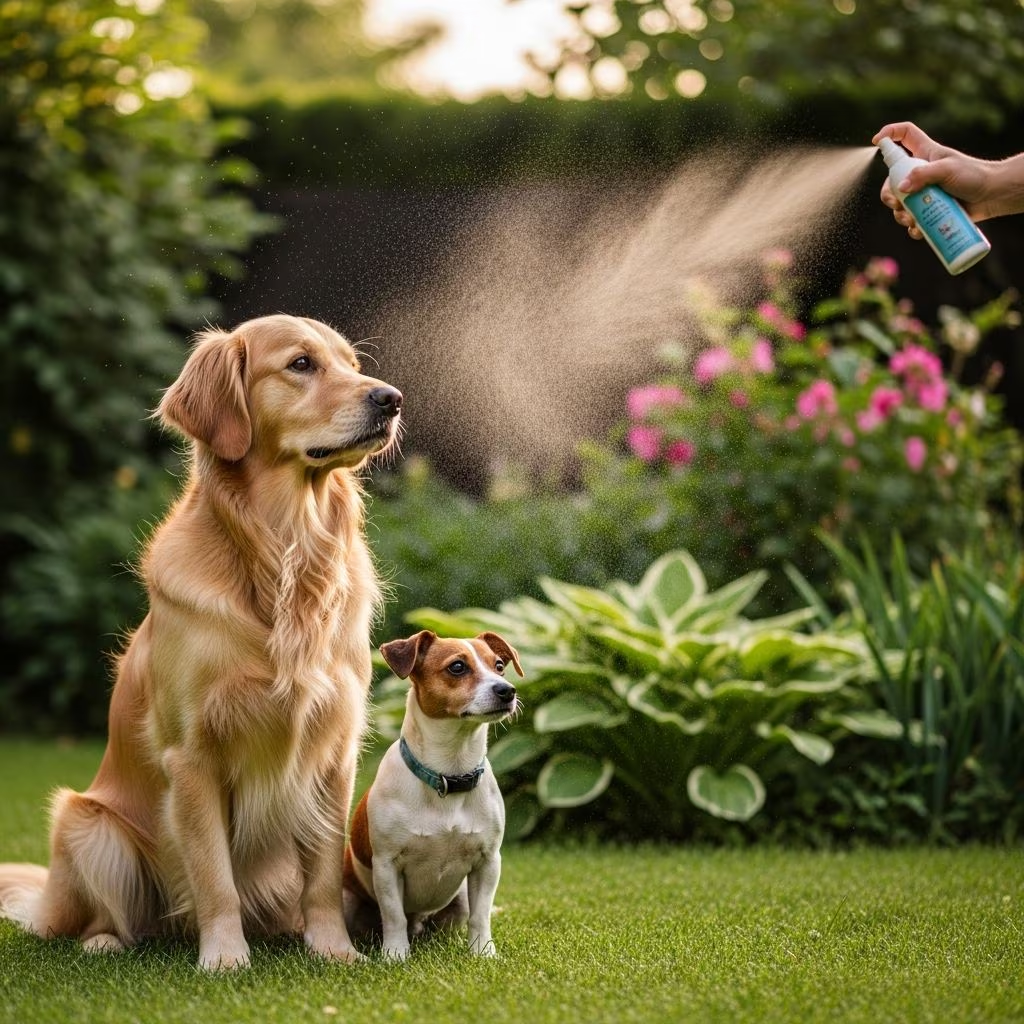
Mosquitoes pose a significant threat to dogs, transmitting heartworm disease through bites that can lead to severe heart and lung damage. Pet-safe mosquito sprays offer a targeted way to repel these pests using natural ingredients safe for canine use, allowing dogs to enjoy outdoor time without constant itching or disease risk. This guide covers effective products, application tips, what to avoid, and preventive strategies endorsed by veterinary experts.
Why Mosquito Repellent is Essential for Dogs
Mosquitoes are more than a nuisance; a single bite from an infected female can introduce heartworm larvae into a dog’s bloodstream. These larvae mature into adult worms that reside in the heart, lungs, and associated blood vessels, potentially causing permanent damage even in indoor pets. According to veterinary sources, heartworm disease affects dogs nationwide, with prevention being the only reliable defense since treatment is complex and risky.
Repellents reduce bite exposure, complementing monthly heartworm preventatives. Natural sprays formulated for pets provide a non-toxic barrier, ideal for hikes, backyard play, or regions with high mosquito activity. Early application and reapplication every 2 hours maintain efficacy during peak biting times at dawn and dusk.
Top Pet-Safe Mosquito Repellents for Dogs
Veterinarian-recommended products prioritize plant-based active ingredients over synthetic chemicals. These sprays are designed for direct application on dogs 12 weeks and older, targeting vulnerable areas like the belly and legs.
- Vet’s Best Natural Mosquito Repellent Spray: Features 4% lemongrass oil, 2% geraniol (from citronella plants), and 0.36% sodium lauryl sulfate. Safe for dogs and cats, it repels mosquitoes for up to 2 hours with a pleasant scent and non-greasy formula. Users report effective protection but note reapplication needs and occasional sprayer issues.
- Other Natural Options: Sprays with citronella, cedarwood, rosemary, and geranium oils offer similar efficacy. Look for products specifying ‘pet-safe’ and avoiding cat-toxic pyrethroids.
Always patch-test new products on a small area and monitor for irritation. Consult a vet for puppies under 12 weeks or dogs with sensitive skin.
How to Choose the Right Mosquito Repellent for Your Dog
Selecting a repellent involves checking ingredients, age suitability, and breed size compatibility. Prioritize EPA-registered products or those vetted by organizations like the Animal Humane Society.
| Factor | What to Look For | Examples |
|---|---|---|
| Active Ingredients | Natural oils like lemongrass, geraniol | Vet’s Best (4% lemongrass, 2% geraniol) |
| Duration | 2+ hours per application | Reapply every 2 hours or after swimming |
| Safety | Pet-specific, no DEET or permethrin | Avoid human products |
| Application | Easy spray, non-greasy | Shake well, avoid eyes/genitals |
For multi-pet homes, choose dual dog/cat formulas. Budget options under $10 provide ample coverage for seasonal use.
Natural Ingredients That Work Against Mosquitoes
Plant-derived repellents mimic the efficacy of synthetic ones without toxicity risks. Key ingredients include:
- Lemongrass Oil: Disrupts mosquito sensory receptors, safe at 4% concentration in pet formulas.
- Geraniol (from Citronella): Masks scents attracting mosquitoes; effective for 2 hours.
- Cedarwood and Rosemary Oils: Provide additional repellency with antimicrobial benefits.
- Sodium Lauryl Sulfate: Plant-derived emulsifier enhances oil adhesion to fur (0.36%).
These blends outperform single-oil DIY mixes, which often lack stability. Commercial products ensure proper dilution to prevent skin irritation reported in some lemongrass-sensitive dogs.
Mosquito Repellents to Avoid for Dogs
Not all repellents are pet-safe; human products and certain naturals can cause severe reactions. Veterinary warnings emphasize avoiding:
- DEET (Diethyltoluamide): Toxic via skin absorption or ingestion, leading to tremors, seizures, and organ damage within 24-72 hours.
- Permethrin/Pyrethrin (Dog Products on Cats): Fatal neurotoxin for felines; never cross-apply.
- Citrus Oils/Juices: Can cause dermatitis or gastrointestinal upset.
Steer clear of unverified DIY recipes. Garlic, while mosquito-repelling, destroys red blood cells causing anemia; geranium plants irritate skin despite safe extracted oils.
How to Apply Mosquito Repellent Safely on Dogs
Proper application maximizes protection while minimizing risks:
- Prepare: Shake bottle well; test on a small fur patch 24 hours prior.
- Spray: Mist entire coat, focusing on stomach, under legs, and base of tail. Avoid face, eyes, mouth, and genitals—dab with a cloth if needed.
- Rub In: Gently massage into fur for even coverage; wear gloves if sensitive to oils.
- Reapply: Every 2 hours outdoors, after bathing/swimming, or if wet.
- Monitor: Watch for itching, redness, or lethargy; bathe immediately if reaction occurs and contact vet.
For short-haired breeds, lighter sprays suffice; long-haired dogs may need more product for penetration.
Additional Ways to Mosquito-Proof Your Dog’s Environment
Sprays work best alongside environmental controls:
- Eliminate standing water in yards, gutters, or pots to break breeding cycles.
- Use pet-safe yard sprays or fans during outdoor time—mosquitoes avoid breezes.
- Administer vet-prescribed heartworm preventives monthly, even for indoor dogs.
- Install screens on windows/doors; limit dawn/dusk outings.
- Plant dog-safe repellents like basil or lemon balm (avoid toxic marigolds, lavender, mint in excess).
Combining methods reduces reliance on sprays alone.
Heartworm Prevention: The Ultimate Mosquito Defense
No repellent replaces heartworm medication. Infected mosquitoes transmit larvae preventable only by consistent oral/topical preventives killing immatures before maturity. Vets recommend year-round use due to regional variations; test annually to confirm negativity. Cats lack treatment options, heightening prevention urgency.
Frequently Asked Questions (FAQs)
Are essential oil mosquito repellents safe for dogs?
Only in properly diluted, pet-formulated products like Vet’s Best. Undiluted oils or unsafe plants (garlic, lavender) can cause toxicity.
How often should I reapply dog mosquito spray?
Every 2 hours during exposure or after water contact for sustained protection.
Can I use human mosquito repellent on my dog?
No—DEET and similar chemicals are toxic. Stick to pet-specific products.
Is Vet’s Best Mosquito Repellent effective?
Yes, users confirm it repels mosquitoes for hours with natural ingredients, though sprayer quality varies.
Do indoor dogs need mosquito repellent?
Yes, mosquitoes enter homes; heartworm risk persists, so use preventives and screens.
What if my dog has a reaction to repellent?
Bathe thoroughly and seek vet care; symptoms like itching or paw-chewing indicate allergies.
References
- Vet’s Best Natural Mosquito Repellent Spray for Dogs & Cats — Chewy.com. 2023. https://www.chewy.com/vets-best-natural-mosquito-repellent/dp/158464
- Pet Mosquito Repellent Spray — Vet’s Best. 2023. https://vetsbest.com/collections/dog-flea-tick/products/mosquito-repellent-spray
- All About Pet Safe Mosquito Repellents — Zoetis Petcare. 2024-01-15. https://www.zoetispetcare.com/blog/article/pet-safe-mosquito-repellents
- Dog Insect Repellent — Tractor Supply Co. 2023. https://www.tractorsupply.com/a/dog-insect-repellent
- Pet-friendly mosquito repellents (that humans can use too) — Animal Humane Society. 2023. https://www.animalhumanesociety.org/resource/pet-friendly-mosquito-repellents-humans-can-use-too



