

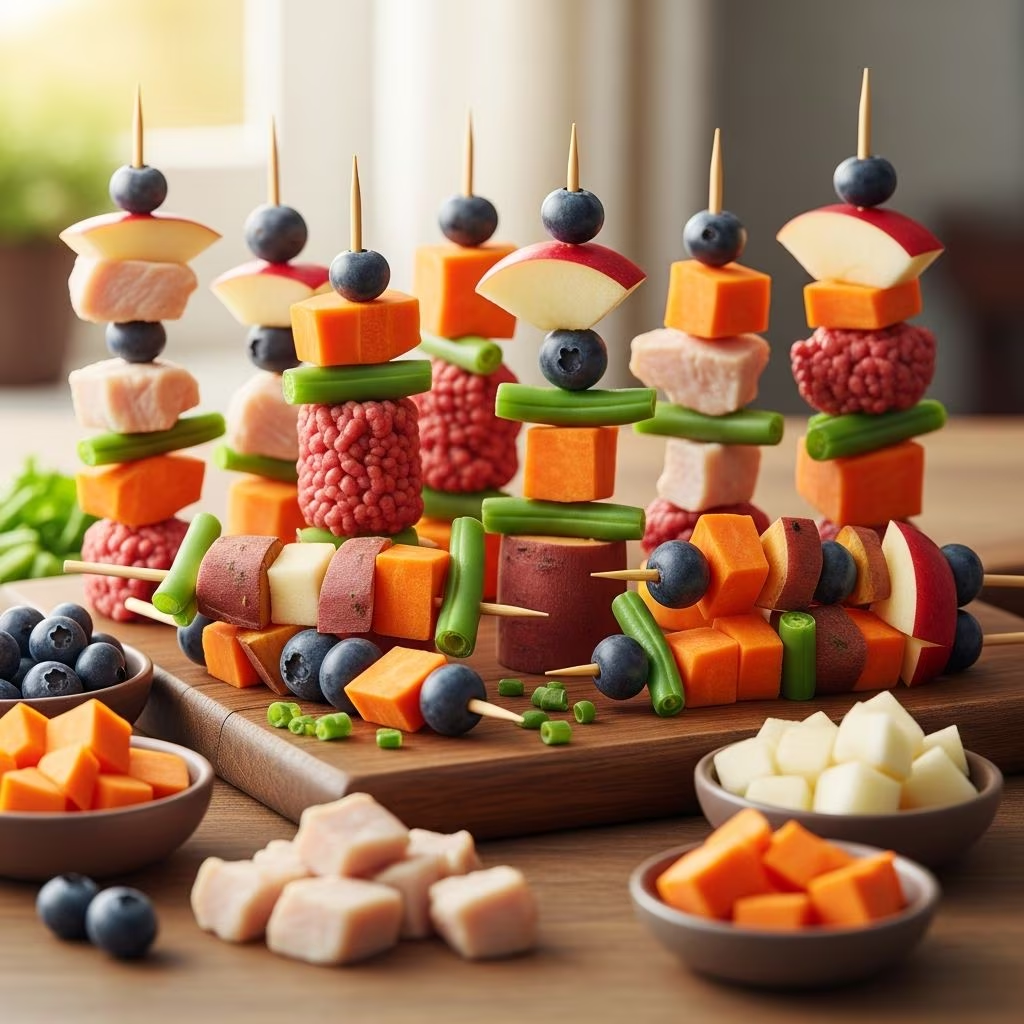
Pet-Safe Kabobs: DIY Dog and Cat Treat Recipes
Making homemade treats for your beloved pets is a wonderful way to show them love while ensuring they consume quality ingredients free from harmful additives. Pet-safe kabobs are an exciting and interactive treat option that combines nutrition with fun for both dogs and cats. Whether you’re grilling in the summer or looking for a special treat year-round, these DIY pet-safe kabobs are simple to prepare and absolutely delicious for your furry friends.
Why Choose Homemade Pet Treats?
Commercial pet treats often contain preservatives, artificial flavors, and fillers that may not be ideal for your pet’s health. Homemade treats give you complete control over the ingredients, allowing you to customize recipes based on your pet’s dietary needs and preferences. Making treats at home also eliminates the risk of contaminated commercial products and allows you to avoid ingredients that might trigger allergies or sensitivities in your pets.
Additionally, preparing treats at home can be more cost-effective, especially if you’re making larger batches. The bonding experience of creating special food for your pet adds an emotional value that store-bought treats simply cannot match.
Understanding Pet-Safe Ingredients
Before diving into kabob recipes, it’s essential to understand which ingredients are safe for dogs and cats. While dogs are more omnivorous and can tolerate a wider variety of foods, cats are obligate carnivores with specific nutritional requirements.
Safe Proteins for Pet Kabobs
Quality protein sources form the foundation of any healthy pet treat. For both dogs and cats, these proteins are excellent choices:
- Chicken: Lean, easily digestible, and packed with essential amino acids
- Salmon and fish: Rich in omega-3 fatty acids that support coat and skin health
- Turkey: A lean protein that provides variety and can help with weight management
- Beef: An excellent source of iron and B vitamins
- Eggs: Complete protein containing all essential amino acids
Pet-Safe Vegetables and Fruits
While cats have limited interest in plant matter, dogs benefit from certain vegetables and fruits included in their treats. Always ensure these additions are cut into appropriate sizes for safe consumption:
- Carrots: Low in calories, great for dental health, and safe for both dogs and cats in small amounts
- Green beans: Nutritious and safe for both species
- Sweet potatoes: Rich in vitamins and fiber for dogs
- Apples: Remove seeds (which contain cyanide) before offering to pets
- Pumpkin: Beneficial for digestive health in dogs
Ingredients to Avoid
Certain ingredients are toxic to pets and should never be included in homemade treats. These include chocolate, xylitol (artificial sweetener), onions, garlic, grapes, raisins, avocado, and macadamia nuts. Always research any new ingredient before incorporating it into your pet’s treats.
Basic Pet-Safe Kabob Recipe for Dogs
Creating a basic dog-safe kabob is straightforward and requires minimal ingredients. This recipe serves as a foundation that you can modify based on your dog’s preferences and dietary needs.
Ingredients
- 1 pound boneless, skinless chicken breasts or turkey, cut into 1-inch cubes
- 1 cup carrots, cut into 1-inch pieces
- 1 cup green beans, cut into 1-inch pieces
- 2 tablespoons of pet-safe oil (such as coconut oil)
- Wooden or metal skewers (soak wooden skewers for 30 minutes before use)
Instructions
- Prepare your ingredients: Cut all proteins and vegetables into uniform 1-inch pieces to ensure even cooking
- Thread the kabob: Alternate between protein and vegetables on your skewer. A typical pattern might be: meat, carrot, green bean, meat, carrot, green bean
- Brush with oil: Lightly coat the assembled kabob with pet-safe oil to prevent sticking and add moisture
- Grill preparation: Preheat your grill to medium-high heat (approximately 350-375°F)
- Cook: Place kabobs on the grill for 8-12 minutes, turning occasionally to ensure even cooking. The meat should reach an internal temperature of 165°F
- Cool before serving: Allow kabobs to cool completely before offering to your dog. Remove from skewers and cut into appropriate bite-sized pieces
Fish-Based Kabob Recipe for Cats
Cats typically prefer fish-based treats, making salmon and other oily fish excellent kabob ingredients. This recipe specifically caters to feline palates and nutritional needs.
Ingredients
- 1 pound salmon fillets, cut into 1-inch cubes
- 1 small zucchini, cut into thin rounds
- Wooden or metal skewers (soak wooden skewers for 30 minutes)
- A light spray of pet-safe oil
Preparation Steps
- Thread the skewer: Alternate salmon and zucchini pieces, beginning and ending with salmon for optimal flavor
- Oil lightly: Apply a minimal amount of oil using a spray bottle to prevent sticking
- Grill on medium heat: Cook for 6-8 minutes, turning once halfway through cooking
- Cool thoroughly: Fish-based kabobs retain heat longer, so allow extra cooling time. Remove fish from skewers and break into cat-appropriate bite sizes
- Serve in moderation: Offer small portions as an occasional treat, not as a meal replacement
Mixed Protein Kabob Recipe for Dogs and Cats
This versatile recipe combines multiple protein sources for enhanced nutritional value and can be enjoyed by both dogs and cats when portioned appropriately.
Ingredients
- 8 ounces chicken breast, cubed
- 8 ounces salmon fillets, cubed
- 1 cup carrots, cubed
- 1 egg (optional, for binding)
- Skewers of your choice
Cooking Instructions
- Alternate chicken, salmon, and carrot pieces on skewers
- Preheat grill to 350°F
- Grill for 10-12 minutes, turning every 3-4 minutes for even cooking
- Ensure all meat reaches safe internal temperatures (165°F for poultry, 145°F for fish)
- Cool completely and cut into appropriate portion sizes
Storage and Shelf Life
Proper storage ensures your homemade pet-safe kabobs remain fresh and safe for consumption. Refrigerate cooked kabobs in an airtight container for up to 3 days. For longer storage, freeze kabobs for up to 2 months. Thaw frozen treats in the refrigerator before serving to your pets. Always inspect treats before offering them to ensure there are no signs of spoilage.
Portion Control and Feeding Guidelines
While homemade treats are healthier than many commercial options, portion control remains important. Treats should comprise no more than 10% of your pet’s daily caloric intake. For small dogs and cats, one small kabob section is sufficient. Larger dogs may enjoy one to two complete kabob sections. Always monitor your pet after introducing new treats to watch for any adverse reactions or digestive upset.
Safety Tips for Grilling Pet Treats
When preparing pet-safe kabobs on the grill, follow these essential safety guidelines:
- Never use charcoal briquettes that contain lighter fluid, as these chemicals are toxic to pets
- Avoid marinades, seasonings, or sauces with garlic, onion, or excessive salt
- Ensure all bones are removed from the meat before cooking
- Allow treats to cool completely before serving to prevent mouth or throat burns
- Remove all skewer remnants before serving to prevent choking hazards
- Don’t grill pet treats on the same surface where you’ve cooked human food with seasonings
Seasonal Variations and Flavor Combinations
You can create variety in your pet’s kabob treats by adjusting ingredients with the seasons. Spring might feature fresh green vegetables and lean poultry. Summer offers the opportunity to grill fresh fish and lighter proteins. Fall allows for sweet potato additions, while winter recipes can feature heartier proteins and root vegetables.
Frequently Asked Questions
Q: Can I use raw vegetables in pet kabobs?
A: While some raw vegetables are safe for pets, grilling softens them and makes them easier to digest. Always ensure vegetables are cut into appropriate sizes to prevent choking hazards.
Q: How do I know if my pet has a food allergy to kabob ingredients?
A: Common signs of food allergies include itching, vomiting, diarrhea, or excessive gas. Introduce new treats slowly and monitor your pet for 24-48 hours. Consult your veterinarian if adverse reactions occur.
Q: Are wooden or metal skewers safer for pet treats?
A: Both are safe when handled correctly. Metal skewers conduct heat better and heat the food evenly. Wooden skewers must be soaked and handled carefully. Always remove all skewer pieces before serving to pets.
Q: Can I use seasonings like salt or pepper on pet kabobs?
A: No, avoid adding seasonings to pet treats. Excess salt can lead to health problems, and many common seasonings are toxic to pets. Keep treats plain and let the natural flavors of quality ingredients shine through.
Q: How often can I give my pet homemade kabobs?
A: Homemade treats can be offered 2-3 times per week as part of a balanced diet. Always account for treat calories in your pet’s daily intake to prevent obesity.
Q: Can I make kabobs for both my dog and cat from the same ingredients?
A: Yes, but ensure portions are appropriate for each species. Cats need smaller portions, and while they’ll enjoy meat-based kabobs, they have different nutritional requirements than dogs. Always tailor treats to individual pet needs.
References
- Pet Nutrition: Understanding Your Pet’s Dietary Needs — American Animal Hospital Association. 2024. https://www.aaha.org/petcare
- Homemade Dog Treats with 5 Ingredients or Less — The Kind Pet. 2024. https://thekindpet.com/blogs/blog/try-these-homemade-dog-and-cat-treats
- Food Safety for Pets: Toxic and Safe Foods — ASPCA Animal Poison Control Center. 2024. https://www.aspca.org/pet-care/animal-poison-control
- Homemade Peanut Butter Dog Treats Recipe — The Cookie Rookie. 2024. https://www.thecookierookie.com/pb-dog-treats/
- Nutritional Guidelines for Homemade Pet Foods — VCA Animal Hospitals. 2024. https://vcahospitals.com
- Healthy Homemade Dog and Cat Treats — Pets Plus Us. 2024. https://www.petsplusus.com/blog/healthy-homemade-dog-cat-treats



