

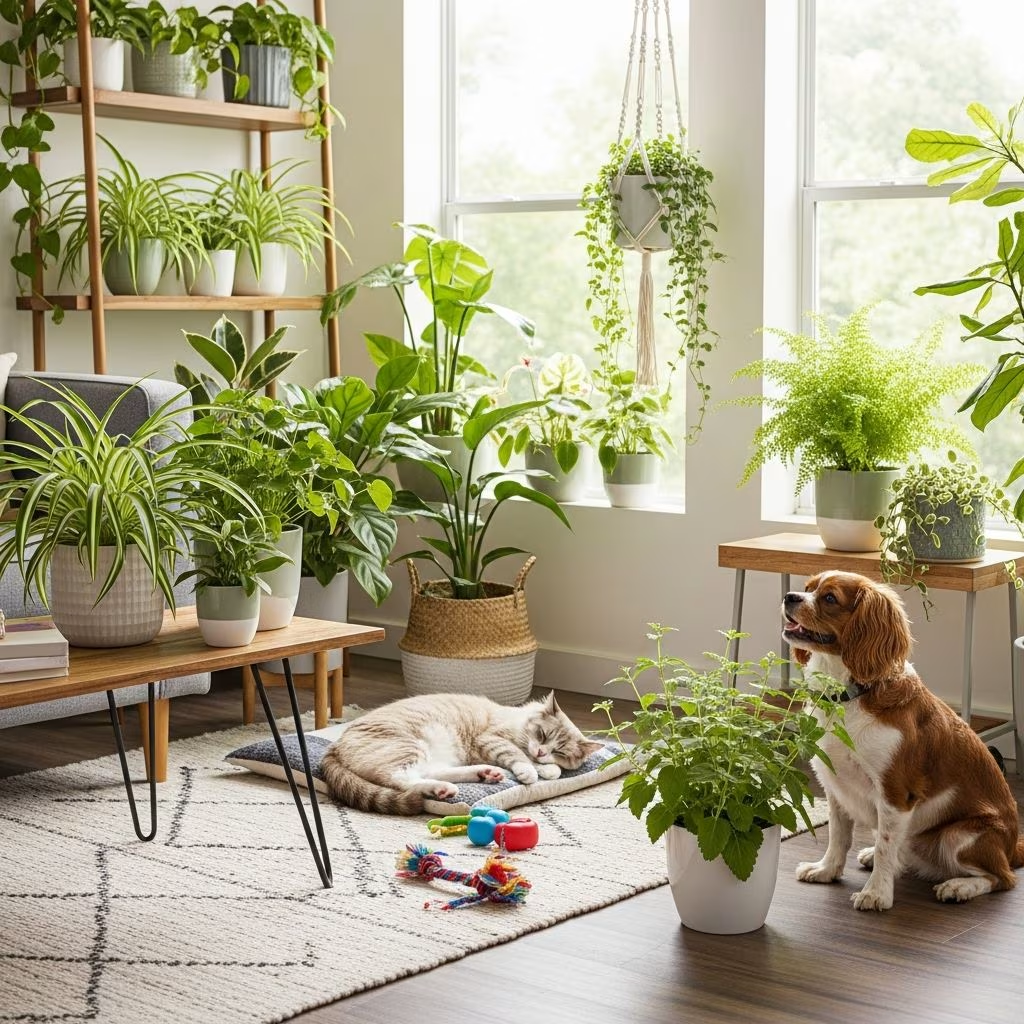
Popular Pet-Safe Houseplants to Liven Up Your Space
Creating a beautiful, plant-filled home doesn’t have to mean compromising your pet’s safety. Whether you’re a seasoned plant parent or just beginning your indoor gardening journey, there are numerous pet-safe houseplants that can transform your living space while keeping your furry friends protected. Indoor plants not only add aesthetic appeal to your home but also improve air quality, reduce stress, and create a more welcoming environment for both you and your pets.
The challenge many pet owners face is finding plants that are both beautiful and non-toxic. Cats and dogs are naturally curious creatures, and some love to nibble on plants or knock them over. Fortunately, there are many excellent options available that allow you to enjoy lush greenery without worrying about harmful toxins affecting your beloved companions.
Why Choose Pet-Safe Houseplants?
Understanding why pet-safe houseplants matter is the first step toward creating a secure environment for your animals. Many common houseplants contain toxins that can cause serious health issues in cats and dogs, ranging from mild gastrointestinal upset to more severe complications. By selecting pet-safe alternatives, you’re making a proactive choice to protect your pets’ wellbeing while still enjoying the benefits of indoor gardening.
Pet-safe houseplants offer multiple advantages: they provide visual interest to your home decor, improve indoor air quality, and give you peace of mind knowing your pets are safe. Additionally, many pet-safe plants are low-maintenance, making them perfect for busy pet owners who want to add greenery without extensive care requirements.
Top Pet-Safe Houseplants for Your Home
Spider Plant (Chlorophytum comosum)
The spider plant stands as one of the most popular and recognizable pet-safe houseplants available today. Known for its air-purifying qualities, the spider plant is safe for both cats and dogs, making it an excellent choice for multi-pet households. This plant features beautiful cascading foliage that adds elegance to any space, whether displayed on a shelf or hanging from a basket.
What makes the spider plant particularly appealing to pet owners is its incredible low-maintenance nature. These plants thrive in almost any home environment and don’t require constant attention or specialized care. They can tolerate various light conditions and are forgiving of occasional neglect, making them perfect for beginners or those with busy schedules. If you’re looking for a reliable, beautiful, and pet-safe houseplant, the spider plant should top your list.
Boston Fern
The Boston Fern is the most popular indoor fern choice for pet owners, and for good reason. This elegant plant grows up to three feet tall with a one-foot spread, creating a lush, full appearance that makes an impressive statement in any room. The spores of the Boston Fern are completely non-toxic to cats, dogs, and people, making it a safe choice for households with multiple types of pets.
Boston Ferns prefer consistently moist soil and humidity, making them ideal for bathrooms or kitchens where moisture levels are naturally higher. While they require slightly more attention than spider plants, the rewards are substantial—their vibrant green fronds create an instant tropical feel in your home.
Maidenhair Fern
For pet owners seeking an alternative to the Boston Fern, the Maidenhair Fern offers similar benefits with a more compact growth pattern. This fern doesn’t spread as aggressively as the Boston Fern and reaches a mature height of only about 18 inches, making it perfect for smaller spaces or tabletops. What’s particularly interesting about Maidenhair Ferns is that their fronds contain natural insecticides, which means they double as excellent air purifiers for your home.
Maidenhair Ferns spread more slowly than other fern varieties, giving you better control over their growth and placement in your home. They maintain the same safety profile as other ferns—completely non-toxic to cats and dogs.
Parlor Palm
If you want to add height and tropical elegance to your home, the Parlor Palm is an excellent pet-safe choice. This hardy palm features exotic leaves that create visual impact in any room. The Parlor Palm can tolerate some neglect, though it looks its best with regular watering—approximately once weekly during summer months once the top inch of compost has dried out.
The Parlor Palm reaches approximately one meter tall with an 80-centimeter spread, making it ideal for creating a focal point in living rooms or corners. Its ability to handle various light conditions and occasional lapses in care makes it a reliable choice for pet owners who want dramatic results without excessive maintenance.
Areca Palm
Also known as the betel nut or pinang palm, the Areca Palm is another excellent palm species safe for cats and dogs. This palm features long, feather-shaped leaves that add a tropical aesthetic to any indoor space. While Areca Palms can reach up to 20 feet tall outdoors, indoor potted versions remain much more manageable and create beautiful vertical interest.
Areca Palms are hardy plants that handle indoor conditions well and can be grown successfully in pots. They’re trendy additions to homes, particularly in warm, sunny areas of your living space.
Prayer Plant (Calathea orbifolia)
The Prayer Plant, or Calathea orbifolia, is named for its unique behavior—its leaves fold up at night, resembling hands pressed together in prayer. This beautiful plant features striking round leaves with silvery-green stripes that make it a visual standout in any collection. The Calathea family is entirely pet-safe, making all Calathea varieties suitable for homes with cats and dogs.
Prayer Plants thrive in bright, indirect light and prefer consistently moist soil. Regular misting helps maintain the humidity levels these plants prefer. The Prayer Plant reaches approximately 75 centimeters in height with a 40-centimeter spread, making it suitable for desks, shelves, or side tables.
Christmas Cactus (Schlumbergera)
An attractive and festive addition to any home, the Christmas Cactus is generally safe for cats, though it can occasionally cause mild stomach upsets. Named for its festive blooms that appear over the holiday season, this cactus produces flowers in red, white, pink, purple, or yellow. It flowers naturally from November through January, bringing seasonal cheer to your space.
In its native habitat, the Christmas Cactus grows in shady, humid forests, so it thrives when compost is kept moist but not soggy. Standing the pot on a saucer of wet gravel increases humidity around the plant. While generally safe, it’s wise to move this plant out of reach if your cat shows nibbling interest.
Orchids
Orchids are elegant, flowering plants that are completely safe for cats and dogs. These sophisticated additions to your home bring refined beauty and long-lasting blooms. Moth Orchids (Phalaenopsis) are particularly popular and make excellent choices for home gardeners of all skill levels. Their delicate flowers bloom for extended periods, providing months of visual interest.
Orchids do require specific care regarding light, humidity, and watering schedules, but their stunning appearance makes the effort worthwhile. They’re perfect for adding a touch of luxury to your pet-friendly home.
Peperomia
Peperomia plants are small, decorative houseplants that are entirely safe for cats and dogs. These compact plants feature attractive foliage in various patterns and colors, making them excellent choices for shelves, desks, or small spaces. Peperomias are relatively low-maintenance and can adapt to different light conditions, though they prefer bright, indirect light.
Zebra Plant (Haworthia fasciata)
The Zebra Plant is a striking succulent with attractive white striping that resembles a zebra’s stripes. While it may look similar to Aloe vera (which is toxic to cats), the Zebra Plant is completely non-toxic and safe for pets. This plant is often sold under the name ‘Alba’ and makes an excellent choice for those who want succulents without the worry.
Zebra Plants prefer bright spots away from direct sunlight and should not be overwatered. Their compact size (approximately 20 centimeters in both height and spread) makes them perfect for windowsills or small shelves.
Cast Iron Plant (Aspidistra elatior)
True to its name, the Cast Iron Plant is incredibly durable and forgiving, making it perfect for pet owners with busy schedules or less-than-ideal growing conditions. This plant is entirely non-toxic to cats and dogs and can tolerate neglect, low light, and irregular watering. Its deep green leaves add subtle elegance to any space.
Chinese Money Plant
The Chinese Money Plant is a popular pet-safe houseplant that’s believed to bring good fortune and prosperity. This charming plant features round, coin-shaped leaves and is entirely non-toxic to cats and dogs. It’s relatively easy to care for and grows at a moderate pace, making it suitable for various skill levels.
Chain of Hearts (Coropegia woodii)
The pet-safe Chain of Hearts features long vines of sweet, heart-shaped leaves, making it an attractive hanging plant that can double as a cat toy. The variegated varieties turn pink in sunlight, adding visual interest to your space. Happy, healthy Chain of Hearts may surprise you by growing tuber-like ‘pods’—white balls that indicate your plant is thriving.
Plants to Avoid: Toxic Houseplants
While many plants are safe, it’s equally important to know which plants to avoid. Common toxic houseplants include ficus, cheese plants, and Aloe vera. Seasonal plants like mistletoe and poinsettia should never be kept in homes with curious pets. Cycads are particularly dangerous and can be lethal, so they should be avoided both indoors and outdoors.
Taking time to research plants before purchasing them is a simple but effective way to keep your pets safe. When in doubt, consult reliable resources like the ASPCA’s toxic plant list or Cats Protection’s plant guide.
Tips for Success with Pet-Safe Houseplants
Placement and Accessibility
Strategic placement of your houseplants can help minimize pet interaction and reduce damage. Hanging plants placed high on shelves or suspended from ceiling hooks keep plants away from curious paws and nibbling mouths. Some pet-safe plants, like the Rhipsalis, should ideally be hung high and out of the way, as their leaves can easily be knocked off by a passing cat’s tail.
Provide Alternative Options
If your cat is eating your houseplants excessively—which is common for indoor cats—consider providing pet grass or wheat grass as an alternative. Cats eat grass to get more fiber into their diet, which aids digestion and improves their gut health. Offering a designated grass area may reduce their interest in your decorative houseplants.
Regular Monitoring
Even with pet-safe plants, monitor your pets for any unusual behavior or stomach upset. Some plants, while technically non-toxic, may occasionally cause mild digestive discomfort if consumed in large quantities. Keeping plants slightly out of reach and observing your pet’s behavior ensures early detection of any issues.
Choose Low-Maintenance Options
Selecting easy-to-care-for plants like spider plants, cast iron plants, and Chinese money plants reduces stress for you and creates more stable conditions for your plants. Healthy, thriving plants are less likely to develop pests or diseases that could affect your pets.
Creating a Pet-Friendly Plant Collection
Building a diverse collection of pet-safe houseplants allows you to enjoy variety in your home while maintaining safety. Combine trailing plants like the Chain of Hearts with upright plants like the Parlor Palm and Prayer Plant to create visual interest at different heights. Mix low-maintenance options with slightly higher-maintenance varieties to keep your plant care routine engaging without becoming overwhelming.
Consider your home’s lighting conditions, humidity levels, and your available time for plant care when selecting your collection. A well-planned pet-friendly plant collection not only beautifies your space but also creates a healthier environment for both you and your pets.
Frequently Asked Questions (FAQs)
Q: Are all ferns safe for cats?
A: Not all ferns are non-toxic to cats, but many popular indoor fern varieties like Boston Ferns, Maidenhair Ferns, Bird’s Nest Ferns, and Staghorn Ferns are completely safe. Always verify the specific species before purchasing.
Q: What should I do if my cat eats a houseplant?
A: If your cat eats a pet-safe plant, observe them for any signs of stomach upset or unusual behavior. While pet-safe plants won’t cause serious harm, large quantities may cause mild digestive discomfort. If you notice concerning symptoms or your cat ingests a plant you’re unsure about, contact your veterinarian.
Q: How can I keep my pets from damaging my houseplants?
A: Strategic placement using hanging planters, high shelves, and room barriers can help protect plants. Providing alternative plants like pet grass and rotating which plants your pets can access may also reduce damage. Ensuring your pets get adequate exercise and mental stimulation reduces destructive behavior.
Q: Which pet-safe plants require the least maintenance?
A: Spider plants, Cast Iron Plants, and Parlor Palms are among the most low-maintenance pet-safe options. These plants can tolerate neglect, varying light conditions, and irregular watering, making them perfect for busy pet owners.
Q: Are orchids really safe for cats and dogs?
A: Yes, orchids are completely non-toxic to both cats and dogs. While they’re elegant additions to your home, they do require specific care regarding light and humidity to thrive properly.
Q: Can I use regular potting soil for pet-safe houseplants?
A: Yes, regular potting soil is suitable for most pet-safe houseplants. Ensure the potting soil doesn’t contain added pesticides or fertilizers that could be harmful if your pets nibble on the plant. Always use products labeled as safe for homes with pets.
References
- A Guide to Pet Friendly Houseplants — Westland Garden Health. 2024. https://www.gardenhealth.com/advice/houseplant-care/a-guide-to-pet-friendly-houseplants
- Strader’s Favorite Indoor Plants Safe for Cats — Straders. 2024. https://straders.net/blog/straders-favorite-indoor-plants-safe-for-cats/
- 12 Indoor Plants that are Cat Friendly and Clean the Air — Plantify. 2024. https://plantify.co.za/blogs/my-plant-decor/12-indoor-plants-that-are-cat-friendly-and-clean-the-air
- 18 Cat-Friendly House Plants — BBC Gardeners’ World Magazine. 2024. https://www.gardenersworld.com/house-plants/plants-cat-friendly-houseplants/
- Plants Poisonous to Cats – Our Guide — Cats Protection. 2024. https://www.cats.org.uk/help-and-advice/home-and-environment/dangerous-plants
- Top 12 Pet Safe Indoor Plants for Cats and Dogs — Love That Leaf. 2024. https://www.lovethatleaf.co.nz/blogs/plant-care-guides/21-indoor-plants-safe-for-cats-and-dogs



