
Pet-Safe Houseplants for Homes
Discover non-toxic indoor plants that enhance your living space while keeping cats and dogs safe from harm.
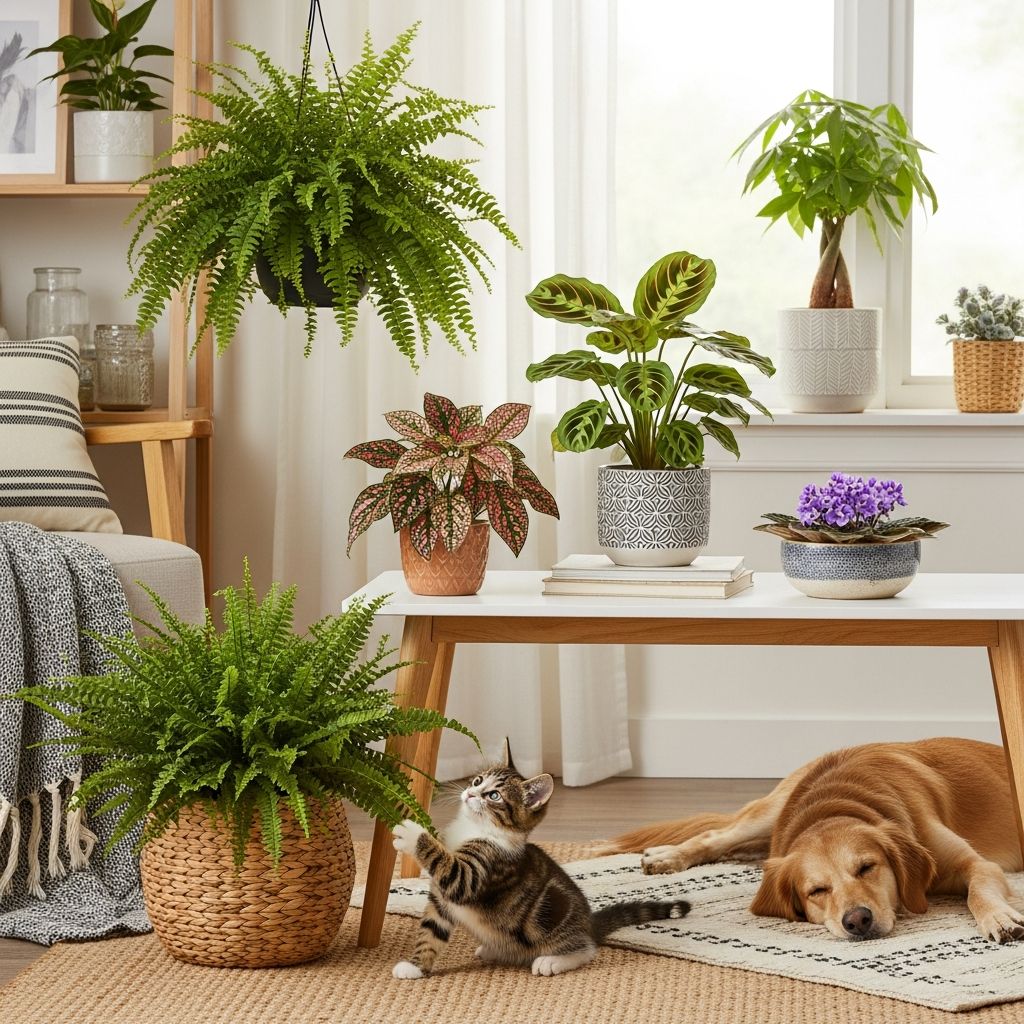
Indoor plants offer numerous advantages for households with pets, including improved air quality and aesthetic appeal, but selecting the right ones is crucial to avoid toxicity risks. This guide highlights verified non-toxic options endorsed by organizations like the ASPCA, ensuring safety for dogs and cats while providing care tips and benefits.
Why Choose Pet-Friendly Greenery?
Houseplants can transform living spaces into vibrant, healthier environments. They filter airborne pollutants such as formaldehyde and benzene, potentially reducing dust by up to 20% and enhancing productivity. For pet owners, the challenge lies in balancing beauty with safety, as many popular varieties pose dangers like vomiting or organ damage upon ingestion.[10] Opting for non-toxic plants eliminates these concerns, allowing pets to explore freely.
- Air purification: Removes toxins and improves oxygen levels.
- Mood enhancement: Boosts creativity and reduces stress.
- Pet safety: Prevents poisoning from curious nibbling.
Top Low-Maintenance Picks for Beginners
Start with resilient species that tolerate neglect and pet interactions. These plants thrive in typical indoor conditions and require minimal effort.
Spider Plant (Chlorophytum comosum)
Known for its arching ribbon-like leaves and plantlets, this variety excels in bright indirect light and purifies air by absorbing carbon monoxide and xylene. ASPCA confirms it is non-toxic to dogs and cats; occasional tasting causes no harm.
- Light: Moderate indirect.
- Water: Allow soil to dry between waterings.
- Bonus: Propagates easily from offshoots.
Boston Fern (Nephrolepis exaltata)
With lush, feathery fronds, this plant fills corners and withstands playful paws. It prefers humid environments and indirect light, acting as a natural humidifier.
Sturdy structure deters destruction, and it remains safe if chewed.
Trendy and Unique Varieties
Elevate your decor with stylish, pet-approved options that double as conversation pieces.
Money Tree (Pachira aquatica)
Braided trunks and glossy leaves make this a feng shui favorite, believed to attract prosperity. It filters formaldehyde and tolerates low light.
| Feature | Details |
|---|---|
| Safety | ASPCA non-toxic for pets |
| Care Level | Low; water when top soil dries |
| Light Needs | Bright indirect |
Chinese Money Plant (Pilea peperomioides)
Coin-shaped leaves give a modern, lucky charm vibe. Compact and trendy, it suits shelves or tables.
Easy to propagate and resilient to occasional bumps.
Staghorn Fern (Platycerium)
Mountable antler-like fronds add tropical flair to walls. Requires bright indirect light and thrives without soil.
Flowering and Colorful Options
Add blooms without worry using these vibrant, safe choices.
African Violet
Velvety leaves and purple flowers brighten dim corners. Keep soil moist but not soggy.
Orchid (Phalaenopsis varieties)
Elegant blooms last months; feed with ice cubes to simplify watering. Moth and moon orchids are pet-safe.
- Non-toxic across species.
- Improves focus in workspaces.
Gloxinia and Lipstick Plant
Gloxinia offers trumpet flowers; lipstick plant has red tubular blooms. Both tolerate standard indoor humidity.
Succulents and Novelty Plants
Pet-safe succulents provide texture without toxicity risks.
Pony Tail Palm
Fountain-like cascading leaves mimic grass. Drought-tolerant and sculptural.
Air Plants (Tillandsia)
Soil-free wonders absorb nutrients from air. Soak weekly; display in glass orbs.
Venus Fly Trap (Dionaea muscipula)
Carnivorous curiosity catches insects harmlessly. Keep moist in bright light.
Care Strategies for Pet Households
Maximize success with these practical tips.
- Elevation: Hang or shelf-mount to deter access.
- Pot Stability: Use heavy bases; add pebbles to prevent digging.
- Humidity Boost: Group ferns and use pebble trays.
- Monitoring: Even safe plants may cause mild stomach upset if overeaten.
Health Benefits Beyond Safety
These plants contribute to well-being. Studies show greenery enhances memory, attention, and sleep quality.[10] Wheatgrass, safe and nutritious, aids pet digestion and breath.
| Plant Benefit | Supported By |
|---|---|
| Air Purification | Spider Plant, Boston Fern |
| Productivity Boost | General houseplants |
| Pet Nutrition | Wheatgrass |
Frequently Asked Questions
Are all ferns safe for pets?
Boston and staghorn ferns are ASPCA-approved non-toxic, but verify species.
Can cats chew on spider plants?
Yes, safely; no poisoning risk, though excess may cause vomiting.
What if my dog digs in pots?
Choose stable planters and cover soil with stones.
Do pet-safe plants need special soil?
Standard potting mix works; ensure good drainage.
How often to water money trees?
Every 1-2 weeks, checking soil dryness.
Creating Harmonious Indoor Gardens
Combine hanging ferns, tabletop succulents, and shelf orchids for layered appeal. Rotate for even light exposure. Regular pruning keeps shapes tidy and prevents pet enticement.
Even non-toxic ingestion can lead to temporary upset, so observe habits and consult vets if issues arise. With these selections, your home becomes a sanctuary for all.
References
- A Dog’s Best Friend: Your Guide to Safe, Low-Maintenance Houseplants — Soltech. 2023. https://soltech.com/en-ca/blogs/blog/a-dogs-best-friend-your-guide-to-safe-low-maintenance-houseplants
- 20 Pet-Safe House Plants and Their Health Benefits for Humans — Whole Self Magazine. 2021-04-09. https://wsmag.net/the-home/at-home/2021-04-09/20-pet-safe-house-plants-and-their-health-benefits-for-humans/
- 50 Pet-Safe Plants + Their Health Benefits For Owners — TotalVet. 2023. https://total.vet/pet-safe-plants/
- Pet-Friendly House Plants — State Farm. 2023. https://www.statefarm.com/simple-insights/family/pet-safe-house-plants
- Pets and Plants — Costa Farms. 2023. https://costafarms.com/blogs/get-growing/pets-and-plants
Similar Articles








Read full bio of medha deb


