

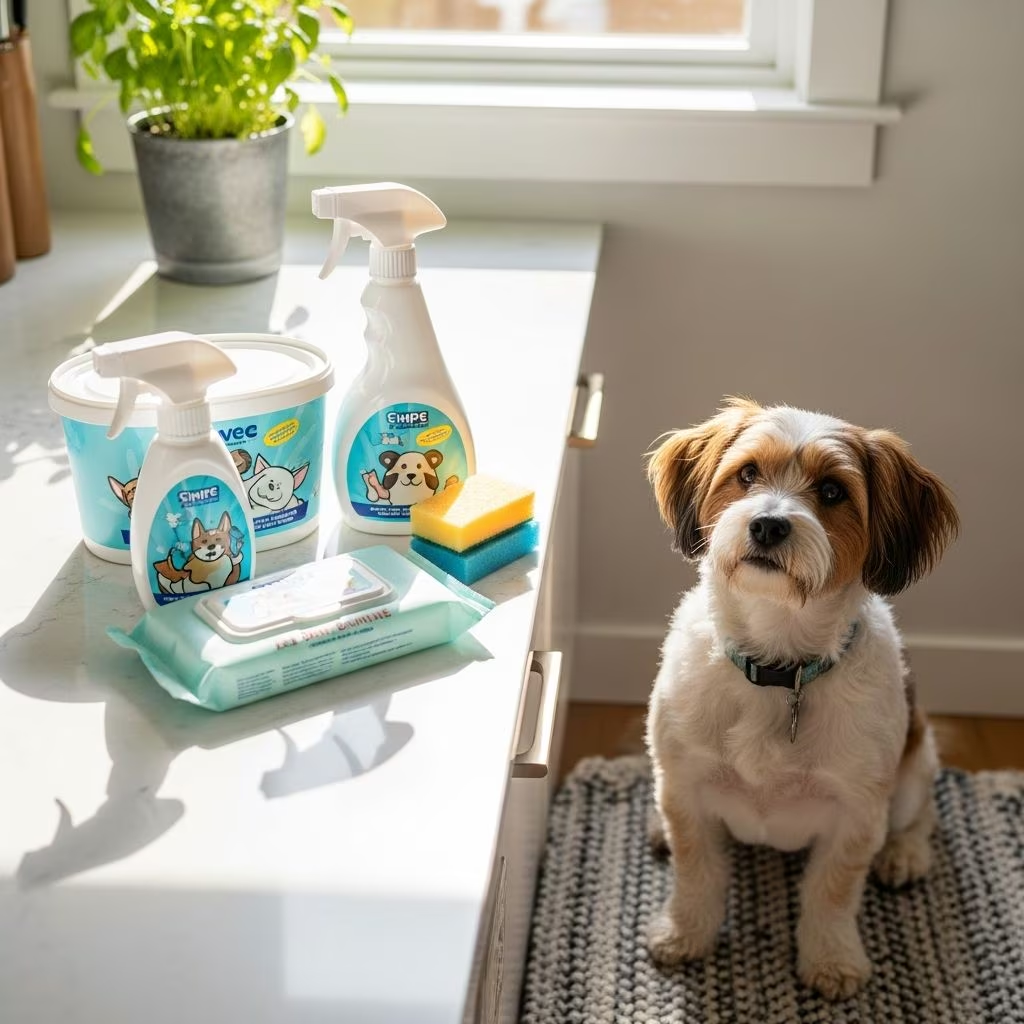
Maintaining a clean home is essential for the health and happiness of your family, but when you have pets, the cleaning products you choose take on added importance. Many conventional household cleaners contain chemicals that can pose serious health risks to cats, dogs, and other animals living in your home. Understanding which ingredients to avoid and which cleaning solutions are genuinely safe for your pets is crucial for creating a home environment where both humans and animals can thrive.
Understanding the Hidden Dangers in Common Cleaning Products
Most pet owners don’t realize that the cleaning supplies stored beneath their kitchen sink can be sources of significant danger. Common household cleaning products often contain ingredients that can cause respiratory irritation, skin sensitivity, gastrointestinal upset, and in severe cases, organ damage when pets come into contact with them or ingest them.
Ammonia is frequently found in window cleaners, floor polishes, and multi-surface cleaners. When pets inhale ammonia fumes or come into contact with ammonia-based solutions, they can experience eye irritation, respiratory distress, and chemical burns on sensitive paw pads and mucous membranes.
Bleach and other chlorine-based products are particularly hazardous. These caustic substances can cause severe burns to a pet’s mouth, throat, and digestive system if ingested, and their fumes can irritate airways and lungs.
Other problematic chemicals include:
- Formaldehyde: A preservative in some cleaning products that can trigger allergic reactions and respiratory problems
- Phthalates: Chemicals that make fragrances last longer but can disrupt hormonal systems
- Glycol ethers: Solvents that can cause neurological issues and affect blood cell production
- Perchloroethylene: A dry-cleaning chemical sometimes found in carpet and upholstery cleaners that can damage the nervous system
Reading Labels: What Pet Owners Need to Know
The first step in protecting your pets is becoming an informed consumer. Learning to read cleaning product labels helps you identify potentially dangerous ingredients before bringing them into your home.
Look for products that explicitly state they are:
- Hypoallergenic and formulated for sensitive applications
- Free from dyes and synthetic fragrances
- Not tested on animals
- Biodegradable and environmentally safe
- Certified by reputable third-party organizations
Avoid any products with vague ingredient lists or warnings that mention toxicity concerns. If a product requires you to keep pets out of the area for extended periods or warns against skin contact, it’s not appropriate for homes with animals.
Trusted Pet-Safe Cleaning Brands
Numerous companies have recognized the demand for truly safe cleaning products and have developed comprehensive lines specifically formulated to protect pets while maintaining cleaning effectiveness.
Mrs. Meyer’s Clean Day
This earth-conscious brand prioritizes transparency and safety. Their products are 100% pet-safe, making them an excellent choice for cleaning surfaces where pets spend time, including food and water bowls. The company provides detailed ingredient glossaries, explaining where each component is sourced and why it was selected. Their kitchen cleaning line is particularly popular among pet owners who want to maintain food preparation areas safely.
Seventh Generation
Focused on eliminating household toxins, Seventh Generation creates products specifically designed for homes with pets and children. Their All-Purpose Natural Cleaner from the Free and Clear line contains no synthetic fragrances or harmful fumes, making it suitable for everyday cleaning of pet furniture, bedding, and living spaces. The lack of dyes and artificial scents means fewer potential irritants for sensitive pets.
Method Products
Method’s cleaning sprays are plant-based and biodegradable, offering effective cleaning without harsh chemicals. These products are non-toxic and work well on kitchen counters, bathroom surfaces, and other areas where pets might come into contact with residue. The eco-friendly formula provides confidence that you’re protecting both your pets and the environment.
The Pink Stuff
This viral cleaning sensation offers products with 99% natural ingredients that are environmentally non-toxic and not tested on animals. While primarily marketed for tough kitchen and bathroom stains, these products are safe for homes with pets. The multipurpose formula handles everything from cookware to general surface cleaning without exposing your animals to harmful chemicals.
Earthbath
Unlike the other brands mentioned, Earthbath specializes in pet cleaning products rather than household surface cleaners. Their shampoos, wipes, and grooming solutions contain only natural and organic ingredients with no artificial colors, parabens, sulfates, or phthalates. Earthbath products allow pet owners to perform basic grooming at home safely while strengthening the bond with their animals.
Natural Alternatives and DIY Cleaning Solutions
If you prefer maximum control over ingredients or want budget-friendly options, several natural substances make effective cleaners when used properly.
Vinegar and Water Solutions
A mixture of equal parts white vinegar and water creates an effective all-purpose cleaner for most surfaces. The vinegar odor dissipates quickly, and the solution is completely safe for pets. This works well on windows, mirrors, and general surface cleaning, though it’s less effective on heavily soiled items.
Baking Soda
This mild abrasive deodorizes carpets, furniture, and other surfaces without toxicity concerns. Simply sprinkle baking soda on carpets, let it sit for 15 minutes, and vacuum. For stubborn stains, make a paste with water and apply to the affected area before scrubbing gently.
Castile Soap
A plant-based soap made from vegetable oils, castile soap can be diluted with water for gentle cleaning of floors and surfaces. It’s biodegradable, free from harsh chemicals, and effective for many household cleaning tasks.
Room-by-Room Cleaning Strategy for Pet Homes
Different areas of your home require specific cleaning approaches when you have pets.
Kitchen and Dining Areas
These spaces demand particular attention since pets eat and drink here. Use only certified pet-safe products on surfaces where food is prepared or consumed. Pet bowls should be cleaned with pet-safe cleaners, and floors should be mopped with non-toxic solutions that won’t leave dangerous residues on paws.
Bathrooms
Bathrooms often harbor moisture that promotes mold and mildew growth. Use pet-safe, mold-fighting cleaners that don’t contain bleach or harsh fumes. Keep cleaning products securely stored in locked cabinets where curious pets cannot access them.
Floors and Carpets
Pets spend significant time on floors, making this area critical for safety. Use plant-based floor cleaners that won’t irritate paws or cause slipping hazards. For carpets, natural deodorizers like baking soda are preferable to chemical-laden carpet fresheners.
Pet Areas and Bedding
Clean pet beds, furniture, and play areas with fragrance-free, hypoallergenic products. Pets rest and sleep in these spaces for hours, so choosing the safest possible products protects their respiratory health.
Additional Cleaning Tools and Strategies for Pet Owners
Beyond chemical cleaners, several tools help maintain a clean home with pets:
- Steam cleaning: High-temperature steam sanitizes surfaces without chemicals, making it safe for pets and effective against allergens and bacteria
- HEPA-filter vacuums: These capture pet dander and hair more effectively than standard vacuums, reducing airborne allergens
- Robotic vacuums: Automatic cleaning reduces the need for frequent manual vacuuming in pet areas
- Brush and grooming tools: Regular brushing removes loose fur before it ends up on furniture and floors, reducing overall cleaning needs
Special Considerations for Different Pet Types
Cats and dogs have different sensitivities to environmental factors. Cats are particularly sensitive to strong fragrances and certain essential oils, making fragrance-free products the safest choice. Dogs may be more prone to paw irritation from residual cleaning products on floors. Regardless of pet type, err on the side of caution by choosing the gentlest available options.
Storage and Safety Practices
Even pet-safe products should be stored securely to prevent accidental ingestion. Keep all cleaning supplies in high cabinets or locked storage areas that pets cannot access. Ensure children are taught not to share cleaning products with pets, and never allow pets to play with or chew on product containers.
Making the Transition to Pet-Safe Products
If your home currently contains conventional cleaners, transition gradually to pet-safe alternatives. Start with areas where pets spend the most time, then gradually replace other products as you run out. This approach allows you to test how your pets respond to new products and adjust if needed.
Frequently Asked Questions
Are all natural cleaners safe for pets?
While many natural ingredients are safer than synthetic chemicals, not all natural cleaners are automatically pet-safe. Some essential oils, for example, can be toxic to cats. Always verify that natural products are specifically formulated for pet safety.
Can I use vinegar and baking soda around my pets?
Yes, vinegar and baking soda are generally safe for pets when used for cleaning purposes. However, avoid allowing pets to ingest large quantities of these substances, and ensure proper ventilation when using vinegar due to its strong odor.
What should I do if my pet ingests a toxic cleaning product?
Contact your veterinarian or a pet poison control center immediately. Have the product container available to provide information about ingredients. Time is critical in poisoning cases, so seek professional help without delay.
Are pet-safe cleaners more expensive?
Pet-safe cleaners can cost slightly more than conventional options, but many offer concentrated formulas that provide better value over time. Additionally, preventing pet health problems through safe products saves money on veterinary care.
How often should I clean my home when I have pets?
Most pet homes benefit from weekly surface cleaning and more frequent vacuuming. The specific frequency depends on the number of pets, their shedding levels, and your home’s layout.
References
- Pet-Friendly Brands for Spring Cleaning — Freshpet. 2025. https://www.freshpet.com/blog/pet-friendly-brands-for-spring-cleaning
- Spring Cleaning 2025: Best Pet-Safe Cleaning Products — Tiffy Cooks. 2025. https://tiffycooks.com/spring-cleaning-2025-best-pet-safe-cleaning-products/



