

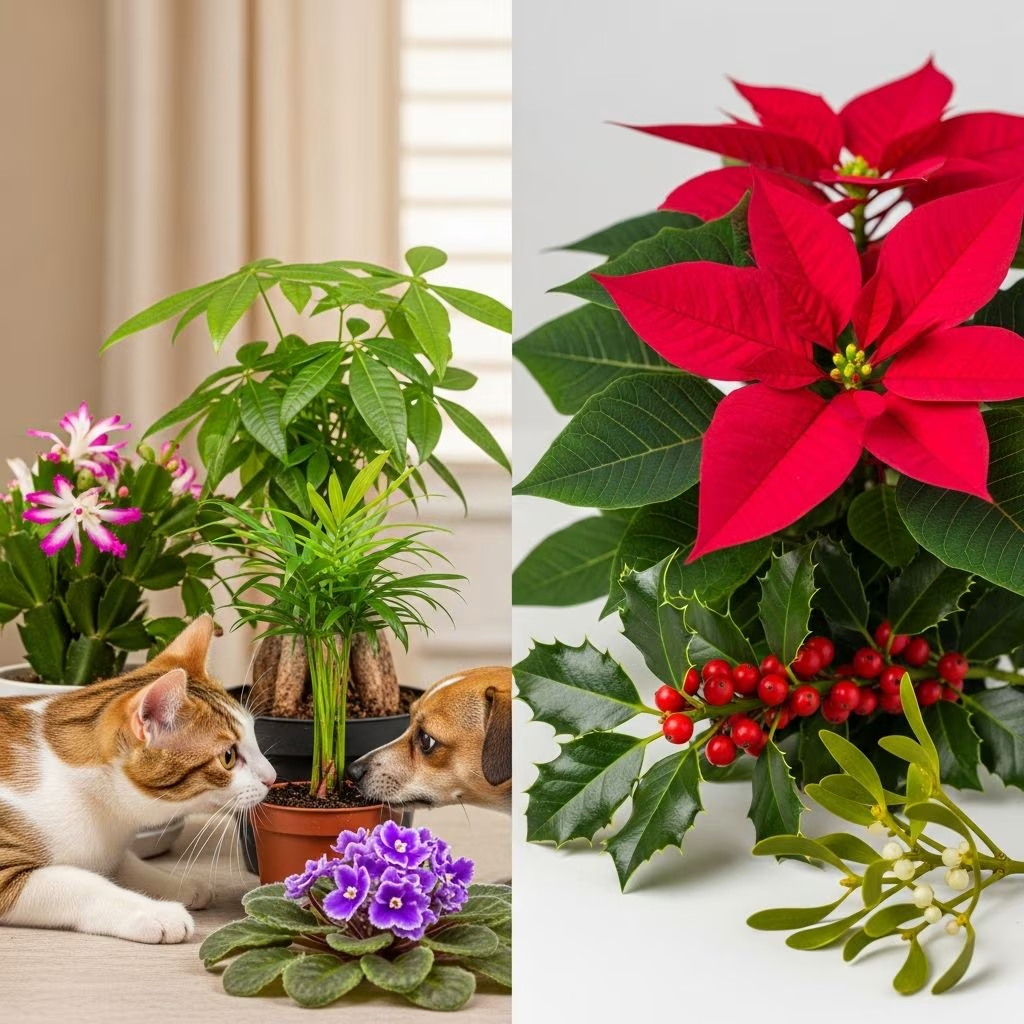
The holidays are made merrier with some festive greenery around your home, but it’s important to decorate with plants that are pet-safe. New plants in the house will attract curious cats and dogs who may gather to sniff at and—in some cases—nibble on them. So, make sure the plants you pick are OK for your four-legged friends. The good news is that there are plenty of beautiful, festive options that won’t harm your beloved pets.
Key Takeaways
- Some favorite holiday plants are safe for pets, including the Christmas cactus and Norfolk pine
- Other holiday plants may be mildly toxic to pets (like the poinsettia) or even life-threatening (like yew, found in wreaths)
- Keep your pets away from all plants, even if they’re safe. Invest in a dog gate for your pup and distract cats with yummy cat grass
- Mistletoe is one of the most dangerous plants for pets; if your dog or cat ingests any, head to an emergency vet immediately
8 Pet-Safe Holiday Plants
For some festive holiday plants, stick to these pet-safe options:
Christmas Cactus
This plant gets its name because it blooms at Christmastime, and it’s nontoxic for both cats and dogs. The Christmas cactus is an excellent choice for holiday decorating because it offers beautiful, colorful blooms in shades of red, pink, white, and other festive hues. Best of all, it requires minimal care, making it perfect for busy holiday seasons. Simply water when the soil is dry and keep in medium to bright sunlight.
Rosemary
An aromatic herb that’s pretty and yummy in all sorts of dishes, rosemary is safe for both dogs and cats. This fragrant plant adds a wonderful sensory element to your holiday décor while being completely non-toxic to your furry friends. You can use it in holiday arrangements, wreaths, or simply display it as a potted plant.
Moth Orchids
Many orchid varieties bloom during the holiday season, and they make wonderful gifts. They’re nontoxic to both dogs and cats. Moth orchids, also known as phalaenopsis orchids, are particularly popular during the holidays and offer elegant, long-lasting blooms that can brighten any space without posing a risk to your pets.
Boston Fern
This soft and leafy plant pairs beautifully with holiday decor, and it’s approved for felines and canines alike. Boston ferns add a lush, green quality to your home during the holiday season. Their delicate fronds create a tropical feel that complements traditional holiday decorations perfectly.
Camellia
A beautiful winter-blooming flower that comes in shades of red, white, and pink, the camellia is often found in holiday arrangements and is nontoxic for pets. These elegant flowers bloom precisely when you need festive decorations most, making them an ideal choice for pet owners.
Winter Jasmine
This wonderfully fragrant plant is approved for cats and dogs and adds a nice burst of holiday cheer. Winter jasmine produces delicate yellow flowers and emits a pleasant fragrance that fills your home with seasonal joy without any toxic concerns.
African Violet
These year-round bloomers come in rich shades of crimson, purple, white, blue, and pink. Pets get the all-clear here, so you can display these vibrant flowers throughout your home with complete peace of mind.
Norfolk Pine
Often used as “little Christmas trees,” this beautiful and soft pine is OK for your furry friends too. Norfolk pines offer the look of traditional evergreens without the needle-shedding issues of real Christmas trees, and they pose no toxicity risk to your pets.
10 Common Holiday Plants To Avoid
While there are many festive options to celebrate with, certain popular holiday plants are toxic to pets. Keep these plants completely away from your home or store them securely where your pets cannot access them:
| Plant | Toxic to Cats or Dogs? | Toxicity Level | What To Do |
|---|---|---|---|
| Amaryllis | Both | Moderate to Severe | Emergency vet immediately |
| Azaleas | Both | Moderate to Severe | Emergency vet immediately |
| Boxwood | Both | Moderate | Call vet or hotline and monitor closely |
| Christmas Rose (Hellebore) | Both | Moderate | Call vet or hotline and monitor closely |
| English Ivy | Both | Moderate | Call vet or hotline and monitor closely |
| Holly | Both | Moderate | Call vet or hotline and monitor closely |
| Mistletoe | Both | Moderate to Severe | Emergency vet immediately |
| Paperwhite | Both | Severe | Emergency vet immediately |
| Poinsettia | Both | Mild | Call vet or hotline and monitor closely |
| Yew | Both | Life-threatening | Emergency vet immediately |
Understanding Holiday Plant Toxicity
Amaryllis
These showy holiday flowers that sprout indoors from bulbs during the winter are poisonous to cats and dogs. Amaryllis contains toxins, including lycorine, which causes salivation, gastrointestinal abnormalities, lethargy, and tremors in both cats and dogs. These should never be placed in accessible areas of your home.
Azaleas
Azaleas are highly toxic to both cats and dogs and should be avoided entirely during the holiday season. These plants contain grayanotoxins that can cause severe gastrointestinal upset, weakness, and cardiac arrhythmias.
Mistletoe
Mistletoe is one of the most dangerous plants for pets. If your dog or cat ingests any, head to an emergency vet immediately. Mistletoe contains viscumin and other toxins that can cause severe gastrointestinal upset and potentially life-threatening symptoms.
Yew
Often found in holiday wreaths and arrangements, yew is life-threatening to pets. All parts of the yew plant, including the seeds and berries, contain toxic compounds that can cause severe poisoning and should be kept far away from your home.
Poinsettias
Poinsettias are mildly toxic to dogs and can cause skin irritation, gastrointestinal issues, and sometimes vomiting. Potted poinsettia plants are everywhere during the holiday season, and since the floor is a common place for these plants, the leaves and flowers can be easily accessible for your dog to chew on or ingest. If this occurs, they may develop drooling, vomiting, or diarrhea. The gastrointestinal upset that your dog develops will usually be mild and self-resolving, but if it persists for more than two to three episodes of vomiting or diarrhea, a visit to the veterinarian is recommended. Call your veterinarian or the Pet Poison Helpline if your dog ingests this plant.
English Ivy
English ivy is moderately toxic to both cats and dogs. While not typically life-threatening, ingestion can cause gastrointestinal upset, skin irritation, and other uncomfortable symptoms.
Holly
Holly plants, with their attractive berries and glossy leaves, can be tempting to pets but are moderately toxic. The berries and leaves contain compounds that can cause digestive upset if ingested.
Paperwhite
Paperwhite flowers are severely toxic to both cats and dogs. These popular holiday bulb flowers contain compounds similar to those found in amaryllis and can cause serious poisoning if ingested.
Christmas Rose (Hellebore)
Christmas roses are moderately toxic to pets and should not be accessible to curious animals. They contain bufadienolides that can cause gastrointestinal upset.
Boxwood
Often used in holiday wreaths and arrangements, boxwood is moderately toxic to both cats and dogs. Ingestion can cause gastrointestinal upset and other symptoms.
Common Pet Holiday Plant Questions
Q: Are poinsettias poisonous to dogs?
A: Poinsettias are mildly toxic to dogs and can cause skin irritation, gastrointestinal issues, and sometimes vomiting. Call your veterinarian or the Pet Poison Helpline if your dog ingests this plant.
Q: Are Christmas trees poisonous to cats and dogs?
A: Fresh Christmas trees aren’t toxic to pets, but the sharp pine needles (if eaten) can cause irritation. Water in the tree stand is another concern because it often contains bacteria or chemical preservatives that can make pets sick. To keep your furry friends safe, block access to the tree water and clean up fallen needles.
Q: What should I do if my pet ingests a toxic holiday plant?
A: If you suspect your pet has ingested a toxic plant, contact your veterinarian immediately or call the Pet Poison Helpline. For life-threatening plants like mistletoe, yew, or amaryllis, seek emergency veterinary care right away.
Q: How can I keep my pets safe around holiday plants?
A: Keep your pets away from all plants, even if they’re safe. Invest in a dog gate for your pup and distract cats with yummy cat grass. Store toxic plants in rooms where your pets cannot access them.
Q: Are there alternatives to traditional holiday plants?
A: Yes! There are many beautiful pet-safe alternatives including Christmas cactus, Norfolk pine, moth orchids, Boston ferns, rosemary, winter jasmine, African violets, and camellias. These offer festive beauty without toxicity concerns.
Pet Safety Tips During the Holidays
Beyond choosing pet-safe plants, there are additional steps you can take to ensure your pets remain safe during the holiday season:
- Use baby gates or barriers to restrict access to certain areas of your home where plants are displayed
- Place plants on high shelves or tables that are out of reach for most pets
- Provide your cat with cat grass as a safe alternative for chewing and nibbling
- Supervise your pets around any new plants or decorations
- Keep the phone numbers for your veterinarian and the Pet Poison Helpline readily available
- Educate family members and guests about which plants are toxic to your pets
- Clean up fallen leaves, needles, or flower petals promptly
Conclusion
The holiday season can be beautiful and festive while keeping your pets safe. By choosing pet-safe plants like Christmas cactus, Norfolk pine, moth orchids, and other non-toxic options, you can decorate your home with confidence. Avoid toxic plants such as mistletoe, yew, amaryllis, and poinsettias, or keep them completely out of reach. Remember to supervise your pets, use barriers when necessary, and have your veterinarian’s contact information handy. With proper planning and awareness, you can create a joyful, festive, and safe holiday environment for your entire family, furry friends included.
References
- Toxic and Non-Toxic Plants — American Society for the Prevention of Cruelty to Animals (ASPCA). https://www.aspca.org/pet-care/aspca-poison-control/toxic-and-non-toxic-plants
- Holiday Plants and Pets — Penn State University Extension. https://extension.psu.edu/holiday-plants-and-pets/
- 7 Common Holiday Plants Toxic to Dogs — PetMD. https://www.petmd.com/dog/poisoning/most-common-holiday-plants-toxic-dogs
- 9 Holiday Plants That Are Toxic to Cats and Dogs — GoodRx Pet Health. https://www.goodrx.com/pet-health/pets/are-christmas-trees-plants-toxic-to-cats-dogs



