
Pet-Safe Essential Oil Blends for Homes
Discover veterinarian-inspired recipes and guidelines for diffusing essential oils safely in pet households without risking your furry friends' health.
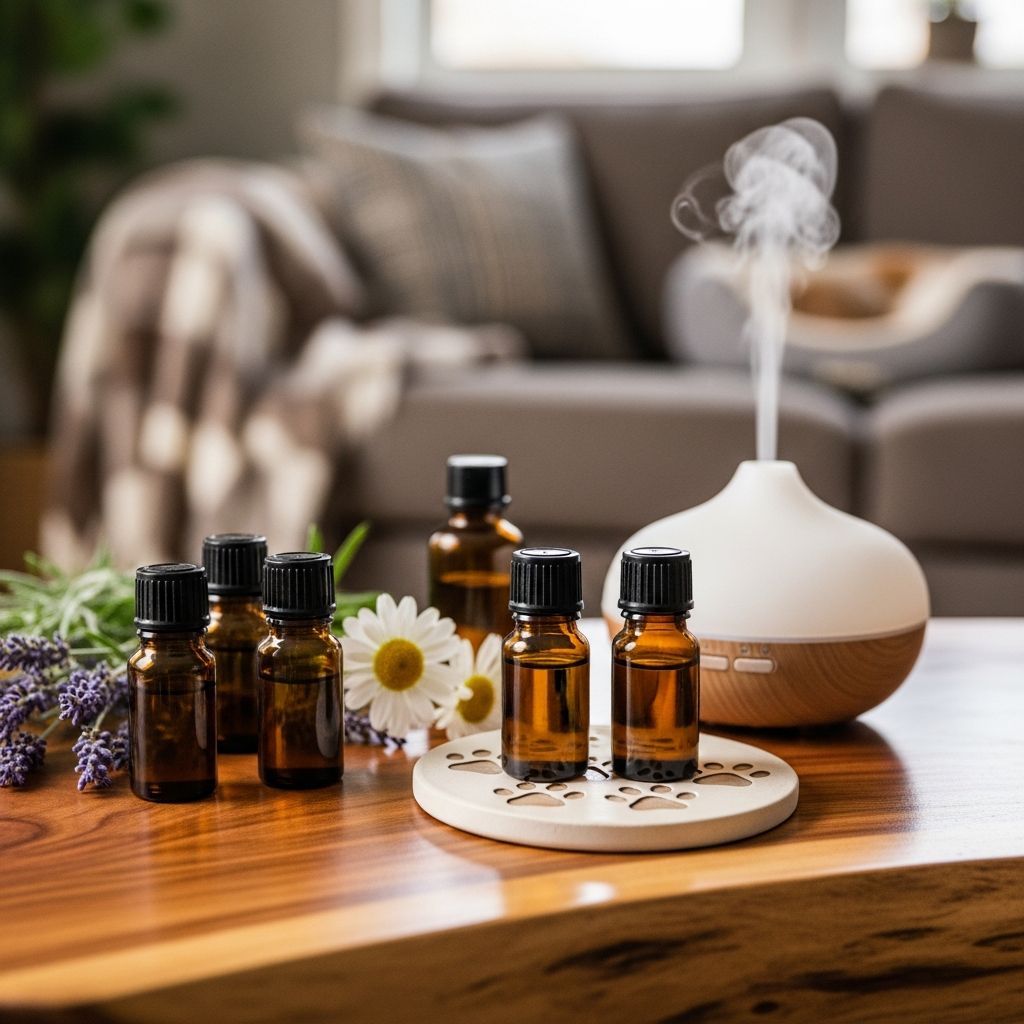
Creating a pleasant atmosphere in your living space often involves aromatic diffusers, but pet owners must prioritize safety when introducing essential oils. Certain oils can enhance mood, purify air, and promote relaxation without harming dogs or cats if handled correctly. This guide outlines fundamental precautions, reliable blend formulas, and practical advice drawn from veterinary insights to help you enjoy these benefits securely.
Understanding Pet Sensitivities to Aromatics
Pets process plant-derived compounds differently than humans, particularly cats, who lack certain liver enzymes for metabolizing phenols and terpenes found in many oils. Dogs are generally more tolerant but can still experience respiratory irritation or skin reactions from undiluted or low-quality products. Key factors include oil purity, diffusion method, room ventilation, and exposure duration. Always observe your pet’s behavior—signs like coughing, lethargy, or avoidance signal a need to stop immediately.
- Purity Standards: Select oils labeled 100% pure therapeutic grade, specifying botanical Latin names (e.g., Lavandula angustifolia for lavender) and plant parts used.
- Avoid Synthetics: Fragrance oils or ‘essence’ blends with carriers like coconut oil are unsuitable for diffusion around animals.
- Ventilation Priority: Diffuse only in large, open areas with airflow; never in enclosed spaces where pets are confined.
For cats, extra caution applies to mint-family oils (peppermint, spearmint) and tea tree due to potential toxicity buildup. Omit these if your cat shows sensitivity. Hydrosols—aromatic waters—or mild carrier dilutions offer gentler alternatives for feline households.
Core Safety Protocols for Diffusion
Follow these steps to minimize risks:
- Consult a veterinarian familiar with holistic care before starting, especially for pets with health conditions like asthma or epilepsy.
- Use water-based ultrasonic diffusers over heat methods to preserve volatile compounds without creating irritants.
- Limit sessions to 30-60 minutes, followed by equal off-time, totaling no more than 2-3 hours daily.
- Position diffusers high and away from bedding, food bowls, or litter areas to prevent direct inhalation or contact.
- Test single oils first at low drops to gauge reactions before blending.
| Pet Type | Safe Diffusion Level | Caution Oils | Preferred Alternatives |
|---|---|---|---|
| Dogs | 3-5 drops per 100ml water | Eucalyptus (high doses), Clove | Lavender, Chamomile, Cedarwood |
| Cats | 1-3 drops per 100ml water | Tea Tree, Peppermint, Cinnamon | Frankincense, Copaiba, Vanilla |
Topical or ingested use demands extreme dilution (1-2% for dogs, avoided for cats) and veterinary oversight. Focus here on inhalation safety for household ambiance.
Uplifting Mood-Enhancing Mixtures
These combinations promote calm and positivity, ideal for stressful evenings or post-walk unwinding.
Calm Harmony Blend
Combine 4 drops lemon, 3 drops lavender, and 3 drops cypress in your diffuser. Lemon brightens mood, lavender soothes nerves, and cypress grounds energy. Safe for both dogs and cats in ventilated spaces; omit if respiratory issues present.
Cozy Comfort Formula
Mix 3 drops orange, 2 drops cedarwood, 1 drop vanilla, and 1 drop cinnamon bark. This warm scent evokes comfort, but skip cinnamon for cautious cat owners. Diffuse during family gatherings to ease pet anxiety.
Serene Retreat Mix
Blend 5 drops lavender, 3 drops copaiba, and 2 drops Roman chamomile. Excellent for multi-pet homes, as copaiba supports gentle respiratory ease without overwhelming scents.
Protective Air Purifying Recipes
Combat odors and microbes with these invigorating options.
Vital Shield Combination
4 drops thieves blend (clove, lemon, cinnamon, eucalyptus, rosemary base), 3 drops lemon. Potent against airborne pathogens; use sparingly around cats due to component sensitivities.
Fresh Guard Infusion
3 drops tea tree, 3 drops lemon, 2 drops rosemary. Tea tree’s antimicrobial properties shine in diffusion but avoid cat ingestion or skin contact. Great for post-grooming refresh.
Pure Breeze Cleanser
2 drops lavender, 2 drops lemon, 1 drop frankincense. Mild yet effective for daily use, balancing purification with relaxation.
Seasonal and Everyday Fresheners
Tailor scents to occasions for year-round enjoyment.
Spring Renewal Aroma
2 drops lemon, 2 drops lavender, 1 drop peppermint, 1 drop copaiba. Peppermint invigorates but optional for cats; refreshes after muddy paws.
Autumn Glow Blend
3 drops orange, 2 drops ginger, 2 drops vanilla. Warming and digestive-supportive, perfect for cooler months.
Summer Zest Diffuser
4 drops grapefruit, 2 drops myrrh, 1 drop basil. Uplifting and clarifying, ideal for hot weather ventilation.
Advanced Tips for Multi-Pet Households
In homes with both dogs and cats, prioritize cat-safe bases like lavender, cedarwood, and citrus. Rotate blends weekly to prevent habituation. Clean diffusers thoroughly between uses to avoid residue buildup. For birds or small mammals, stick to hydrosols entirely.
Monitor for benefits: improved sleep, reduced barking/meowing, or better appetite can indicate positive effects. Track in a journal alongside oil types and durations.
Frequently Asked Questions
Are essential oils ever safe for direct pet application?
Highly diluted topicals (e.g., 0.5% in coconut oil) may suit dogs for flea repellents, but never for cats. Always vet-approved.
What if my pet licks the diffuser?
Water diffusion minimizes risk, but relocate if licking occurs. Rinse pet’s mouth with water if needed.
Can pregnant pets use these blends?
Consult a vet; avoid rosemary or clary sage during pregnancy for all species.
How do I know if an oil is therapeutic grade?
Check for GC/MS testing reports from reputable suppliers, listing chemical profiles.
What diffuser is best for pets?
Ultrasonic models with timers and auto-shutoff in large rooms.
Potential Risks and When to Stop
Watch for drooling, tremors, vomiting, or watery eyes—these warrant immediate fresh air and vet contact. Cats metabolize slowly, so effects may linger. Not all oils suit every pet; breed-specific traits (e.g., brachycephalic dogs) heighten sensitivity.
Integrate oils as complements to vet care, not replacements. Quality sourcing from trusted suppliers ensures consistency.
References
- Pet-Safe Essential Oils for Diffusers — Outward Hound. 2023-05-15. https://outwardhound.com/furtropolis/health-wellness/pet-safe-essential-oils-for-a-diffuser
- Essential Oils for Pets Safety Guidelines — American College of Healthcare Sciences. 2024-02-20. https://achs.edu/blog/essential-oils-for-pets/
- Safe Diffuser Oils Around Pets — Preventive Vet. 2023-11-10. https://www.preventivevet.com/pets/safe-essential-oil-recipes-for-use-in-homes-with-pets
- Essential Oil Use with Animals — Animal Wellness Magazine. 2024-01-08. https://animalwellnessmagazine.com/essential-oil-blends-for-dogs/
- Dogs Naturally Essential Oil Safety — Dogs Naturally Magazine. 2023-09-12. https://www.dogsnaturallymagazine.com/4-diy-essential-oil-recipes-for-your-dog/
Similar Articles








Read full bio of Sneha Tete


