

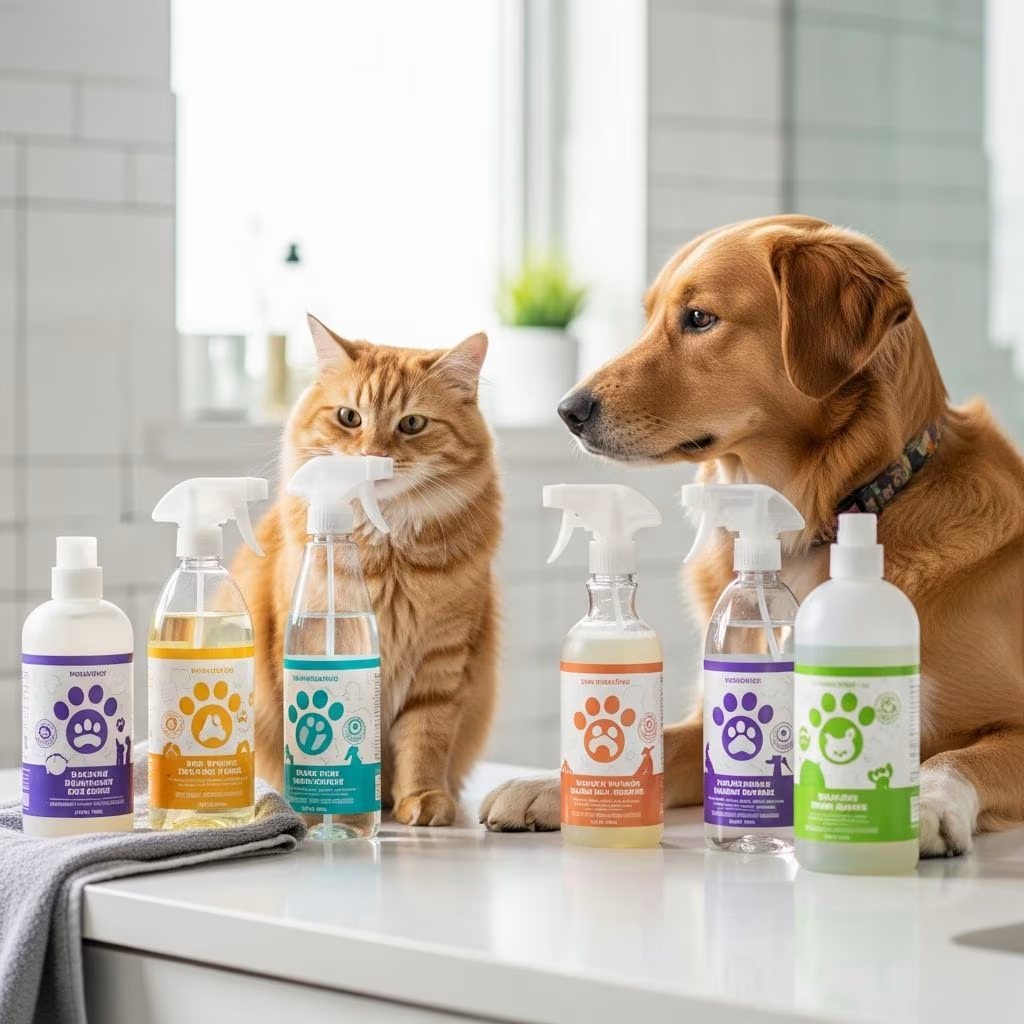
Keeping a home clean with pets requires careful selection of cleaning products to avoid exposing animals to harmful chemicals. Pets often come into direct contact with floors, furniture, and fabrics through licking, rolling, or inhaling fumes, making non-toxic options essential for their safety and health.
Why Pet Safety Matters in Cleaning Routines
Household cleaners can contain substances that irritate a pet’s sensitive respiratory system or cause poisoning if ingested. Dogs and cats have heightened senses of smell—up to 14 times stronger than humans for dogs—and their grooming habits increase exposure risks. Choosing pet-safe alternatives prevents issues like vomiting, skin irritation, or long-term organ damage while allowing effective sanitation.
Regular cleaning also addresses pet-specific messes, such as urine stains or hair buildup, which traditional products might not handle without residue. Safe cleaners break down organic matter without leaving toxic traces, ensuring a healthier living environment.
Safe Ingredients for Everyday Cleaning
Opt for natural, non-toxic ingredients that effectively remove dirt, grease, and odors without harming pets. These options are versatile for kitchens, bathrooms, and pet areas.
- Baking Soda: Acts as a mild abrasive, deodorizer, and stain remover. Mix with water for pastes that scrub counters or pet bowls safely.
- White Vinegar: Cuts through grease and disinfects surfaces. Dilute 1:1 with water for all-purpose sprays; avoid on natural stone.
- Enzymatic Formulas: Contain natural enzymes like proteases and lipases that digest proteins, starches, and fats in pet urine or food spills.
- Accelerated Hydrogen Peroxide: A stabilized form that disinfects without the harshness of regular peroxide, ideal for hard floors and crates.
- Lemon Juice: Provides natural acidity for grease removal and fresh scent; combine with water for glass or stainless steel cleaning.
These ingredients are inexpensive, readily available, and backed by veterinary recommendations for pet households.
DIY Recipes for Pet-Friendly Cleaners
Homemade solutions offer control over ingredients, reducing costs and chemical exposure. Here are proven recipes tailored for pet owners:
| Recipe Name | Ingredients | Uses | Instructions |
|---|---|---|---|
| All-Purpose Spray | 1 cup vinegar, 1 cup water, 10 drops lemon essential oil | Counters, floors, toys | Mix in spray bottle; shake before use. Wipe and rinse. |
| Baking Soda Scrub | 3 tbsp baking soda, 1 tbsp salt, warm water | Sinks, bowls, tiles | Form paste; scrub, then rinse thoroughly. |
| Carpet Deodorizer | Baking soda, few drops essential oil (optional) | Rugs, pet beds | Sprinkle, wait 30 min, vacuum. |
| Glass Cleaner | 2 cups water, 5 tbsp lemon juice | Windows, mirrors | Spray and wipe with microfiber cloth. |
| Disinfectant Mix | 2 cups water, 3 tbsp castile soap | Hard surfaces | Spray, let sit 5 min, wipe clean. |
Store in labeled glass bottles away from pets. Test on small areas first to ensure no discoloration.
Commercial Pet-Safe Cleaning Products
Several brands formulate products specifically for pet homes, using plant-based or probiotic technologies. Look for labels confirming no ammonia, bleach, or phenols.
- Method Cleaning Sprays: Plant-derived, biodegradable formulas for counters and floors; pleasant scents from natural sources.
- Mrs. Meyer’s Pet Line: Probiotic-based cleaners for multi-surfaces and stains; enzymes continue working post-application.
- Simple Solution Enzymatic Cleaner: Targets urine and feces odors with pro-bacteria power for carpets and upholstery.
- The Pink Stuff: Non-toxic paste for tough kitchen stains; versatile on multiple surfaces without animal testing.
Pair with tools like cordless vacuums featuring pet hair attachments for comprehensive cleaning. Always verify ‘pet-safe’ claims by checking ingredient lists.
Dangerous Ingredients to Avoid
Many common cleaners pose serious risks. Pets may ingest residues or inhale vapors, leading to toxicity.
- Ammonia and Bleach: Cause respiratory distress; combined, they release toxic chloramine gas.
- Phenols (e.g., Pine-Sol): Highly toxic to cats, causing liver failure even in diluted forms.
- Ethyl Alcohol: Irritates skin and eyes; ingestion leads to drunkenness or poisoning.
- Strong Fragrances: Overwhelm pets’ senses, triggering nausea or asthma-like symptoms.
Products labeled ‘natural’ aren’t always safe—essential oils like tea tree can be fatal to cats. Child-safe doesn’t equate to pet-safe due to differing metabolisms.
Best Practices for Cleaning Around Pets
Implement habits to minimize risks during cleaning sessions.
- Ventilate rooms by opening windows and using fans to disperse fumes.
- Remove pets from the area until surfaces dry completely.
- Wear gloves if handling concentrates; rinse all items thoroughly.
- Focus on pet zones like litter boxes or beds with enzymatic products.
- Vacuum regularly to control hair and dander buildup.
For laundry, use green detergents and avoid dryer sheets; opt for wool balls or essential oil-dampened socks instead.
Addressing Common Pet Messes
Pet accidents demand quick, effective responses to prevent lingering odors.
- Urine Stains: Blot excess, apply enzymatic cleaner, let sit, then blot and dry.
- Vomit or Feces: Use accelerated peroxide for disinfection after removal.
- Hair and Dander: Vacuum with HEPA filters; steam clean fabrics monthly.
Probiotic cleaners offer ongoing protection by colonizing surfaces against future bacteria.
Frequently Asked Questions
Are vinegar and baking soda enough for disinfection?
They handle bacteria and grease well but pair with hydrogen peroxide for viruses. Always rinse pet-contact surfaces.
Can I use essential oils in cleaners?
Limit to pet-safe ones like lavender in dilution; avoid tea tree, eucalyptus for cats and dogs.
What if my pet licks a cleaned floor?
Most DIY options are ingestible in small amounts, but monitor for upset stomach and consult a vet if symptoms appear.
Are store-bought ‘pet-safe’ labels reliable?
Not always—read full ingredients. Seek veterinary or ASPCA endorsements.
How often should I deep clean pet areas?
Weekly for high-traffic spots; monthly for upholstery using safe products.
Long-Term Home Maintenance Tips
Integrate pet-safe cleaning into routines for sustained cleanliness. Invest in washable pet beds and machine-safe toys. Regular grooming reduces shedding and messes. Educate family on protocols to ensure consistency.
By prioritizing these methods, pet owners achieve sparkling homes without compromising animal welfare. Transitioning to safe cleaners yields peace of mind alongside efficacy.
References
- Household Cleaning Products and Ingredients That Are Safe for Pets — Zoetis Petcare. 2023-05-15. https://www.zoetispetcare.com/blog/article/pet-safe-cleaning-products
- 8 DIY Homemade Natural and Pet Safe Cleaners — FurChild Pets. 2024-03-10. https://furchildpets.com/blog/8-diy-homemade-cleaners-that-are-safe-for-pets
- Pet Care Products — Mrs. Meyer’s Clean Day. 2025-01-20. https://mrsmeyers.com/pages/pet-landing-page
- Pet-Safe Cleaning Guidelines — ASPCA (via primary pet toxin database). 2025-02-01. https://www.aspca.org/pet-care/animal-poison-control/people-foods-avoid-feeding-your-pets
- Veterinary Recommendations for Household Cleaners — AVMA. 2024-11-12. https://www.avma.org/resources-tools/pet-owners/petcare/household-hazards-pets



