
Pet Rodenticide Poisoning Guide
Essential steps to save your dog or cat from rat poison toxicity, symptoms, treatments, and prevention strategies.
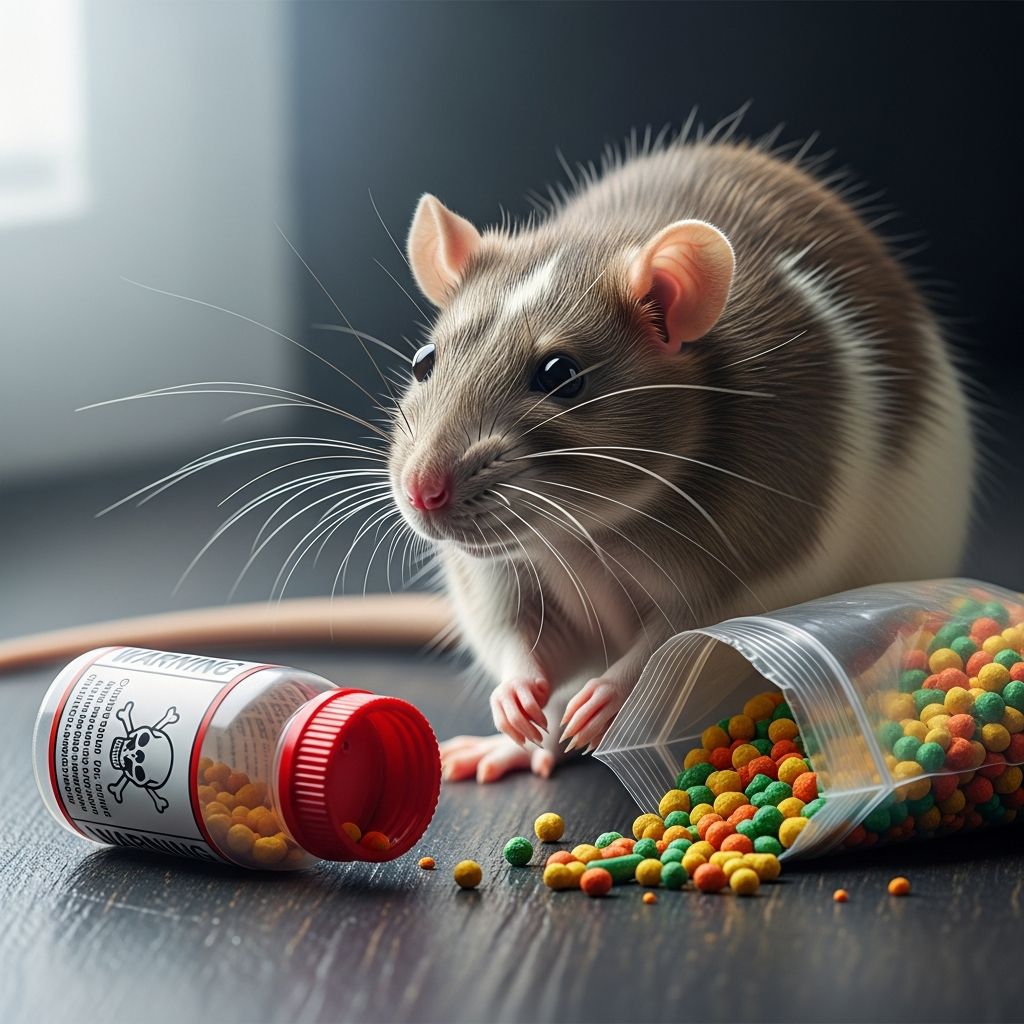
Rodenticide ingestion represents a serious threat to dogs and cats, with various toxin types causing delayed and diverse symptoms that can lead to organ failure or death if untreated. Immediate veterinary intervention is crucial, as early decontamination and specific antidotes can dramatically improve survival rates.
Understanding Common Rodenticide Toxins
Rat poisons contain active ingredients designed to kill rodents through different mechanisms, each posing unique risks to pets. Anticoagulants like brodifacoum disrupt blood clotting, leading to internal hemorrhaging days after exposure. Bromethalin targets the nervous system, inducing brain swelling and neurological collapse. Cholecalciferol, or Vitamin D3, elevates calcium levels, hardening tissues and damaging kidneys. Less common types include phosphides that release toxic gases.12
- Anticoagulants: Most prevalent; symptoms delayed 3-7 days.
- Bromethalin: Rapid onset in high doses; no antidote available.
- Vitamin D3: Causes hypercalcemia; affects kidneys quickly.
- Phosphides: Produce phosphine gas; symptoms within minutes to hours.
Recognizing Early Warning Signs in Dogs and Cats
Symptoms vary by toxin but often start subtly, progressing to life-threatening conditions. Monitor for colored bait remnants in stool, a key indicator of ingestion even without immediate signs.2
Symptoms by Toxin Type
| Toxin Type | Dog Symptoms | Cat Symptoms |
|---|---|---|
| Anticoagulant | Lethargy, pale gums, bloody stool, bruising, difficulty breathing, weakness | Lethargy, pale gums, bruising, black stool, blood in vomit/urine, joint swelling |
| Bromethalin | Stumbling, tremors, seizures, paralysis, depression | Tremors, hyperthermia, seizures, weakness, incoordination, pupil changes |
| Vitamin D3 | Vomiting, increased thirst/urination, weakness, kidney failure signs | Lethargy, vomiting, polydipsia/polyuria, seizures |
| Phosphides | Vomiting (bloody), diarrhea, bloating, tremors, breathing issues | Similar; rapid onset with garlic-like odor possible |
General alerts include unexplained weakness, appetite loss, or collapse. Cats may show subtler signs initially due to smaller size.13
Immediate Response Steps for Suspected Ingestion
Do not wait for symptoms—act within hours. Contact a vet or poison hotline like ASPCA Animal Poison Control immediately, providing bait packaging details if available.7
- Prevent further exposure: Confine pet and remove access to bait.
- Do not induce vomiting: Risky without professional guidance, especially for certain toxins.
- Gather evidence: Note time of possible ingestion, bait color/type, pet’s weight.
- Rush to emergency vet: Even asymptomatic pets need evaluation.
Veterinary Diagnosis and Treatment Protocols
Vets confirm toxicity via blood tests (clotting times for anticoagulants, calcium levels for Vitamin D3, imaging for brain swelling). Treatments are toxin-specific and often involve hospitalization.2
- Decontamination: Induce vomiting (if early), activated charcoal, gastric lavage.
- Anticoagulant antidote: Vitamin K1 therapy for weeks; plasma transfusions for severe bleeding.
- Bromethalin/Cholecalciferol: Supportive care—IV fluids, medications to reduce swelling/calcium, monitoring.
- Phosphides: Anti-gas therapy, organ support.
Prognosis excels with prompt care; delays reduce success, especially for neurotoxins where survival is lower.1
Preventing Rodenticide Exposure in Pets
Proactive measures minimize risks in homes and yards with pest issues.
- Use pet-safe alternatives: Snap traps, ultrasonic repellents, sealed bait stations.
- Secure baits: Place in tamper-proof stations inaccessible to pets/children.
- Supervise outdoors: Keep pets leashed in rodenticided areas.
- Yard maintenance: Eliminate food sources for rodents.
- Professional pest control: Opt for services using enclosed methods.
Special Considerations for Cats vs. Dogs
Cats, being lighter and more curious climbers, face higher risks from scattered bait. Dogs often consume larger amounts quickly. Both species show overlapping symptoms, but cats may progress faster to seizures or paralysis.1 Multi-pet homes require isolating suspects during treatment.
Long-Term Recovery and Monitoring
Survivors need follow-up bloodwork for weeks, especially on Vitamin K1. Watch for relapse signs like renewed bleeding. Nutritional support aids healing; restrict activity during recovery.
Frequently Asked Questions
What if my pet ate rat poison but seems fine?
Many toxins have delayed effects (1-7 days). Seek vet care regardless—early intervention prevents complications.2
Can I treat rat poison at home?
No. Home remedies like hydrogen peroxide for vomiting can worsen outcomes. Professional care is essential.4
How long does treatment last?
Anticoagulant cases: 4-6 weeks of Vitamin K1. Others: Hospitalization days to weeks, with outpatient monitoring.1
Is rat poison smell detectable?
Phosphides emit a garlic/fish odor; others are odorless. Colored stool is a better clue.2
What are safe rodent control options?
Enclosed traps, natural predators, sanitation—avoid open poisons.7
Key Takeaways for Pet Owners
Rodenticide poisoning is preventable and treatable if caught early. Familiarize yourself with local bait types, train family on response protocols, and prioritize vet access. Your quick thinking can save lives.
References
- Rat Poisoning in Cats — PetMD. 2023. https://www.petmd.com/cat/poisoning/rat-poisoning-cats
- Rat Poisoning in Dogs — PetMD. 2023. https://www.petmd.com/dog/poisoning/rat-poisoning-dogs
- What You Should Know About Rat Poison and Your Pet — VEG. 2023. https://www.veg.com/post/what-you-should-know-about-rat-poison-and-your-pet
- A Guide to Rat Poisoning in Dogs: Symptoms and Treatment — Vets Now. 2023. https://www.vets-now.com/pet-care-advice/dog-ate-rat-poison/
- Protecting Your Pets: A Guide to Rat Poison Ingestion and Pet Safety — DoveLewis. 2023. https://www.dovelewis.org/blog/protecting-your-pets-guide-rat-poison-ingestion-and-pet-safety
- Rodenticide and Your Pet: What You Need to Know — ASPCA. 2023. https://www.aspca.org/news/rodenticide-and-your-pet-what-you-need-know
Similar Articles








Read full bio of Sneha Tete


