
Pet Regurgitation or Vomiting: Key Differences
Learn to distinguish between harmless regurgitation and serious vomiting in pets to ensure timely veterinary care and prevent complications.
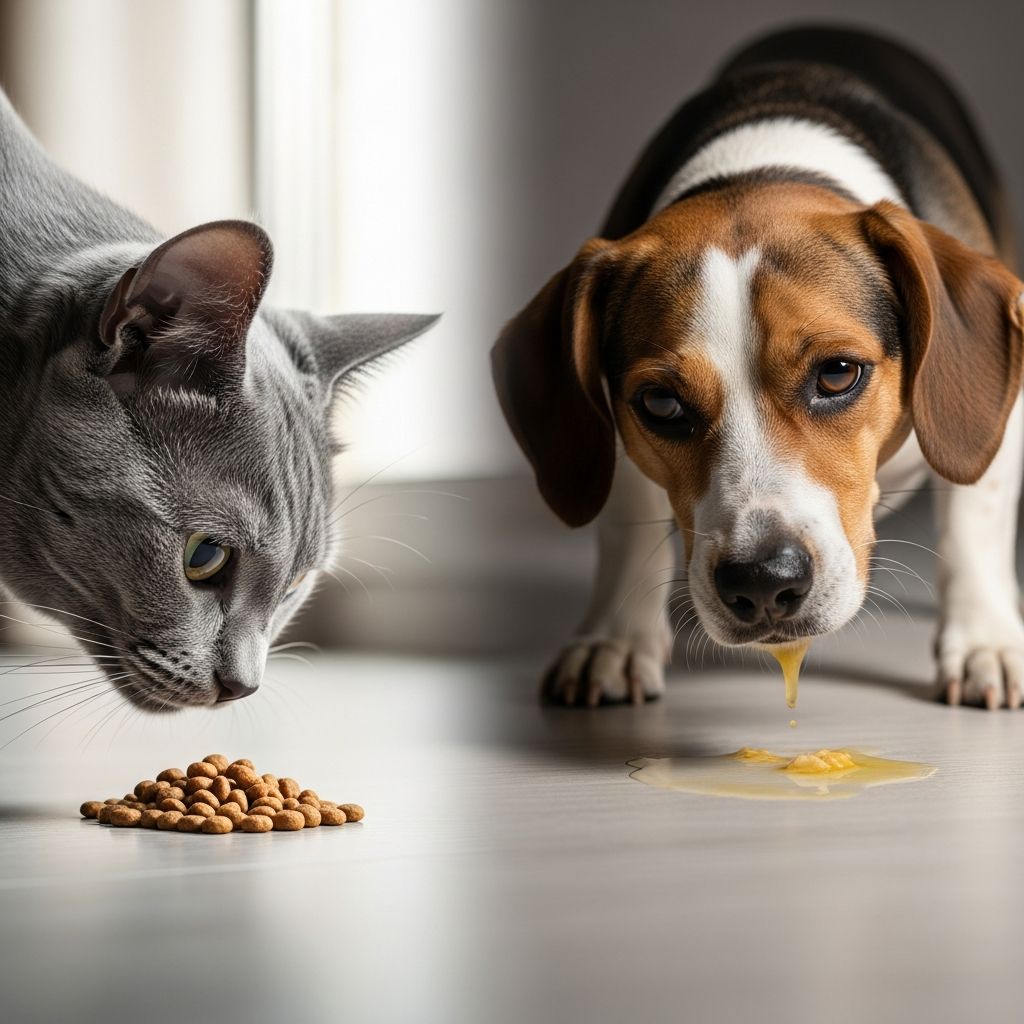
Pet owners frequently encounter situations where their dogs or cats expel food or fluids, but not all instances qualify as vomiting. Distinguishing between
regurgitation
andvomiting
is crucial for proper care, as each points to distinct physiological processes with varying implications for health.Defining the Core Processes
**Regurgitation** involves the effortless return of undigested material from the esophagus or throat, occurring without abdominal effort or warning. This passive action often surprises the pet, with contents emerging shortly after consumption, resembling the original food form covered in mucus or saliva.
In contrast,
vomiting
is an active, coordinated response where stomach or upper intestinal contents are forcefully expelled through muscle contractions, retching, and heaving. Pets typically show signs of nausea beforehand, such as lip-licking or drooling, and the material appears digested, often mixed with bile.Observational Clues to Identify Each
Spotting the difference starts with behavior and timing. Regurgitation happens passively: the pet lowers its head, and food simply drops out, usually soon after eating. No straining occurs, and the pet might re-ingest it immediately.
Vomiting, however, is dramatic. Expect visible effort—grunting, abdominal heaving—and nausea indicators. It can occur minutes to hours post-meal or even when fasting, producing fouler-smelling, altered contents.
| Feature | Regurgitation | Vomiting |
|---|---|---|
| Effort Level | Passive, no retching | Active heaving and straining |
| Timing | Immediately after eating | Variable, often delayed |
| Appearance | Undigested, tubular, mucus-covered | Digested, bile-tinged, mushy |
| Preceding Signs | None, sudden | Drooling, lip-licking, anxiety |
| Odor | Mild, food-like | Sour, acidic |
This table summarizes key distinctions based on veterinary observations, aiding quick assessment at home.
Potential Causes Behind Regurgitation
Regurgitation often stems from esophageal issues. In dogs, conditions like
megaesophagus
—a dilated, dysfunctional esophagus—prevent proper food passage to the stomach, leading to frequent passive expulsion. Puppies may have congenital forms, while adults could develop it from neuromuscular diseases or toxins.Cats experience similar problems, though less commonly documented, often linked to esophageal strictures or foreign bodies. Overeating or gulping food too quickly can trigger occasional episodes in healthy pets, but persistence warrants investigation.
- Esophageal motility disorders
- Congenital malformations in young pets
- Obstructions from bones or toys
- Neurological impairments affecting swallowing
Common Triggers for Vomiting in Pets
Vomiting serves as a protective mechanism against toxins, infections, or irritants. Dietary indiscretion—eating garbage or spoiled food—is a top cause in dogs. Cats might vomit hairballs or react to plant toxins.
Systemic issues include pancreatitis, kidney disease, or intestinal blockages. Parasites like roundworms appear in vomit, signaling infestation. Chronic cases may indicate allergies, inflammatory bowel disease, or metabolic imbalances.
- Acute: Infections, toxins, motion sickness
- Chronic: Organ dysfunction, cancer, medications
- Post-operative or stress-induced
Health Risks and Complications
While occasional regurgitation might seem benign, repeated episodes risk
aspiration pneumonia
, where material enters the lungs, causing cough, fever, and breathing distress. This is especially dangerous in brachycephalic breeds or puppies.Frequent vomiting dehydrates pets, disrupts electrolytes, and exacerbates underlying diseases. Blood in vomit (hematemesis) or black, tarry material (melena) indicates bleeding, demanding urgent care.
Immediate Steps for Pet Owners
Record episodes via video to capture nuances for your vet—position, effort, and material appearance. Withhold food for 12-24 hours post-vomiting (water as tolerated), but never for regurgitation, as affected pets need elevated feeding to aid gravity-assisted swallowing.
Clean areas thoroughly to prevent re-ingestion. Monitor for lethargy, diarrhea, or weight loss, which elevate concern levels.
Veterinary Diagnostic Approaches
Vets differentiate via history, exam, and imaging. For regurgitation, focus on the esophagus with X-rays, contrast studies (barium swallow), or endoscopy to detect dilation or obstructions.
Vomiting prompts abdominal ultrasound, bloodwork for organ function, and fecal tests for parasites. Endoscopy or exploratory surgery may follow for persistent cases.
Treatment Strategies Tailored to the Issue
Regurgitation management emphasizes supportive care: elevate food bowls, feed upright or vertical meals (Bailey chairs for megaesophagus), and use slurry diets. Surgery corrects some structural defects; medications aid motility.
Vomiting treatments target causes—antiemetics like maropitant, fluids for hydration, antibiotics for infections. Dietary trials with hydrolyzed proteins help allergies; surgery removes blockages.
Prevention Tips for Everyday Pet Care
Prevent both by slowing intake: puzzle feeders, smaller frequent meals. Avoid table scraps; supervise outdoors to deter scavenging. Regular deworming and vaccinations reduce risks.
For at-risk breeds (e.g., German Shepherds for megaesophagus), early screening applies. Annual check-ups catch subclinical issues.
Species-Specific Considerations
Dogs: Breed Predispositions and Patterns
Large breeds like Great Danes face higher megaesophagus risk, while small dogs gulp food leading to occasional regurgitation. Vomiting often ties to gluttony.
Cats: Hairballs and Finicky Eaters
Cats regurgitate hairballs passively, but true vomiting involves retching. Chronic cases link to IBD or hyperthyroidism.
Frequently Asked Questions (FAQs)
Is occasional regurgitation normal in puppies?
Yes, but monitor; congenital megaesophagus requires early intervention to prevent malnutrition.
What if my pet regurgitates but seems otherwise healthy?
Discuss with your vet—imaging rules out issues; home management like elevated feeding often suffices.
Can vomiting lead to dehydration quickly?
Absolutely, especially in small pets; offer ice chips and seek care if persistent.
How do I know if it’s bile or not?
Bile appears yellow-green in vomit; absent in most regurgitation.
When is emergency vet care needed?
Blood, lethargy, repeated episodes, breathing issues, or abdominal pain signal urgency.
Long-Term Management and Prognosis
With diagnosis, most pets thrive. Megaesophagus cases manage lifelong with adaptations, achieving good quality of life. Vomiting from treatable causes resolves fully; chronic diseases need ongoing therapy.
References
- Vomiting in Dogs vs. Regurgitation: Everything You Need to Know — American Kennel Club (AKC). 2023-05-15. https://www.akc.org/expert-advice/health/vomiting-vs-regurgitation/
- Vomiting vs Regurgitation: What’s the Difference — Wellnergy Pets. 2024-02-10. https://www.wellnergypets.com/blogs/news/vomiting-vs-regurgitation-what-s-the-difference-and-why-is-my-dog-doing-it
- Is My Dog Vomiting or Regurgitating? — Pet Health Network. 2022-11-20. https://www.pethealthnetwork.com/dog-health/dog-diseases-conditions-a-z/my-dog-vomiting-or-regurgitating
- The Difference Between Vomiting and Regurgitation in Pets — Animal Medical Center of New York (YouTube). 2023-08-05. https://www.youtube.com/watch?v=rgojpBOcFtU
- Everyday Medicine: Is it Vomiting or Regurgitation? — Animal Medical Center New York. 2018-08-22. https://www.amcny.org/blog/2018/08/22/everyday-medicine-vomiting-regurgitation/
- Vomiting Versus Regurgitation — Harrisonburg Animal Hospital. 2023-01-12. https://www.hahpets.com/articles/418828-vomiting-versus-regurgitation
- Dog Regurgitation: Why is My Dog Throwing Up Undigested Food? — PetMD. 2024-03-18. https://www.petmd.com/dog/symptoms/dog-regurgitation
- Vomiting pets — Washington State University Veterinary Teaching Hospital. 2021-12-15. https://hospital.vetmed.wsu.edu/2021/12/15/vomiting-pets/
Similar Articles








Read full bio of Sneha Tete


