Pet Rats 101: A Beginner’s Guide to Keeping a Rat
Complete guide to pet rat care: housing, feeding, socialization, and enrichment for happy, healthy rats.
Pet Rats 101: A Beginner’s Guide to Keeping a Rat as a Pet
Pet rats have become increasingly popular as companions for families and individuals seeking intelligent, affectionate small pets. Unlike their wild counterparts, domesticated rats are social, curious, and surprisingly affectionate creatures that can form strong bonds with their owners. If you’re considering bringing a rat into your home, understanding their specific care requirements is essential to ensuring they live a happy, healthy life. This comprehensive guide covers everything you need to know about pet rat ownership, from setting up the perfect habitat to creating enriching environments that support their natural behaviors.
Why Choose a Pet Rat?
Rats make wonderful pets for a variety of reasons. They are highly intelligent animals capable of learning their names, responding to commands, and even performing tricks. Their social nature means they genuinely enjoy interaction with their human caregivers and with other rats. Rats are relatively low-maintenance compared to larger pets, yet they provide significant emotional rewards through their playful antics and affectionate behavior. Understanding their needs allows you to provide an environment where they can thrive and develop their unique personalities.
Essential Pet Rat Supply Checklist
Before bringing your new pet rat home, ensure you have all necessary supplies to create a comfortable, safe environment. Having everything prepared in advance allows your rat to settle in smoothly and reduces stress for both pet and owner.
- Large wire enclosure with a solid bottom
- Bedding (paper-based or hemp)
- Enrichment decor, including hammocks, exercise wheels, and chew toys
- Cage cleaner (pet-safe formula)
- Small pet carrier for transport and emergencies
- High-quality rat food (pelleted or block form)
- Food dish
- Water bottle with sipper mechanism
- Additional water bowl (shallow dish)
- Hiding places such as tunnels and igloos
- Climbing structures
- Wooden chew toys
Housing and Enclosure Setup
Selecting the right enclosure is one of the most critical decisions for rat ownership. Your rat needs ample space to move, climb, and explore. The enclosure should be a large wire cage with a solid bottom that prevents waste from falling through and provides a comfortable surface for your pet.
Enclosure Requirements
The habitat must feature appropriately spaced bars to prevent escape and injury. Ensure the enclosure has excellent ventilation to maintain air quality and prevent respiratory issues, which rats are susceptible to. The solid bottom should be lined with high-quality bedding material. Avoid wood shavings or chips, as these can harm your rat’s gastrointestinal tract if ingested. Instead, choose fragrance-free, paper-based bedding or hemp alternatives. Rats have sensitive respiratory systems, so scented bedding can cause breathing difficulties.
Environmental Conditions
Temperature control is crucial for your rat’s health and comfort. Maintain temperatures between 65 and 80 degrees Fahrenheit, avoiding significant temperature fluctuations that can stress their small bodies. Position enclosures away from drafty areas and direct sunlight, both of which can create unhealthy temperature swings and discomfort.
Bedding Depth
Provide approximately 2 inches of bedding at the bottom of the cage to allow your rat adequate space for burrowing, a natural behavior that provides mental stimulation and comfort. Fresh bedding creates a cleaner, healthier environment and reduces unpleasant odors.
Enrichment and Mental Stimulation
Rats are highly intelligent animals that require regular enrichment to prevent boredom, behavioral problems, and depression. A well-enriched environment supports physical activity and mental engagement, contributing significantly to your rat’s overall well-being.
Essential Enrichment Items
Hiding Places: Tunnels, igloos, and hammocks provide safe spaces where rats can retreat, sleep, and feel secure. These hiding spots are essential for reducing stress and supporting natural nesting behaviors.
Exercise Wheels: Silent exercise wheels designed for small animals allow your rat to engage in physical activity and burn energy. Look for wheels with smooth surfaces and proper sizing to prevent injury.
Chew Toys: Since rat teeth never stop growing throughout their lives, providing appropriate chewing opportunities is critical for dental health. Wooden chew toys, hanging chew blocks, and natural wood structures help maintain healthy tooth growth and prevent overgrowth-related problems.
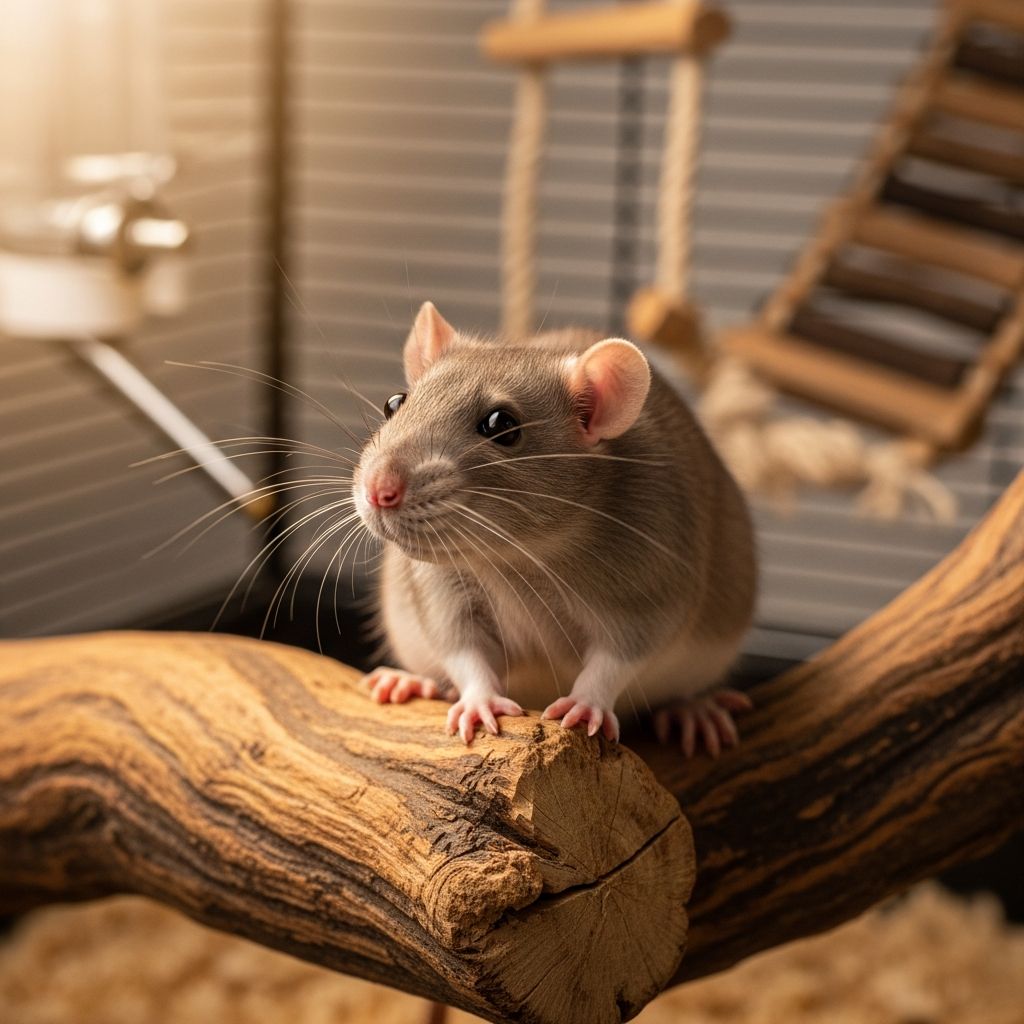
Climbing Structures: Rats enjoy climbing and exploring vertical spaces. Provide climbing opportunities through branches, ropes, and multi-level platforms within the enclosure.
Cost-Effective Enrichment: Old cereal boxes, paper towel tubes, and toilet paper tubes make excellent, affordable enrichment toys that your rats will enjoy destroying and exploring.
Nutrition and Feeding Guidelines
Proper nutrition is fundamental to maintaining your rat’s health and preventing obesity-related diseases. A balanced diet consisting of high-quality commercial pellets supplemented with fresh foods ensures your pet receives all necessary nutrients.
Dietary Composition
High-quality commercial rat pellets or blocks should comprise 90 percent of your rat’s total diet, providing essential nutrients carefully formulated for their specific needs. Fresh foods should constitute only 10 percent of their daily intake, offering variety, hydration, and enrichment through different tastes and textures.
Feeding Schedule
Most rats are fed twice daily, with portion sizes adjusted based on age, size, and activity level. Always follow the instructions provided on your rat food packaging to prevent overfeeding, which can lead to obesity, or underfeeding, which can cause malnutrition. Senior rats may eat less than younger, more active rats, so monitor eating patterns to ensure appropriate nutrition throughout their lives.
Fresh Food Considerations
When offering fresh foods, be mindful of their natural sugar content. Fruits are high in carbohydrates and should be offered in limited quantities to prevent unhealthy weight gain. Vegetables are generally safer options for regular supplementation. Avoid foods toxic to rats, including chocolate, avocado, green potatoes, and certain nuts.
Water Management and Hydration
Fresh, clean water must be available to your pet rat at all times. Proper water management prevents dehydration and supports overall health and bodily functions.
Water Bottle Maintenance
Provide water through a sipper bottle designed specifically for small animals, such as a quality glass water bottle that attaches to the cage interior. Additionally, offer a shallow water bowl to give your rat options. Rats enjoy playing in water, which provides both hydration and entertainment.
Daily cleaning and refilling of both water bottles and bowls is essential to prevent bacterial growth and encourage consistent hydration. Monitor your rat’s water intake regularly, especially during warmer months when increased temperatures raise hydration needs.
Cleaning and Cage Maintenance
A clean cage is fundamental to preventing disease, eliminating odors, and maintaining a healthy environment for your pet. Establishing a consistent cleaning routine ensures your rat’s habitat remains sanitary and pleasant.
Daily Cleaning Tasks
Remove soiled bedding, uneaten food, and droppings daily. This spot-cleaning approach maintains basic hygiene between more thorough cleanings and prevents bacteria and odor accumulation. Daily water bottle and food dish cleaning prevents bacterial growth and promotes good hygiene.
Weekly Deep Cleaning
Once weekly, remove all bedding, toys, and accessories from the enclosure. Clean the cage thoroughly with mild soap and water, rinse completely to remove all soap residue, and dry before replacing with fresh bedding and clean toys. This comprehensive cleaning removes hidden waste and bacteria that accumulate over time.
Monthly Disinfection
On a monthly basis, use a pet-safe disinfectant such as commercial small animal cage cleaner spray to sanitize the enclosure. If using bleach solutions, allow the solution to remain on surfaces for at least 10 minutes to ensure proper disinfection. Always rinse thoroughly to remove any residue that could irritate your rat’s respiratory system.
Safe Cleaning During Cage Maintenance
While cleaning, keep your pet rat somewhere safe and secure. Use a small, sturdy carrier or temporary cage equipped with bedding, food, water, and familiar toys or enrichment items to keep your rat comfortable during the cleaning process.
Handling and Socialization
Rats are social creatures that thrive on interaction, attention, and daily handling. Building a strong bond with your pet through proper socialization and respectful handling creates a trusting, affectionate relationship that benefits both pet and owner.
Socializing Your Rat
Begin socialization by spending time near the cage, allowing your rat to become accustomed to your presence, scent, and voice. Once comfortable, introduce hand-feeding directly inside the cage rather than through bars. This direct interaction builds familiarity and trust. Progress gradually to gentle handling sessions, allowing your rat to move at their own pace. Patient, regular interactions strengthen the bond and help your rat feel secure and valued.
Daily Handling Practices
Spend time handling your pet every day to strengthen your connection and provide essential stimulation. When your rat shows interest in being held, scoop them up gently from underneath, ensuring their hindquarters receive adequate support. Some rats may even “groom” their pet parents by gently licking their fingers, a sign of affection and bonding.
Exploration and Supervised Play
Beyond cage handling, allow your rats to explore safe areas outside their enclosure under strict supervision. Rats are naturally inquisitive and enjoy investigating new environments, provided they remain safe. Create controlled spaces using barriers to prevent escape and injury. Keep electrical cords, cables, and other chewing hazards away from exploration areas. Never leave your rat unsupervised outside the cage, as they can quickly find dangerous items to chew or squeeze into tight spaces.
Safety and Hazard Prevention
Creating a safe environment protects your rat from injury and illness. Understanding potential hazards and taking preventive measures is essential for responsible pet ownership.
Toxic Substances and Foods
Keep all cleaning products, pesticides, and medications securely stored away from your rat’s access. Many household plants are toxic to rats, so identify and remove these from areas where your pet might encounter them. Certain foods are dangerous to rats, including chocolate, avocado, green potatoes, and moldy foods.
Electrical and Physical Hazards
When rats explore outside their cages, protect them from chewing on electrical cords, which can cause serious injury or death. Remove or cover any exposed wiring. Be aware of small spaces where rats might escape, squeeze, or become trapped. Ensure all exploration areas are thoroughly rat-proofed before allowing unsupervised exploration.
Veterinary Care
Finding an exotic animal veterinarian soon after acquiring your pet rat ensures you have professional support for health concerns. Regular check-ups help identify potential health issues early, and your veterinarian can provide guidance on proper care, nutrition, and age-related health management. Rats are prone to respiratory infections, tumors, and obesity, making professional veterinary oversight valuable throughout their lives.
Frequently Asked Questions About Pet Rats
Q: How long do pet rats typically live?
A: Domesticated rats generally live between two and three years, though with optimal care, some can reach up to four years of age. Providing excellent nutrition, regular veterinary care, and a stress-free environment may help extend your rat’s lifespan.
Q: How many rats should I keep together?
A: Rats are highly social animals that generally thrive living with other rats. Keeping at least two rats together provides social interaction and mental stimulation. However, ensure your enclosure is large enough to comfortably accommodate multiple residents and provide separate hiding spaces.
Q: Can rats be litter trained?
A: Yes, rats are surprisingly intelligent and can be litter trained, similar to cats. Place a small litter box in one corner of their enclosure where they naturally tend to eliminate, and most rats will consistently use it, making cage maintenance easier.
Q: How do I know if my rat is healthy?
A: Healthy rats are active, alert, and engaged with their environment. Their eyes should be bright and clear, and their coat should be smooth and clean. Watch for changes in eating or drinking habits, discharge from eyes or nose, or changes in activity level, and contact your veterinarian if you notice concerning changes.
Q: What sounds do pet rats make, and what do they mean?
A: Rats communicate through various vocalizations including peeps, squeaks, and shrieks. These sounds indicate their emotional state—distressed squeaks may mean they’re unhappy or resisting handling, while soft chirping or chittering often indicates contentment. Learning your individual rat’s communication style helps you understand their needs and emotions.
Q: How can I tell if my older rat needs extra care?
A: Senior rats may eat less, become less active, and have difficulty grooming themselves. Gently wipe their body and ears with dampened tissue as needed, and trim or file their nails to prevent curling. Monitor eating and activity levels closely to distinguish between normal aging and potential health concerns.
Creating an Ideal Rat-Keeping Environment
Successfully keeping pet rats requires commitment to meeting their physical, psychological, and social needs. The investment in proper housing, nutrition, enrichment, and daily interaction creates a fulfilling life for your rat and rewarding companionship for you. By following these guidelines and remaining attentive to your rat’s individual personality and needs, you’ll provide an environment where your pet can express natural behaviors, develop their unique personality, and form a lasting bond with their human family.
Pet rats may be small in size, but they have enormous capacity for affection, intelligence, and personality. Whether you’re a first-time rat owner or adding to an existing group, the knowledge and preparation outlined in this guide sets the foundation for years of rewarding pet ownership filled with affectionate squeaks, playful antics, and genuine companionship.
References
- Pet Rats 101: A Beginner’s Guide to Keeping a Rat as a Pet — Chewy Education. 2024. https://www.chewy.com/education/small-pet/rat-and-mouse/pet-rat
- Pet Rat Care Sheet — Chewy Education. 2024. https://www.chewy.com/education/small-pet/rat-and-mouse/pet-rat-care-sheet
- How Big Do Rats Get? — Chewy Education. 2024. https://www.chewy.com/education/small-pet/rat-and-mouse/how-big-do-rats-get
- Rat Care Sheet — PetMD. 2023. https://www.petmd.com/exotic/rat-care-sheet
- How Long Do Rats Live? — Chewy Education. 2024. https://www.chewy.com/education/small-pet/rat-and-mouse/how-long-do-rats-live
Similar Articles








Read full bio of medha deb