Pet Rat Care Sheet: Housing, Diet & Health
Complete guide to pet rat care: housing, nutrition, health, and enrichment for happy rats.
Pet Rat Care Sheet: A Complete Guide to Keeping Your Rats Healthy and Happy
Rats make wonderful, intelligent, and affectionate pets that thrive with proper care and attention. Whether you’re a first-time rat owner or an experienced pet parent, understanding the fundamentals of rat care is essential for ensuring your furry companions live long, healthy, and enriched lives. This comprehensive care sheet covers everything you need to know about housing, diet, health, grooming, and enrichment for pet rats.
Understanding Your Pet Rats
Pet rats are highly social, intelligent creatures that require dedicated care and attention. Rats are naturally curious, playful, and capable of forming strong bonds with their owners and other rats. They communicate through vocalizations, body language, and scent marking, making them fascinating animals to observe and interact with. Understanding these basic behavioral traits will help you provide the best possible environment and care for your pets.
Rats typically live 2-3 years in captivity, with some individuals living slightly longer with excellent care. Their relatively short lifespan makes it even more important to provide them with optimal living conditions and preventative health care throughout their lives.
Housing Requirements for Pet Rats
Providing adequate housing is one of the most critical aspects of rat care. Your rats need sufficient space to move, climb, nest, and express their natural behaviors. A single rat requires a minimum of 2.5 cubic feet of space, but housing larger groups requires significantly more room.
Cage Size and Design
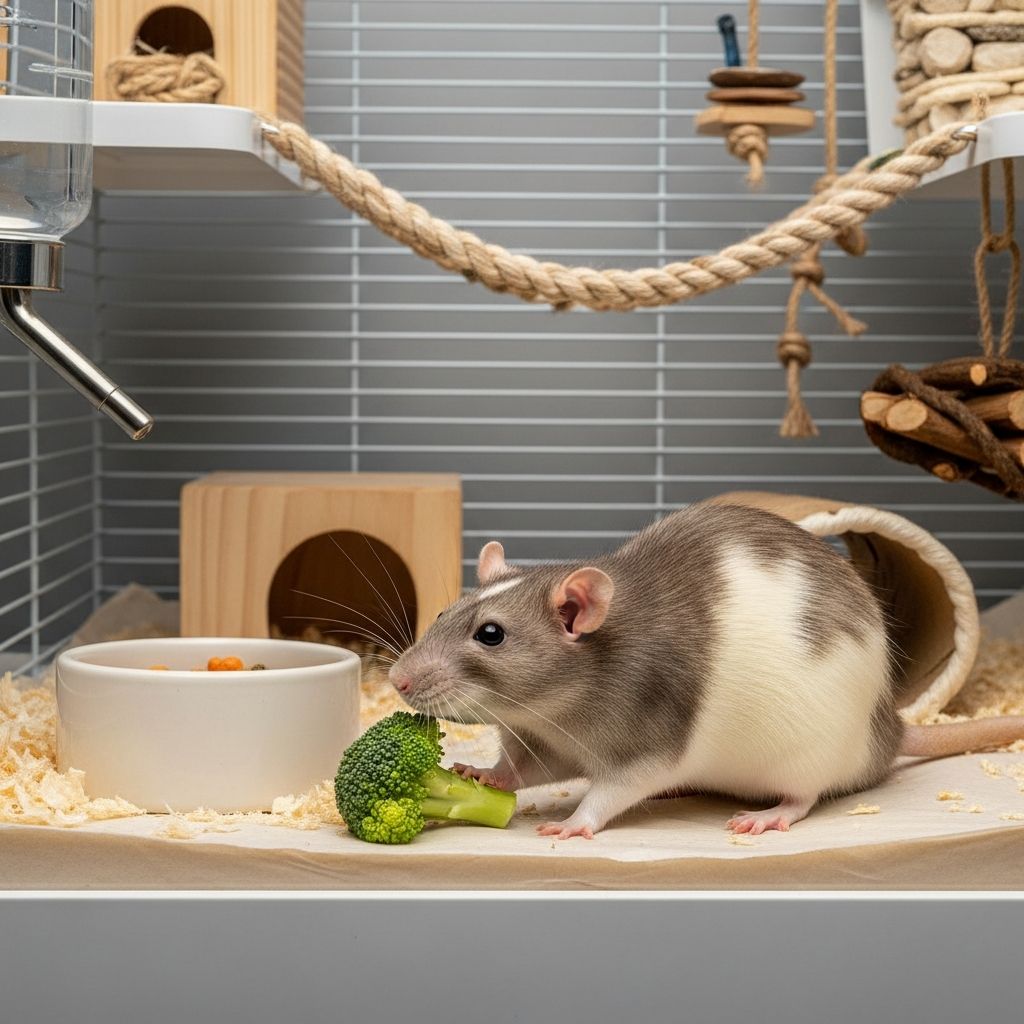
Rats require multi-level enclosures that provide vertical space for climbing and exploration. For two to five rats, a cage should be at least 90 centimeters long, 60 centimeters deep, and 120 centimeters high, with larger cages needed for bigger groups. The cage should feature solid flooring rather than wire floors, which can cause foot injuries and discomfort.
Key housing features include:
– Multiple levels and platforms for climbing- Adequate ventilation without drafts- Solid, secure construction to prevent escapes- Easy access for cleaning and handling- Distance from windows, drafts, and heating/cooling vents- Protection from direct sunlight and extreme temperatures
Bedding Material
Select absorbent, dust-free bedding materials such as aspen shavings, paper bedding, or hardwood pellets. Avoid cedar and pine bedding, as these materials contain aromatic compounds that are toxic to rats and can cause respiratory issues. Bedding should be spot-cleaned daily and completely replaced at least weekly to maintain a hygienic environment.
Essential Supplies and Accessories
To create a comfortable and enriching environment, rat owners should have these basic supplies:
– Appropriately sized habitat with multiple levels- High-quality pelleted rat food- Treats (offered in moderation)- Dust-free bedding material- Ceramic or stainless steel food bowls- Water bottle with chew-resistant design- Exercise wheel (solid surface, minimum 8 inches diameter)- Hammocks and hideaway places- Toys and enrichment items- Wood chews and chew tubes- Nest box for sleeping- Travel carrier for veterinary visits
A small animal playpen provides a safe, spacious area for supervised out-of-cage play and exercise. Since rats are agile escape artists, constant supervision during playtime outside the habitat is essential.
Diet and Nutrition for Pet Rats
A nutritious, well-balanced diet is fundamental to your rat’s health and longevity. The foundation of a proper rat diet consists of high-quality rodent lab blocks or pelleted food specifically formulated for rats, which should comprise approximately 75% of their daily diet.
Primary Food
High-quality rat pellets are complete, nutritionally balanced foods that should be available to your rats at all times. Choose fortified pellets that promote healthy teeth through natural nibbling. Avoid seed and nut-based mixes, as rats selectively feed on these tempting items over essential pellets, leading to nutritional imbalances and deficiencies.
Offer food twice daily—in the morning and evening—to maintain regular feeding schedules. Uneaten fresh food should be removed daily to prevent spoilage and bacterial growth.
Supplementary Foods
In addition to pellets, rats benefit from limited amounts of fresh vegetables, fruits, hay, and treats. Fresh vegetables like broccoli, carrots, and leafy greens provide vitamins and minerals. Fruits should be offered sparingly due to their high carbohydrate and sugar content, which can contribute to obesity.
Introduce hay to encourage natural foraging and nesting behaviors, which help prevent obesity. Oat hay is particularly popular with rats and often contains immature seed heads. Treats, including freeze-dried fruits, should only be offered occasionally to maintain proper nutrition and prevent weight gain.
Water and Hydration
Fresh, clean water must be available at all times. Provide water through chew-resistant water bottles or heavy ceramic dishes. Water should be changed daily, and bottles should be cleaned and disinfected at least weekly to prevent bacterial contamination. Daily dish cleaning is recommended to maintain water quality.
Foods to Avoid
Never feed your rats sugary foods, candy, chocolate, or junk food. These items can cause obesity, dental problems, and digestive issues. Additionally, avoid foods toxic to rats, including avocado, chocolate, citrus fruit in large quantities, and foods high in salt or fat.
Cage Cleaning and Maintenance
Maintaining a clean habitat is crucial for preventing respiratory infections, lung problems, and other health issues. A dirty cage can quickly become a health hazard for your rats.
Daily Spot Cleaning
Perform daily spot-cleaning by removing soiled bedding, uneaten fresh food, and feces. Check the cage every few days and replace contaminated bedding promptly to maintain hygiene and prevent odor buildup.
Weekly Deep Cleaning
Complete cage cleaning should be performed at least once weekly, or more frequently if housing multiple rats. Follow these steps for thorough cleaning:
– Move rats to a pet-safe temporary enclosure- Remove all old bedding and litter- Remove ropes, hammocks, toys, and accessories- Use a small animal habitat cleaner or 3% bleach solution to wash the cage and accessories- Allow bleach solution to remain on surfaces for at least 10 minutes for proper disinfection- Rinse thoroughly with water to remove all traces of cleaner or bleach- Allow the habitat and accessories to dry completely before adding fresh bedding- Clean food bowls and water bottles with warm water and a bottle brush- Return rats to the clean habitat with fresh bedding, toys, and food
Always perform cleaning while rats are awake, and supervise the process carefully.
Grooming and Personal Care
Rats are naturally hygienic animals and rarely require baths. They spend considerable time grooming themselves and each other, maintaining their coats without human intervention.
Basic Grooming
Spot-cleaning with a damp, soft washcloth or unscented baby wipes may be necessary for older or ailing rats that have difficulty grooming themselves. A soft, small brush can gently remove debris from a rat’s fur when needed. Avoid bathing unless absolutely necessary, as immersion in water can stress rats and lead to hypothermia.
Nail Care
Providing natural scratching surfaces, climbing structures, and activities helps maintain healthy nails. If nails become overgrown, consult your veterinarian for professional trimming to avoid injury.
Enrichment and Play
Rats are highly intelligent and require extensive enrichment to prevent boredom, depression, and behavioral problems. No cage, regardless of size, can meet all of your rat’s exercise and enrichment needs; supervised playtime outside the habitat is essential.
Environmental Enrichment
Create an engaging habitat with:
– Multiple hideouts and shelter boxes with multiple exits- Climbing ropes and chains- Solid-surface exercise wheels (minimum 8 inches in diameter)- Variety of natural chews and gnawing blocks to maintain healthy teeth- Hanging rope toys- Hammocks (easily made by tying or clipping small towels to the cage)- Cardboard tubes and boxes for hiding and chewing- Plant pots and tree branches as rat-friendly toys- Hidden food trails for foraging
Rotate toys and move them around regularly to maintain novelty and interest. Rats love exploring new environments and solving puzzles, so providing varied activities keeps them mentally stimulated.
Social Interaction
Rats are social animals that benefit from regular interaction with their owners and companions. Gentle handling with two hands—one supporting the hind end and the other supporting the body—helps build trust and bonds. Never squeeze your rat, as this can cause injury and distress. Provide daily supervised playtime in a safe, rat-proofed area outside the cage where your rats can explore, play, and exercise.
Veterinary Care
Regular veterinary care is essential for maintaining your rat’s health and catching potential problems early.
Annual Examinations
Rats should be examined by a veterinarian experienced in exotic animal care at least once annually. These wellness visits allow for early detection of health issues and provide opportunities to discuss diet, housing, and enrichment with a qualified professional.
Preparing for Veterinary Visits
Transport rats in a secure travel carrier with bars close enough that they cannot escape and material resistant to chewing. Never use cardboard carriers, which rats can gnaw through and which may collapse. Provide food and water in the carrier during transport. Bring pictures of the habitat and all supplies, along with a list of any health concerns or behavior changes.
When to Contact Your Veterinarian
Seek immediate veterinary attention for signs of illness or injury, including respiratory distress, discharge from eyes or nose, lethargy, appetite loss, unusual lumps or bumps, or signs of pain.
Housing Multiple Rats: Special Considerations
Rats are highly social animals and typically thrive in same-sex pairs or small groups. However, mixed-sex groups require special management to prevent unwanted breeding.
Neutering
If housing mixed-sex groups, male rats should be neutered to prevent breeding and reduce aggressive behaviors. Unneutered males are more likely to fight with each other, and neutering often helps reduce these behavioral issues.
Managing Aggression
If rats display aggressive behavior or fighting, consider these strategies:
– Provide adequate food, water, and hiding places so resources don’t need to be shared- Use separate food bowls to prevent competition- Ensure the cage has multiple levels and shelters with multiple exits for escape routes- Provide enough space so rats aren’t forced into constant proximity- Separate rats if one is injured or fighting continues for more than a few days
Consult with your veterinarian about behavioral management strategies specific to your situation.
Creating the Ideal Rat Environment
The best rat habitats incorporate all the elements discussed above into a thoughtfully designed space that meets physical, social, and psychological needs. Position the cage near household activities to provide social stimulation and companionship while protecting it from direct sunlight, drafts, and extreme temperature fluctuations. Maintain consistent temperatures between 65-75°F and humidity levels between 40-60% for optimal health.
Remember that each rat has unique personality traits and preferences. Observing your rats’ behaviors and interests helps you tailor enrichment and care to their individual needs, strengthening your bond and ensuring their wellbeing.
Frequently Asked Questions About Pet Rat Care
Q: How long do pet rats typically live?
A: Pet rats typically live 2-3 years in captivity, with some individuals living slightly longer with excellent care, consistent veterinary attention, and a nutritious diet.
Q: Can rats be kept alone, or do they need companions?
A: Rats are social animals that typically thrive in same-sex pairs or small groups. While a single rat can survive with significant daily human interaction, housing them with compatible rat companions is generally recommended for optimal social and psychological wellbeing.
Q: What bedding material is safest for rats?
A: Dust-free, absorbent bedding such as aspen shavings, paper bedding, or hardwood pellets is safest for rats. Avoid cedar and pine bedding, as these contain toxic aromatic compounds that damage rat respiratory systems.
Q: How often should I clean my rat’s cage?
A: Spot-clean soiled bedding daily, and perform complete cage cleaning at least once weekly with more frequent cleaning for larger groups.
Q: Can rats eat fruits and vegetables?
A: Yes, rats enjoy fresh vegetables and limited amounts of fruits as supplements to their pellet-based diet. Offer vegetables regularly and fruits in moderation due to their sugar content.
Q: What size cage do rats need?
A: For two to five rats, a minimum cage size of 90 cm (length) × 60 cm (depth) × 120 cm (height) is recommended, with larger cages needed for bigger groups.
Q: Do rats need baths?
A: No, rats are naturally hygienic and rarely need baths. Spot-cleaning with damp cloths or baby wipes is only necessary for older or ailing rats that struggle with grooming.
References
- Rat Care Sheet — PetMD. 2024. https://www.petmd.com/exotic/rat-care-sheet
- Caring for Your Pet Rat: Advice & Guidance — Blue Cross. 2024. https://www.bluecross.org.uk/advice/rat/caring-for-your-rat
- Caring for Your Rat — Oxbow Animal Health. February 2024. https://oxbowanimalhealth.com
- Rat Care Guide — BC SPCA. 2024. https://spca.bc.ca
- Rat Care — Animal Humane Society. 2024. https://www.animalhumanesociety.org/resource/rat-care
Similar Articles








Read full bio of Sneha Tete