Pet Rat Care Dos and Don’ts: Essential Guide
Master essential rat care with our comprehensive dos and don'ts guide for healthy, happy pets.
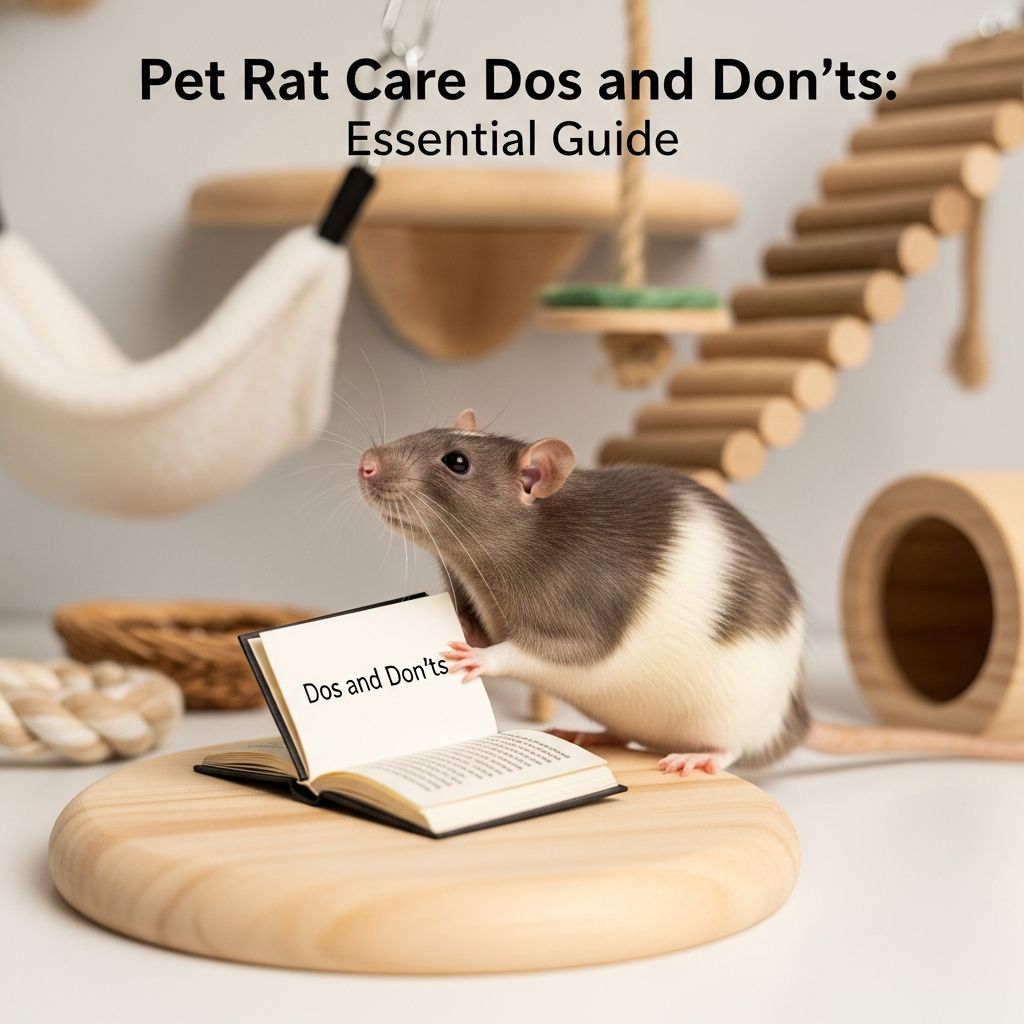
Pet Rat Care Dos and Don’ts: Essential Guide for Healthy Rats
Taking care of pet rats isn’t complicated, but it requires following some basic recommendations to ensure your rats are living their best lives. Rats are clean, friendly, playful, and quiet animals that are uniquely responsive to their owners compared to other small pets. Whether you’re a first-time rat owner or an experienced handler, understanding the key do’s and don’ts of rat care will help you provide the best possible environment for your furry companions. This comprehensive guide covers everything you need to know to keep your rats healthy and happy.
1. Should You Keep A Single Rat Or Multiple Rats?
One of the first decisions you’ll make as a rat owner is whether to keep a single rat or multiple rats. Rats are highly social animals that thrive in the company of other rats. When housing multiple rats together, ensure they are properly socialized and compatible. Rats can form strong bonds with their cage mates, and having companions can significantly improve their mental well-being. However, if you choose to keep a single rat, you should commit to spending quality time with your pet daily to prevent loneliness and behavioral issues. Single rats benefit tremendously from regular human interaction and handling to maintain their emotional health.
2. Know Your Pet Supplies
Having the right supplies is essential for maintaining a clean and comfortable environment for your rats. Must-have essentials include unscented baby wipes and paper towels, which are invaluable for handling bathroom accidents, dirty tails, messy eaters, and porphyrin buildup around the nose and eyes. Keep wet wipes both by your couch and near the cage for convenient spot cleaning. These supplies are safe to use directly on your rat’s fur for light cleaning between thorough cage washes.
Beyond cleaning supplies, you’ll need proper feeding and water equipment. Water bottles should be checked daily for leaks, and the small ball in the sipper portion should move freely. It’s wise to hang two water bottles per cage to prevent problems if one malfunctions. Food dishes should be sturdy and non-tip designs to prevent spills and contamination.
3. Research Your Rats’ Food
Proper nutrition is fundamental to your rat’s health and longevity. Don’t feed your rat just any random diet—some small animal diets claim to be suitable for rats, but they aren’t. Not all commercial pet food is formulated appropriately for rats’ nutritional needs.
Key Nutritional Guidelines
A rodent ration containing 12-16% protein and 4-6% fat, either in pellet or block form, is recommended for adult pet rats. Supplement the diet with small amounts of fresh fruits and vegetables. Don’t overfeed your rats, as obesity can lead to various health complications. Learn how to feed your rats throughout their different life stages—baby rats have different nutritional requirements than adults, seniors, and pregnant females.
When introducing new foods, do so gradually as rats can be cautious about unfamiliar items. Recommended feeding ratios suggest approximately 80% quality pellets or NutriBerries and 20% fresh fruits and vegetables, with fresh water available at all times. For rats with specific health conditions like kidney or heart disease, consider low-sodium diet options to support their medical needs.
4. Choose And Maintain A Cage
The cage is your rat’s home, so choosing the right one and maintaining it properly is crucial for their well-being. Don’t leave wire flooring in the cage uncovered, as this can lead to injury, bumblefoot, and an unsanitary habitat that’s difficult to clean. Wire flooring should be covered with appropriate bedding materials.
Bedding and Ventilation
Select clean, absorbent, non-toxic, and odor-free bedding. Recycled paper products like CareFRESH or aspen shavings make the best lining materials. Provide ample nesting material and deep bedding for burrowing, resting, and absorbing urine. Avoid cotton wool products, as these materials are indigestible and can lead to intestinal obstruction if eaten. Bedding should be spot cleaned daily and completely changed once to twice weekly.
Don’t leave the cage in a poorly ventilated room or next to a drafty window. Tanks do not provide sufficient ventilation and should be avoided. The optimal temperature range for rats falls between 65-78°F (18-26°C), with a relative humidity of 40-70%. Rats are susceptible to serious health issues in extreme temperatures and humidity levels.
Enrichment and Mental Stimulation
Do clean the cage regularly and do spot cleanings when necessary. A thorough cleaning schedule every three to seven days prevents odor buildup and maintains a hygienic environment. Provide tunnels, exercise wheels, and nest boxes to help maintain your rat’s mental well-being. Offer cardboard tube rolls and wood blocks as chew toys to satisfy their natural instinct to gnaw.
5. Beware Of Chemicals And Fragrance
Rats have sensitive respiratory systems that can be easily irritated by harsh chemicals and strong fragrances. Avoid using scented cleaning products, air fresheners, and perfumed bedding around your rats. When cleaning the cage with disinfectants, ensure your rat is not inside the enclosure during the process and allow the cage to dry completely before returning your pet, as noxious chemicals and fumes can cause respiratory irritation.
Be cautious about household cleaning products used on floors and furniture where your rats may roam or explore. Natural, unscented cleaning products are safer alternatives. Cigarette smoke, incense, and other strong odors can negatively impact your rat’s respiratory health and overall well-being.
6. Think About Secondhand And Thirdhand Smoke
Smoke exposure is particularly harmful to rats. Secondhand smoke—smoke exhaled by smokers—and thirdhand smoke—smoke residue that clings to surfaces, clothing, and furniture—can cause serious respiratory problems in your rats. Keep your rats in a smoke-free environment to prevent lung disease, cancer, and other smoke-related illnesses. If you or household members smoke, ensure smoking occurs outside and away from areas where rats spend time.
7. Be Choosy With Household Plants
Don’t keep poisonous houseplants in areas your rats frequent, especially if they free range. Many popular indoor plants are toxic to pets. Philodendrons, for instance, contain calcium oxalate, which can cause toxicity when handled incorrectly or digested. Even fallen leaves—whether fresh and green or dead and shriveled—can be dangerous if nibbled on.
Common toxic plants to avoid include lilies, dieffenbachia, oleander, and foxglove. If you’re unsure about a plant’s toxicity, research it thoroughly or remove it from areas accessible to your rats. Create a rat-safe plant zone in your home, or choose only non-toxic plants for spaces where rats may roam.
8. Reconsider Leaving Them Alone
Rats are social animals that shouldn’t be left alone for extended periods. Plan your schedule carefully to ensure your rats receive regular human interaction and supervision. Leaving rats unattended for more than a day or two can lead to stress, behavioral problems, and difficulty monitoring their health. If you travel frequently or work long hours, consider having a trusted friend or family member check on your rats daily.
Regular interaction not only keeps your rats mentally stimulated but also allows you to notice any signs of illness or injury early. Rats benefit from daily handling, playtime, and social engagement with their human companions.
9. Allow Darkness
Don’t leave the lights on 24/7. Just like in humans, a rat’s circadian rhythm can be negatively affected by too much light. Continuous light exposure can lead to obesity, health issues, and changes in behavior. Rats are naturally crepuscular, meaning they’re most active during dawn and dusk.
Do turn off the lights at night and cover any window in the room where your rats are kept. Provide them with plenty of dark places to hide and sleep, such as hammocks, igloos, space pods, or cardboard boxes. A proper sleep schedule with adequate darkness helps regulate their natural behaviors and maintains their overall health.
10. Safety From Other Pets
If you have other pets in your home, take precautions to ensure your rats remain safe. Dogs and cats have prey drives that can be triggered by rats. Never leave rats unattended with other pets, and carefully supervise any interactions. Create a secure space where your rats can retreat if they feel threatened. Ensure the cage is elevated or positioned where other pets cannot access it unsupervised.
Educate family members about proper rat handling and safety around other animals. Teach children to be gentle and respectful of rats as living creatures, not toys.
11. Protect The Tail
One of the most important handling guidelines involves proper tail protection. Don’t ever pick up your rats by their tail or use it to catch your rat. The tail is actually part of their vertebrae, and picking a rat up by the tail would be like grabbing a human by their spine. This can lead to pain, injury, or future complications with their back.
Do support their entire body by cradling them in your hand. Place one hand over the back, just behind the head, and gently grasp the rat around the rib cage. The rat can then be gently cradled against your body using minimal restraint. If your rat is fairly large, you may need a second hand to support their legs. Holding a rat close to your own body provides further support, especially if they’re squirmy or anxious.
12. Make Time For Quality Time
Do commit to spending quality time with your rats daily. Rats are uniquely responsive to their owners and form strong bonds with their human companions. Regular interaction keeps them mentally stimulated and emotionally healthy. Handle your rats gently, allow them to explore safe areas outside their cage, and engage in play activities that they enjoy.
Spend at least 15-30 minutes daily interacting with your rats. This time can include gentle handling, watching them play, offering treats, or simply sitting nearby while they explore. The bond you develop with your rats will be rewarding for both you and your pets.
Enjoy Awesome Rat Companionship!
Following these do’s and don’ts will help you create an ideal environment for your pet rats to thrive. Rats make wonderful companions for owners who are willing to invest time and effort into their care. By providing proper housing, nutrition, social interaction, and a safe environment, you’ll enjoy the unique companionship that rats offer. Remember that every rat has its own personality, preferences, and needs, so pay attention to your individual rats and adjust your care practices accordingly.
Frequently Asked Questions
Q: How often should I clean my rat’s cage?
A: Bedding should be spot cleaned daily and completely changed once to twice weekly. A thorough cage cleaning every three to seven days prevents odor buildup and maintains a hygienic environment.
Q: What is the best bedding material for rats?
A: Recycled paper products like CareFRESH or aspen shavings are best. Avoid cedar, pine, and cotton wool products as these can cause health issues or intestinal obstruction.
Q: Can rats live alone?
A: While rats are social animals that prefer companions, single rats can live happily with significant daily human interaction and handling to prevent loneliness.
Q: What temperature is best for rats?
A: The optimal temperature range for rats is 65-78°F (18-26°C) with a relative humidity of 40-70%. Rats are susceptible to serious health issues in extreme temperatures.
Q: How should I properly hold my rat?
A: Place one hand over the back just behind the head and gently grasp around the rib cage. Cradle your rat against your body using minimal restraint. Never pick up by the tail.
Q: What should I feed my rat?
A: Feed a rodent ration containing 12-16% protein and 4-6% fat in pellet or block form, supplemented with fresh fruits and vegetables. Avoid overfeeding and research proper portions.
Q: How do I know if a plant is toxic to rats?
A: Research plants before keeping them in areas where rats roam. Toxic plants include philodendrons, lilies, dieffenbachia, and oleander. Even fallen leaves can be dangerous.
Q: Do rats need darkness?
A: Yes, turning off lights at night and providing dark hiding places like hammocks and boxes is important for maintaining their circadian rhythm and overall health.
References
- Care of the Pet Rat — LaFeber Company. 2024. https://lafeber.com/vet/wp-content/uploads/Rats-diet-updated.pdf
- Pet Rat Care Do’s And Don’ts — LaFeber Company. 2024. https://lafeber.com/mammals/pet-rat-care-dos-and-donts/
- My Favorite Tips For Rat Care — LaFeber Company. 2024. https://lafeber.com/mammals/my-favorite-tips-for-rat-care/
- Caring for a Pet Rat: What to Expect — PetMD. 2024. https://www.petmd.com/exotic/care/caring-for-pet-rat
- Senior Rats: What To Expect And How To Care For Them — LaFeber Company. 2024. https://lafeber.com/mammals/senior-rats-what-to-expect-and-how-to-care-for-them/
- Diet — Rat Guide. 2024. https://ratguide.com/care/nutrition/diet.php
Similar Articles








Read full bio of Sneha Tete