

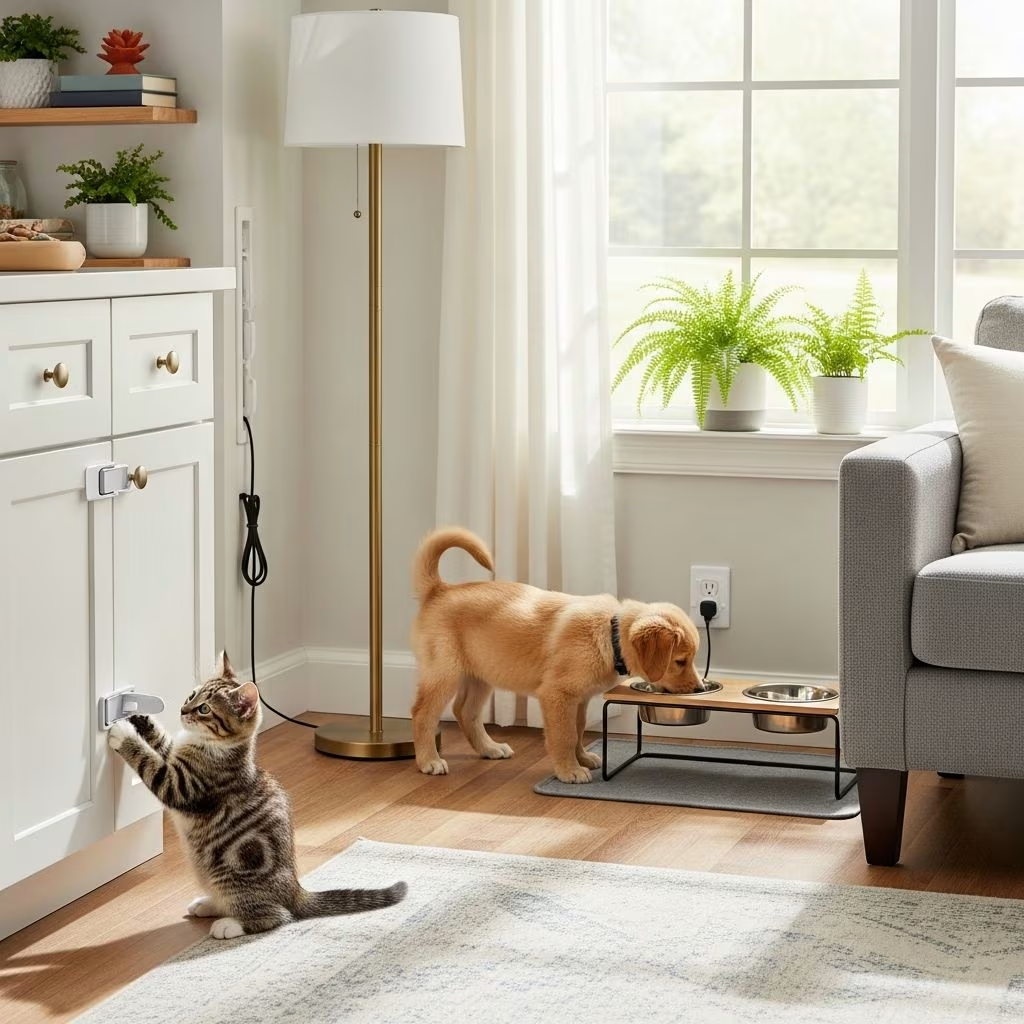
Pet-Proofing Your Home for a New Pet
Bringing a new pet into your home is an exciting milestone, but before your furry companion arrives, it’s crucial to ensure your living space is safe and secure. Pet-proofing your home protects your new dog or cat from potential hazards while also safeguarding your belongings. Whether you’re welcoming a playful puppy, an energetic kitten, or an adult rescue pet, taking time to evaluate your home through your pet’s perspective can prevent injuries, toxic exposures, and destructive behaviors.
The key to successful pet-proofing is getting down on your hands and knees and viewing your home from your pet’s eye level. What seems harmless to you might be an irresistible temptation or hidden danger to your new companion. By systematically addressing potential hazards throughout your home, you’ll create a secure environment where your pet can thrive and you can have peace of mind.
Understanding the Importance of Pet-Proofing
Many pet owners underestimate the curiosity and determination of their new pets. Puppies and kittens are particularly prone to exploring their environment by chewing, licking, and pawing at everything they encounter. Adult pets may also engage in destructive behaviors if their environment isn’t properly managed. Pet-proofing serves multiple purposes: it prevents accidental poisonings, reduces the risk of choking hazards, protects your furniture and belongings, and establishes boundaries that will help with training and behavior management long-term.
Securing Hazardous Substances and Chemicals
One of the most critical aspects of pet-proofing is securing all potentially toxic substances in your home. Household chemicals, medications, and other hazardous materials can cause serious illness or even death if ingested by pets.
Household Cleaners and Chemicals
Store all household cleaners, including floor waxes, furniture polish, and disinfectants, on high shelves or in locked cabinets. Volatile organic compounds (VOCs) found in paints, pesticides, gasoline, and solvents are particularly dangerous. Use childproof latches on cabinets that don’t have locks to prevent determined pets from accessing these items. This is especially important in kitchens and bathrooms where cleaning supplies are commonly stored.
Medications and Personal Care Items
Keep all prescription and over-the-counter medications out of reach, stored in original labeled containers on high shelves or in locked medicine cabinets. Similarly, secure bathroom items such as shampoo, conditioner, makeup, and cosmetics. Many personal care products contain ingredients that can be toxic to pets. Dental products containing xylitol, a sugar substitute, are particularly hazardous and can cause severe hypoglycemia in dogs.
Garage and Outdoor Hazards
Garages and outdoor spaces present unique challenges for pet safety. Antifreeze, motor oil, pesticides, and fertilizers must all be stored securely. A single taste of antifreeze can be lethal to pets, so clean up any spills immediately and store containers tightly sealed on high shelves or in locked cabinets. If you use a garage, bang on your car hood before starting the engine to ensure a cat hasn’t sought warmth in the engine compartment.
Managing Food and Nutrition Safely
While pet nutrition is important, certain human foods are toxic to dogs and cats. Creating a pet-safe kitchen requires vigilance and communication with all household members.
Toxic Foods to Avoid
Chocolate, grapes, raisins, onions, garlic, avocado, and xylitol-containing products are toxic to dogs and can cause serious health issues. Keep these items securely stored where your pet cannot access them. Grapes and raisins can cause kidney failure, while chocolate and onions can cause gastrointestinal upset and hemolytic anemia. Even small quantities can be dangerous, so vigilance is essential.
Alcohol and Other Beverages
Never leave alcoholic beverages unattended on tables, counters, or surfaces where pets can access them. Alcohol can poison pets just as it does humans, and pets’ smaller body sizes mean they’re affected by smaller quantities. Additionally, be cautious with other beverages; some artificial sweeteners and caffeine-containing drinks can be harmful.
Trash Management
Invest in trash cans with secure, locking lids or place trash cans inside locked cabinets. Pets are naturally drawn to food scraps and waste, and rummaging through trash can expose them to moldy foods, sharp objects, or toxic substances. Keep toilet seat lids closed to prevent pets from drinking stagnant water or falling into the toilet bowl, which is particularly concerning for small pets.
Eliminating Chemical and Smoke Hazards
Tobacco and Cannabis Products
Don’t smoke indoors, and keep cigarettes, cigars, pipes, and vaping devices out of your pet’s reach. Tobacco smoke can harm pets’ respiratory systems. If you use cannabis, store all products—whether plant material or edibles—in secure, elevated locations. Cannabis can cause serious adverse effects in pets, including lethargy, loss of coordination, and in severe cases, seizures or comas.
Air Quality and Environmental Factors
Maintain good air quality in your home by ensuring proper ventilation and checking that all heating and air vents have secure covers. Poor air quality and unprotected vents can pose hazards to your pet. Additionally, avoid using strong air fresheners or diffusers that might irritate your pet’s respiratory system.
Protecting Your Pet from Physical Hazards
Electrical Safety
Hide electrical cords or secure them with cord protectors to prevent pets from chewing on them. Chewing through electrical cords can cause electric shock or result in the ingestion of toxic materials. Install plastic protective boxes that snap over electrical outlets. If cords must run along walls or behind furniture, place rolled-up drop cloths or old pillows in front of outlets as a barrier.
Electronics and Technology
Cover computer components and printers when not in use to prevent small pets from jumping on them or causing damage. Hide computer mice and other small tech accessories where dogs can’t chew them and cats can’t bat them around. Electronics can be both a choking hazard and a source of injury.
Furniture Stability
Secure large furniture pieces such as bookcases, televisions on stands, or tall lamps to walls using appropriate anchors and brackets. Climbing cats or jumping dogs can easily topple unstable furniture, resulting in serious injury. This is particularly important for older pets or those with mobility issues who may not react quickly if furniture begins to fall.
Choking Hazards
Secure or store away any small items that your pet could swallow. This includes small tools, coins, jewelry, rubber bands, buttons, thread, string, and small toys. Keep these items in inaccessible drawers or locked containers. String and thread are particularly dangerous because they can cause intestinal obstruction if swallowed. Similarly, small toys, beads, and craft supplies should be kept out of reach.
Plant Safety and Toxicity
Many common household plants are toxic to dogs and cats. Before bringing your pet home, evaluate all your houseplants and either remove toxic ones or place them in areas your pet cannot access. Common toxic plants include lilies (especially dangerous for cats), dieffenbachia, philodendron, poinsettia, and sago palm. Consult the American Society for the Prevention of Cruelty to Animals (ASPCA) Toxic and Non-toxic Plants List to identify which plants in your home pose a risk. If you’re unsure about a plant’s safety, it’s best to err on the side of caution and relocate it or give it away before your pet arrives.
Managing Clutter and Personal Items
Pets are attracted to items on the floor and low shelves, so declutter your home before your new pet arrives. Shoes, socks, underwear, and other clothing items make tempting chew toys for dogs. If your dog swallows clothing items, they could develop intestinal obstruction, which is a serious surgical emergency. Store shoes and socks behind closed closet doors. Remove children’s toys and games, and put away knick-knacks until your kitten develops the coordination not to knock them over. Small decorative items are easy for pets to swallow and can cause choking or intestinal blockage.
Creating Safe Spaces and Establishing Boundaries
Designated Pet Areas
Establish specific areas where your pet is allowed and use baby gates or pet barriers to create boundaries. Off-limits areas might include rooms with valuable rugs, new carpets, expensive furniture, or items you’d rather your pet not damage. This containment strategy helps with house training, reduces anxiety through providing a safe retreat, and minimizes destructive behavior. As your pet learns house rules and becomes more trustworthy, you can gradually open access to these areas.
Crate Training and Safe Spaces
Establish a designated safe space where your pet can sleep and retreat. For dogs, crate training provides security and aids in house training. Make the crate appealing by gradually increasing the time your dog spends inside and rewarding them with treats and praise when they voluntarily enter. A secure crate keeps your pet out of trouble during nighttime and when you’re away. For cats, provide multiple safe hiding spots and vertical spaces.
Flooring Considerations
If you’re welcoming an older or large-breed pet, consider the safety of your flooring. Slippery surfaces such as tile or hardwood can cause falls and joint strain. Add rugs and runners to increase traction and prevent injuries. This is especially important for senior pets or breeds prone to hip dysplasia.
Bedroom and Bathroom Safety
Bedrooms and bathrooms require special attention when pet-proofing. Keep laundry behind closed doors, as drawstrings and buttons can cause serious problems if swallowed. Remove medications, lotions, and cosmetics from accessible surfaces like bedside tables. Move electrical and phone wires out of reach of chewing pets. Close closet and dresser drawers to prevent your kitten from getting trapped inside. In bathrooms, keep all potentially toxic items secured, ensure trash cans have locking lids, and maintain closed toilet lids.
Yard and Outdoor Space Preparation
If you have a fenced yard, inspect it carefully before allowing your new pet to play outside. Check for gaps in the fence, holes that could trap a paw, or areas where your pet could escape. Remove any toxic plants from your yard, including plants from fertilizers or pesticides. Ensure that outdoor furniture, grills, and other items are secure. Keep pool gates locked and cover any water features to prevent accidental drowning. Store garden tools and equipment safely, and remove any antifreeze or other hazardous materials from the driveway.
Enrichment and Appropriate Outlets for Natural Behaviors
Cat Scratching Posts
Place several scratching posts and cat trees around your home to provide appropriate outlets for your cat’s natural scratching behavior. This invites your cat to stretch and sharpen claws without destroying upholstery or shredding carpet and wallpaper. Position scratching posts near areas where your cat likes to rest and near windows for optimal appeal.
Dog Chew Toys
Provide safe, durable chew toys that satisfy your dog’s natural urge to chew. Offering appropriate chew toys keeps your dog entertained, supports dental health, and helps prevent destructive chewing of furniture, shoes, and other household items. Rotate toys regularly to maintain interest. Avoid toys with removable parts that could become choking hazards.
Family Communication and House Rules
Before your new pet arrives, meet with all family members or roommates to establish clear house rules. Discuss whether your pet will be allowed on furniture, whether they’ll sleep in a crate, bed, or on the floor, and which rooms will be off-limits. Consistency among household members is crucial for successful pet training and a safe environment. Everyone should understand the importance of securing doors, not leaving food unattended, and following established protocols for pet safety.
Safety Checklist Before Bringing Your Pet Home
Before your new pet arrives, complete this comprehensive checklist:
- Secure all hazardous chemicals, medications, and cleaners in locked cabinets or high shelves
- Remove or secure all toxic plants
- Invest in locking trash cans and secure toilet lids
- Hide or protect all electrical cords and outlets
- Anchor large furniture to walls
- Remove small items and choking hazards from floors and low shelves
- Establish designated pet areas and install pet gates as needed
- Set up a safe crate or sleeping area
- Provide scratching posts for cats and chew toys for dogs
- Declutter your home and secure personal items
- Check outdoor spaces and fence for safety issues
- Establish family house rules and communicate with all household members
Frequently Asked Questions
Q: How thorough should pet-proofing be for an adult rescue pet versus a puppy or kitten?
A: While adult pets are generally less destructive than puppies and kittens, they still require comprehensive pet-proofing. Adult pets may have unknown backgrounds or behavioral issues, making it important to secure hazardous items, remove choking hazards, and establish boundaries. However, you can potentially have fewer restrictions on access as you observe your adult pet’s behavior and trustworthiness.
Q: What should I do if my pet ingests something toxic?
A: If your pet ingests something potentially toxic, contact your veterinarian or animal poison control immediately. Keep the container or packaging of the toxic substance so you can provide information about ingredients. Do not induce vomiting unless specifically instructed by a veterinarian, as some substances cause additional damage if vomited.
Q: Are there pet-proofing products I should purchase before my pet arrives?
A: Yes, consider purchasing baby gates for establishing boundaries, childproof latches for cabinets, cord protectors, a locking trash can, furniture anchors, scratching posts for cats, and durable chew toys for dogs. These items help create a safer environment for your new pet.
Q: How long does it typically take to pet-proof a home?
A: Pet-proofing typically takes a few hours to a full day depending on your home’s size and current organization. A systematic room-by-room approach ensures you don’t miss any hazards. It’s better to invest time upfront than to deal with emergencies or behavioral problems later.
Q: Should I pet-proof my entire home or just certain areas?
A: While it’s ideal to pet-proof your entire home, at minimum, fully secure areas where hazardous items are stored (kitchen, bathroom, garage) and high-traffic areas where your pet spends time. As your pet learns house rules and proves trustworthy, you can gradually expand their access to other areas.
References
- Essential Tips for Pet-Proofing Your Home — American Animal Hospital Association (AAHA). 2024. https://www.aaha.org/resources/essential-tips-for-pet-proofing-your-home/
- Pet-Proofing Your Home — American Humane Society. 2024. https://www.americanhumane.org/public-education/pet-proofing-your-home/
- 13 Tips for Pet-Proofing Your Home — Skyway Animal Hospital. 2024. https://skywayah.com/13-tips-for-pet-proofing-your-home/
- New Dog Checklist: Puppy Proofing Your Home — Preventive Vet. 2024. https://www.preventivevet.com/dogs/checklist-for-puppy-proofing-your-home
- Welcoming a New Puppy: Tips for Puppy Proofing Your Home — The Seeing Eye. 2024. https://seeingeye.org/welcoming-a-new-puppy-tips-for-puppy-proofing-your-home/
- How to Pet-Proof Your Home — ASPCA Pet Insurance. 2024. https://www.aspcapetinsurance.com/resources/how-to-pet-proof-your-home/



