

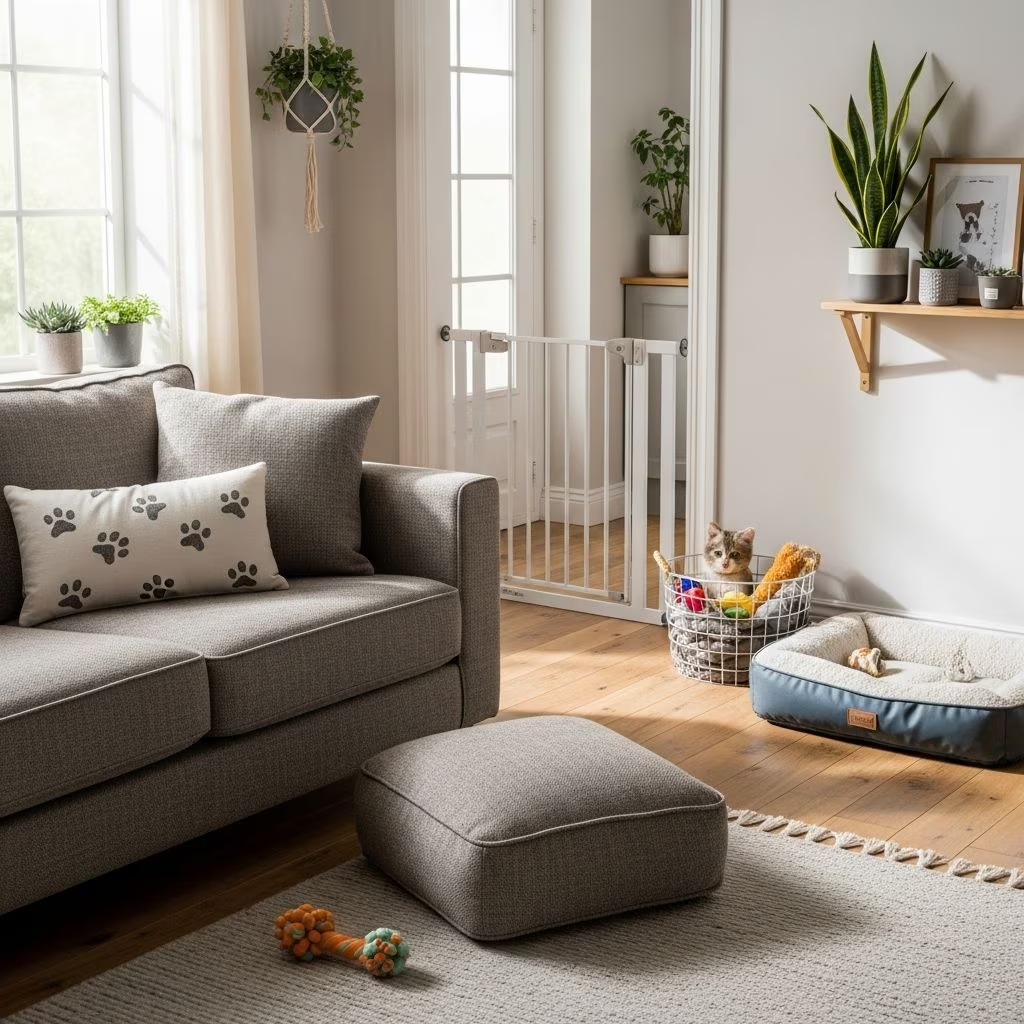
Bringing a pet into your home brings joy but also responsibility. Pets explore with curiosity, often leading to risks from everyday items. This guide offers actionable steps to eliminate dangers, tailored by room and pet type, drawing from veterinary and safety experts.
Why Pet-Proofing Matters for Your Family
Household accidents cause thousands of pet injuries yearly. Common threats include toxic substances, electrical hazards, and falls. Proactive measures reduce veterinary visits by securing environments. Start by viewing spaces from your pet’s perspective—get on the floor to spot temptations like cords or small objects.
For puppies and kittens, focus on chewing and climbing risks. Adult dogs may counter-surf, while senior pets need slip-proof floors. Customize based on breed: energetic dogs require more barriers, agile cats need high-shelf security.
Mastering the Basics: Universal Safety Rules
Before room-specific tweaks, implement these foundational habits:
- Secure cords and wires: Pets chew them, risking shocks. Use cord covers or tape them to baseboards.
- Anchor furniture: Tip-over incidents injure pets; wall-mount TVs, bookshelves, and dressers.
- Store toxins high: Cleaners, medications, and human foods like chocolate, grapes, onions stay in locked cabinets.
- Eliminate clutter: Socks, hair ties, and toys on floors invite swallowing or choking.
- Train boundaries: Teach ‘leave it’ and use gates for off-limits zones during training.
Invest in pet gates for flexibility—walk-through models allow adult access while blocking pets.
Bedroom Safeguards: A Peaceful Retreat
Bedrooms seem safe but hide temptations like loose clothing and jewelry. Pets dig beds or raid drawers, leading to ingestion issues.
- Make beds daily to deter digging; use fitted sheets.
- Close all drawers, nightstands, and closets with childproof latches.
- Store socks, belts, and accessories in sealed bins.
- Keep lotions, essential oils, and meds out of reach—vapors alone can harm.
- Protect chargers and lamp cords with chew guards.
Create a dedicated pet bed in a corner to discourage jumping on yours, maintaining hygiene and reducing allergies.
Living Room Defenses: Family Gathering Hub
High-traffic areas amplify risks from decor and furniture. Pets climb, chew, and knock items.
| Hazard | Solution | Benefit |
|---|---|---|
| Fragile vases, remotes | Relocate to high shelves | Prevents breakage and injury |
| Electrical cords | Cord concealers, covers | Avoids shocks and fires |
| Recliners, fireplaces | Keep closed; install screens | Blocks pinching, burns |
| Houseplants | Choose non-toxic (e.g., spider plants) | Eliminates poisoning |
Use anti-scratch guards on upholstery. Vent covers prevent blocking airflow. Small toys go in lidded bins post-play.
Kitchen Fortress: Battling Food and Chemical Threats
Kitchens pose poisoning and burn dangers from foods, trash, and appliances.
- Install gates during meals or cooking.
- Secure cabinets with latches; store cleaners in locked units.
- Counter-surf proof: No chocolate, xylitol gum, or onions left out.
- Stove guards block hot surfaces; sharp knives in upper drawers.
- Lockable trash cans hide scraps; seal pet food tightly.
Cover appliance gaps where small pets hide. Wipe spills immediately to avoid attracting pests.
Bathroom Barriers: Slippery and Toxic Traps
Medicines, razors, and cleaners make bathrooms hazardous. Slippery floors risk falls.
- Toilet lid locks prevent drinking chemicals; close seats always.
- Store toiletries, meds in high cabinets or locked boxes.
- Secure trash; no sponges or loofahs on floors.
- Apply bitter sprays to cabinets; add rug pads for traction.
- Hide curling irons, hair dryers in drawers.
Pet-safe toilet paper holders deter unrolling fun.
Laundry Room Locks: Hidden Perils
Ventless spaces lure pets with warmth and vibrations.
- Keep washer/dryer doors shut; block gaps.
- Elevate detergents; discard used sheets.
- Baskets off floors; seal bulk items.
Child locks on cabinets; sweep for lint clumps.
Garage and Outdoor Perimeters: Extreme Caution Zones
Chemicals, tools, and weather make these high-risk.
| Area | Key Actions |
|---|---|
| Garage | Lock tools; store antifreeze high; ventilate; sweep debris; pet zone with shade/water. |
| Yard | Secure fences (no gaps); pet-safe plants; cover pools; gate gardens; non-toxic fertilizers. |
No rodenticides or traps; pick up waste daily.
Pet-Specific Adjustments: Tailor to Your Companion
Match protections to needs:
- Puppies/Kittens: Gates, crate training, block tiny spaces.
- Senior Pets: Ramps, orthopedic beds, non-slip mats.
- Large Breeds: Sturdy gates, reinforced furniture anchors.
- Cats: Window screens, high perches away from dangers.
Training complements hardware—reward calm behavior.
FAQs: Quick Answers to Common Concerns
What are the top pet toxins at home?
Xylitol, chocolate, lilies, human meds. Store securely.
Best pet gates for doorways?
Pressure-mounted for renters; freestanding for wide spans.
How to stop chewing furniture?
Bitter sprays, toys, exercise; redirect energy.
Pet-safe houseplants?
Boston fern, areca palm; research ASPCA lists.
Proofing for multiple pets?
Zone areas; individual beds to reduce rivalry.
Maintenance Checklist: Stay Vigilant
Monthly audits keep safety current:
- Inspect cords, anchors.
- Check cabinet latches.
- Update plant/toxin inventories.
- Test gates/screens.
Annual vet checkups catch overlooked issues.
References
- A Room-By-Room Guide to Pet-Proofing Your Home — Extra Space Storage. 2023. https://www.extraspace.com/blog/home-organization/a-room-by-room-guide-to-pet-proofing-your-home/
- Essential Tips for Pet-Proofing Your Home — American Animal Hospital Association (AAHA). 2024. https://www.aaha.org/resources/essential-tips-for-pet-proofing-your-home/
- A Guide to Pet-Proofing Your Home — Humane Loudoun. 2023. https://humaneloudoun.org/a-guide-to-pet-proofing-your-home/
- How to Pet-Proof Your Home — ASPCA Pet Insurance. 2024. https://www.aspcapetinsurance.com/resources/how-to-pet-proof-your-home/



