
Pet Prescriptions at Human Pharmacies: Safety Risks
Understanding critical dangers when filling veterinary medications at retail pharmacies.
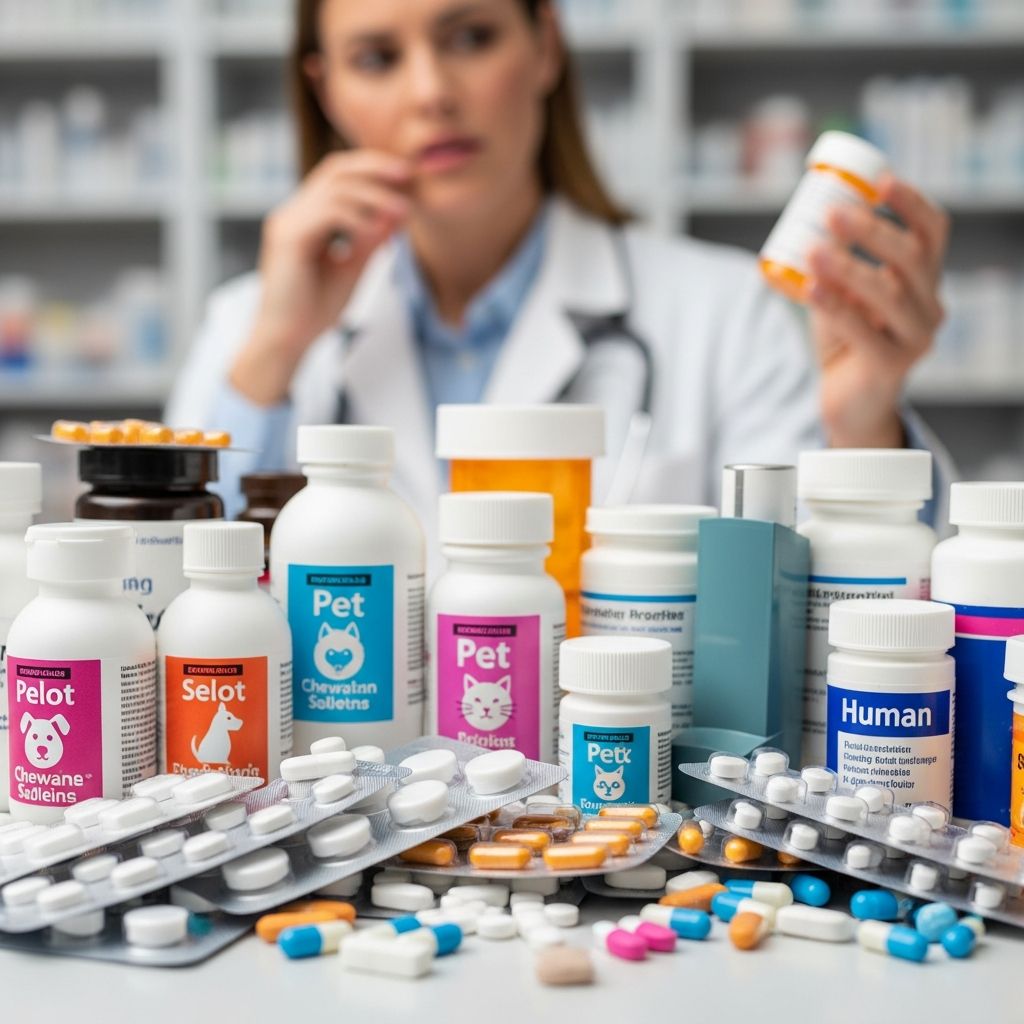
When a veterinarian prescribes medication for a beloved pet, pet owners often face a practical decision: should they fill the prescription at their veterinary clinic or take it to a local human pharmacy? While the convenience and potentially lower cost of retail pharmacies may seem appealing, this choice carries significant health and safety implications that every responsible pet owner should understand. The intersection of veterinary and human pharmacy operations creates opportunities for medication errors, mishandling, and exposure risks that can compromise both animal and human health.
Understanding the Medication Crossover Problem
The modern pharmaceutical landscape includes thousands of medications approved for veterinary use, yet many of these same drugs are also used in human medicine. This overlap creates complexity within pharmacy systems not designed to handle both patient populations simultaneously. There are more than 5,000 approved prescription and over-the-counter medications with labeled indications for veterinary patients, and many of these medications exist in both human and animal formulations with vastly different concentrations and purposes.
When veterinary prescriptions are filled at human retail pharmacies, the dispensing process must account for species-specific dosing, formulation differences, and handling requirements that pharmacy technicians trained primarily for human medication dispensing may not fully understand. This knowledge gap represents a fundamental vulnerability in the medication delivery system for animals.
Critical Safety Hazards of Veterinary Medications
Certain veterinary medications pose serious health hazards not only to animals but also to humans who handle them. These substances can affect humans through accidental exposure, improper handling, or skin and mucous membrane contact. Those hazards range from mild to life-threatening and include bronchospasm, central nervous system stimulation, induction of miscarriage, and sudden death.
One particularly dangerous example involves potent sedatives used in large animal veterinary practice. These medications are formulated at concentrations designed for 1,200-pound horses and cattle, making them extraordinarily dangerous if accidentally exposed to humans. The veterinary formulations are 10 times stronger than the human formulations, creating a dosing disparity that poses severe toxicity risks if a human is accidentally exposed or if medication packaging is compromised.
Misoprostol, another veterinary medication, presents specific reproductive hazards. If you are pregnant, or trying to become pregnant, don’t touch it, don’t dispense it, do not clean up after a dog for whom that has been administered. This medication can induce miscarriage in humans, making it particularly dangerous in pharmacy environments where pregnant staff members may be working without awareness of the reproductive hazards present.
Ketamine and Controlled Substance Concerns
Ketamine illustrates the complex intersection of legitimate veterinary use and abuse potential. While this short-acting anesthetic serves important surgical purposes in both human and veterinary medicine, its street value and recreational abuse profile create additional security and handling concerns. Veterinary formulations of ketamine present different regulatory requirements and security protocols than human hospital-grade versions.
When veterinary prescriptions for controlled substances are filled at human pharmacies, additional complications arise regarding prescription verification, patient identification for animals, and proper documentation. The regulatory framework for veterinary controlled substances differs from human pharmacy requirements, and retail pharmacies may lack the specialized knowledge to properly verify and document these prescriptions.
Drug Name Confusion and Medication Errors
One of the most significant risks when filling pet prescriptions at human pharmacies involves medication errors stemming from identical or similar drug names. While the use of human drugs opens up therapeutic options, it can also increase opportunities for a drug name mix-up to occur. Pharmacy staff accustomed to dispensing human medications may not immediately recognize that a prescription is intended for an animal rather than a person.
Several factors contribute to these dangerous confusion errors:
- Use of error-prone abbreviations or symbols on written prescriptions
- Illegible handwriting on prescription documents
- Miscommunication during verbal prescription transmission
- Similar brand names between human and veterinary formulations
- Lack of species identification on prescription documents
When drug label information is misinterpreted or when one drug is mistaken for another, the treated animal’s health may be harmed. Furthermore, medication errors involving animal drugs can extend beyond the pet to affect human health through residues in food or accidental human exposure.
Storage, Handling, and Disposal Challenges
Human pharmacies operate under protocols designed for human medication storage and handling. Veterinary medications often require different storage conditions, temperature ranges, and security measures than their human counterparts. Improper storage or disposal of drug products could lead to accidental exposures and/or overdoses.
Additionally, many veterinary medications pose environmental or public health risks if disposed of improperly. Retail pharmacy staff may not have training in the specialized disposal requirements for certain animal drugs. This lack of knowledge can result in medications entering water systems or environments where they pose unintended consequences.
The physical handling of veterinary medications also differs from human drug protocols. Certain veterinary compounds require special precautions to prevent inhalation, skin absorption, or accidental contamination of pharmacy surfaces. Staff trained only in human medication dispensing may not implement these protective measures.
Unauthorized Substitutions and Prescription Alterations
A significant concern raised by veterinary professionals involves the practices of some retail pharmacies regarding prescription alterations. AVMA members have reported problems with outside pharmacies, such as inappropriate substitution of medications, unauthorized alteration of prescriptions.
Retail pharmacies may substitute generic versions, change formulations, or alter dosing without explicit veterinary authorization. What constitutes appropriate substitution for human patients may be inappropriate or dangerous for animals. A generic substitution that is therapeutically equivalent in humans may not be appropriate for a specific animal patient due to formulation differences, delivery mechanisms, or species-specific drug metabolism.
Online Pharmacy and Drug Distributor Risks
When pet owners seek convenience through online pharmacies or mail-order prescription services, additional regulatory and safety concerns emerge. The U.S. Food and Drug Administration (FDA) cautions that it has found companies that sell unsafe medications and/or conduct unlawful pharmacy practices (such as dispensing prescription medications without a prescription).
The growth of rogue drug distributors compounds these concerns. Many online pharmacies operate without proper licensing or regulatory oversight, creating risks of:
- Counterfeit or contaminated medications
- Inappropriate dosing information
- Lack of pharmacist consultation
- Dispensing without valid prescriptions
- Unlicensed or unverified distributors
The FDA also indicates there is a growth of rogue drug distributors. Pet owners should verify that any pharmacy or distributor they use maintains proper state licensing and operates under legitimate regulatory frameworks.
Species-Specific Medication Metabolism
A fundamental biological reality complicates using human pharmacies for pet medications: different species metabolize drugs differently. Pets metabolize medications very differently from people. What is safe and effective for humans may be toxic to animals at equivalent doses, and vice versa.
Dogs, cats, and other pets lack certain metabolic pathways that humans possess, or they possess enhanced sensitivity to particular drug classes. Retail pharmacy staff trained in human pharmacology may not understand these species-specific differences, leading to incorrect dosing advice or failure to recognize dangerous drug-disease interactions specific to animals.
Best Practices for Pet Medication Safety
To minimize risks associated with pet prescriptions, veterinary professionals recommend several protective practices:
| Practice | Benefit |
|---|---|
| Fill prescriptions at veterinary clinics whenever possible | Ensures proper dosing, formulation, and species-specific expertise |
| Communicate clearly that prescription is for an animal | Reduces risk of medication confusion or inappropriate substitutions |
| Request pharmacist consultation about handling precautions | Ensures safe exposure prevention for household members |
| Ask about generic substitutions before they occur | Prevents unauthorized changes to prescribed formulation |
| Verify pharmacy licensing and credentials | Confirms legitimate operations and regulatory compliance |
| Report any concerns to veterinarian immediately | Enables quick correction of medication issues |
Protecting Household Members from Exposure Hazards
Pet owners must recognize that veterinary medications in the home create potential hazards for family members, particularly children and pregnant individuals. Certain medications used in veterinary practice can cause serious harm through accidental ingestion or skin contact.
Households should implement storage protocols that prevent access to pet medications by unauthorized individuals. Medications should be kept in their original labeled containers with clear identification that the substance is for animal use only. These products can be harmful to children and adults, including if they are swallowed or come into direct contact with your skin or eyes.
When handling certain veterinary medications, household members should wear appropriate protective equipment and avoid inhalation or direct skin contact. If medication must be administered by hand, washing thoroughly afterward is essential. Never work alone with these drugs and always have the antidote to hand. Pet owners should request information about handling precautions and emergency protocols from their veterinarian.
The Pharmacist’s Role and Training Considerations
While human pharmacists possess extensive training in pharmaceutical science, their education typically emphasizes human patient care and human drug interactions. Veterinary pharmacology represents a specialized field requiring additional knowledge about species differences, formulation considerations, and regulatory requirements specific to animal medications.
When veterinary prescriptions are filled at human pharmacies, the pharmacist may lack specialized training in veterinary medication use. This knowledge gap can result in:
- Failure to recognize dangerous drug interactions in animals
- Inappropriate counseling about administration methods
- Inability to assess proper dosing for a specific animal patient
- Lack of awareness about species-specific contraindications
Some human pharmacies have pharmacists with veterinary pharmacy specialization, which significantly reduces risks. Pet owners can inquire whether their pharmacy employs such specialists before filling prescriptions there.
Regulatory Framework and Professional Accountability
The FDA is responsible for monitoring and addressing issues that affect both animal and human health, including veterinary medication errors. However, regulatory oversight of human pharmacies filling veterinary prescriptions remains complex, with varying state requirements and limited coordination between veterinary and human pharmacy regulators.
Professional veterinary organizations like the American Veterinary Medical Association emphasize that veterinarians maintain responsibility for ensuring medications are dispensed safely and appropriately for their animal patients. This responsibility extends to monitoring where and how prescriptions are filled and addressing any problems that arise from pharmacy errors or inappropriate handling.
Frequently Asked Questions
- Can my veterinarian write prescriptions that I fill at a human pharmacy?
- Yes, veterinarians can write prescriptions for human-formulated medications that are legal to dispense at human pharmacies. However, this option carries additional risks compared to filling prescriptions at veterinary clinics.
- Are medications cheaper at human pharmacies than veterinary clinics?
- Sometimes, but the cost savings may not justify the safety risks. Veterinary clinics often provide medications at competitive prices, and the expertise provided justifies the cost.
- How do I know if my pet’s medication is safe to get from a human pharmacy?
- Ask your veterinarian specifically about which medications can safely be filled at retail pharmacies and which should be dispensed only through veterinary channels. Your veterinarian can identify species-specific concerns.
- What should I do if I notice a problem with my pet’s medication from a human pharmacy?
- Contact your veterinarian immediately and inform the pharmacy of the problem. Report serious issues to regulatory authorities and to your veterinarian’s professional board.
- Are online pet pharmacies safe?
- Only use online pharmacies that are licensed, verified, and require valid veterinary prescriptions. Verify any pharmacy’s credentials before purchasing medications.
Moving Forward: Prioritizing Pet Medication Safety
The convenience of filling pet prescriptions at human pharmacies must be weighed against legitimate safety concerns that can affect both animal and human health. While some human medications can be safely dispensed through retail pharmacies, the expertise, protocols, and handling procedures at veterinary clinics provide important protections that retail environments may not offer.
Pet owners committed to their animals’ wellbeing should default to veterinary clinic pharmacies whenever possible. When circumstances require using a human pharmacy, careful communication with both the veterinarian and pharmacist, clear identification of the prescription as veterinary in nature, and awareness of proper handling and storage requirements become essential. By understanding the risks and implementing protective practices, pet owners can help ensure that their pets receive medications safely and effectively.
References
- 8 Veterinary drugs with human health hazards — American Animal Hospital Association (AAHA). https://www.aaha.org/newstat/publications/8-veterinary-drugs-with-human-health-hazards/
- Veterinary Medication Errors — U.S. Food and Drug Administration (FDA), Center for Veterinary Medicine. https://www.fda.gov/animal-veterinary/product-safety-information/veterinary-medication-errors
- Pharmacy and prescription issues — American Veterinary Medical Association (AVMA). https://www.avma.org/resources-tools/animal-health-and-welfare/animal-health/pharmacy
- The dangers of taking your pets’ medication — Therapeutic Goods Administration (TGA), Australian Department of Health. https://www.tga.gov.au/news/blog/dangers-taking-your-pets-medication
- Human Medication Hazards for Pets — Oregon Veterinary Medical Association (OVMA). https://www.oregonvma.org/care-health/companion-animals/health-safety/human-medication-hazards-for-pets
Similar Articles








Read full bio of medha deb


