

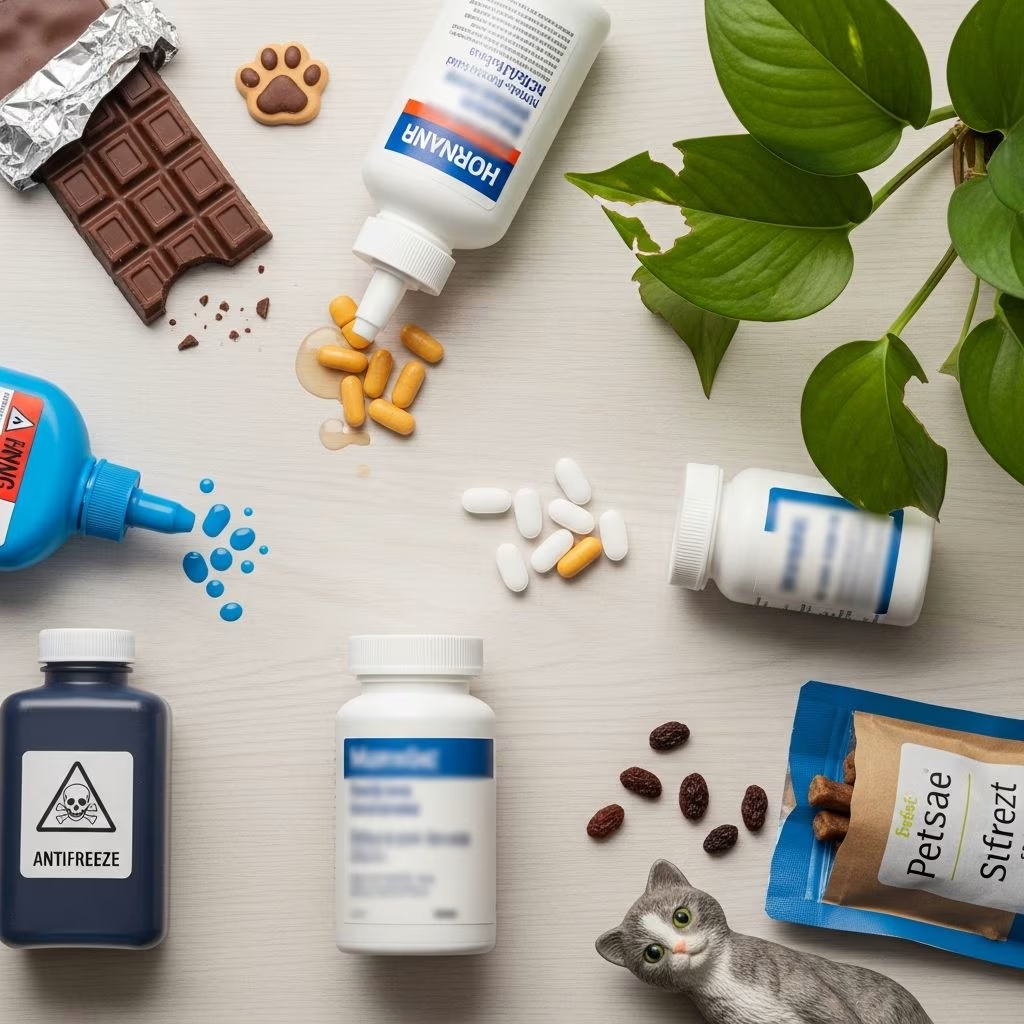
Every year, countless pets face life-threatening situations from ingesting common household items. Proactive measures can drastically reduce these risks, ensuring your furry companions thrive in a secure environment. This guide outlines key threats and actionable safeguards.
Understanding Common Household Toxins
Many everyday substances pose severe dangers to dogs and cats. Recognition of these hazards forms the foundation of effective prevention. Pets’ curiosity often leads them to explore countertops, trash bins, and low shelves where toxins lurk.
- Toxic Foods: Items like chocolate, grapes, onions, and xylitol-sweetened products trigger vomiting, seizures, or organ failure.
- Cleaning Agents: Bleaches, detergents, and disinfectants irritate the gastrointestinal tract or cause burns upon contact.
- Medications: Human pain relievers such as ibuprofen and acetaminophen damage kidneys and livers in pets.
Statistics from veterinary sources highlight the prevalence: food-related incidents account for a significant portion of calls to poison hotlines annually.
Securing the Kitchen: Food Safety Essentials
The kitchen serves as a hotspot for accidental ingestions due to tempting aromas and accessible scraps. Implementing strict protocols here prevents most food poisoning cases.
| Toxic Food | Effects on Pets | Prevention Tip |
|---|---|---|
| Chocolate | Heart arrhythmias, tremors | Store in high cabinets |
| Grapes/Raisins | Kidney failure | Avoid sharing; use pet bins |
| Xylitol (gum, candy) | Hypoglycemia, liver damage | Check labels; elevate purses |
| Onions/Garlic | Anemia | Cook scraps securely |
Never leave meals unattended. Promptly clean spills and secure trash with latching lids. Train pets to avoid kitchen zones during meal times using positive reinforcement.
Eliminating Chemical Risks in Living Spaces
Cleaning routines introduce volatile compounds harmful via inhalation, ingestion, or skin absorption. Proper storage and usage habits mitigate these threats effectively.
- Elevate all cleaners to upper cabinets or use locking mechanisms designed for pets.
- Ventilate rooms during application and relocate pets until surfaces dry fully.
- Opt for natural alternatives like vinegar solutions where possible, verifying pet safety first.
Monitor inventory to detect unauthorized access. Return items to storage immediately post-use to minimize exposure windows.
Creating a Pet-Friendly Garden and Indoor Greenery
Landscaping enhances homes but introduces plant-based toxins. Selective choices and barriers safeguard outdoor adventures.
Indoor Precautions: Replace hazardous varieties such as lilies, philodendrons, and pothos with safe options like spider plants or ferns. Hang pots high or confine to pet-free rooms.
Outdoor Measures:
- Fence off treated lawns post-fertilizer or pesticide application.
- Avoid cocoa mulch, which mimics chocolate toxicity.
- Supervise yard time, especially near bulbs like tulips or daffodils.
Research via reliable databases before planting. Thorough watering dilutes residues from treatments.
Medication Management for Pet Protection
Human pharmaceuticals tempt pets with appealing flavors. Never administer without veterinary guidance, as dosages differ vastly between species.
| Medication Type | Pet Risk | Safe Storage |
|---|---|---|
| NSAIDs (Ibuprofen) | Ulcers, kidney failure | Locked box |
| Acetaminophen | Methemoglobinemia | High shelf |
| Antidepressants | Seizures, serotonin syndrome | Childproof container |
Store even pet prescriptions securely, as overdoses occur from entire packets being consumed. Dispose of expired drugs properly through veterinary take-back programs.
Garage and Yard Hazard Control
These areas harbor rodenticides, antifreeze, and automotive fluids. Antifreeze’s sweet taste proves fatally attractive.
- Place poisons in tamper-resistant bait stations far from pet paths.
- Wipe spills instantly and store containers sealed on elevated racks.
- Use pet-safe de-icers; prompt snow melt removal reduces exposure.
Annual audits identify overlooked dangers, particularly during seasonal shifts.
Recognizing Poisoning Symptoms Promptly
Early detection hinges on behavioral awareness. Symptoms vary by toxin but often include:
- Drooling, vomiting, or diarrhea
- Lethargy, tremors, or seizures
- Difficulty breathing or pale gums
- Loss of appetite or abdominal pain
Document your pet’s baseline behaviors for quick anomaly spotting. Even mild signs warrant professional evaluation.
Emergency Response Protocols
Time-critical action follows a structured approach:
- Prevent further exposure by isolating the pet.
- Collect substance details: type, amount, time ingested.
- Contact professionals: veterinarian, emergency clinic, or hotline (e.g., ASPCA Poison Control).
- Avoid home remedies like inducing vomiting unless instructed.
Prepare kits with your vet’s number, pet weight, and toxicology contacts posted visibly. Practice scenarios to build confidence.
Building Long-Term Prevention Habits
Incorporate safety into routines: monthly home sweeps, education for family members, and tech like cabinet alarms. Pet insurance covering accidents provides financial peace during crises.
Community events during Poison Prevention Month amplify awareness, fostering vigilant ownership.
Frequently Asked Questions
What should I do if my pet eats something toxic?
Remove access, note details, and call a vet or poison hotline immediately. Do not wait for symptoms.
Are essential oils safe around pets?
Many, like tea tree or eucalyptus, cause respiratory distress; diffuse sparingly or avoid.
Can small amounts of toxic food harm pets?
Yes, even traces of xylitol or grapes pose risks, especially to smaller animals.
How do I dispose of old medications safely?
Mix with unpalatable substances like cat litter, seal in bags, and trash; use drug take-back sites when available.
Is chocolate safe in small quantities?
No; toxicity depends on pet size and chocolate type—dark varieties prove most dangerous.
References
- Poison Prevention for Pets — AKC Canine Health Foundation. 2023. https://www.akcchf.org/educational-resources/library/articles/poison-prevention-for-pets/
- Poisonous Household Products — ASPCA. 2024. https://www.aspca.org/pet-care/aspca-poison-control/poisonous-household-products
- Guide to Poison Prevention in Pets — Zoetis. 2022. https://www.zoetisus.com/content/_assets/docs/PDFs/ZPN/Guide-to-Poison-Prevention-in-Pets.pdf
- 24/7 Animal Poison Control Center — Pet Poison Helpline. 2025. https://www.petpoisonhelpline.com
- Pet Poison Prevention Infographics and Resources — ASPCApro. 2024. https://www.aspcapro.org/apccgraphics



