

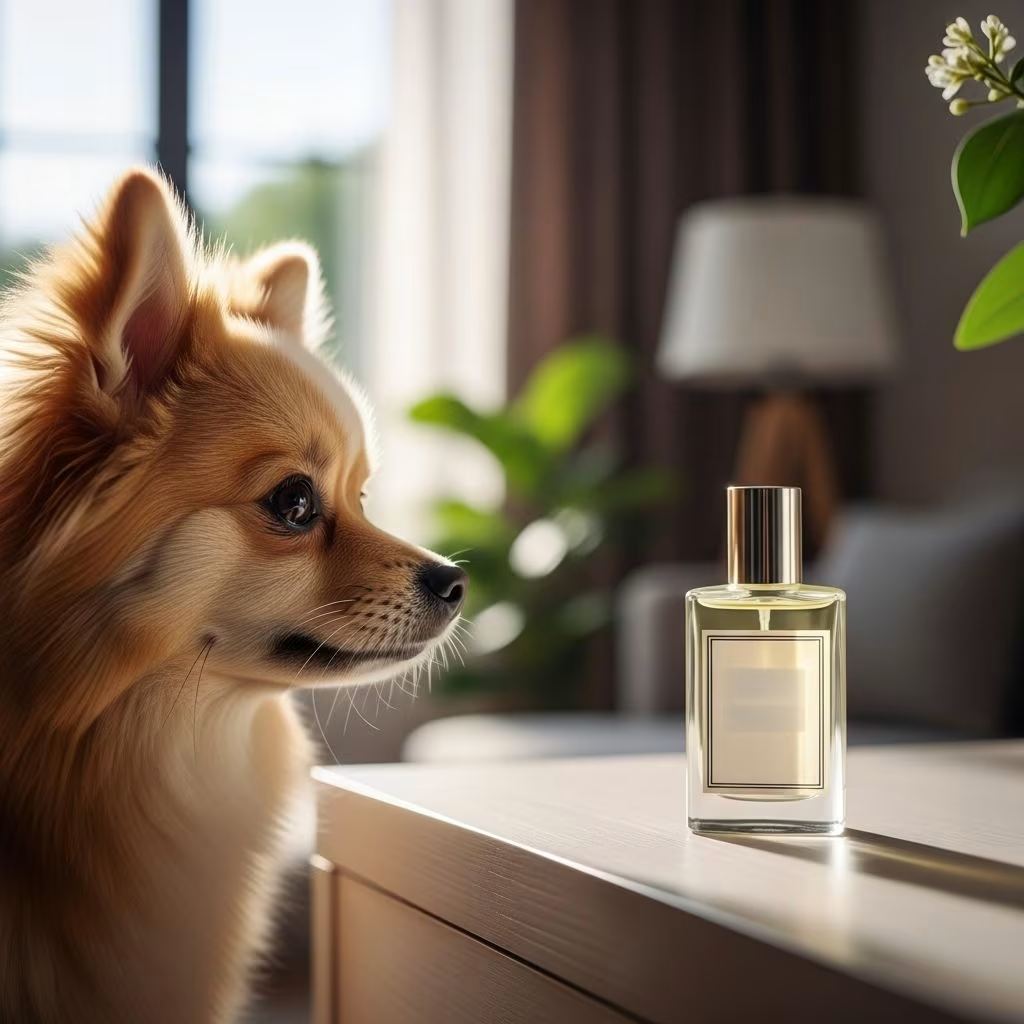
Dogs naturally carry unique odors from their skin oils, diet, and environment, prompting many owners to seek pet perfumes for a fresher smell. These products promise pleasant fragrances while claiming pet safety, but their use requires caution due to dogs’ heightened sense of smell and skin sensitivity.
Why Dogs Develop Odors and When Perfumes Help
Dogs produce odors through apocrine sweat glands, ear wax buildup, dental plaque, and anal sacs. Wet fur after baths or swims can trap bacteria, worsening smells. Pet perfumes offer temporary masking, ideal for quick freshening between baths, social outings, or travel.
- Bathing frequency: Most dogs need baths every 4-6 weeks; perfumes bridge gaps without over-washing skin.
- Post-grooming: Sprays enhance cleanliness after professional grooming.
- Calming effects: Certain scents like lavender may soothe anxiety in stressful situations.
Potential Health Risks of Pet Fragrances
While formulated for pets, not all perfumes are risk-free. Dogs’ noses are 10,000-100,000 times more sensitive than humans’, making strong scents overwhelming and disruptive to scent detection essential for navigation and communication.
| Risk Type | Description | Affected Dogs |
|---|---|---|
| Skin Irritation | Harsh chemicals cause redness, itching, or rashes. | Those with allergies or dermatitis. |
| Respiratory Issues | Inhalation leads to sneezing, coughing, or worsened asthma. | Pets with bronchitis or sensitivities. |
| Ingestion Toxicity | Licking causes vomiting, diarrhea, or drooling. | All dogs, especially groomers. |
| Scent Masking | Hides disease odors, delaying vet diagnosis. | Dogs with infections. |
Veterinarians note that frequent use exacerbates issues, particularly for brachycephalic breeds with shorter airways.
Safe Ingredients in Pet Perfumes
Opt for products with natural, vet-approved components over synthetic ones. High-quality formulas prioritize low concentrations to minimize irritation.
- Aloe vera: Soothes skin and hydrates without toxicity.
- Coconut oil: Moisturizes and provides mild antibacterial benefits.
- Oatmeal extracts: Calms itchy skin, ideal for sensitive pups.
- IFRA-certified fragrances: Allergen-free at <0.3% concentration for safety.
Avoid human perfumes containing alcohol, which dries skin and causes poisoning if ingested.
Dangerous Ingredients to Steer Clear Of
Many pet products mimic human fragrances, incorporating risky elements. Always scrutinize labels.
- Essential oils like tea tree, eucalyptus, citrus: Toxic even diluted; cause tremors or liver damage.
- Ylang-ylang: Overpowers nose and gastrointestinal upset if licked.
- Parabens and phthalates: Endocrine disruptors linked to allergies and toxicity.
- Artificial fragrances: High hazard for immunotoxicity per safety ratings.
- Alcohol: Irritates skin and respiratory tract.
Pet-safe labels should confirm non-toxic, low-scent formulas tested for animal use.
Step-by-Step Guide to Applying Pet Perfumes Safely
Proper technique reduces risks significantly. Follow these vet-recommended steps:
- Choose wisely: Select vet-approved, natural-ingredient sprays.
- Test patch: Apply to a small fur area; monitor 24 hours for reactions.
- Spray indirectly: Mist onto hands or brush, then rub into fur on back/sides.
- Avoid face: Never near eyes, nose, mouth, ears, or genitals.
- Use sparingly: Once weekly maximum; less for sensitive dogs.
- Monitor response: Rinse immediately if licking, sneezing, or scratching occurs.
For multi-pet homes, apply in ventilated areas to prevent inhalation by others.
Alternatives to Chemical Pet Perfumes
For odor control without fragrances, prioritize preventive hygiene.
- Regular brushing: Removes dead hair and distributes natural oils.
- Dental chews: Combat mouth odors, a primary smell source.
- Vet-recommended wipes: Unscented, plant-based for spot cleaning.
- Diet adjustments: High-quality food reduces gas and skin odors.
- Probiotic supplements: Balance gut flora for overall freshness.
Waterless shampoos with oatmeal provide gentle deodorizing without rinses.
Understanding ‘Pet-Safe’ Labels and Certifications
Not all ‘pet-safe’ claims are equal. Look for transparency:
- IFRA certification: Ensures safe fragrance levels.
- Vet endorsement: Backed by professionals.
- Non-toxic verified: Free of heavy metals, synthetics.
- Low concentration: Under 0.3% to avoid overload.
Consult vets for breed-specific advice, especially for puppies or seniors.
FAQs on Pet Perfumes and Dog Safety
Can all dogs use pet perfumes?
No; avoid with skin conditions, respiratory issues, or post-surgery. Always vet-check first.
Do pet perfumes prevent vet visits?
They might mask symptoms like infected ears; prioritize checkups for persistent odors.
Are natural scents always safe?
No; many essential oils are toxic. Choose formulated, diluted options.
How often is too often for sprays?
Limit to once weekly; daily risks buildup and irritation.
What if my dog licks the perfume?
Rinse thoroughly; watch for vomiting. Seek vet if symptoms persist.
Long-Term Grooming for Odor-Free Pets
Integrate perfumes into holistic routines: monthly baths with hypoallergenic shampoos, weekly ear cleaning, nail trims. Track changes in odor or behavior to catch health issues early. Informed use enhances bonding without health trade-offs.
By selecting safe products and applying judiciously, pet perfumes can delight without danger, keeping tails wagging happily.
References
- Are Pet Perfumes and Deodorizing Sprays Safe for Dogs? — American Kennel Club (AKC). 2024. https://www.akc.org/expert-advice/health/dog-perfume-safe/
- Understanding Pet-Safe Fragrances: What Does “Pet-Safe” Mean? — EMME NYC. Accessed 2026. https://emmenyc.com/pages/understanding-pet-safe-fragrances-at-emme-nyc-what-does-pet-safe-mean
- Should You Use Dog Perfume? — Under the Weather Pet. Accessed 2026. https://www.undertheweatherpet.com/blogs/under-the-weather/should-you-use-dog-perfume
- The Truth About Dog Deodorizing Sprays and Wipes — Scenthound. Accessed 2026. https://www.scenthound.com/dogblog/the-truth-about-dog-deodorizing-sprays-and-wipes-what-every-dog-parent-should-know
- Can Fragrances Be Harmful to Your Dog? — Doglyness. Accessed 2026. https://www.doglyness.com/blogs/news/can-fragrances-be-harmful-to-your-dog
- Scents and Safety: Understanding Allergies and Fragrances in Pet Grooming — Shniff Pet Care. Accessed 2026. https://www.shniffpetcare.com/blogs/educational/scents-and-safety-understanding-allergies-and-fragrances-in-pet-grooming



