

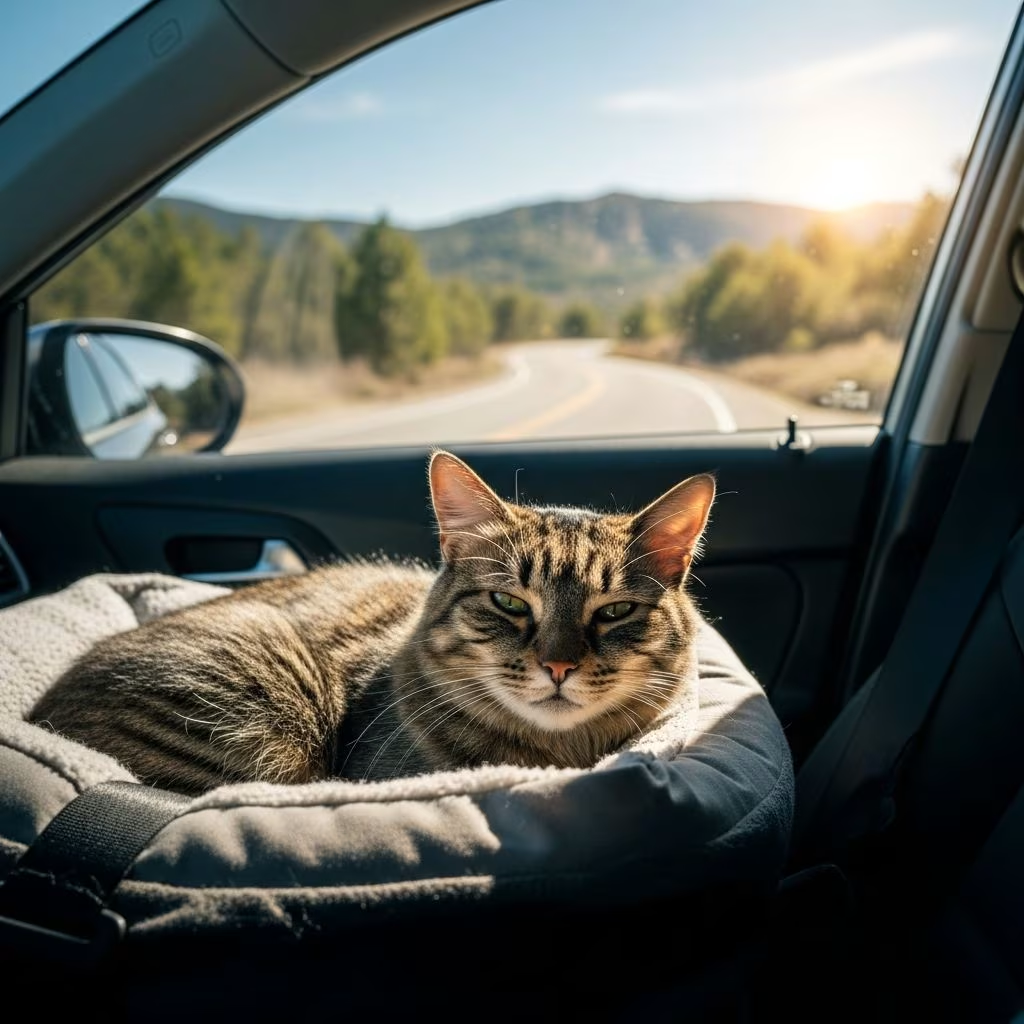
Pet Parenting Travel: How to Take a Road Trip With Your Cat
Planning a road trip can be exciting, but when you have a feline companion, the experience requires careful preparation and consideration. Unlike dogs, cats are often more anxious about travel and may require additional attention to ensure they remain comfortable and safe throughout the journey. Whether you’re embarking on a weekend getaway or a cross-country adventure, understanding how to properly prepare your cat for road travel will make the experience enjoyable for everyone involved.
Preparing Your Cat for Road Travel
Before hitting the road with your cat, it’s essential to acclimate them to the car environment. Cats that have never traveled by vehicle may experience significant stress, so starting the conditioning process weeks in advance can make a substantial difference. Begin by allowing your cat to explore the parked car with the engine off, then gradually progress to short drives around your neighborhood. This gradual exposure helps reduce anxiety and allows your cat to become familiar with the vehicle’s sounds and movements.
Consider using a harness and leash during these practice trips to give your cat a sense of security while preventing them from roaming around the vehicle. Additionally, consult with your veterinarian before your trip to discuss any health concerns and obtain medical records, vaccination certificates, and any necessary medications. A pre-travel checkup ensures your cat is in optimal health for the journey.
Essential Packing List for Cat Road Trips
Successful cat travel requires bringing along the right supplies. Here’s a comprehensive breakdown of what you’ll need:
Transportation and Safety
Travel-Friendly Cat Carrier: A sturdy, well-ventilated carrier is non-negotiable for your cat’s safety. The carrier should be large enough for your cat to sit, stand, and turn around comfortably, but not so spacious that they can be thrown around during sudden stops or accidents. Hard plastic carriers are ideal for road trips, and securing the carrier with a seat belt in the backseat adds an extra layer of protection.
Cat Harness and Leash: During rest stops and at accommodations, a harness and leash provide controlled outdoor access while preventing escape. This is particularly important if you’re stopping at unfamiliar locations.
Feeding and Hydration
Food and Water: Pack your cat’s regular food in individual containers for convenient portion control. Bring water from home as well, since different regional water sources may contain varying mineral content that could upset your cat’s stomach. Never introduce new food brands during travel, as this can cause digestive issues.
Bowls and Feeding Accessories: Include collapsible food and water bowls to save space in your vehicle. Bring plastic utensils for opening canned food, and consider placing a cloth napkin under bowls for easy cleanup. A reusable water bottle specifically for your cat ensures hydration at regular intervals throughout the drive.
Bathroom and Litter Needs
Portable Litter Box: Most cats cannot be trained to use rest stop facilities, so a portable litter box is essential. Many travelers find that placing a smaller portable litter box on the floor behind the second row of seats provides convenient access. Alternatively, you can use a plastic dishpan as a travel litter box.
Litter and Supplies: Bring your cat’s regular litter brand, as switching during travel can cause digestive upset and behavioral issues. Pack litter in a travel-friendly container with an easy-to-pour spout, and bring a scoop, plastic bags, and absorbent pads for cleanup. A handheld broom and dustpan are invaluable for containing scattered litter in vehicles or hotel rooms.
Odor and Stain Remover: Accidents happen during travel, so keep an odor and stain remover on hand for quick cleanup. Additionally, carry extra potty pads and disposable gloves for managing any unexpected messes.
Comfort and Entertainment
Bedding and Carrier Accessories: Line your cat’s carrier with their favorite blanket or pillows to create a comfortable resting space. If possible, remove the carrier’s top to provide additional space when parked at destinations. Familiar bedding that smells like home can significantly reduce anxiety.
Toys and Scratching Post: Bring familiar toys, catnip, and treats to keep your cat entertained during downtime. Include a small portable scratching post to prevent destructive behavior on furniture, curtains, and vehicle seats. These comfort items help your cat adjust to new surroundings and reduce stress-related behaviors.
Health and Safety Documentation
Medical Records: Gather vaccination certificates, recent lab work, rabies tags, and any medications your cat requires. If traveling with companions or staying in pet-friendly accommodations, these documents may be required. Keep medications in their original containers with clear labeling.
ID and Identification: Even if your cat normally doesn’t wear a collar, ensure they wear one with an ID tag featuring your phone number and current address during travel. This provides critical identification if your cat accidentally escapes.
Additional Essentials
Grooming and Hygiene: Pack a brush for regular grooming, which can be calming for anxious cats. Consider bringing cat shampoo for emergency situations, and keep a portable lint roller handy for removing cat hair from clothing and vehicles.
Optional Items: A cat sling can be useful for hands-free carrying at rest stops and hotels, and some travelers find that placing a towel or blanket over a carrier’s gated door helps reduce anxiety by blocking the cat’s view of passing scenery.
Feeding Guidelines During Travel
Proper feeding management during road trips helps prevent motion sickness and digestive upset. Withhold your cat’s breakfast on travel days, as traveling on an empty stomach minimizes nausea and vomiting risk. Instead, offer a small meal when you arrive at your evening destination. Throughout the drive, offer water at rest stops, typically every hour or so, to maintain proper hydration without causing excessive urination.
When feeding your cat at rest areas or hotels, use a cloth napkin under bowls for quick cleanup, and always supervise eating to ensure your cat finishes their meal before continuing the drive. This prevents spilled food and reduces the likelihood of digestive issues related to eating while in motion.
Managing Litter Box Breaks
Most cats will need litter box access every two to three hours during a road trip. Monitor your cat’s behavior for signs they need a bathroom break, and plan stops accordingly. Many cat owners find that offering litter box access during regular fuel and bathroom breaks works well, as your cat becomes accustomed to the schedule.
If your vehicle has enough space, consider installing a larger dog kennel with a small litter pan inside, allowing your cat to access the bathroom while the vehicle is parked without having to be removed from their confined space. Keep the litter box clean and accessible, and always dispose of used litter properly at designated facilities.
Reducing Travel Anxiety
Cat anxiety during travel is common but manageable with proper preparation. Familiar toys, blankets, and comfort items from home can significantly ease stress during the journey. Consider using calming supplements or pheromone products designed specifically for anxious cats, which you can discuss with your veterinarian beforehand.
Maintaining a calm demeanor yourself helps your cat remain relaxed. Speak to your cat in soothing tones, avoid sudden movements, and keep the vehicle environment quiet when possible. Gradual exposure to car travel during the preparation phase is one of the most effective anxiety-reduction strategies available.
Hotel Stays and Accommodations
When staying at pet-friendly hotels, set up your cat’s litter box immediately upon arrival in a designated bathroom area. Place familiar bedding and toys throughout the room to help your cat feel at home. Keep the room curtains closed if your cat shows anxiety from external stimuli, and inform hotel staff that you have a cat traveling with you in case of emergency situations.
During hotel stays, maintain your cat’s regular feeding and litter box schedule as closely as possible. Consistent routines help reduce stress and prevent behavioral issues. Use the handheld broom and dustpan to clean up any scattered litter, and leave the room in excellent condition to maintain positive relationships with pet-friendly accommodations.
Grooming and Hygiene Maintenance
Regular brushing during your road trip helps keep your cat’s coat healthy and provides a calming activity. Cat hair will inevitably accumulate in your vehicle, so plan on vacuuming either during the trip or immediately upon returning home. A portable lint roller is invaluable for removing cat hair from clothing, car seats, and furniture in hotel rooms.
If possible, schedule grooming before your trip to ensure your cat’s nails are trimmed and their coat is in good condition. This can reduce scratching-related damage to vehicle interiors and furniture at accommodations.
Safety Considerations
Never leave your cat unattended in a vehicle, even with windows cracked open. Temperatures in parked cars can become dangerous within minutes. Always confine your cat in a secure carrier during driving to prevent them from becoming tangled in pedals or the steering wheel, which could cause accidents.
Ensure your cat’s carrier is properly secured with a seat belt in the backseat of the vehicle. This prevents the carrier from shifting during sudden stops or accidents. Check regularly that your cat has access to fresh water and that their carrier remains comfortable throughout the journey.
Frequently Asked Questions
Q: How long can a cat safely travel in a car?
A: Most cats can safely travel for extended periods if provided with proper breaks for litter box access, water, and bathroom breaks every two to three hours. Distribute longer trips over multiple days with overnight stays to minimize stress and discomfort.
Q: What should I do if my cat gets car sick?
A: Withhold breakfast on travel days, offer only small amounts of food at meal time, and provide frequent water breaks. If car sickness persists, consult your veterinarian about anti-nausea medications or calming supplements before your trip.
Q: Can I let my cat roam freely in the car while driving?
A: No, for safety reasons your cat should remain confined in a secure carrier while the vehicle is in motion. Allowing your cat to roam freely can result in accidents or injuries. Keep them in the carrier while driving and only allow supervised access to the vehicle’s interior during rest stops.
Q: What type of cat carrier is best for road trips?
A: Hard plastic carriers are ideal for road trips as they provide durability and protection. Ensure the carrier is large enough for your cat to stand, sit, and turn around comfortably, but not so large that they can move excessively during sudden stops or accidents.
Q: How should I introduce my cat to road travel?
A: Begin with short practice trips around your neighborhood with the engine off, then progress to short drives. Gradually increase trip duration over several weeks before embarking on longer road trips to help your cat acclimate to the car environment.
Q: Should my cat wear a harness during rest stops?
A: Yes, wearing a harness and leash during rest stops provides controlled outdoor access while preventing escape at unfamiliar locations. Even indoor cats should wear harnesses during travel to ensure they don’t accidentally escape in strange environments.
Q: What food should I bring for my cat?
A: Always bring your cat’s regular food in individual containers. Never introduce new food brands during travel, as changes in diet can cause digestive upset. Pack enough food for the entire trip plus extra, and include bottled water from home to prevent stomach issues from unfamiliar water sources.
References
- Road Tripping with a Cat: 15 Easy Tips — MPA Project Travels. 2024. https://mpaproject.com/road-tripping-with-a-cat-15-easy-tips/
- Road Trips and Car Travel With Your Cat — VCA Animal Hospitals. 2024. https://vcahospitals.com/know-your-pet/road-trips-and-car-travel-with-your-cat
- Cat Travel Checklist for Vacationing with Your Cat — Hill’s Pet Nutrition. 2024. https://www.hillspet.com/cat-care/routine-care/cat-travel-checklist
- The Ultimate Checklist of What to Pack When Traveling with Your Cat — Your Cat Backpack. 2024. https://yourcatbackpack.com/blogs/cat-backpack-tips-and-advice/the-ultimate-checklist-of-what-to-pack-when-traveling-with-your-cat



