

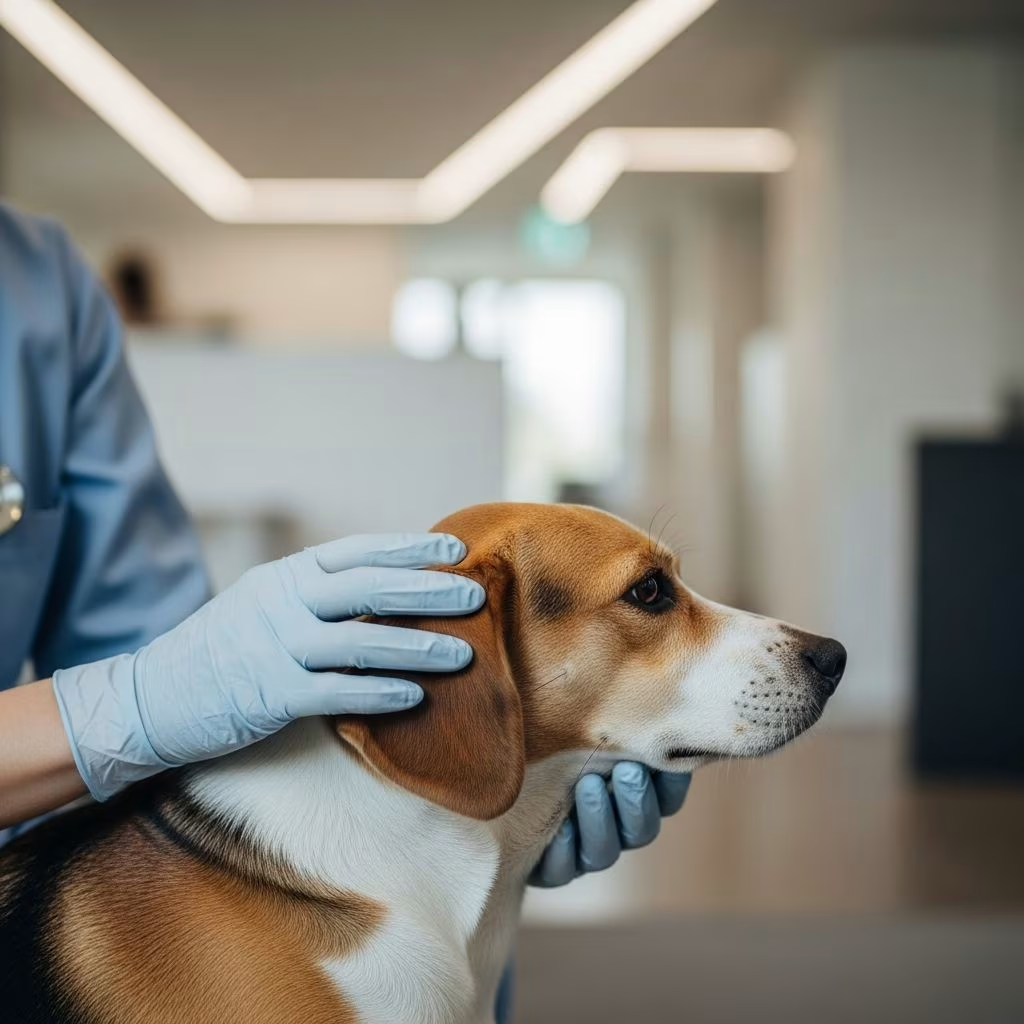
Pet ownership offers profound psychological and emotional benefits, yet individuals with compromised immune systems often face uncertainty about whether sharing their homes with animals is medically advisable. The good news is that pets represent minimal risk to immunocompromised individuals when appropriate preventative measures are implemented. Rather than requiring patients to forgo pet companionship entirely, healthcare providers and veterinarians can work together to establish evidence-based guidelines that allow these individuals to safely enjoy the therapeutic benefits of animal ownership.
Understanding the Immune System and Disease Risk
Immunocompromised individuals include those with cancer undergoing treatment, autoimmune disorders requiring immunosuppressive therapy, HIV/AIDS, organ transplant recipients, and others whose immune systems are weakened by illness or medication. These individuals face increased vulnerability to infections that might cause mild illness in immunocompetent people but can develop into serious, disseminated disease in their bodies.
Animals can transmit between 30 and 40 infectious diseases to humans, making it essential to understand both the genuine risks and the manageable nature of these risks. The key distinction is that disease transmission from pets to immunocompromised owners is not inevitable—it requires specific exposures and conditions that can be controlled through informed decision-making and consistent preventative practices.
Selecting the Right Pet: Species and Individual Characteristics Matter
One of the most important decisions immunocompromised individuals make is choosing which type of pet to bring into their home. Not all animals pose equal risk, and certain species are significantly safer than others.
Recommended Pet Choices
Dogs and cats represent the safest options for immunocompromised households. These domestic animals benefit from extensive vaccine development, well-established testing protocols for infectious agents, and decades of veterinary research documenting disease risks. Because preventative and screening measures are readily available for dogs and cats, healthcare providers can confidently recommend them as appropriate companions.
When selecting a dog or cat, prioritize animals older than one year of age. Puppies and kittens are substantially more likely to carry infectious diseases and shed pathogens at higher rates. They are also more prone to biting and scratching, which can introduce bacteria into the immunocompromised person’s bloodstream. Adult animals with complete health histories provide significantly greater safety assurance.
Healthy adult animals with documented vaccination records and negative screening results for infectious agents are acceptable companions. Conversely, stray animals, rescues with unknown medical histories, and young animals should be avoided because their disease status cannot be reliably determined.
Animals to Avoid
Certain species present unacceptable risks and should not be kept by immunocompromised individuals. Reptiles, including snakes, lizards, and turtles, frequently carry Salmonella bacteria without showing signs of illness. These animals cannot be reliably screened for pathogens, making risk assessment impossible. Similarly, birds, rodents, and amphibians should be avoided because they are difficult to screen and often harbor zoonotic organisms.
Primates and exotic animals present additional dangers related to transmission of tuberculosis and other serious infections, making them unsuitable for immunocompromised households.
Establishing Comprehensive Health Monitoring Protocols
Once an appropriate pet has been selected, ongoing veterinary care and monitoring become crucial components of disease prevention. These measures work synergistically to identify potential health problems before they become transmission risks.
Initial Health Assessment
When a new pet arrives in an immunocompromised household, a veterinary examination should occur immediately. This appointment should include screening for intestinal parasites, ectoparasites (fleas and ticks), and infectious diseases. For cats specifically, testing for feline leukemia virus and feline immunodeficiency virus is essential, as cats with these conditions may harbor zoonotic organisms more readily.
Vaccination and Preventative Care
Veterinarians should develop customized vaccination protocols based on geographic location, lifestyle factors, and specific disease exposures in the region. Regular veterinary evaluation schedules should be established and maintained consistently. Aggressive treatment of parasitic infestations, gastrointestinal issues, respiratory diseases, and suspected bacterial infections is essential, as delayed treatment increases transmission risk.
Preventative measures for ectoparasites should be implemented year-round, with additional tick monitoring and removal protocols in affected seasons. Cats’ claws and dogs’ toenails should be kept trimmed to reduce injury risk during handling.
Stool and Bacterial Monitoring
For households where immunocompromised members are at highest risk of developing disseminated disease, periodic veterinary cultures of pet stool samples for Salmonella may be prudent. This proactive monitoring can identify asymptomatic bacterial shedding before transmission occurs, allowing for targeted treatment interventions.
Behavioral Management and Environmental Control
Beyond selecting appropriate animals and maintaining veterinary care, controlling pets’ interactions with potential disease sources significantly reduces infection risk.
Roaming and Outdoor Exposure
Interaction between pet animals and wild or feral animals substantially increases the likelihood of colonization with human pathogens. Early neutering and spaying reduce animals’ inclination to roam and escape. Pets that are allowed outdoors should do so exclusively on leash under direct human supervision, preventing hunting and consumption of potentially contaminated prey.
Toilet bowls should be kept closed to prevent pets from drinking potentially contaminated water. Pets should not have access to table scraps, garbage, or uncooked foods, all of which increase exposure to pathogens.
Dietary Considerations
Feeding practices significantly impact disease transmission risk. Only high-quality commercial pet foods should be used. Raw or undercooked meats, unpasteurized dairy products, and uncooked poultry should never be fed to household pets, as these foods may contain pathogenic bacteria including Salmonella and Listeria that can contaminate the pet’s gastrointestinal tract and be shed in feces.
Essential Hygiene and Handling Practices
Even with ideal pet selection and veterinary care, consistent personal hygiene practices form the foundation of disease prevention.
Hand Hygiene and Intimate Contact
Immunocompromised individuals should wash their hands thoroughly after handling pets, and particularly after contact with feces or saliva. Certain high-risk behaviors should be avoided: kissing pets, allowing animals to sleep in bed with immunocompromised individuals, and direct contact with animal feces significantly increase transmission risk and should be discouraged.
Routine petting and play activities represent minimal risk when basic hygiene is maintained. The goal is not to eliminate physical affection but to eliminate high-risk exposure pathways.
Environmental Cleaning Protocols
Cat litter boxes and bird cage linings should be cleaned daily, with gloves worn during cleaning to prevent hand contact with feces. Care should be taken to avoid creating dust or aerosols during cleaning, as inhaled particles may transmit respiratory pathogens. Pets should be groomed regularly, professionally or at home, to maintain skin and coat health.
Medication and Wound Management
When administering medications to pets or treating wounds, immunocompromised individuals should wear gloves and exercise caution to prevent exposure to contaminated materials. This is especially important when handling pets with gastrointestinal or skin infections.
Addressing Common Concerns About Pet Ownership
Bite Injuries and Secondary Infections
The primary infectious risk from pets to immunocompromised individuals comes from bite and scratch injuries, which can allow bacteria from the animal’s mouth or claws to enter the bloodstream. For families seeking dog ownership, certain breeds are statistically more likely to bite, including chows, German shepherds, pit bulls, Akitas, rottweilers, and Doberman pinschers. Selecting naturally calm, well-socialized breeds and properly training animals can substantially reduce this risk.
Allergic Reactions
Allergic reactions to animal dander occur in approximately 6% of individuals treated by allergists, manifesting as rhinitis, conjunctivitis, and asthma, more commonly with long-haired breeds. Testing for allergies before pet acquisition can prevent complications in immunocompromised households where respiratory infections pose particular concern.
When to Seek Medical Advice About Pet Ownership
Healthcare providers treating immunocompromised patients should proactively discuss pet ownership, educating patients about genuine risks and practical prevention strategies. Conversely, studies show that patients with serious immunocompromising conditions are just as likely to be pet owners as the general population, indicating that carefully managed pet ownership is both feasible and psychologically beneficial.
Pet ownership should be incorporated into the patient’s medical history, as animals that patients interact with can help explain the origin of infections that develop, particularly unusual pathogens associated with zoonotic diseases.
The Psychological and Social Value of Pet Companionship
Beyond the medical considerations, the clinical and psychosocial benefits of pet ownership are significant. For individuals managing chronic illnesses, pets provide emotional support, reduce isolation, and encourage physical activity within safe parameters. Studies have shown that pet ownership may help alleviate negative psychological impacts during health crises, including pandemic-related stress. These benefits should not be underestimated when making decisions about animal companionship for immunocompromised individuals.
Special Considerations: Zoo Petting Programs and Exotic Exposures
While supervised petting programs featuring zoo animals are popular in hospitals and healthcare settings, the consequences of such programs for immunocompromised individuals have not been adequately evaluated. Until more safety data becomes available, immunocompromised patients should be discouraged from participating in these programs, as the disease status of zoo animals cannot be reliably determined and exposure to multiple unfamiliar animals increases infection risk.
Key Takeaways for Safe Pet Ownership
- Pet ownership is possible: Immunocompromised individuals can safely own and enjoy companion animals with appropriate precautions
- Choose wisely: Select adult dogs or cats with documented health histories; avoid reptiles, birds, rodents, and exotic species
- Maintain veterinary care: Establish regular examinations, vaccinations, and screening protocols customized to disease risks
- Practice consistent hygiene: Wash hands after pet contact, avoid high-risk behaviors like kissing or bed-sharing, and clean environments daily
- Control environmental exposure: Keep pets indoors or on-leash, feed commercial diets only, and prevent roaming
- Monitor pet health: Seek immediate veterinary treatment for any signs of illness, parasites, or infections
- Communicate with healthcare providers: Inform physicians and veterinarians about immune status to receive personalized guidance
Conclusion
The presence of an immunocompromising condition does not necessitate the sacrifice of pet companionship. Through informed pet selection, diligent veterinary care, and consistent personal hygiene practices, immunocompromised individuals can enjoy meaningful relationships with animal companions while maintaining health and safety. The minimal risk associated with properly managed pet ownership is far outweighed by the psychological and social benefits these relationships provide. Healthcare providers and veterinarians, working collaboratively, can empower immunocompromised patients to make confident, evidence-based decisions about pet ownership that enhance their quality of life while protecting their health.
References
- Should Immunocompromised Patients Have Pets? — National Center for Biotechnology Information (NCBI/PMC). 2011. https://pmc.ncbi.nlm.nih.gov/articles/PMC3096326/
- Caring for Pets Belonging to Immunocompromised Clients — DVM360 (American Animal Hospital Association proceedings). 2020. https://www.dvm360.com/view/caring-pets-belonging-immunocompromised-clients-proceedings
- Pets and the Immunocompromised Person — MedlinePlus (U.S. National Library of Medicine). 2023. https://medlineplus.gov/ency/article/003967.htm
- One Health in the Context of Pet Ownership — Vet Times. 2024. https://www.vettimes.com/news/vets/small-animal-vets/one-health-in-the-context-of-pet-ownership
- Pet Ownership and Lifestyle Behaviors of Immunosuppressed Individuals — PMC (National Center for Biotechnology Information). 2023. https://pmc.ncbi.nlm.nih.gov/articles/PMC10105381/
- Immunocompromised People and Their Pets — Worms & Germs Blog (University of Guelph). 2017. https://www.wormsandgermsblog.com/2017/03/articles/animals/cats/immunocompromised-people-and-their-pets/



