

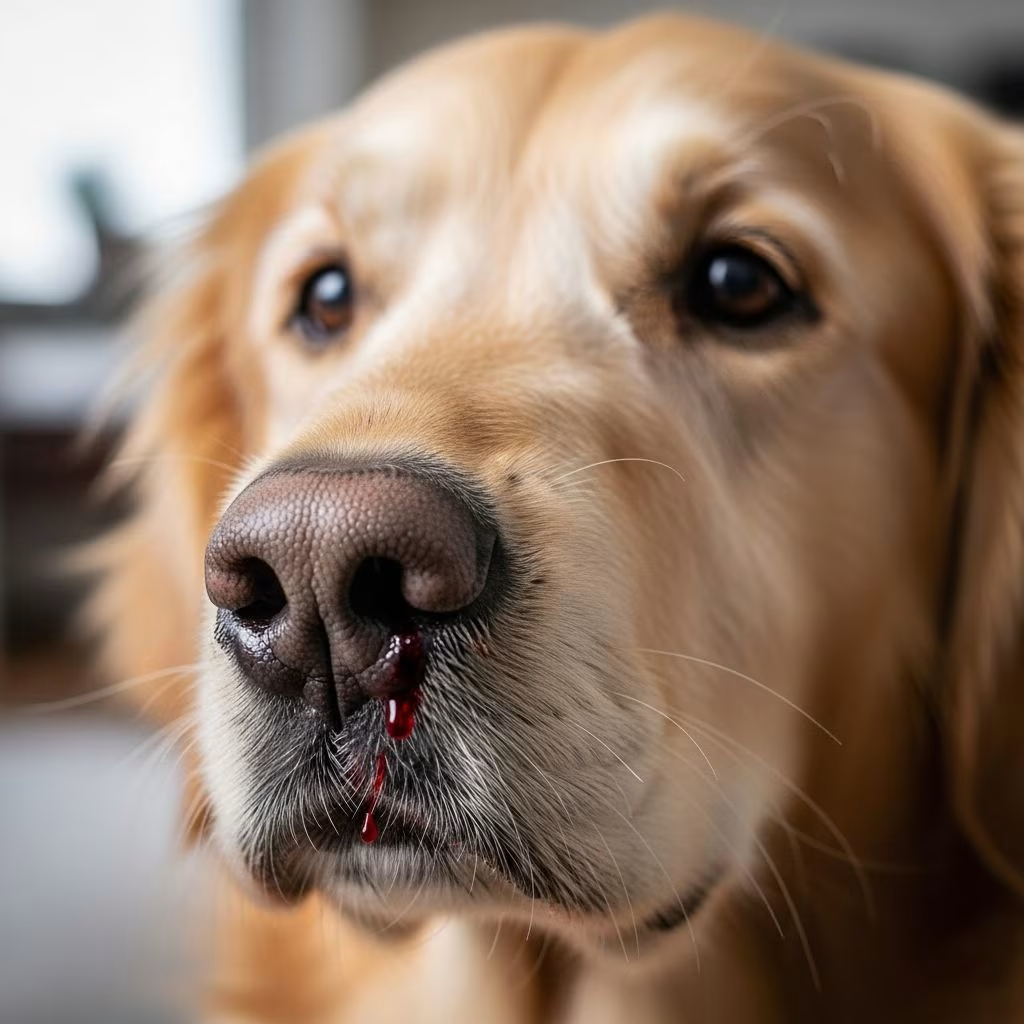
Nosebleeds, medically termed epistaxis, in pets such as dogs and cats represent a concerning symptom that demands swift attention from owners. These episodes involve blood flowing from one or both nostrils, potentially stemming from benign issues like minor injuries or signaling grave underlying health problems. Understanding the spectrum of triggers equips pet parents to respond effectively, minimizing risks and facilitating timely veterinary intervention.
Recognizing the Signs of Nosebleeds in Pets
Spotting a nosebleed early can make a significant difference in your pet’s outcome. Blood may drip steadily, spurt forcefully, or appear as streaks in nasal discharge. Accompanying indicators include frequent sneezing, pawing at the face, labored breathing, facial swelling, or behavioral shifts like lethargy and appetite loss. In severe instances, pets might swallow blood, leading to vomiting dark material or passing black, tarry stools. Pale gums often point to blood loss or clotting deficiencies. Differentiating between nostrils helps vets pinpoint issues: unilateral bleeding frequently ties to local nasal problems, while bilateral suggests systemic disorders.
- Sudden sneezing or nose-rubbing: Often linked to irritants or foreign materials.
- Visible blood: Ranges from spots to profuse flow.
- Respiratory distress: Noisy breathing or open-mouth panting signals urgency.
- Secondary signs: Bruising, weakness, or pot-bellied appearance hint at clotting failures.
Primary Triggers: Local Nasal Issues
Many nosebleeds originate directly within the nasal passages. Trauma tops the list, arising from collisions, falls, fights with other animals, or rough play. Sharp objects or even enthusiastic digging can lacerate delicate nasal tissues. Foreign bodies like grass seeds, foxtails, or plant awns lodge in nostrils, causing irritation, inflammation, and eventual vessel rupture. Infections follow closely: bacterial or viral upper respiratory bugs inflame linings, while fungal invaders like Aspergillus thrive in certain environments, eroding tissues over time. Dental problems, particularly tooth root abscesses, extend into nasal cavities, fostering infection and bleeding. Though uncommon, nasal tumors—benign polyps or malignant growths—erode blood vessels, often in older pets.
| Local Cause | Description | Common in |
|---|---|---|
| Trauma | Injury from accidents or play | All ages, active pets |
| Foreign Bodies | Stuck grass awns or debris | Hunting/outdoor dogs |
| Infections | Bacterial, fungal, viral | Immunocompromised pets |
| Tumors | Nasal growths | Senior dogs |
| Dental Disease | Root abscesses | Small breeds, older cats |
Systemic Conditions Leading to Nosebleeds
Beyond the nose, body-wide problems frequently manifest as epistaxis. Coagulation disorders impair blood clotting: inherited conditions like hemophilia (factor VIII deficiency) or von Willebrand disease (common in Dobermans) hinder platelet function, causing spontaneous bleeds. Acquired issues include rodenticide poisoning, where anticoagulants like brodifacoum deplete vitamin K-dependent factors, leading to widespread hemorrhaging. Tick-borne diseases such as ehrlichiosis or Rocky Mountain spotted fever destroy platelets or vessels. Autoimmune thrombocytopenia sees the immune system targeting platelets, dropping counts dangerously low. Organ failures contribute too: liver disease reduces clotting protein synthesis, while kidney failure elevates blood pressure, weakening nasal capillaries. Hypertension alone, from various causes, stresses vessels to rupture. Certain medications (e.g., chemotherapy, sulfa antibiotics) or cancers like hemangiosarcoma exacerbate bleeding tendencies.
Immediate First Aid for Pet Nosebleeds
While hurrying to a vet, stabilize the situation. Keep your pet calm in a cool, quiet space to slow bleeding—excitement accelerates heart rate and flow. Gently restrain without stressing them. Apply a cold compress or ice pack wrapped in cloth to the nose bridge for 5-10 minutes; vasoconstriction reduces outflow. Avoid inserting anything into nostrils, as this worsens damage. Tilt the head slightly forward to prevent blood aspiration into lungs or stomach. Monitor for weakness or collapse, signaling emergency. Never use human clotting agents or cauterize at home—these risk toxicity or further injury.
Veterinary Diagnosis: Unraveling the Cause
Vets employ a systematic approach. History-taking covers recent trauma, toxin exposure, tick activity, or symptoms like weight loss. Physical exams check for facial deformities, dental issues, or lymph node swelling. Blood tests assess platelet counts, clotting times (PT/PTT), organ function (liver/kidney panels), and screen for infections or rodenticides. Imaging—radiographs, CT, or rhinoscopy—visualizes masses, foreign objects, or bone changes. Nasal biopsies or cultures confirm tumors or fungi. Blood pressure measurement rules out hypertension. Coagulation profiles differentiate inherited from acquired defects.
- Bloodwork: Detects anemia, thrombocytopenia, toxins.
- Imaging: Identifies structural abnormalities.
- Endoscopy: Direct nasal visualization and sampling.
Treatment Strategies Tailored to the Root Cause
Management hinges on diagnosis. Trauma cases often resolve with rest and ice; antibiotics prevent secondary infections. Foreign bodies require sedation for extraction via endoscopy or flushing. Infections demand targeted antimicrobials—prolonged antifungals for aspergillosis. Tumor therapies range from surgery and radiation to chemotherapy, though prognosis varies. Clotting disorders receive vitamin K1 for rodenticides, transfusions for severe losses, or immunosuppressants for autoimmune cases. Tick diseases respond to doxycycline. Supportive care includes fluids, oxygen, and cage rest. Chronic hypertension needs blood pressure meds alongside addressing kidney issues.
Breed Predispositions and Risk Factors
Certain breeds face heightened risks. Brachycephalic dogs (e.g., Bulldogs, Pugs) possess short noses prone to trauma and infections. Long-nosed breeds like Collies or Shepherds inhale more irritants, risking foreign bodies or fungi. Dolichocephalic hounds develop nasal tumors more often. Small breeds suffer dental abscesses frequently. Outdoor, hunting pets encounter toxins and ticks. Age matters: seniors harbor tumors or organ decline; youngsters inherit coagulopathies.
Preventive Measures for a Bleed-Free Life
Proactivity slashes risks. Supervise play to avert injuries. Administer preventives year-round against ticks and fleas. Secure rodenticides and chemicals. Schedule dental cleanings biannually, especially for predisposed breeds. Maintain vaccinations and wellness checks for early hypertension or organ detection. Indoor-outdoor balance limits fungal spore exposure. Routine bloodwork in at-risk seniors flags clotting issues promptly.
When to Seek Emergency Veterinary Help
Not all nosebleeds warrant panic, but red flags demand immediate ER visits: profuse bleeding unresponsive to pressure, breathing difficulties, neurological signs (stumbling, seizures), or multiple episodes. Nighttime or weekend occurrences? Many clinics offer 24/7 services. Delaying risks anemia, aspiration pneumonia, or undiagnosed malignancies.
FAQs on Pet Nosebleeds
Can a minor injury cause a pet nosebleed?
Yes, even small bumps rupture fragile nasal vessels, often self-resolving but warranting monitoring.
Is nosebleeding common in cats versus dogs?
Dogs experience it more frequently due to activity levels, but cats with dental or trauma issues are susceptible.
How quickly should I see a vet after a nosebleed?
Immediately if heavy or recurrent; within 24 hours for mild, isolated events.
Can diet influence clotting and prevent bleeds?
Balanced nutrition supports liver health and clotting factors, but consult vets for supplements like omega-3s.
Do nasal tumors always mean a poor prognosis?
Not necessarily—early detection via imaging improves surgical outcomes in many cases.
Equipped with this knowledge, pet owners can navigate nosebleeds confidently, prioritizing professional care to ensure their companions thrive.
References
- Understanding Bloody Nose (Epistaxis) in Dogs and Cats — Pet Method Animal Hospital. 2023-05-15. https://www.petmethoddfw.com/blog/understanding-bloody-nose-epistaxis-in-dogs-and-cats-pet-method-animal-hospital
- Nose Bleeds (Epistaxis) in Dogs — VCA Animal Hospitals. 2024-02-10. https://vcahospitals.com/know-your-pet/nose-bleeds-or-epistaxis-in-dogs
- Dog Nose Bleed: 13 Causes (And How To Stop the Bleeding) — ToeGrips. 2023-11-20. https://toegrips.com/dog-nose-bleed/
- Nosebleeds in Dogs — PetMD. 2024-08-05. https://www.petmd.com/dog/symptoms/nosebleeds-in-dogs
- Nosebleeds in Dogs: What You Need to Know — American Kennel Club. 2023-09-12. https://www.akc.org/expert-advice/health/dog-nosebleed/



