Complete Guide to Pet Mouse Care and Wellness
Master essential mouse care tips for happy, healthy pets at home
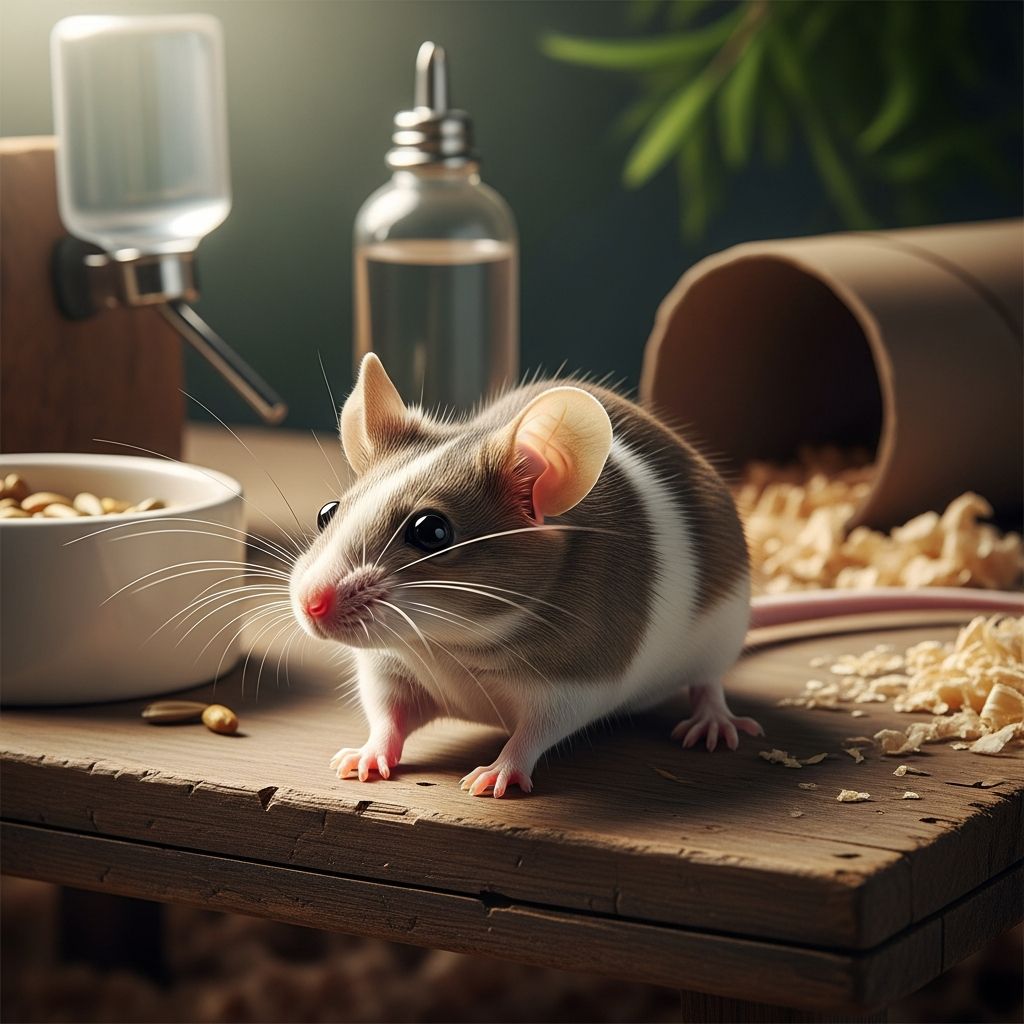
Pet mice make wonderful companions for individuals and families seeking small, engaging animals that require manageable care routines. These curious creatures display distinct personalities and can live between 2-3 years when provided with appropriate nutrition, housing, and environmental enrichment. Understanding the fundamentals of mouse care ensures your pet thrives and develops healthy behaviors while minimizing stress and illness.
Selecting the Ideal Housing Setup
The foundation of responsible mouse ownership begins with choosing appropriate housing that accommodates their natural behaviors and physical needs. Mice require enclosed environments that provide security while allowing adequate space for movement and exploration. The minimum recommended dimensions for a single mouse or pair of females should measure at least 20 inches in length, 10 inches in width, and 12 inches in height, though larger accommodations of 40 gallons or more promote better welfare and activity levels.
Wire cages with plastic tray floors work effectively for mouse housing, though glass aquariums, tanks, and terrariums also serve as viable alternatives. Glass enclosures offer superior visibility and ventilation control, particularly important since mice are sensitive to poor air quality and respiratory complications. If selecting a tank option, ensure adequate ventilation through properly spaced holes or mesh components. Mice are notorious escape artists, so secure mesh lids and structures without accessible bar spacing prevent unauthorized departures.
Environmental conditions significantly impact mouse health and behavior patterns. Maintain household temperatures between 65-80°F and position enclosures in quiet, draft-free locations away from direct sunlight, heating vents, and air conditioning units. Humidity levels should remain moderate, avoiding excessively damp conditions that promote fungal growth and respiratory disease. Placement near windows or frequently trafficked areas creates unnecessary stress for these sensitive animals.
Bedding and Nesting Materials
Appropriate bedding serves multiple functions: absorbing moisture, facilitating natural burrowing behaviors, and maintaining hygiene standards. Paper-based bedding and shredded paper products provide safe, absorbent options that mice can manipulate and nest within. Aspen wood shavings and hemp bedding also offer acceptable alternatives for small animals. Critically, avoid aromatic bedding varieties such as cedar and pine, which contain harmful compounds that damage respiratory systems and cause serious health complications.
Bedding depth should reach at least 3-4 inches in designated sections of the enclosure, allowing mice to express their natural instinct to burrow and create tunnel networks. This enrichment activity reduces stress and promotes mental stimulation. During regular cleaning routines, retain approximately one-third of existing, unsoiled bedding to preserve familiar scents that reassure mice and reduce anxiety during habitat refreshes.
Essential Equipment and Accessories
Creating a stimulating environment requires strategic placement of enrichment items that address physical exercise and psychological engagement. The following components form the foundation of a well-equipped mouse habitat:
- Exercise wheels: Solid-surface wheels prevent foot injuries and accommodate natural running behaviors essential for cardiovascular health
- Tunnels and tubes: Enclosed pathways encourage exploration and provide security as mice navigate their environment
- Hideaway structures: Nest boxes and covered shelters offer refuge for resting and creating nests
- Climbing elements: Ropes, apple tree branches, and wooden bridges satisfy climbing instincts and develop muscle strength
- Chewing materials: Wooden chews, apple sticks, and willow branches maintain dental health as continuously growing incisors require constant wear
- Foraging toys: Dig boxes and puzzle feeders encourage natural food-seeking behaviors
- Nesting materials: Unscented tissue, paper towels, and soft materials support nest construction
Water provision requires careful attention to hygiene and functionality. Glass water bottles with ball-bearing drippers prevent bacterial contamination and water spillage more effectively than plastic alternatives, which mice can gnaw and damage. Daily inspection ensures bottles function properly and contain fresh, clean water. Supplementary shallow water bowls accommodate mice that prefer direct drinking methods. Food should be presented in earthenware or ceramic bowls rather than plastic containers vulnerable to chewing damage.
Nutrition and Dietary Requirements
A balanced diet ensures mice receive essential nutrients for growth, reproduction, and disease resistance. Commercial mouse pellets or laboratory blocks should comprise approximately 75% of daily food intake, providing standardized nutrition and complete vitamin-mineral profiles. These formulated foods contain appropriate protein levels (12-16%) and essential micronutrients specifically balanced for rodent dietary requirements.
Fresh vegetables supplement pelleted diets and provide beneficial fiber and moisture content. Introduce dark leafy greens such as spinach and kale every other day in small quantities. Fruits including apples, bananas, and melons can be offered weekly as occasional treats rather than dietary staples, as excessive sugar promotes obesity and dental problems.
Protein sources enhance nutritional diversity and support muscle development. Small portions of cooked chicken, unsalted nuts, and seeds provide beneficial proteins and fats necessary for coat health and sustained energy. Whole grains including oats and unsweetened cereals offer additional nutritional variety. Individual mice require approximately 4-5 grams of food daily, adjusted based on body condition and activity levels.
Foods to avoid completely: Chocolate, salt, sugar, fatty foods, moldy items, avocado, and human snack foods can cause serious health complications. Never offer foods treated with pesticides or herbicides. Fresh water must always remain available in clean, functioning bottles with daily refilling checks.
Activity and Enrichment Strategies
Mice are inherently curious and energetic animals that quickly become bored without environmental variation and mental stimulation. Rotating toys and rearranging furniture periodically prevents habituation and maintains engagement. Scatter feeding—randomly distributing daily food portions throughout the enclosure and hiding items in paper bags—encourages natural foraging behaviors and reduces feeding-related boredom.
Providing variety in enrichment items maintains psychological health and allows mice to express species-typical behaviors including climbing, burrowing, and exploring. Regularly changing the enclosure layout and introducing novel objects keeps their environment mentally challenging. Without adequate enrichment, mice may develop stereotypic behaviors such as excessive wheel running or repetitive movements indicating stress and poor welfare.
Cleaning Protocols and Hygiene Management
Maintaining optimal enclosure cleanliness protects mice from respiratory disease, fungal infections, and parasitic conditions while managing odors for household comfort. Establishing a structured cleaning schedule prevents disease development and supports long-term health.
Daily spot-cleaning includes:
- Removing visibly soiled bedding, fecal material, and uneaten fresh food
- Wiping down exercise wheels and heavily contaminated surfaces
- Refilling water bottles and checking functionality
- Replacing food in bowls with fresh provisions
Weekly maintenance involves:
- Removing and soaking wooden accessories in hot water and vinegar to eliminate odor-causing bacteria
- Wiping cage surfaces with pet-safe disinfectants
- Changing approximately half of the bedding while preserving unsoiled portions
- Thorough inspection of all equipment for damage or contamination
Monthly deep cleaning requires:
- Complete enclosure removal to a pet-safe temporary location
- Disposal of all existing bedding
- Scrubbing all cage surfaces, tunnels, and accessories with pet-safe disinfectants or dilute bleach solutions (3% concentration)
- Thorough rinsing and complete air-drying before reassembly
- Installation of fresh bedding mixed with small amounts of retained soiled bedding to maintain familiar scents
Excessive cleaning frequency can paradoxically increase stress by removing olfactory cues mice depend upon for security and orientation. Balance hygiene requirements with behavioral welfare by retaining familiar scents while removing truly contaminated materials. Perform cleaning routines while mice remain awake and use pet carriers to safely confine them during habitat maintenance.
Gentle Handling and Socialization
Although mice possess friendly dispositions, they naturally avoid frequent handling and may experience stress when grabbed or restrained improperly. Early socialization from youth enhances tolerance and reduces fear responses, though even well-socialized mice should not be handled excessively.
Proper handling techniques include:
- Beginning with hand placement inside the cage to allow sniffing and familiarization before physical contact
- Gently stroking the mouse while inside the cage to build comfort with touch
- Scooping the mouse by forming a gentle cup with both hands on either side of the body
- Always supporting mice over a table, lap, or cage to minimize fall-related injuries from their fragile skeletal structure
- Offering treats during and after handling to create positive associations
- Monitoring body language for signs of stress including rapid breathing, freezing, or defensive posturing
Speaking quietly and consistently near the enclosure helps mice acclimate to human voices and presence. Hand-feeding small treats like sunflower seeds encourages voluntary approach without forceful handling. Never restrain mice by the scruff or tail, which causes injury and severe stress. If a mouse displays distress signals during handling, return it immediately to the enclosure and allow recovery time before attempting further interaction.
Health Monitoring and Veterinary Care
Pet mice remain vulnerable to several health conditions requiring veterinary intervention and preventive monitoring. Regular observation of behavior, appearance, and bodily functions enables early detection of emerging health issues.
Warning signs requiring veterinary consultation include:
- Respiratory difficulties including labored breathing, wheezing, or nasal discharge
- Unexplained weight loss or decreased appetite
- Visible tumors, lumps, or skin abnormalities
- Hair loss or coat degradation suggesting parasites or nutritional deficiency
- Lethargy, reduced activity, or behavioral changes
- Sunken eyes or facial abnormalities
- Diarrhea or abnormal stool consistency
- Limping or difficulty moving indicating injury or infection
Mice are prone to respiratory infections, skin conditions, and various tumors that increase in frequency with advanced age. Locating an exotic animal veterinarian experienced with small rodents ensures appropriate diagnostic testing and treatment options. Pet insurance may reduce financial burden of unexpected medical expenses, allowing access to comprehensive veterinary care throughout your mouse’s lifespan.
Grooming and Personal Hygiene
Mice are naturally clean animals that maintain their coats through regular self-grooming. Most mice require no bathing or intensive grooming interventions. Spot-cleaning can occasionally be performed using damp washcloths or unscented baby wipes if a mouse becomes visibly soiled. Avoid water baths which cause chilling and stress in these small animals.
Creating an Optimal Environment Summary
| Care Category | Requirements | Frequency |
|---|---|---|
| Habitat Size | Minimum 20x10x12 inches (40+ gallons preferred) | Ongoing |
| Spot Cleaning | Remove soiled bedding and uneaten food | Daily |
| Partial Bedding Change | Replace approximately half of bedding | Every 2-4 weeks |
| Full Enclosure Cleaning | Complete disinfection and fresh bedding | Monthly |
| Water Provision | Fresh, clean water in functioning bottle | Daily |
| Food Provision | 4-5 grams high-quality pellets daily | Daily |
| Health Assessment | Observe for behavioral or physical changes | Daily |
| Veterinary Examination | Professional evaluation of health status | As needed |
Frequently Asked Questions
What is the typical lifespan of a pet mouse?
Pet mice generally live 2-3 years with proper care. Some individuals may exceed this range depending on genetics and health management. Early detection and treatment of health conditions can support extended longevity.
Can male and female mice be housed together?
Males cannot cohabitate with females without resulting in frequent breeding. Female pairs generally coexist peacefully if raised together from youth. Male mice are territorial and will fight with other males, making solitary housing necessary for single males.
How frequently should I handle my mice?
Gentle handling 2-3 times weekly is appropriate for well-socialized mice. Some individuals tolerate more frequent interaction, while others prefer minimal contact. Always observe stress signals and respect individual personality differences.
What temperature range is appropriate for mice?
Maintain enclosure temperatures between 65-80°F for optimal health. Temperatures exceeding 80°F cause heat stress, while cold environments increase respiratory infection risk. Avoid rapid temperature fluctuations.
Is bedding type important for mouse health?
Yes, bedding selection directly impacts respiratory health. Paper-based, aspen, and hemp beddings are safe choices. Avoid cedar and pine, which contain toxic compounds damaging the respiratory system.
References
- Pet Mice Care and Wellbeing Advice — Blue Cross. Accessed February 2026. https://www.bluecross.org.uk/advice/mouse/pet-mice-care
- Pet Mouse Care Sheet: Habitat, Diet, and Behavior — PetMD. Accessed February 2026. https://www.petmd.com/exotic/mouse-care-sheet
- Mouse Care Guide — Little Critter Crew. Accessed February 2026. https://littlecrittercrew.org/mouse-care-guide/
- Fancy Mouse Care Sheet & Supplies — PetSmart Learning Center. Accessed February 2026. https://www.petsmart.com/learning-center/small-pet-care/fancy-mouse-care-guide/A0324.html
- Pet Mice 101: A Beginner’s Guide To Keeping a Mouse as a Pet — Chewy Education. Accessed February 2026. https://www.chewy.com/education/small-pet/rat-and-mouse/pet-mice
Similar Articles








Read full bio of Sneha Tete