

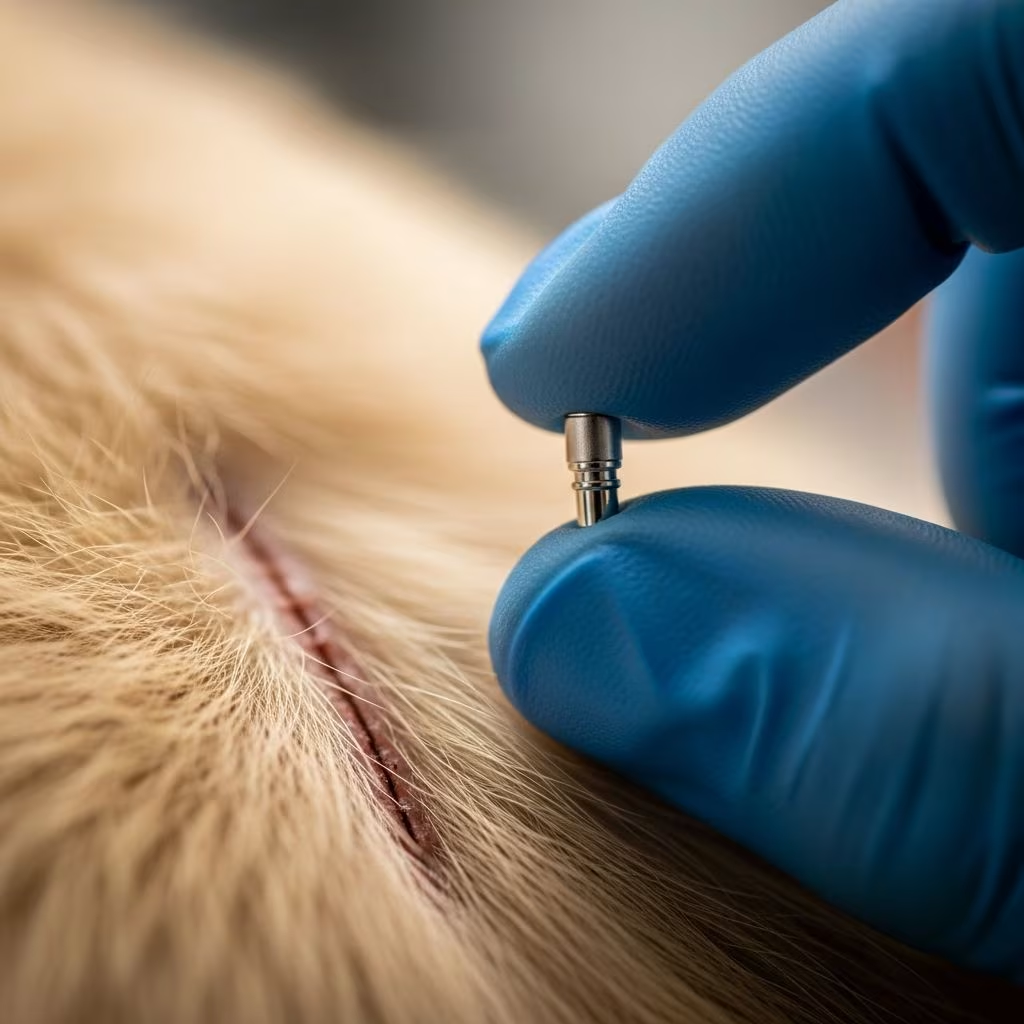
Microchipping provides a reliable, lifelong identification method for pets, dramatically increasing the chances of reuniting lost dogs and cats with their families. This tiny device, implanted under the skin, stores a unique code linked to owner contact details in a national database.
Why Microchipping Matters for Pet Owners
Every year, countless pets go missing due to escapes, accidents, or theft. Traditional collars and tags can slip off or be removed, but a microchip remains permanently embedded. Studies show microchipped pets have return rates over 50% compared to under 20% for those without. For cats, the difference is even starker: 38.5% return with chips versus 1.8% without.
This technology offers unparalleled peace of mind, especially for indoor cats or adventure-prone dogs that might bolt during fireworks or storms. Even pets that never leave home benefit, as unexpected events like evacuations or break-ins can lead to separations.
How Microchips Work in Practice
A pet microchip is a rice-sized electronic chip encased in biocompatible glass. It contains a unique 15-digit code activated only when scanned by a universal reader, common in vets, shelters, and animal control facilities. No battery powers it; it uses radio frequency energy from the scanner.
Upon scanning, the code links to a registry where owners register their details. This system ensures finders can quickly contact you, even if tags are missing or outdated.
The Microchipping Procedure Explained
Implantation mimics a vaccination: a vet uses a large needle to place the chip between the shoulder blades in seconds, without anesthesia for most pets. Puppies and kittens can receive it from 8 weeks old, often during routine checkups or spay/neuter surgeries.
- Preparation: No fasting needed; calm your pet beforehand.
- During: Quick injection; minimal discomfort like a shot.
- After: No recovery time; watch for rare swelling.
Cost typically ranges from $40-$60, including registration, and it’s a one-time expense.
Key Advantages of Microchipping Pets
The pros far exceed any minor drawbacks, making it a standard recommendation.
| Benefit | Description | Impact |
|---|---|---|
| Permanent ID | Tamper-proof; lasts pet’s lifetime | Can’t be lost like collars |
| High Return Rates | Boosts reunions significantly | 52% vs 22% for dogs |
| Easy Process | Quick, no surgery | Done in routine visits |
| No Maintenance | Battery-free, inert material | Set-it-and-forget-it |
Potential Drawbacks and Real Risks
While safe, microchipping isn’t risk-free. Rare issues include site infection, migration, or inflammation. A 2023 Japanese study reported two puppy spinal injuries from improper neck placement, highlighting technique’s importance.
Not all facilities scan routinely, and chips require registration updates for moves or number changes. They don’t track like GPS; only reveal info when scanned.
- Rare Complications: Swelling (temporary), infection (treatable).
- Human Factors: Unregistered chips or unscanned pets reduce efficacy.
- Migration: Chips may shift slightly but remain scannable.
Ideal Timing for Microchipping Dogs and Cats
Adopt the habit early: chip at first vet visit post-8 weeks. It’s ideal alongside vaccines, neutering, or wellness exams to minimize stress. Adult pets should get one during annual checkups, especially before travel or if escape-prone.
For breeders or shelters, many regions mandate it before sales.
Registration: The Critical Step
Implantation alone isn’t enough; register immediately with a national database like those endorsed by AVMA. Provide accurate contact info and update promptly for life changes.
- Choose a universal registry.
- Enter pet details and owner info.
- Verify annually; some offer alerts.
Multiple registries exist; opt for ones accessible by all scanners.
Caring for Your Pet Post-Microchip
Monitor the site for 24-48 hours: redness or lumps warrant a vet call. No bandages needed; normal activity resumes instantly.
Test the chip yearly at checkups to ensure readability. Keep vaccination records handy, as chips don’t store health data.
Common Myths About Pet Microchips
Misinformation deters some owners. Here’s the truth:
- Myth: It’s like GPS. *Fact:* Passive ID only, no tracking.
- Myth: Causes cancer. *Fact:* No evidence; rare lumps unrelated.
- Myth: Very painful. *Fact:* Brief discomfort, no worse than shots.
- Myth: All shelters scan. *Fact:* Most do, but request it.
Microchipping for Specific Pet Types
Dogs: Adventure Companions
Dogs often escape fences or during walks. Microchips excel here, with proven high return stats.
Cats: Stealthy Escapers
Indoor cats seem safe, but doors crack open. Collars slip easily; chips provide backup.
Frequently Asked Questions (FAQs)
Does microchipping hurt my pet?
Minimal pain, like a vaccine; over in seconds.
Can the chip fall out or move?
Rare migration occurs but doesn’t impair function.
Is it required by law?
Varies; some areas mandate for sales or breeds.
How do I update my info?
Log into the registry online or call.
What if my pet is found without scanning?
Tags help, but advocate for routine scans.
Enhancing Protection: Microchips Plus More
Combine with collars, GPS collars, secure fencing, and training. Microchipping is a foundational layer.
For multi-pet homes or travelers, universal registration ensures accessibility anywhere.
References
- Pros and Cons of Microchipping Dogs — Pets Best Insurance. 2023. https://www.petsbest.com/blog/pros-and-cons-of-microchipping-dogs
- Microchipping Cats: Pros and Cons — Ponderosa Veterinary Clinic. 2023. https://ponderosavetclinic.com/microchipping-cats-pros-and-cons/
- Should You Microchip Your Indoor Cat — Wilderness Trace Vet Clinic. 2023. https://wildernesstracevetclinic.com/blog/should-you-microchip-your-indoor-cat
- Pet Microchipping 101 — Greenpoint Vet Care. 2023. https://www.greenpointvetcare.com/pet-microchipping-101-why-its-essential-for-your-pets-safety/
- Why Microchipping Pets Matters — Express Vets Oakwood. 2023. https://www.expressvetsoakwood.com/blog/why-microchipping-pets-matters-safety-and-peace-of-mind
- Preliminary report of spinal cord injuries resulting from inappropriate microchip implantation — PMC (PubMed Central). 2023-02-01. https://pmc.ncbi.nlm.nih.gov/articles/PMC9887216/
- Microchipping for Pets: Benefits, Risks, and How It Works — Los Angeles Times. 2023. https://www.latimes.com/companion-animals/advice/care/story/pet-microchipping-guide



