
Pet Microchipping Guide for Australian Owners
Everything Australian pet owners need to know about microchipping requirements and benefits
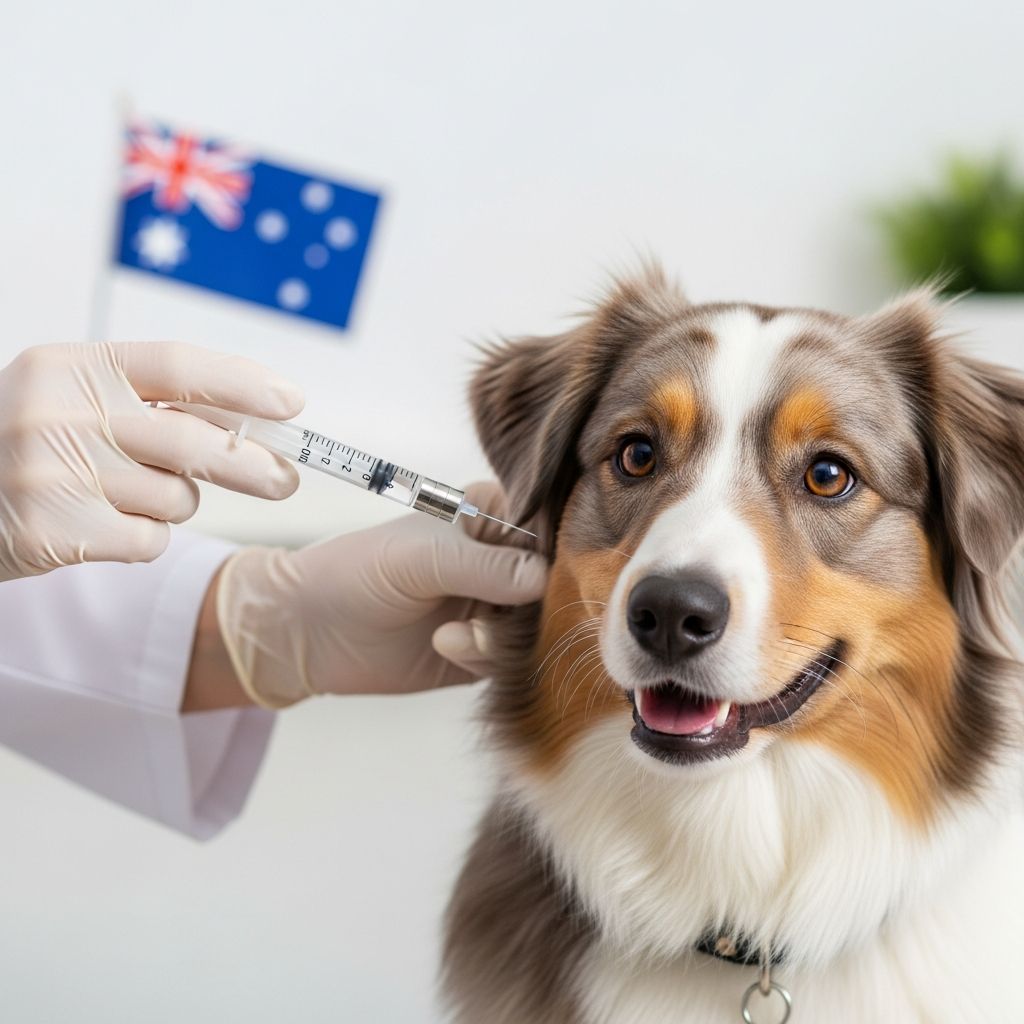
Pet microchipping has become an essential component of responsible pet ownership across Australia. Whether you are adopting a new cat, purchasing a puppy, or simply want to enhance your existing pet’s safety, understanding microchipping requirements and benefits is crucial. This guide provides detailed information about microchipping regulations, technical standards, and practical considerations for Australian pet owners.
What Is Pet Microchipping and How Does It Work?
A microchip is a small electronic device, roughly the size of a grain of rice, that contains a unique identification number. Veterinarians implant this device beneath the skin of your pet, typically between the shoulder blades. When scanned with a compatible reader, the microchip displays the unique number associated with your pet’s registration details. This technology provides a permanent form of identification that cannot be lost, damaged, or removed like collars or tags.
The microchip itself is passive, meaning it does not require a battery or power source. It activates only when scanned by a reader device, making it safe and maintenance-free throughout your pet’s lifetime. The implantation procedure is quick, relatively painless, and comparable to a routine vaccination in terms of discomfort.
Mandatory Microchipping Requirements Across Australian States
Australia has implemented microchipping requirements that vary slightly by state and territory. Understanding your specific state’s regulations ensures compliance with local laws and protects you from potential fines.
ACT and NSW Regulations
In the Australian Capital Territory, the Domestic Animals Act 2000 and Domestic Animals Regulation 2001 require all cats and dogs to be microchipped before sale and by 12 weeks of age. Similarly, New South Wales mandates microchipping under the Companion Animals Act 1998, with the same age requirement. Additionally, NSW requires that anyone selling or giving away a cat or dog must include identification numbers in advertisements, which can be the microchip number, breeder identification number, or rehoming organisation number.
Queensland and South Australia Requirements
Queensland mandates microchipping by 12 weeks of age under the Animal Management (Cats and Dogs) Act 2008, though reasonable excuses may apply. South Australia requires microchipping before sale or transfer and by 12 weeks of age under the Dog and Cat Management (Miscellaneous) Amendment Act 2016.
Tasmania’s Specific Timelines
Tasmania distinguishes between dogs and cats regarding microchipping timelines. Dogs must be microchipped by 6 months of age under the Dog Control Act 2000. Cats over 4 months of age must be microchipped, though kittens under 4 months require implantation if sold or given away. Medical exemptions are available with a veterinary certificate.
Victoria’s Registration Requirements
Victoria requires all cats and dogs to be microchipped as a condition of registration under the Domestic Animals Act 1994, with implantation required before 3 months of age. Domestic animal businesses must microchip animals before sale or transfer. Advertisements for pets must include the microchip number, and anyone advertising a dog or cat for sale or adoption must enrol on the Pet Exchange Register.
Western Australia and Northern Territory
Western Australia requires dogs to be microchipped by 3 months of age under the Dog Act 1976 and cats by 6 months under the Cat Act 2011, with microchipping mandatory upon transfer to a new owner. The Northern Territory does not have a statewide mandate, though the City of Darwin requires microchipping as part of its Animal Management By-Laws.
| State/Territory | Dogs | Cats | Legal Reference |
|---|---|---|---|
| ACT | By 12 weeks | By 12 weeks | Domestic Animals Act 2000 |
| NSW | By 12 weeks | By 12 weeks | Companion Animals Act 1998 |
| QLD | By 12 weeks | By 12 weeks | Animal Management Act 2008 |
| SA | By 12 weeks | By 12 weeks | Dog and Cat Management Act 2016 |
| TAS | By 6 months | By 4 months | Dog Control Act 2000 |
| VIC | By 3 months | By 3 months | Domestic Animals Act 1994 |
| WA | By 3 months | By 6 months | Dog Act 1976; Cat Act 2011 |
| NT | Only in Darwin | Only in Darwin | Council By-Laws |
Technical Standards for Microchips in Australia
Australia has established specific technical requirements for microchips to ensure compatibility and functionality across different scanning devices. These standards are particularly important for pet travel and import procedures.
ISO Compatibility Standards
Microchips implanted in Australian pets must be readable by ISO-compatible readers. The international standard for microchips is ISO 11784/11785, which ensures that your pet’s microchip can be read by scanners used in veterinary clinics, animal shelters, and border facilities. This standardization is crucial for pet identification and recovery if your animal becomes lost.
Microchip Number Requirements
The microchip number should be either 10 or 15 digits in length. Importantly, microchip numbers beginning with 999 are not acceptable in Australia because these numbers are not unique and do not provide reliable identification. When your pet is implanted with a microchip, ensure that the veterinarian records the correct number and registers it with a national pet registry.
Pre-Implantation Scanning
Before implanting a new microchip, authorised implanters such as registered veterinarians must scan the animal to ensure it is not already microchipped. This prevents duplicate implantation and ensures accurate record-keeping. Scanning is a standard procedure that takes only moments and is part of professional microchipping practice.
The Microchipping Process: What to Expect
Understanding what to expect during the microchipping procedure can help reduce anxiety for both you and your pet. The process is straightforward and can be completed during a routine veterinary visit.
Only authorised implanters, primarily registered veterinarians and certified technicians who have completed specific training, can legally implant microchips. The veterinarian will examine your pet, confirm that no existing microchip is present, and then administer the implant. The procedure typically causes minimal discomfort, similar to a vaccination injection. Most pets require no sedation or pain relief, though anxious animals may be calmed with gentle handling.
After implantation, your veterinarian will provide you with the microchip number and documentation. It is essential that you immediately register this number with a national pet registry and keep your contact details current. Without proper registration, the microchip cannot be used to reunite you with your pet if they become lost.
Registration and Record Keeping
Microchipping effectiveness depends entirely on accurate registration and maintenance of your contact information. A microchip without registered details is merely an identification number without a way to contact the owner.
When your pet is microchipped, the veterinarian provides the microchip number. You must then register this number with a national pet registry, providing your name, address, telephone number, and email address. Keep this information current, particularly if you relocate or change contact details. Many registries allow online updates, making it simple to maintain accurate records.
Some states, including Victoria, have implemented the Pet Exchange Register, which provides an additional layer of protection. This register tracks pets being sold or rehomed and allows potential adopters to verify a pet’s history and microchip details before purchase.
Benefits Beyond Legal Compliance
While microchipping is a legal requirement in most Australian states, the benefits extend well beyond regulatory compliance. A microchip provides security and peace of mind for pet owners.
The primary benefit is pet recovery. If your cat or dog escapes or becomes lost, a microchip provides a permanent way to identify your pet. Animal shelters, veterinary clinics, and rescue organisations routinely scan lost animals, and a properly registered microchip can reunite you with your pet even if identification tags are lost or removed.
Microchipping also provides protection against pet theft. Because the microchip is internal and unique, it cannot be removed or altered, making it a reliable proof of ownership. Should a dispute arise regarding pet ownership, microchip registration can serve as documentation of legitimate ownership.
Additionally, many pet insurance policies offer discounts or coverage enhancements for microchipped animals, recognising the reduced risk associated with permanent identification and recovery capability.
International Travel and Import Requirements
If you plan to travel with your pet internationally or import a pet into Australia, microchip standards become even more critical. Different countries have specific microchip requirements, and compliance is essential for successful travel and importation.
For pets entering Australia, a government-approved veterinarian must scan the microchip at each vet visit, and the correct microchip number must be recorded on all paperwork. If the microchip cannot be read or if the number on paperwork is incorrect, the pet cannot be imported. The microchip must meet ISO 11784/11785 standards and should be implanted prior to or at the same time as rabies vaccination and testing.
Frequently Asked Questions
Is microchipping painful for my pet?
Microchip implantation is minimally invasive and causes discomfort comparable to a vaccination injection. Most pets experience no pain or only brief, mild discomfort during the procedure. No anaesthesia is typically required, and the microchip itself causes no ongoing discomfort or irritation.
How long does a microchip last?
Microchips are designed to last for the lifetime of your pet. They contain no batteries and do not degrade over time. Regular scanning at veterinary visits ensures the microchip remains functional throughout your pet’s life.
What if my pet already has a microchip?
Before implanting a new microchip, veterinarians scan your pet to check for existing microchips. If a microchip is present, the existing number should be updated in the registry rather than implanting a duplicate. In rare cases where a second microchip is necessary, specific conditions and veterinary approval are required.
Can microchips be used to track my pet’s location?
No. Microchips are passive identification devices that contain only a number. They do not emit signals and cannot be used for GPS tracking. If you want real-time location tracking, GPS collar devices are a separate solution that can complement microchipping.
What happens if I don’t update my contact information?
If your contact details are not current in the registry, a lost pet cannot be reunited with you even if the microchip is scanned. Updating registration is essential whenever you move, change phone numbers, or switch email addresses.
Choosing a Microchipping Provider
Your veterinarian is the appropriate professional to implant your pet’s microchip. Ensure that your chosen provider is a registered veterinarian or authorised certified implanters with proper training and credentials. Discuss the specific microchip being used, confirm it meets Australian standards, and ask about registration procedures. A reputable veterinary practice will provide clear documentation of the microchip number and guidance on registry enrollment.
Conclusion
Pet microchipping is a fundamental aspect of responsible pet ownership in Australia, serving both as a legal requirement and a practical safety measure. By understanding your state’s specific requirements, ensuring compliance with technical standards, and maintaining accurate registration information, you provide your pet with the best chance of recovery if they become lost or stolen. The relatively simple procedure and lifelong protection offered by microchipping make it a worthwhile investment in your pet’s safety and security.
References
- Pet microchipping – what you need to know — Mad Paws Australia. https://www.madpaws.com.au/blog/pet-microchipping-information/
- Is microchipping mandatory for cats and dogs? — RSPCA Knowledge Base. https://kb.rspca.org.au/categories/legislation/companion-animal-legislation/is-microchipping-mandatory-for-cats-and-dogs
- Microchipping of dogs and cats — Agriculture Victoria, Victorian Government. https://agriculture.vic.gov.au/livestock-and-animals/animal-welfare-victoria/domestic-animals-act/registration-legislation-and-permits/microchipping-of-dogs-cats-and-horses/microchipping-of-dogs-and-cats
- Pet Microchipping in Australia (Your 10 Questions Answered) — Dog Trainers Australia. https://blog.dogtainers.com.au/pet-microchipping/
- Microchip Requirements for Pet Travel — Starwood Pet. https://www.starwoodpet.com/knowledge/microchip-requirements-for-pet-travel
- Microchips — Department of Agriculture, Australian Government. https://www.agriculture.gov.au/biosecurity-trade/cats-dogs/microchips
- Pet Transport to Australia: What You Need to Know — Ark JFK Pet Travel. https://arkjfk.com/blog/f/pet-transport-to-australia-what-you-need-to-know?blogcategory=Travel+Tips
Similar Articles








Read full bio of medha deb


