Complete Pet Mice Care Guide: Housing, Diet & Health
Learn everything about pet mouse care: housing, nutrition, grooming, health, and behavior tips.
Pet Mice Care Guide: Everything You Need to Know
Pet mice are small, intelligent creatures that make wonderful companions for those willing to provide proper care. These curious and energetic animals require specific housing, nutrition, grooming, and veterinary attention to thrive in a home environment. Understanding their unique needs is essential for ensuring they live healthy, happy lives. This comprehensive guide covers all aspects of pet mouse care, from selecting appropriate housing to recognizing signs of illness and maintaining their physical well-being.
Understanding Pet Mice Behavior and Temperament
Before bringing mice home, it’s important to understand their natural behaviors and personality traits. Mice are social animals that benefit from living with companions, as they enjoy interaction and play. They are primarily nocturnal, meaning they are most active during nighttime hours, though they may also be active during the day. Pet mice are curious by nature and love exploring their environment, climbing, and interacting with enrichment items.
When handled regularly from a young age, mice can become quite tame and enjoy human interaction. They communicate through ultrasonic vocalizations that humans cannot hear, as well as through body language. Understanding these behaviors helps owners recognize when their mice are content, stressed, or unwell. Mice are intelligent animals capable of learning their names, responding to positive reinforcement, and even performing tricks with patience and training.
Selecting the Right Housing for Your Mice
Proper housing is foundational to mouse care and directly impacts their health and happiness. The enclosure must be spacious enough to allow for natural behaviors while maintaining cleanliness and safety.
Cage Size and Type Requirements
A wire cage or glass tank is recommended for pet mice, as these materials are durable and allow for proper ventilation. The minimum cage size depends on the number of mice you’re housing. Generally, each mouse requires adequate floor space for movement and exploration. Mice cannot be safely housed in enclosures with large gaps between bars, as they can escape through small openings. Aquariums should have proper ventilation to prevent ammonia buildup.
Essential Cage Furnishings
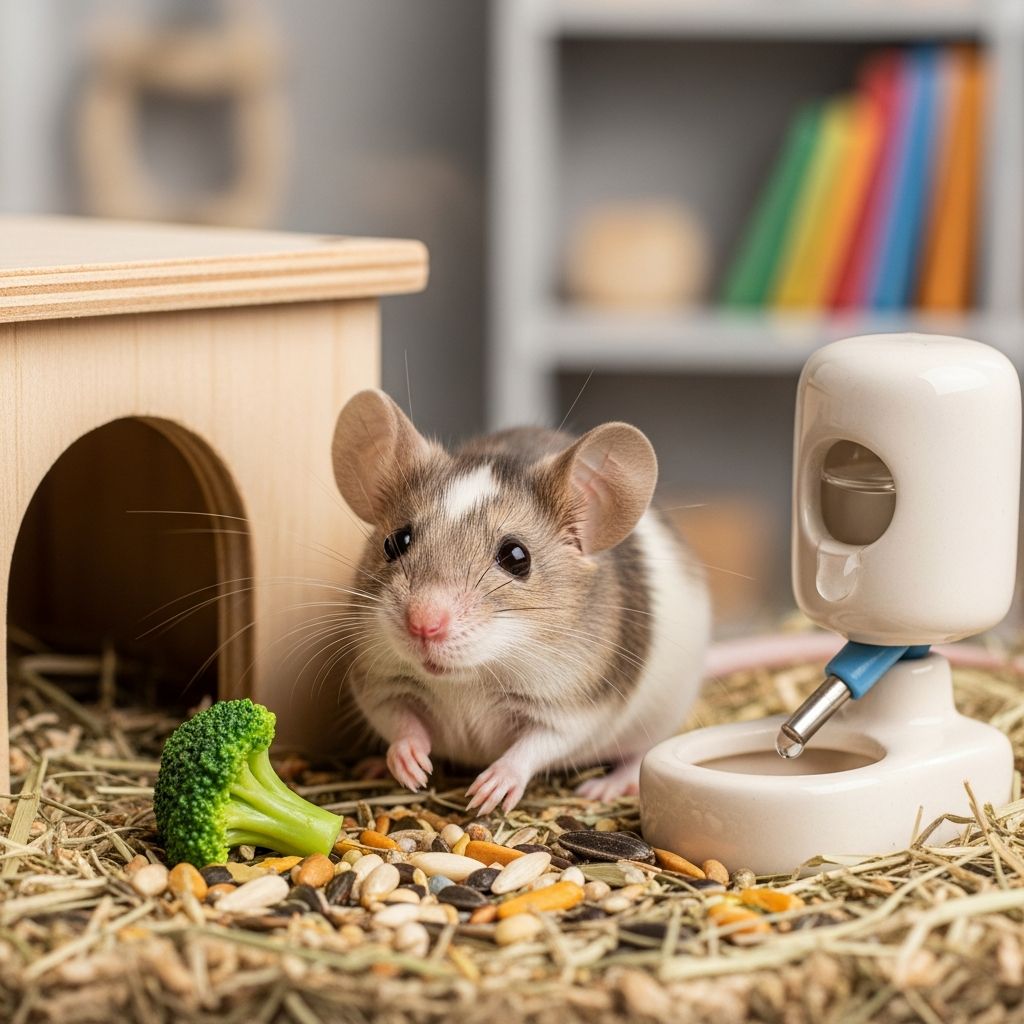
Your mouse enclosure should include several key components:
- A nest box or hideaway for security and sleeping
- Bedding material, 4-6 inches deep, for burrowing and absorption
- Water bottle with sipper tube for hydration
- Shallow water bowl as an alternative water source
- Earthenware food bowl to prevent chewing
- Tunnels and tubes for climbing and exploration
- Wheels for exercise and enrichment
- Ropes or branches for climbing activities
- Various toys for mental stimulation
Bedding Selection
Choose paper-based or shredded paper bedding, as these materials effectively absorb moisture and control odor. Aspen and hemp bedding are also safe alternatives. Never use aromatic bedding such as cedar or pine, as these materials contain compounds that can cause respiratory inflammation and other health issues in mice. Bedding should be at least 4-6 inches deep to allow for natural burrowing behaviors.
Environmental Conditions
Maintain comfortable household temperatures, ideally between 65-75°F, with no higher than 80°F. Place the enclosure in a quiet, draft-free area away from direct sunlight, heating vents, and air conditioning units. Mice are sensitive to temperature extremes and drafts. Ensure the location provides a calm environment, as excessive noise and disturbance cause stress. Proper ventilation is critical to prevent ammonia accumulation from urine, which can lead to respiratory problems.
Nutrition and Feeding Guidelines
A proper diet is essential for maintaining your mouse’s health and preventing nutritional deficiencies. Mice require a varied diet that meets their nutritional needs while accommodating their natural foraging behaviors.
Daily Food Requirements
Each mouse should consume approximately 4-5 grams of high-quality food per day. Commercial mouse food mixes provide balanced nutrition with appropriate protein, fat, and fiber levels. These mixes typically contain grains, seeds, and pellets formulated specifically for rodent nutrition. You may scatter feed the food in the cage to encourage natural foraging behaviors, which provides mental stimulation and physical activity.
Supplementary Foods
Fresh vegetables provide valuable nutrients and variety to your mouse’s diet. Safe options include carrots, broccoli, cucumber, apple, and leafy greens. However, remove any uneaten fresh food within 24 hours to prevent spoilage and bacterial growth. Occasional treats like small pieces of fruit can be offered but should not comprise a significant portion of their diet, as excessive treats can lead to obesity and health problems.
Dental Health Through Proper Nutrition
Mouse teeth grow continuously throughout their lives, making dental maintenance crucial. Providing wooden chews, apple branches, aspen branches, and Timothy hay helps wear down their front incisors naturally. Wooden toys and cardboard items also encourage gnawing, which keeps teeth at appropriate length. Without adequate chewing opportunities, teeth can become overgrown and cause serious health complications.
Water and Hydration
Fresh, clean water must be available to mice at all times. Provide water through a sipper bottle with a metal ball bearing to prevent leakage. Check the water bottle daily to ensure the sipper tube isn’t blocked and water is flowing freely. Additionally, offer a shallow water bowl as an alternative water source. Clean and refill the water bottle daily, and clean the bottle with soap and water once weekly to prevent algae and bacterial growth.
Grooming and Hygiene Maintenance
While mice are naturally clean animals that groom themselves regularly, owners play an important role in maintaining their hygiene and identifying health issues.
Self-Grooming Habits
Mice spend significant time grooming themselves and rarely require baths. However, pet parents can spot-clean their mice using a damp washcloth or unscented baby wipes when necessary. Over-bathing can stress mice and remove natural oils from their coat. Self-grooming is a sign of a healthy mouse, while excessive grooming or hair loss may indicate stress, parasites, or skin conditions.
Nail and Tooth Care
Most mice do not need nail trimming, as their nails naturally wear down through daily climbing and exploration activities. However, older mice may occasionally require nail trimming if nails begin to curl or if the mouse sustains scratches during self-grooming. Overgrown nails can curl into the paw pads, causing pain and infection.
The front incisor teeth of mice grow continuously and require appropriate chewing materials to maintain proper length. Provide safe wooden toys, cardboard, branches, and hay to encourage natural gnawing. If teeth become overgrown, consult a veterinarian for professional trimming.
Recognizing Health Issues Through Grooming Assessment
During grooming observations, watch for signs of underlying health problems. Hair loss, red or flaky skin, dandruff, wounds, scratches, lumps or bumps, soiled bottom or genitals, or sores on feet and toes warrant veterinary attention. These signs can indicate respiratory infections, skin conditions, parasites, tumors, or other illnesses requiring professional care.
Cleaning and Cage Maintenance
Maintaining a clean enclosure is essential for preventing respiratory disease and other health problems in mice. Cleanliness directly impacts your mouse’s well-being and lifespan.
Daily Spot Cleaning
Perform spot cleaning every single day by removing soiled bedding, uneaten fresh food, feces, and areas saturated with urine. This prevents ammonia buildup and keeps the environment fresh. Use a dustpan and brush to efficiently remove dirty bedding. Spot cleaning reduces stress on mice compared to full enclosure cleaning, as familiar scents remain present.
Weekly Maintenance
Once weekly, perform more thorough cleaning by wiping down cage surfaces and accessories. Clean food and water bowls, wash the water bottle with a brush, and replace hammocks or soiled toys. This level of cleaning maintains hygiene while preserving some familiar bedding and scents that help mice feel secure.
Full Enclosure Cleaning
Every one to two weeks, depending on cage size and mouse population, conduct a complete enclosure cleaning. This process involves:
- Moving the mouse to a safe, temporary pet-safe enclosure
- Removing all old bedding, litter, toys, and accessories from the habitat
- Using a pet-safe disinfectant or 3% bleach solution to wash all surfaces and items
- Allowing the bleach solution to remain on surfaces for at least 10 minutes for proper disinfection
- Thoroughly rinsing with water to remove all traces of cleaning agents or bleach
- Allowing the habitat and contents to dry completely before reassembling
- Placing back approximately one-third of the old, unsoiled bedding mixed with fresh bedding to maintain familiar scents
- Returning the mouse to the clean habitat
Remember that cage cleaning is stressful for mice, so balance cleanliness needs with their stress levels. Preserving familiar bedding scents helps reassure mice and reduces anxiety during this process.
Proper Handling and Socialization
Learning to handle your mice correctly ensures their safety and helps build trust and bonding.
Introduction and Habituation
Begin by placing your hand in the cage and allowing mice to sniff and become accustomed to your presence. Gently stroke them to build comfort with human contact. This gradual approach reduces fear and stress. Start handling sessions when mice are awake and alert, as disturbing sleeping mice causes unnecessary stress.
Safe Holding Techniques
When picking up a mouse, form a cup with both hands on either side of their body and scoop them gently. Always hold mice close to a surface such as a table, your lap, or their cage, as these fragile animals can sustain serious injuries from falls. Never squeeze or restrain mice tightly, as this causes stress and potential injury.
Not all mice enjoy being held, and some may attempt to leap from your hands. Respect individual personalities and allow nervous mice to acclimate gradually. Some mice prefer sitting near you rather than being picked up, and this is perfectly normal.
Positive Reinforcement
Offer treats while holding mice to create positive associations with human contact. This encourages them to view being picked up as a rewarding experience. Consistent, gentle handling from an early age produces the most social and tame mice.
Veterinary Care and Health Monitoring
Regular veterinary care is essential for maintaining your mouse’s health and addressing problems early.
Annual and Regular Check-ups
Mice should be examined by a veterinarian experienced with exotic pets several times per year or at minimum annually. Regular veterinary visits allow early detection of health issues before they become serious. When transporting mice to the veterinarian, use a secure pet carrier with small gaps between bars to prevent escape. Never transport mice in cardboard carriers, as they can chew through and escape. Bring food, water, and pictures of the enclosure and supplies to help the veterinarian understand your mouse’s living conditions.
Common Health Issues
Mice are prone to specific health conditions requiring professional attention. Respiratory disease, skin conditions, and tumors are common issues in pet mice. Signs of illness include hair loss, decreased appetite, weight loss, lethargy, sunken eyes, loose stools, behavioral changes, or altered appearance. Any concerning symptoms warrant prompt veterinary consultation, as mice can hide health issues until they are severely affected.
Weekly Health Checks
Conduct weekly health assessments of your mice by observing them for behavioral changes daily and performing physical inspections. Check their eyes, nose, ears, bottom, genitals, nails, feet, toes, skin, coat, and tail. Look for fur loss, red or flaky skin, wounds, scratches, lumps, bumps, discharge, or sores. Regular health monitoring allows early identification of problems and prompt veterinary intervention when needed.
Creating Enrichment and Entertainment
Environmental enrichment is critical for preventing boredom and promoting natural behaviors in pet mice. Provide various enrichment items including:
- Foraging toys that encourage natural searching behaviors
- Dig boxes filled with safe materials for burrowing
- Tunnels and tubes for exploration and security
- Exercise wheels for physical activity
- Climbing structures and branches
- Chewable items like cardboard and wood
- Nesting materials for nest building
- Rotating toys to maintain interest
Vary enrichment items regularly to prevent habituation and maintain mental stimulation. Mice are intelligent and curious animals that benefit greatly from environmental complexity and novelty.
Frequently Asked Questions
Q: How long do pet mice typically live?
A: Pet mice typically live 2-3 years with proper care, though some may live slightly longer. Providing excellent nutrition, veterinary care, and appropriate housing can maximize their lifespan.
Q: Can male and female mice be housed together?
A: Male and female mice should not be housed together unless you intend to breed them, as they will reproduce. Same-sex pairs or small groups can live together if socialized early, though some mice prefer solitary living.
Q: What temperature is best for pet mice?
A: Mice are comfortable in average household temperatures between 65-75°F, with no higher than 80°F. Temperature extremes and drafts cause stress and health problems.
Q: Why is my mouse losing fur?
A: Hair loss can indicate stress, respiratory infection, skin conditions, parasites, nutritional deficiencies, or other health issues. Consult a veterinarian to determine the underlying cause.
Q: How often should I handle my pet mouse?
A: Regular, gentle handling from a young age produces tame, sociable mice. Handle mice several times per week, though frequency depends on individual personality. Some mice enjoy daily interaction while others prefer less frequent contact.
Q: What bedding should I avoid for mice?
A: Avoid cedar and pine bedding, as they contain aromatic compounds causing respiratory inflammation. Also avoid dusty bedding that can irritate airways. Choose paper-based, aspen, or hemp bedding instead.
References
- Pet Mouse Care Sheet: Habitat, Diet, and Behavior — PetMD. 2024. https://www.petmd.com/exotic/mouse-care-sheet
- Pet Mice Care and Wellbeing Advice — Blue Cross. 2024. https://www.bluecross.org.uk/advice/mouse/pet-mice-care
- Mouse Care Guide — Little Critter Crew. 2024. https://littlecrittercrew.org/mouse-care-guide/
- Mouse Care Guide — BC SPCA. 2024. https://spca.bc.ca/wp-content/uploads/mouse-care-guide.pdf
- How to Properly Care for Mice and Other Rodents — RSPCA. 2024. https://www.rspca.org.uk/adviceandwelfare/pets/rodents/mice
- Mouse Care Guide — Woodgreen Pets Charity. 2023. https://woodgreen.org.uk/wp-content/uploads/2023/11/01219-Small-pet-care-guide_Mouse_A5_WEB.pdf
Similar Articles








Read full bio of medha deb