
Pet Med Side Effects Guide
Understand common medication reactions in dogs and cats to ensure safer treatment and quicker recovery for your furry friends.
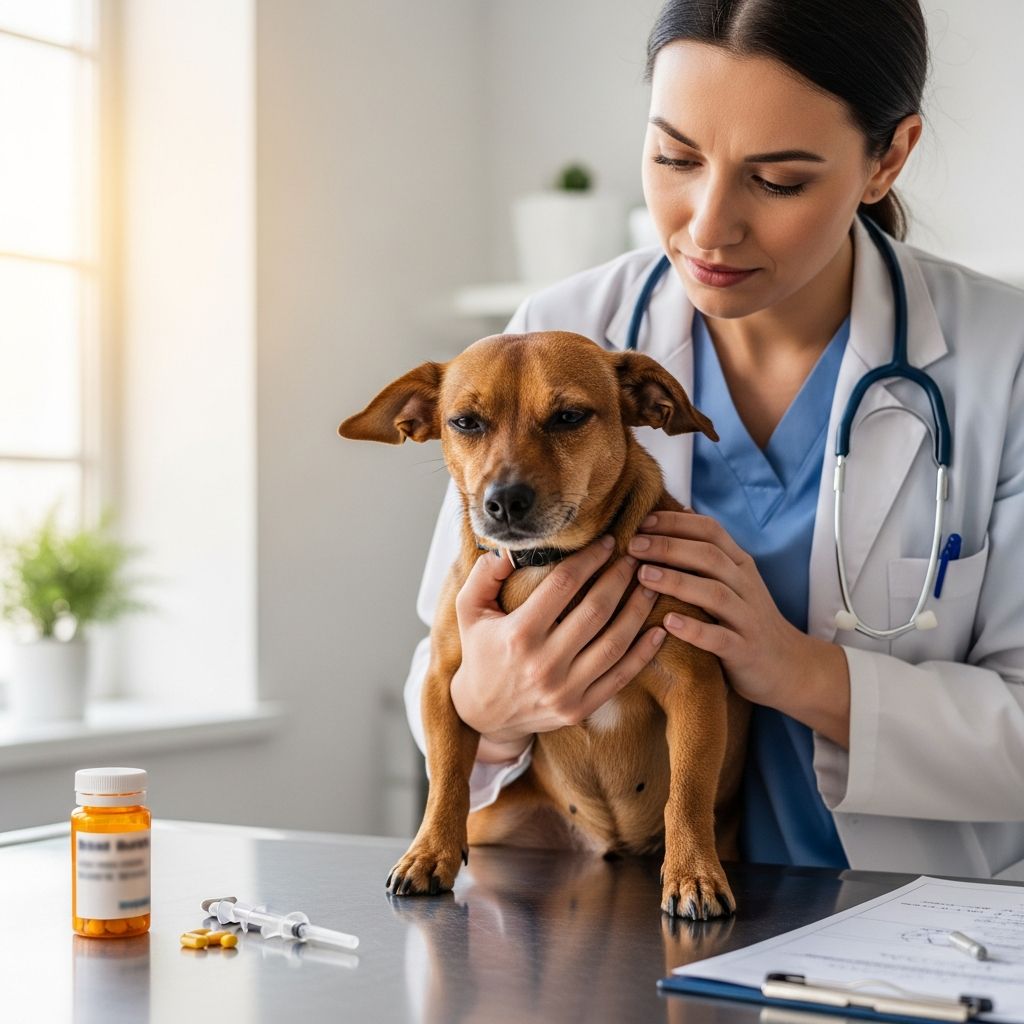
Medications prescribed for pets can effectively treat pain, infections, and other conditions, but they often come with potential adverse reactions that pet owners must recognize. Common issues range from mild digestive disturbances to severe organ damage, varying by drug type, dosage, and individual pet sensitivity. Understanding these reactions enables timely intervention and better outcomes.
Why Pets Experience Drug Reactions
Pets metabolize medications differently than humans due to unique liver enzymes, kidney function, and body sizes. Factors like age, breed, pre-existing conditions, and concurrent therapies amplify risks. Gastrointestinal upset tops the list of complaints, as many drugs irritate the stomach lining during absorption. Lethargy, appetite loss, and behavioral shifts also frequently appear as the body adjusts.
- Key Risk Factors: Dehydration, underlying kidney or liver disease, and combining NSAIDs with steroids heighten dangers.
- Smaller animals like cats face amplified effects from even low doses of human drugs.
- Breeds with genetic mutations, such as MDR1 defects, suffer neurotoxicity from certain anti-parasitics.
Non-Steroidal Anti-Inflammatories: Top Culprits
NSAIDs like carprofen (Rimadyl), meloxicam, ibuprofen, and naproxen relieve pain and inflammation but pose significant risks. Even veterinary-approved versions demand caution, as they can erode the GI tract, impair kidneys, and stress the liver.
| NSAID Example | Common Effects | Serious Risks |
|---|---|---|
| Carprofen (Rimadyl) | GI distress (vomiting, diarrhea) | Liver failure (monitor bloodwork) |
| Meloxicam | Stomach upset | Kidney toxicity (lower cat doses) |
| Ibuprofen/Naproxen (human) | Weakness, sluggishness | Ulcers, kidney failure, seizures, death |
Never mix NSAIDs or pair them with corticosteroids, as this triggers bleeding ulcers. Pets with heart, liver, or kidney issues face elevated threats; symptoms like bloody stools or jaundice warrant immediate vet attention.
Antibiotics and Their Digestive Toll
Antibiotics combat bacterial infections but disrupt gut flora, leading to vomiting, diarrhea, and poor appetite. Administering with food mitigates some irritation.
- Metronidazole: Rare neurologic issues like seizures.
- Fenbendazole (Panacur): Vomiting, diarrhea from dying parasites.
- Sulfadimethoxine (Albon): Urinary problems, dry eye, fever.
These effects often resolve as treatment progresses, but persistent symptoms signal the need for dosage tweaks or alternatives.
Dangerous Human Painkillers for Pets
Household analgesics like acetaminophen (Tylenol) and aspirin prove toxic. Cats suffer red blood cell destruction from acetaminophen, causing oxygen deprivation, while dogs risk liver failure. Aspirin induces ulcers, bleeding, and metabolic acidosis in both species.
A single Tylenol tablet can devastate a cat’s blood cells, and ibuprofen ingestion leads to fatal ulcers in dogs.
Symptoms include panting, weakness, bloody vomit, and collapse. Keep these far from curious noses.
Behavioral and Neurological Impacts
Drugs targeting the brain, such as antidepressants and sedatives, alter behavior unpredictably. Fluoxetine (Prozac) may spark anxiety or aggression transiently, while trazodone causes ataxia or heart irregularities.
| Drug Class | Effects in Pets |
|---|---|
| Antidepressants (e.g., Effexor, Prozac) | Sedation, tremors, seizures, hyperactivity |
| Benzodiazepines (e.g., Xanax) | Agitation, incoordination, slowed breathing |
| Acepromazine | Hypotension, temperature extremes |
Cats oddly favor Effexor’s taste, risking overdose from one pill. Monitor for panting, irritability, or lethargy.
Anti-Parasitics: Hidden Hazards
Parasite fighters like ivermectin and praziquantel save lives but provoke reactions. Ivermectin neurotoxicity strikes herding breeds with MDR1 mutations, causing tremors or coma.
- Praziquantel: Lethargy, diarrhea.
- Pyrantel: Vomiting.
- Fenbendazole: Allergic responses to parasite die-off.
Genetic testing prevents tragedies in vulnerable breeds.
Gastrointestinal Protectants and Beyond
Drugs like maropitant (Cerenia) ironically cause ongoing vomiting or drooling. Famotidine aids acid reduction but may induce headaches or dry mouth. Sucralfate stands as a safe option for ulcers.
Miscellaneous agents, including antifungals (ketoconazole), risk liver enzyme spikes and inappetence. Albuterol provokes tremors and racing hearts transiently.
Recognizing and Managing Reactions
Mild signs—vomiting, soft stools, drooling—often self-limit within days. Severe indicators include persistent anorexia, blood in stool, seizures, jaundice, or breathing distress.
- Track symptoms with a daily log: timing, severity, duration.
- Give meds with meals unless contraindicated.
- Hydrate well and avoid combos without vet approval.
- Contact your vet for blood tests if on long-term therapy.
Adjustments like dose reductions or switches restore comfort swiftly.
Prevention Strategies for Pet Owners
Store meds securely and discuss full health histories with vets. Pre-treatment bloodwork screens for vulnerabilities, especially in seniors or those with chronic issues.
- Breed-Specific Alerts: Collies, Aussies for ivermectin.
- Age Considerations: Puppies and elders metabolize slower.
- Holistic Aids: Probiotics counter antibiotic gut woes.
When to Rush to the Vet
Red flags demand emergency care: collapse, unrelenting vomiting (over 24 hours), black/tarry stools, yellow gums, or neurological oddities. Early action prevents escalation to organ failure or fatality.
FAQs on Pet Medication Safety
Can I give my dog human ibuprofen for pain?
No— even small amounts cause ulcers and kidney shutdown. Use vet-prescribed alternatives.
How long do side effects last?
Mild GI issues fade in 1-3 days; persistent ones need vet review.
Are NSAIDs safe for cats?
Use cautiously at low doses; chronic use risks kidneys despite global approval.
What if my pet vomits after every dose?
Try with food or switch formulations; consult your vet promptly.
Should I stop meds if side effects appear?
Never abruptly—discuss with your vet to avoid worsening the primary condition.
Long-Term Medication Monitoring
Chronic therapies require quarterly blood panels to catch silent liver or kidney shifts. Annual wellness exams baseline organ health. Owners report fewer crises with proactive tracking.
In summary, vigilance turns potential pitfalls into manageable hurdles. Informed pet parents partner effectively with vets for optimal health.
References
- Pet Prescription Side Effects — Medical Lake Veterinary Hospital. Accessed 2026. https://medicallakeveterinaryhospital.com/prescription-side-effects/
- What Common Human Medications Are Dangerous for Pets? — Hart for Animals. Accessed 2026. https://hartforanimals.org/pet-health-blog/hn33iszkjhwof64yt4o39163fx2cs6-3z2t4-awb7f-lnkcc-rksz4-f7lek-ysgbz-fh9ye
- Top Ten Human Medications that Poison Pets — My Pet Clinic. Accessed 2026. https://www.mypetclinic.net/common-medication-toxicities-in-pets.pml
- Dog Medications in Boca Raton, FL — Calusa Veterinary Center. Accessed 2026. https://www.cvcboca.com/boca-raton-fl/dogs/medications/
- Animal Medicine Side Effect Management — Eascor Animal Hospital. Accessed 2026. https://eascoranimalhospital.com/pet-pharmacy/animal-medicine-side-effect-management/
- What Veterinarians Should Advise Clients About Pain Control — U.S. Food and Drug Administration (FDA). 2023. https://www.fda.gov/animal-veterinary/resources-you/what-veterinarians-should-advise-clients-about-pain-control-and-nonsteroidal-anti-inflammatory-drugs
Similar Articles








Read full bio of Sneha Tete


