Pet Mammary Cancer Awareness
Learn about mammary cancer risks, detection, and treatments for dogs and cats to protect your pet's health effectively.
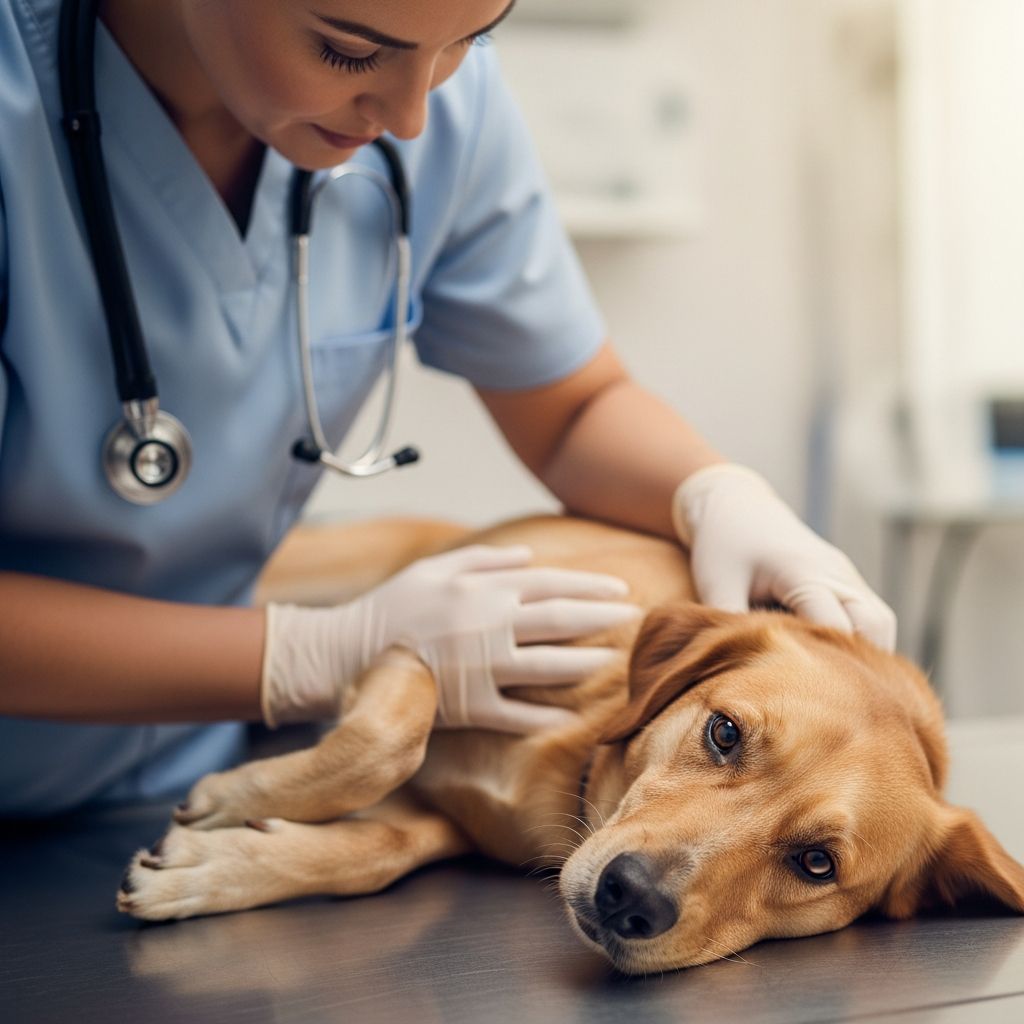
Mammary tumors represent a significant health concern for unspayed female dogs and cats, often mirroring human breast cancer discussions during awareness months. These cancers can be aggressive, but early detection and intervention improve outcomes substantially.
Understanding Mammary Tumors in Companion Animals
Mammary glands in dogs and cats are located along the abdomen, with dogs having 10 glands (five pairs) and cats eight. Tumors here are more common in females due to hormonal influences, though males can develop them rarely. In dogs, mammary tumors comprise about 42% of all diagnosed tumors in females, with a lifetime risk of 23-34% for intact females. Cats face similar issues, where over 85% of mammary tumors are malignant.
These growths arise from mammary tissue and can be benign or malignant. Malignant ones may invade local tissues or metastasize to lungs, lymph nodes, or bones, complicating treatment.
Risk Factors and Prevention Strategies
The primary risk factor is reproductive status. Intact females have elevated estrogen exposure, promoting tumor development. Spaying before the first heat cycle drastically reduces risk: by over 99% in dogs if done early, and significantly in cats before 12 months. Even later spaying offers partial protection.
- Early spay (before first heat): Near-elimination of mammary cancer risk in dogs.
- After first heat: Risk drops but remains higher than early intervention.
- Intact females: Highest incidence, especially after multiple litters.
Other factors include breed predispositions (e.g., certain spaniels, pointers in dogs) and age, with most cases in middle-aged to senior pets. Neutering males prevents testicular cancer but doesn’t directly impact mammary risks.
Recognizing Early Warning Signs
Owners play a crucial role in early detection through regular at-home checks and vet exams. Key symptoms include:
- Firm lumps or nodules in mammary chains, often pea-sized or larger.
- Swelling, redness, or ulceration of the skin over the gland.
- Discharge from nipples, bloody or pus-like.
- Enlarged lymph nodes under the armpits or groin.
- Systemic signs like lethargy, weight loss, or appetite changes if advanced.
Not all lumps are cancerous—benign lipomas or cysts occur—but any new mass warrants veterinary evaluation. Routine physicals with palpation of glands aid prevention.
Diagnostic Approaches for Confirmation
Veterinarians start with a thorough exam, followed by:
| Test | Purpose |
|---|---|
| Fine-needle aspirate or biopsy | Cell analysis to determine benign vs. malignant. |
| Bloodwork (CBC, chemistry) | Assess overall health and organ function. |
| Chest X-rays | Check for lung metastasis. |
| Abdominal ultrasound | Evaluate spread to abdomen or lymph nodes. |
| Staging via bone marrow aspirate | Detect bone marrow involvement. |
These steps, performed by oncology specialists, guide treatment planning.
Treatment Options: From Surgery to Advanced Therapies
Treatment is multimodal, tailored to tumor stage, size, and pet health. Veterinary oncologists collaborate with primary vets for optimal care.
Surgical Interventions
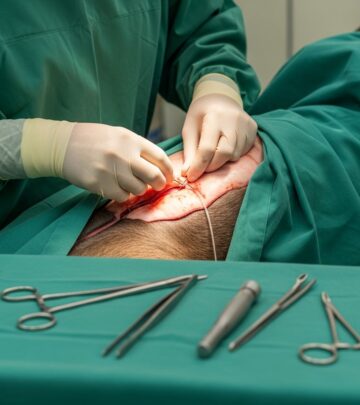
Surgery is the cornerstone, especially for early-stage tumors. In dogs, a lumpectomy removes the affected gland plus margins; chain mastectomy may be needed for multiple tumors. Cats often require radical mastectomy due to high malignancy rates.
Chemotherapy Protocols
Post-surgery chemo targets microscopic disease. Dogs tolerate it well, with only 15% experiencing mild GI upset. Common drugs include doxorubicin or carboplatin, administered IV or orally.
Radiation and Emerging Therapies
Radiation suits incomplete resections or inoperable tumors. Stereotactic radiation delivers precise doses in 1-3 sessions, minimizing side effects. Immunotherapy and NSAIDs show promise for adjunct control.
Prognosis Overview: Clean margins and no metastasis yield 1-3+ years survival; advanced cases average months.
Role of Veterinary Oncology Specialists
Board-certified oncologists offer expertise beyond general practice. They provide staging, chemotherapy, and trials access. Common cancers treated include mammary, lymphoma, osteosarcoma, and mast cell tumors.
- Initial consult: Review diagnosis and options.
- Ongoing monitoring: Adjust plans based on response.
- Multidisciplinary teams: Include surgeons, radiologists.
Seek referrals via directories like the Veterinary Cancer Society.
Lifestyle and Supportive Care
Beyond medical treatment, maintain quality of life with pain management, nutrition, and monitoring. Diets rich in antioxidants support immunity. Regular check-ups catch recurrences early.
FAQs on Pet Mammary Cancer
Is mammary cancer preventable in pets?
Yes, spaying females early is the most effective prevention, reducing risk by up to 99% in dogs.
How do pets handle chemotherapy?
Better than humans; side effects are mild and infrequent, with sophisticated dosing minimizing nausea.
Can male dogs get mammary cancer?
Rarely, but possible, especially if hormone imbalances exist.
What breeds are at higher risk?
Breeds like English Springer Spaniels, Boxers, and Poodles show predispositions.
Should I spay my older pet?
Discuss with your vet; benefits persist, though less than early spay.
Advancing Pet Cancer Care Through Research
Veterinary oncology evolves rapidly, with trials at centers like UC Davis offering innovative therapies like immunotherapy and targeted radiation. These improve survival and comfort, paralleling human advancements.
Owners should stay proactive: monthly self-exams, annual vet visits, and prompt lump checks save lives. Awareness empowers better pet health outcomes.
References
- Oncology | SFAMC | Veterinary Oncologists in San Francisco — SFAMC. Accessed 2026. https://www.sfamc.com/specialty-care/oncology
- Mammary cancer | Cornell University College of Veterinary Medicine — Cornell Vet. Accessed 2026. https://www.vet.cornell.edu/departments-centers-and-institutes/riney-canine-health-center/canine-health-information/mammary-cancer
- Veterinary Oncology for Dogs & Cats in Carlsbad, CA | VCA — VCA Hospitals. Accessed 2026. https://vcahospitals.com/california-veterinary-specialists-carlsbad/departments/medical-oncology
- Breast Cancer in Dogs | PetCure Oncology — PetCure Oncology. Accessed 2026. https://petcureoncology.com/breast-cancer-in-dogs/
- Cancer in pets | American Veterinary Medical Association – AVMA.org — AVMA. Accessed 2026. https://www.avma.org/resources/pet-owners/petcare/cancer-pets
- Veterinary Medical Oncology – MedVet — MedVet. Accessed 2026. https://www.medvet.com/specialty/medical-oncology/
- Oncology Service | School of Veterinary Medicine — UC Davis Vet Med. Accessed 2026. https://www.vetmed.ucdavis.edu/hospital/small-animal/oncology
Similar Articles






Read full bio of Sneha Tete