

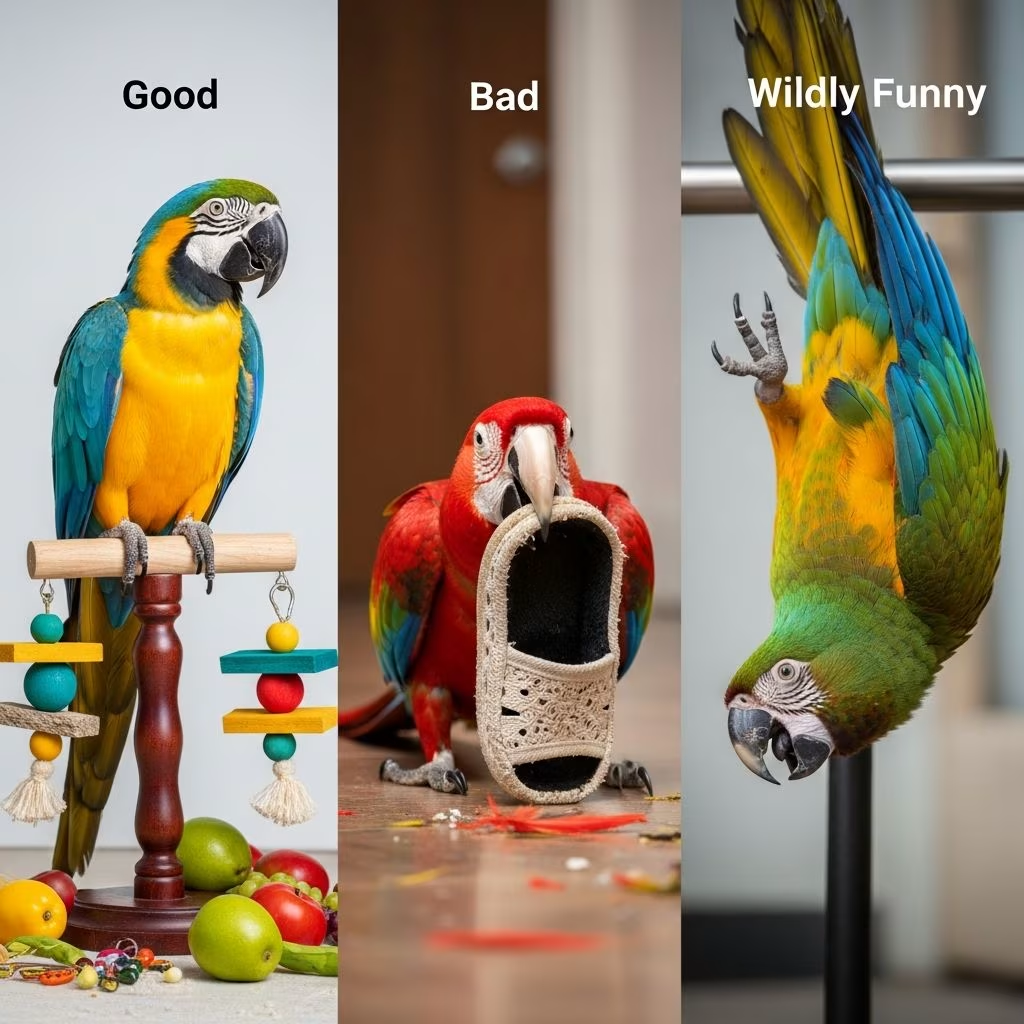
Pet Macaws: The Good, The Bad, and The Wildly Funny
Macaws are among the most captivating and intelligent bird species available as pets. With their vibrant plumage, playful personalities, and impressive intelligence, it’s easy to understand why so many people are drawn to these magnificent birds. However, macaw ownership is not without its challenges. Before bringing one of these feathered friends into your home, it’s essential to understand both the rewards and the responsibilities that come with caring for a macaw. This guide explores the good, the bad, and the humorous aspects of pet macaw ownership to help you make an informed decision.
The Good: Why Macaws Make Wonderful Pets
Exceptional Intelligence and Trainability
Macaws are highly intelligent birds with cognitive abilities comparable to a four-year-old child. Their intelligence makes them incredibly trainable and capable of learning complex commands and tricks. These birds can understand patterns, solve problems, and even learn to mimic human speech and sounds. With patience and positive reinforcement, macaws can learn to perform various behaviors, making training sessions both rewarding and entertaining for owners.
Deep Emotional Bonds
One of the most remarkable qualities of macaws is their ability to form profound and lasting emotional connections with their owners. These social birds are affectionate and demonstrate genuine attachment to their human companions. They enjoy spending quality time with their people and often show enthusiasm when their owners arrive home. This deep bonding creates a rewarding companionship that can last for decades, as macaws have impressive lifespans of 50 to 80 years in captivity.
Stunning Visual Appeal
The aesthetic beauty of macaws cannot be overstated. With their brilliant plumage in shades of blue, scarlet, green, and gold, these birds are living works of art. Their striking appearance makes them conversation starters and brings visual joy to any household. Their impressive size and regal bearing command attention and admiration from anyone who encounters them.
Engaging Personalities
Macaws possess distinctive personalities and often display a sense of humor. They enjoy playing games, interacting with toys, and entertaining their owners with their antics. Many macaw owners report that their birds engage in playful behaviors that can be genuinely funny, from hanging upside-down from perches to making unexpected sounds and mimicking household noises.
The Bad: Challenges of Macaw Ownership
High Maintenance and Attention Needs
Macaws demand considerable daily attention and mental stimulation. These highly social birds can experience loneliness and depression if left alone for extended periods. They require several hours of interaction with their owners each day, including play time, training sessions, and socialization. Neglecting their social and emotional needs can lead to behavioral problems such as feather plucking, aggression, and excessive screaming.
Substantial Space Requirements
Unlike smaller pet birds, macaws need spacious living environments to thrive. A minimum cage size is just the beginning—these birds require several hours outside the cage daily to exercise, climb, and explore. Living in cramped quarters causes stress and behavioral issues. Potential owners must have adequate space to accommodate a large cage, a play stand, and safe areas where the bird can roam and exercise freely.
Deafening Vocalizations
Macaws are among the loudest pet birds, producing calls that can reach up to 100 decibels, particularly during early morning and evening hours. These booming squawks can be heard throughout a home and potentially disturb neighbors. For apartment dwellers or those sensitive to noise, this vocalization can be a significant challenge. While some owners find their expressiveness endearing, others discover that the noise level becomes unbearable over time.
Destructive Behavior and Mess
Macaws are powerful chewers with an instinctive need to destroy things. Their strong beaks can easily demolish wooden furniture, electrical cords, drywall, and household items. Beyond destruction, macaws are messy eaters, enthusiastically flinging food and water. They shed feathers regularly and scatter debris throughout their environment. Managing the mess requires patience and a commitment to frequent cage cleaning.
Significant Financial Investment
Macaw ownership is expensive. The initial purchase price of a macaw can range from $1,000 to $5,000 or more for a captive-bred bird. Beyond the purchase price, ongoing expenses include large cages, high-quality specialized pellet diets, fresh fruits and vegetables, toys, perches, and most importantly, veterinary care from an avian specialist. Emergency veterinary visits for macaws can be costly, and routine annual check-ups are essential for maintaining their health.
Health Concerns and Medical Needs
Macaws can suffer from various health issues including psittacosis (parrot fever), beak and feather disease, respiratory infections, vitamin A deficiency, and obesity-related conditions. Locating a qualified avian veterinarian can be challenging in some areas, and the specialized care they require can be expensive. Proper nutrition, hygiene, and environmental enrichment are crucial for preventing many of these conditions, requiring significant owner dedication.
Diet and Nutrition Guidelines
Providing proper nutrition is fundamental to macaw health and longevity. A well-balanced diet should include:
- High-quality pelleted diet formulated specifically for macaws
- Fresh fruits and vegetables daily (carrots, broccoli, apples, berries)
- Nuts and seeds in moderation as treats
- Cuttlebones or mineral blocks for calcium and beak conditioning
- Fresh, clean water available at all times
Avoid feeding macaws avocado, chocolate, salt, caffeine, and foods high in fat. Food bowls should be placed at various heights within the enclosure, simulating their natural canopy feeding behavior.
Housing and Cage Requirements
Proper housing is essential for macaw well-being. Cage specifications should include:
| Feature | Requirement |
|---|---|
| Minimum Cage Size | At least 40″ x 40″ x 60″ (larger is better) |
| Bar Spacing | ½ to ¾ inch spacing |
| Perches | Multiple heights with natural wood branches |
| Out-of-Cage Time | Minimum 4-5 hours daily |
| Temperature Range | 65-75°F with 12 hours of darkness for sleep |
Rotate toys weekly and change their locations to provide enrichment and allow for thorough cage cleaning. Include climbing structures, swings, ropes, and destructible toys such as untreated wood pieces and cardboard toys.
Enrichment and Exercise
Mental and physical stimulation are critical for preventing behavioral problems in macaws. Enrichment activities include:
- Interactive toys that promote problem-solving and manipulation
- Climbing structures, ropes, and swings for physical exercise
- Foraging toys that require effort to access treats
- Varied textures including wood, leather (vegetable-tanned), rope, and cardboard
- Social interaction and playtime with owners
- Training sessions that engage their intelligence
Macaws love acrobatics and manipulating objects with their feet. Providing a variety of toys and rotating them regularly keeps your bird mentally engaged and prevents boredom-related behaviors.
Training and Behavioral Management
Positive Reinforcement Training
The most effective training method for macaws involves positive reinforcement using praise and treats. Consistency is crucial—use the same words and gestures for each command to help your bird understand cues quickly. Never yell at or punish your macaw, as these approaches can damage your relationship and increase stress.
Common Behavioral Challenges
Behavioral issues in macaws often stem from boredom, loneliness, or lack of proper enrichment. Destructive behaviors such as feather plucking, aggression, and excessive screaming indicate an unhappy bird. Address behavioral problems early by identifying and eliminating the underlying cause. Any sudden change in behavior warrants a veterinary examination to rule out medical concerns.
Safety Considerations
Never leave your macaw unattended when outside its cage. Keep other family pets separated from your bird to prevent injuries. Remove hazards such as electrical cords, toxic plants, open windows, and unstable perches. Provide soft bedding and minimize handling during times of stress or illness.
Health Care and Veterinary Needs
Annual Physical Examinations
All macaws should receive an annual physical examination from an avian veterinarian. During this exam, the veterinarian will check the eyes, ears, heart, lungs, and internal cavity, examine feathers and skin for parasites, and may recommend fecal testing for internal parasites. Newly acquired macaws should have an initial comprehensive physical examination.
Common Health Issues
Macaws are susceptible to several health conditions including psittacosis, beak and feather disease, respiratory infections, vitamin A deficiency, and obesity. Proper nutrition, good hygiene, appropriate social grouping, and protection from stressors help prevent many of these conditions.
Emergency Care
Knowing how to respond to emergencies can be life-saving. For injuries with blood loss, apply direct pressure with clean gauze. For head injuries, provide soft bedding and minimal handling in a warm, quiet environment. For respiratory distress, remove bedding, minimize stress, and seek immediate veterinary care. Contact your veterinarian or emergency clinic immediately for any serious health concerns.
Grooming and Hygiene
Regular grooming is essential for maintaining macaw health and creating bonding opportunities. Routine misting or showering with water helps maintain plumage and skin condition. Many macaws enjoy being sprayed with a hand mister or hose, though they should not be soaked. Allow them to dry in a warm, draft-free environment.
Professional grooming for beak and nail trims is recommended, as improper trimming can harm the bird and cause stress. Provide cuttlebones or mineral blocks as sources of enrichment that help maintain beak health.
The Wildly Funny Side: Humorous Macaw Moments
Despite their challenges, macaws provide endless entertainment through their playful antics and amusing behaviors. These intelligent birds often surprise their owners with unexpected vocalizations, including mimicking household sounds, singing, and making comical noises. Many macaws enjoy hanging upside-down from perches, playing hide-and-seek, and engaging in games that demonstrate their sense of humor.
Macaws can be mischievous, often appearing to deliberately test boundaries and see how their owners react to their antics. Their exaggerated movements, loud personalities, and social nature create moments of genuine laughter and joy. The combination of their intelligence, affection, and playful nature makes macaw ownership an adventure filled with unexpected surprises and hilarious moments that owners often find deeply rewarding.
Frequently Asked Questions
Q: How long do pet macaws live?
A: Macaws have impressive lifespans, typically living 50 to 80 years in captivity. Some individuals have been known to live even longer, making them lifelong companions and a significant long-term commitment for owners.
Q: Can macaws learn to talk?
A: Yes, macaws are excellent mimics and can learn to speak words and phrases. With proper training and socialization, they can develop a vocabulary and use words contextually, though individual birds vary in their speaking abilities.
Q: Are macaws suitable for first-time bird owners?
A: While possible with proper education and preparation, macaws are generally better suited for experienced bird owners due to their complex needs, high maintenance requirements, and long lifespans.
Q: How much does a macaw cost?
A: Purchase prices range from $1,000 to $5,000 or more for captive-bred birds. Annual care expenses including food, toys, veterinary care, and housing can range from $1,500 to $3,000 or more.
Q: Can macaws live in apartments?
A: Apartment living is challenging for macaws due to their loud vocalizations reaching 100 decibels. However, with understanding neighbors and strategic cage placement, some macaws adapt to apartment life with proper enrichment and training.
Q: Do macaws require a special diet?
A: Yes, macaws require a high-quality pelleted diet formulated specifically for their nutritional needs, supplemented with fresh fruits, vegetables, nuts, and seeds. Avoid foods toxic to birds such as avocado, chocolate, and caffeine.
Q: How many hours of sleep do macaws need?
A: Macaws require approximately 12 hours of sleep daily in a quiet, dark environment. Providing proper sleep is essential for maintaining their physical and mental health.
Q: What should I do if my macaw displays aggressive behavior?
A: Address aggression early by identifying underlying causes such as boredom, territoriality, or hormonal responses. Consistent positive reinforcement training, proper socialization, and adequate enrichment usually resolve behavioral issues. Consult with an avian behaviorist if problems persist.
References
- 5 Pros & Cons of Owning a Pet Macaw — Cheeky Beaks. 2024. https://shopcheekybeaks.com/blogs/bird-parenting-tips/pros-cons-pet-macaws
- Caring For Your Pet Macaw — Pender Veterinary Centre. 2024. https://www.pendervet.com/blog/caring-for-your-pet-macaw
- Blue and Gold Macaw Care Guide: Diet, Habitat & Training Tips — Worlds Ultimate. 2024. https://www.worldsultimate.net/blue-and-gold-macaw-care.htm
- Macaw Care — Chicago Exotics Animal Hospital. 2024. http://www.exoticpetvet.com/macaw-care.html
- Do Macaws Make Good Pets? Vet-Reviewed Pros & Cons — Hepper. 2024. https://articles.hepper.com/do-macaws-make-good-pets/
- A Complete Beginner’s Guide — The Parrot Society UK. 2024. https://theparrotsocietyuk.org/site/index.php/parrot-information/new-to-pet-parrots/a-complete-beginners-guide/



