

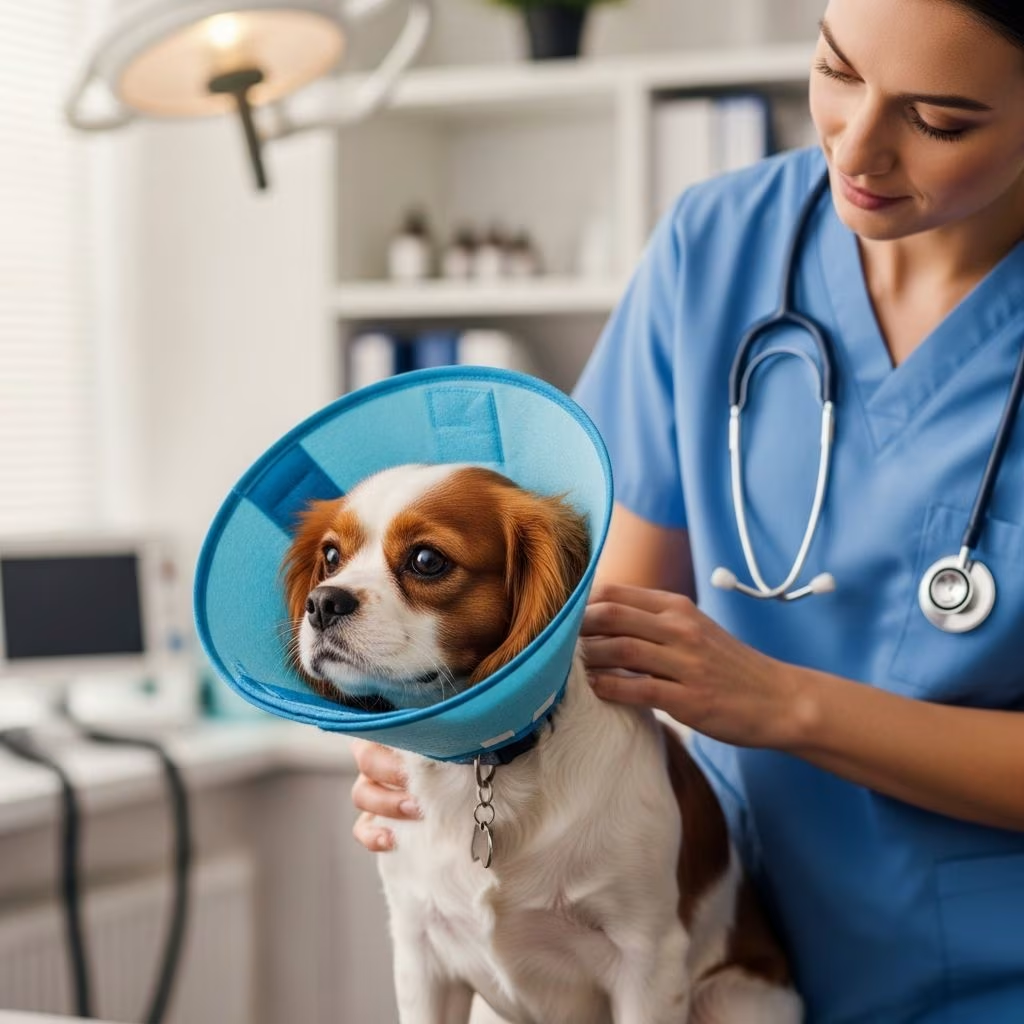
Pet insurance frequently includes coverage for surgical interventions required due to accidents or illnesses in dogs and cats, helping offset high veterinary costs that can range from hundreds to thousands of dollars. These policies reimburse a portion of expenses after accounting for deductibles and reimbursement rates, but coverage varies by provider and plan type.
Understanding Coverage for Surgical Procedures
Most comprehensive pet insurance plans cover surgeries deemed medically necessary, defined as procedures performed under anesthesia involving incisions into skin or tissue to treat new injuries or health issues. Accident-only policies limit coverage to injury-related surgeries, while accident-and-illness plans extend to disease-related operations.
Coverage typically applies to emergencies like fractures or foreign object removal, as well as planned surgeries for conditions such as tumors or ligament tears, provided they arise after the policy starts. Diagnostic tests leading to surgery, such as X-rays or blood work, are often included if directly related.
Common Surgeries Covered by Pet Policies
Pet owners often face unexpected surgical needs, and insurance can provide significant relief. Here are key examples:
- Tumor or mass removal: Procedures to excise cancerous or benign growths, with costs starting at $250.
- Foreign body obstruction: Surgery to remove ingested items like toys or rocks, averaging $800 to $7,000.
- Orthopedic repairs: Fixes for broken bones, dislocations, or cruciate ligament tears, ranging from $1,200 to $9,500.
- Emergency interventions: For bloat (GDV), internal bleeding, or urinary blockages, which demand immediate action.
- Eye and dental surgeries: Cataract removal ($2,000-$5,000) or tooth extractions for injuries.
These coverages ensure pets receive timely care without forcing owners into financial distress.
Expenses Included Beyond the Operating Room
Surgery coverage extends to related costs, making policies more comprehensive. Insurers often reimburse:
- Pre-operative diagnostics like MRIs, biopsies, or endoscopies.
- Hospital stays, anesthesia, and specialist fees.
- Post-operative care, including medications, check-ups, and rehab for up to 30 days.
- Follow-up treatments for complications arising from the procedure.
This holistic approach addresses the full treatment cycle, from diagnosis to recovery.
Cost Comparison Table for Common Surgeries
| Surgery Type | Typically Covered? | Estimated Cost Range |
|---|---|---|
| Cruciate Ligament Repair | Yes | $1,200 – $9,500 |
| Tumor Removal | Yes | $250 – $2,500+ |
| Fracture Repair | Yes | $1,500 – $5,000 |
| Cataract Surgery | Yes | $2,000 – $5,000 |
| Foreign Body Removal | Yes | $800 – $7,000 |
| Hip Dysplasia Surgery | Usually (if not pre-existing) | $1,200 – $7,000 per hip |
Note: Costs vary by location, pet size, and complexity. Coverage subject to policy terms.
What Surgeries Are Typically Excluded?
Not all procedures qualify. Common exclusions include:
- Pre-existing conditions: Any surgery for issues present before policy inception or related symptoms.
- Elective or cosmetic: Spaying/neutering (unless medically necessary), declawing, tail docking, or ear cropping.
- Breeding-related: C-sections or reproductive surgeries, except in rare medical cases with waiting periods.
- Routine wellness: Preventive gastropexy or dental cleanings without illness.
Some plans cure pre-existing issues if symptom-free for 12 months, but this is provider-specific.
How Reimbursement Works for Surgical Claims
Pet insurance operates on a reimbursement model: Pay the vet upfront, then submit a claim for refund. Key factors include:
- Deductible: Annual amount (e.g., $100-$1,000) you pay before coverage kicks in.
- Reimbursement rate: 70-90% of eligible costs post-deductible.
- Annual limits: Caps like $5,000-$unlimited per year or incident.
Example: For a $3,000 tumor surgery with $500 deductible and 80% reimbursement, you’d pay $500 + 20% of $2,500 ($500), totaling $1,000 out-of-pocket.
Direct pay options with participating vets are emerging but not universal.
Choosing the Right Policy for Surgical Protection
Select based on your pet’s breed, age, and lifestyle. Comprehensive accident-and-illness plans offer broadest surgery coverage. Compare:
- Providers like MetLife (up to 90% for specialists), Figo (exam fees optional), or Pets Best (rehab included).
- Add wellness riders for spay/neuter if needed.
- Check waiting periods (e.g., 6 months for sterilization).
Review policy documents for specifics, as terms differ.
Real-World Scenarios: Surgery Claims in Action
Consider a dog swallowing a sock: Diagnostics ($500), surgery ($4,000), follow-up ($800). With a $250 deductible and 90% rate, reimbursement could exceed $4,000, leaving owners responsible for under $1,400.
For chronic issues like hip dysplasia in larger breeds, coverage applies if not pre-existing, potentially saving $3,000+ per hip.
Tips to Maximize Your Surgery Coverage
- Enroll early, before issues arise, to avoid pre-existing exclusions.
- Opt for higher reimbursement and unlimited limits if affordable.
- Keep records of vet visits to prove conditions are new.
- Contact insurer pre-surgery for pre-approval on complex cases.
- Bundle with wellness for routine care.
Frequently Asked Questions (FAQs)
Does pet insurance cover emergency surgeries?
Yes, most plans cover life-saving procedures like bloat or fracture repairs from accidents.
Are pre-existing surgeries ever covered?
Generally no, but some policies cover cured conditions after 12 symptom-free months.
What if surgery isn’t performed after diagnostics?
Pre-op tests may not be reimbursed unless surgery proceeds.
Can I get coverage for my puppy’s hereditary conditions?
Yes, if symptoms appear post-policy start.
How soon after buying insurance can I claim surgery?
Waiting periods vary; typically 14 days for accidents, longer for illnesses.
Pet insurance empowers owners to prioritize health over cost concerns during surgical crises, but understanding policy nuances is crucial for optimal protection.
References
- What surgical treatments are covered by pet health insurance? — Feather Insurance. 2023. https://faq.feather-insurance.com/en/articles/147558-what-surgical-treatments-are-covered-by-pet-health-insurance
- Does Pet Insurance Cover Surgery? — MetLife Pet Insurance. 2024-01-15. https://www.metlifepetinsurance.com/blog/pet-insurance/does-pet-insurance-cover-surgery/
- Does Pet Insurance Cover Surgery? – NerdWallet — NerdWallet. 2025-06-10. https://www.nerdwallet.com/insurance/pet/learn/does-pet-insurance-cover-surgery
- Does Pet Insurance Cover Surgery — Embrace Pet Insurance. 2024. https://www.embracepetinsurance.com/research/does-pet-insurance-cover-surgery
- Does Pet Insurance Cover Surgery? – Progressive — Progressive. 2024-08-20. https://www.progressive.com/answers/does-pet-insurance-cover-surgery/



