

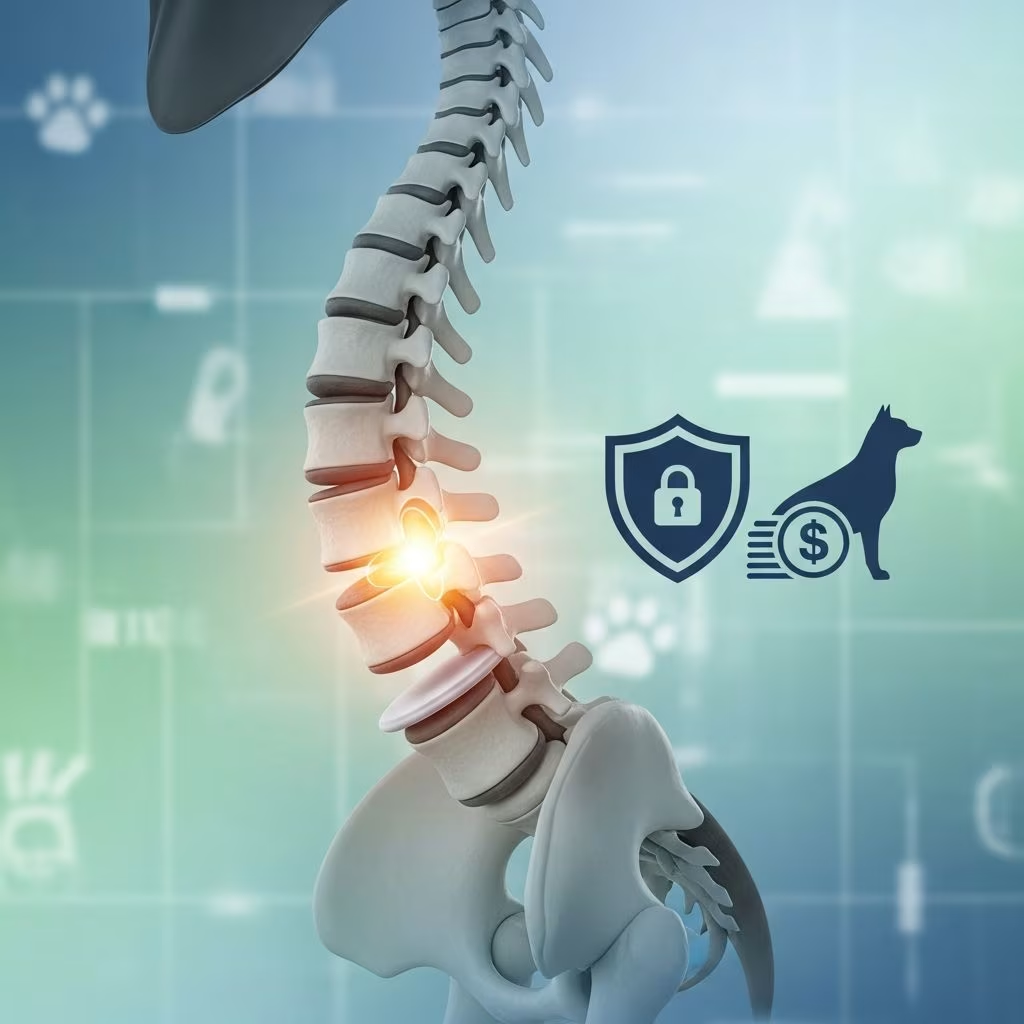
Intervertebral disc disease (IVDD) represents one of the most common spinal conditions affecting dogs today, and the financial burden of treatment can be substantial for pet owners. As veterinary care becomes increasingly sophisticated, understanding how insurance policies cover this serious condition is essential for responsible pet ownership. This comprehensive guide explores the intersection of pet insurance and IVDD management, helping you navigate coverage options and prepare financially for potential spinal health emergencies.
What Is Intervertebral Disc Disease and Why It Matters
Intervertebral disc disease occurs when the discs that cushion the vertebrae in a dog’s spine deteriorate or rupture, putting pressure on the spinal cord. This degenerative condition causes pain, weakness, and in severe cases, paralysis. The condition is particularly prevalent in long-backed breeds such as dachshunds, basset hounds, and cocker spaniels, though any dog can develop IVDD.
The financial implications of IVDD treatment are significant. Conservative medical management might cost hundreds of dollars, while surgical intervention—often necessary for severe cases—can exceed $3,000 to $5,000 or more depending on the extent of the procedure and your geographic location. This substantial cost difference makes insurance coverage a critical consideration for many pet owners.
Types of IVDD and Treatment Approaches
Understanding the different manifestations of IVDD helps clarify why insurance coverage varies. The condition presents in different ways depending on severity:
- Mild cases involve pain and minor mobility issues, typically managed with medication and rest
- Moderate cases show progressive weakness requiring intensive conservative management
- Severe cases involve paralysis or loss of bladder control, typically requiring emergency surgery
Medical management includes pain relief medications (NSAIDs or steroids), strict cage rest for 4-6 weeks, and muscle relaxants. Surgical treatment involves removing herniated disc material to relieve spinal cord compression, with success rates of 90% when performed promptly on appropriate candidates.
Pet Insurance Policy Types and IVDD Coverage
Pet insurance comes in several varieties, each with different implications for IVDD coverage:
| Policy Type | Coverage Approach | IVDD Considerations |
|---|---|---|
| Accident-Only Plans | Covers unexpected injuries from accidents | Limited coverage unless IVDD caused by trauma |
| Comprehensive Accident & Illness | Covers both accidents and medical conditions | Generally covers IVDD if diagnosed after policy inception |
| Wellness Add-On | Supplements basic coverage with preventive care | May help with physical therapy and rehabilitation |
| Annual Limit Plans | Sets maximum coverage per year | Suitable for straightforward cases within limits |
| Unlimited Plans | No annual maximum on covered conditions | Better protection for ongoing IVDD management |
Pre-Existing Conditions and Policy Timing
One of the most important considerations when evaluating pet insurance for IVDD coverage involves pre-existing condition exclusions. Insurance companies typically define pre-existing conditions as any illness or injury present before the policy starts. This means if your dog shows any signs of spinal disease before enrollment, the condition may be excluded from coverage.
The timing of insurance purchase becomes crucial. Younger dogs without any clinical signs of spinal problems will have no pre-existing condition exclusions. However, if your dog has already experienced a single episode of IVDD symptoms, many insurers will exclude all future IVDD-related claims, even if they occur years later. Some policies may be more restrictive, excluding the condition entirely, while others offer coverage with increased premiums.
Coverage Limits and Financial Considerations
When comparing pet insurance policies, several financial factors directly affect IVDD coverage:
- Annual deductibles typically range from $250 to $1,000, reducing your insurer’s payout on claims
- Co-insurance percentages mean you’ll pay a portion (often 10-20%) even after meeting your deductible
- Annual maximum limits cap total reimbursements per year, which can be restrictive for IVDD cases requiring ongoing care
- Lifetime limits on specific conditions affect long-term management of chronic spinal issues
- Waiting periods for coverage typically range from 14 to 30 days after policy inception
For IVDD specifically, unlimited annual plans offer the best protection since treatment costs can accumulate quickly. A surgical case might consume the entire annual benefit in a single procedure, leaving nothing for post-operative physical therapy or unexpected complications.
Emergency Surgery Coverage and Reimbursement
When a dog presents with acute paralysis or severe pain from IVDD, emergency surgery becomes critical. Surgery must often occur within 48 hours to maximize chances of neurological recovery. Most comprehensive pet insurance policies cover emergency surgical procedures, but the reimbursement process can take weeks to complete.
Pet owners typically must pay for surgery upfront and submit receipts for reimbursement, which creates a significant financial hurdle in emergencies. Some policies reimburse 70-80% of reasonable and customary charges, while others cover specific percentages. Understanding your policy’s exact reimbursement structure before an emergency occurs prevents frustrating surprises during crisis situations.
Conservative Management and Ongoing Care Coverage
Not all IVDD cases require surgery. Dogs with mild to moderate symptoms may recover with strict rest, pain medication, and physical rehabilitation over 4-6 weeks. Pet insurance typically covers these conservative approaches when they represent the primary treatment strategy.
However, several components of conservative IVDD management may have varying coverage levels:
- Prescription pain medications (NSAIDs, gabapentin, muscle relaxants) are generally covered
- Physical therapy and rehabilitation services may require a wellness add-on or have separate limits
- Diagnostic imaging (MRI, CT scans) used to confirm IVDD diagnosis is typically covered under accident and illness plans
- Specialist consultation fees with veterinary neurologists may or may not be covered depending on your policy
Understanding these nuances helps you select a policy that adequately supports your dog’s recovery timeline and rehabilitative needs.
Cost Comparison: Insurance vs. Out-of-Pocket Expenses
For dogs prone to spinal issues, the financial comparison between insurance premiums and potential IVDD treatment costs strongly favors insurance enrollment. A surgical IVDD case can cost $4,000-$8,000, while diagnostic imaging alone might run $1,500-$2,500. Even with a $500 deductible and 20% co-insurance, insurance substantially reduces financial burden compared to paying fully out-of-pocket.
However, insurance makes less financial sense if your dog is already showing clinical signs of IVDD, as most insurers will exclude or severely limit coverage for pre-existing conditions. In such cases, setting aside emergency funds specifically for spinal care becomes important.
Policy Exclusions and Breed-Specific Considerations
Certain breeds at high risk for IVDD should receive special attention when selecting policies. Long-backed breeds like dachshunds and basset hounds face elevated risk throughout their lives. Some insurance companies offer breed-specific coverage modifications, while others charge higher premiums for at-risk breeds but maintain standard coverage terms.
Beyond breed-related considerations, policies commonly exclude:
- Conditions related to breeding or pregnancy
- Behavioral or hereditary conditions (though IVDD is typically not classified as purely hereditary)
- Cosmetic procedures or treatments improving quality of life rather than treating diagnosed disease
- Alternative treatments not yet established in veterinary medicine
Choosing the Right Policy for IVDD Protection
When evaluating insurance policies specifically for IVDD coverage, prioritize policies that offer:
- Comprehensive accident and illness coverage without breed-specific exclusions for your dog
- High annual limits or unlimited coverage to accommodate both surgery and rehabilitation
- Reasonable deductibles ($250-$500) to keep annual out-of-pocket costs manageable
- Coverage for diagnostic imaging and specialist consultations
- Short waiting periods before coverage begins
- Fast reimbursement processing for urgent claims
Reading policy documents carefully and contacting insurers with specific IVDD scenarios helps clarify exactly what will be covered when you need it most.
Frequently Asked Questions About IVDD Insurance Coverage
Can I get insurance coverage if my dog already has IVDD?
Most insurers will exclude IVDD as a pre-existing condition if your dog has shown any symptoms before policy inception. Some companies may offer coverage at higher premiums or with specific condition exclusions. Always disclose your dog’s complete medical history when applying.
What happens if my dog needs surgery but I haven’t met my deductible yet?
You would pay the full cost of surgery up to your deductible amount, then the insurer covers a percentage (based on your co-insurance) of remaining costs. This underscores the importance of understanding your policy’s financial terms before emergencies occur.
Are alternative therapies for IVDD covered?
Acupuncture and other complementary treatments may be covered if your policy includes wellness riders or alternative medicine coverage. Standard accident and illness policies typically don’t cover these approaches. Verify coverage before pursuing alternative treatments.
How quickly does pet insurance reimburse IVDD claims?
Most insurers process claims within 2-4 weeks, though some expedite emergency claims. Check your insurer’s reimbursement timeline and ensure you can cover upfront costs during the processing period.
Does insurance cover physical therapy after IVDD surgery?
Physical therapy coverage depends on your specific policy. Wellness add-ons or comprehensive plans may include rehabilitation services, while basic plans might not. Clarify this before surgery since post-operative physical therapy significantly improves recovery outcomes.
Moving Forward: Protecting Your Dog’s Spinal Health
Intervertebral disc disease represents a genuine financial and emotional challenge for dog owners, but proper insurance planning can substantially mitigate costs. Enrolling your dog in comprehensive pet insurance while young and healthy provides the best protection against future IVDD expenses. For dogs already showing spinal symptoms, financial planning and honest conversations with your veterinarian about treatment options become essential.
Whether your dog ultimately needs conservative management or emergency surgery, having insurance coverage in place removes financial constraints from medical decision-making and allows you to focus entirely on your dog’s recovery and wellbeing.
References
- IVDD (Intervertebral Disc Disease) in Dogs — PetMD. Accessed January 2026. https://www.petmd.com/dog/conditions/neurological/c_dg_intervertebral_disc_disease
- Intervertebral Disc Disease (IVDD) in Dogs — Carolina Veterinary Specialists, Winston-Salem. 2020-08-14. https://www.winston-salem.carolinavet.com/site/pet-health-advice-blog/2020/08/14/intervertebral-disc-disease-ivdd-in-dogs
- Intervertebral Disk Disease in Dogs — Today’s Veterinary Practice. Accessed January 2026. https://todaysveterinarypractice.com/neurology/intervertebral-disk-disease-in-dogs/
- IVDD in Dogs: Emergency Signs & Fast Action Steps — Golden State Veterinary Specialists. Accessed January 2026. https://gsvs.org/blog/ivdd-dogs-emergency-signs/
- IVDD/slipped disc in dogs — PDSA Pet Health Hub. Accessed January 2026. https://www.pdsa.org.uk/pet-help-and-advice/pet-health-hub/conditions/ivddslipped-disc-in-dogs



